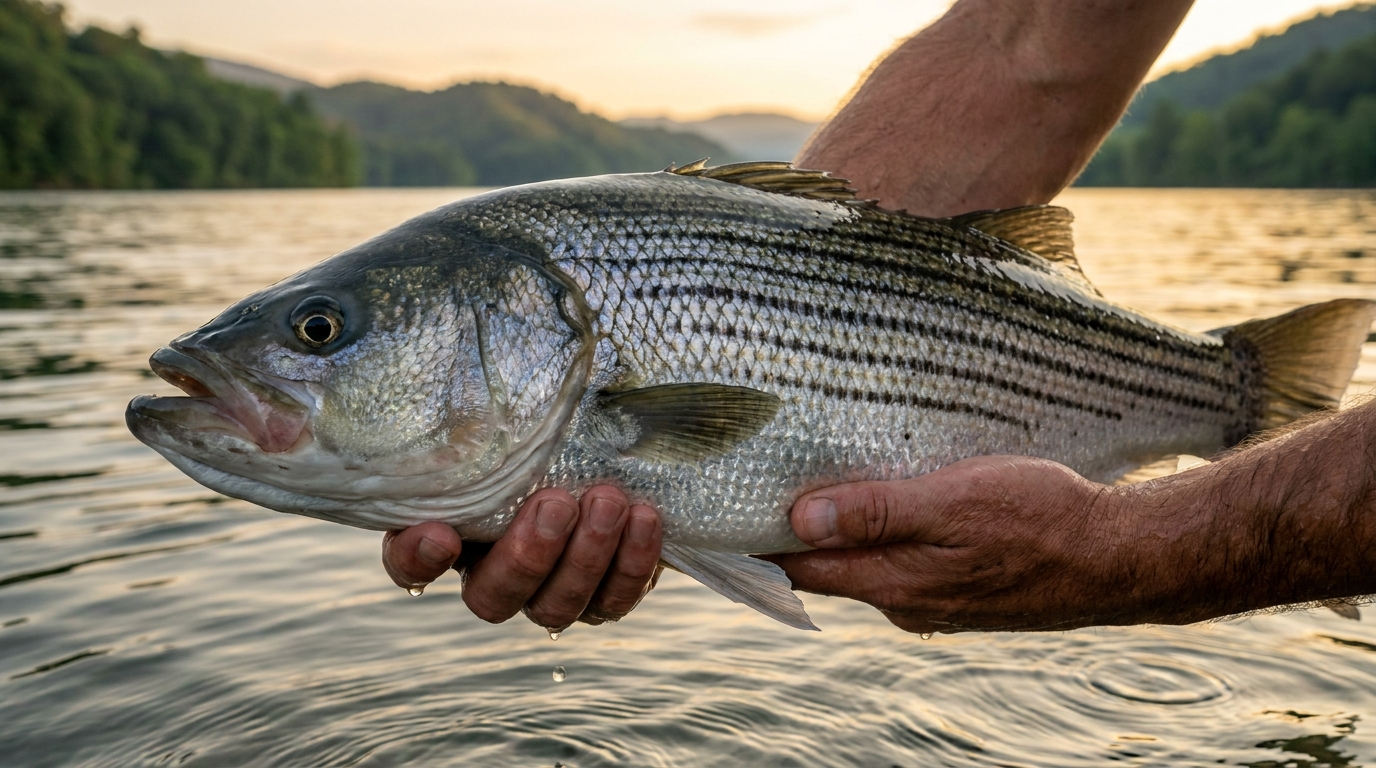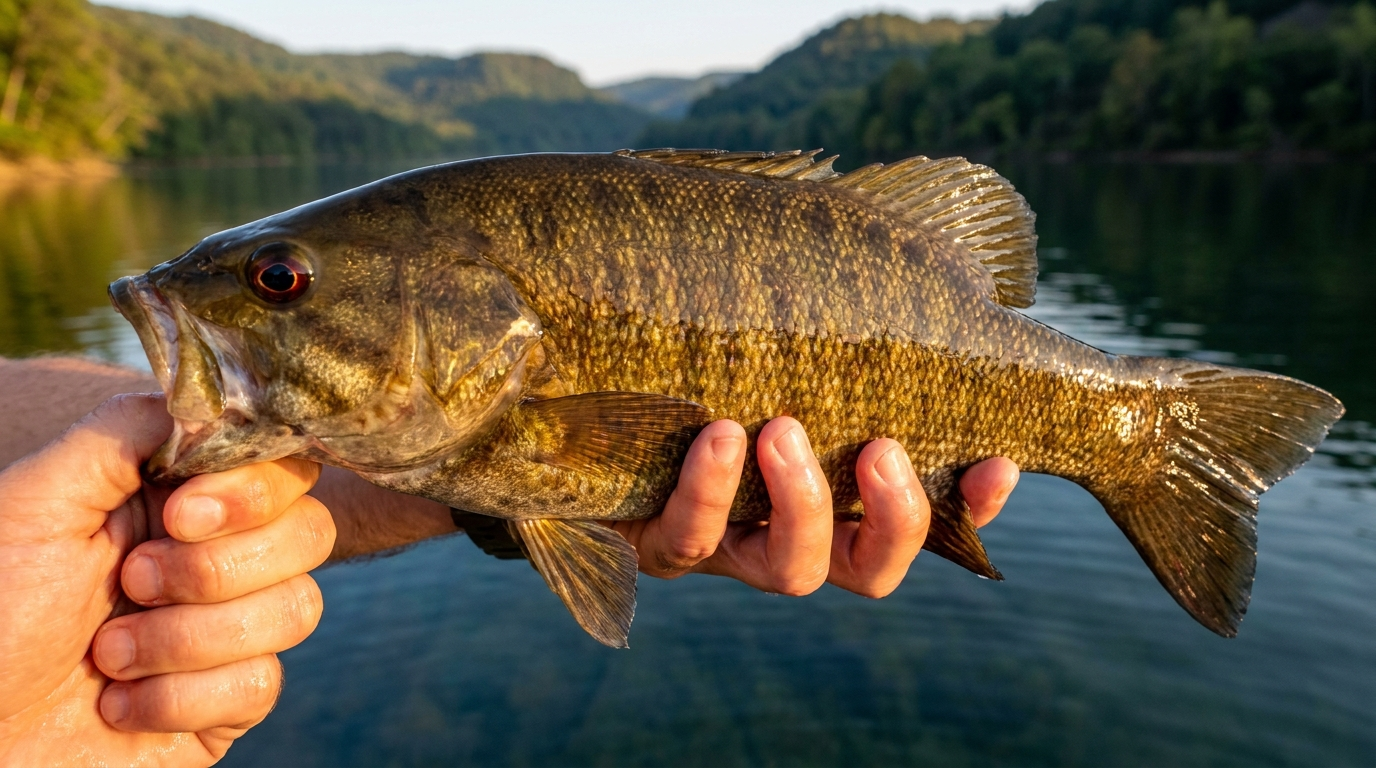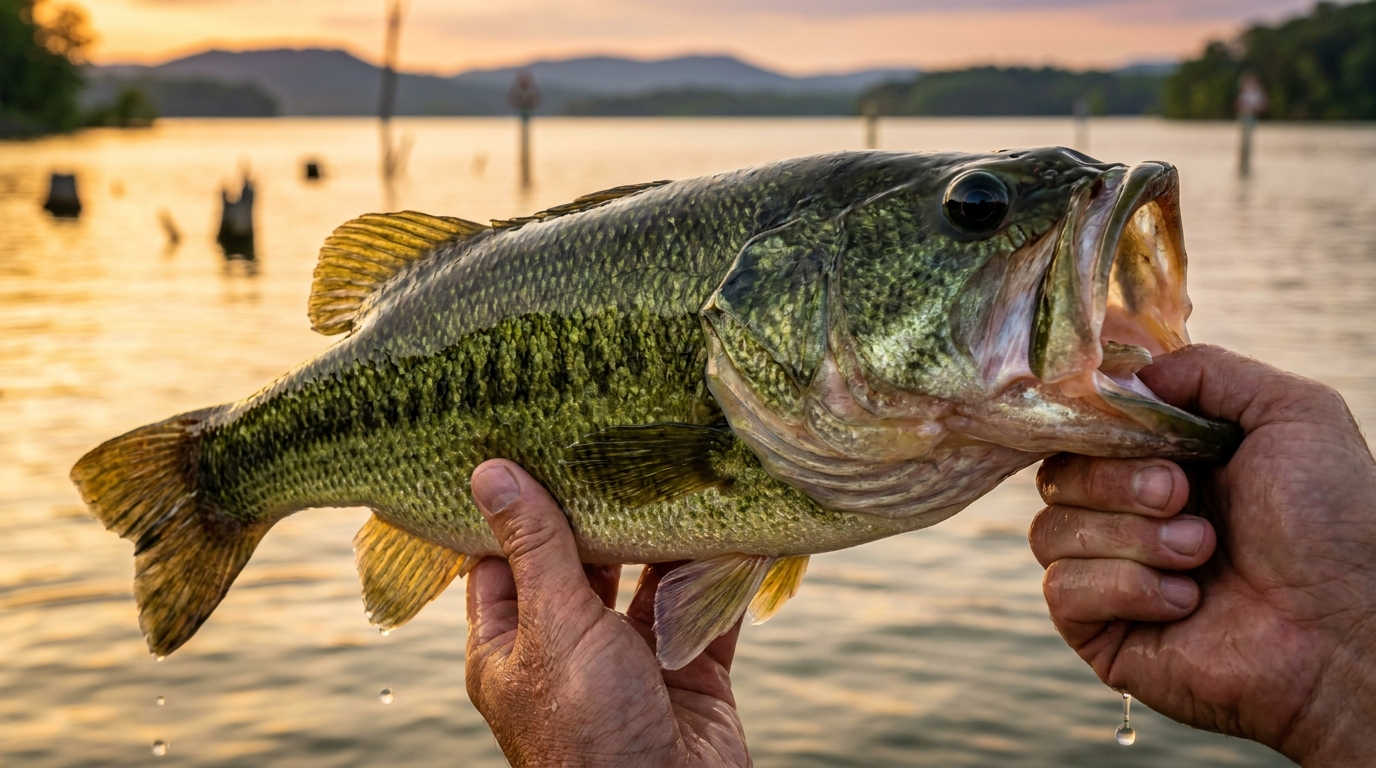
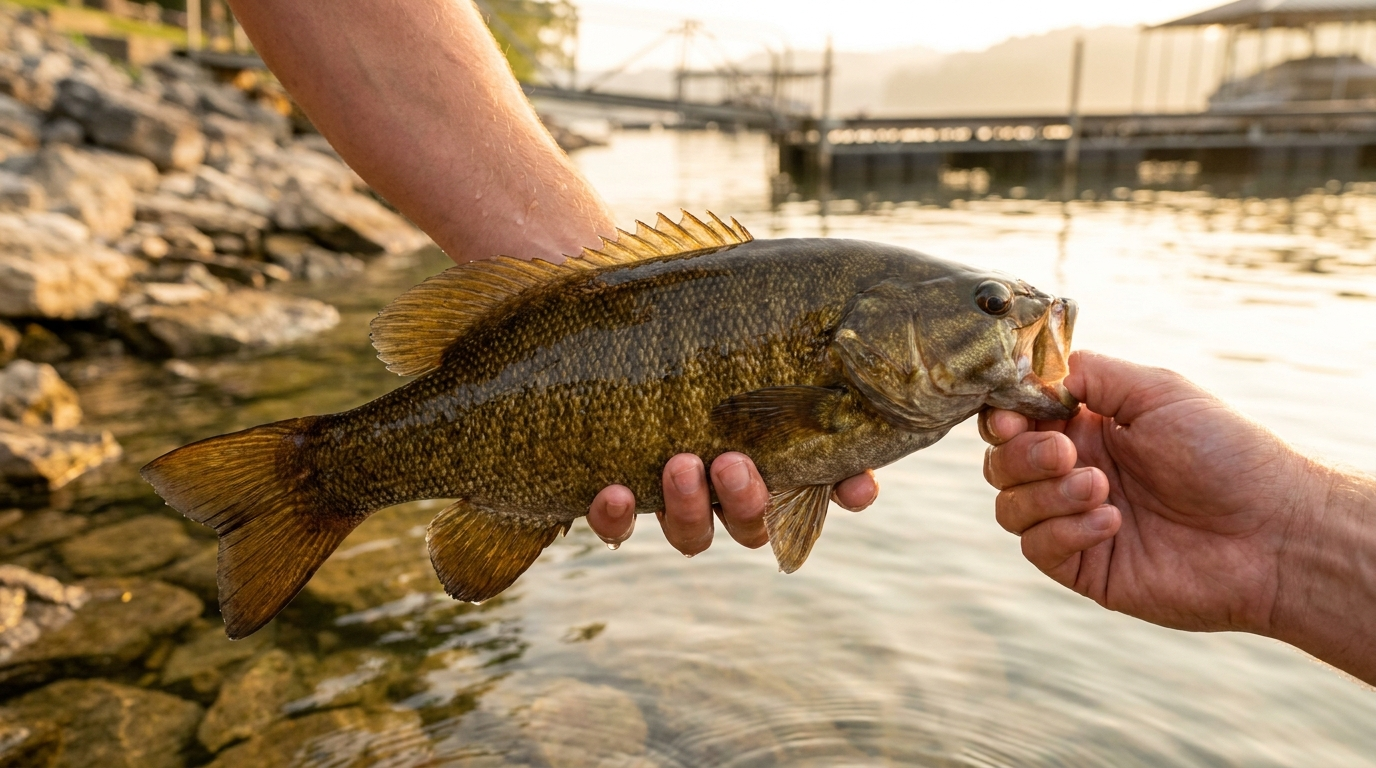
Percy Priest is the lake that Nashville has in its backyard. Ten miles from downtown, 14,200 acres on the Stones River, and quality largemouth and smallmouth bass in clear rocky water that you don't expect from a reservoir this close to a major city. The crappie fishing is consistent, the walleye fishery is underrated. TWRA manages the whole thing well. If I lived in Nashville this would be my home lake without question.
Today's Bite Score · October 8, 2026
Above average conditions worth planning a trip
🌘Waning Crescent
Percy Priest Lake Fishing Report
October FishingMonthly fishing report · October patterns and techniques
Percy Priest Lake in October presents changing conditions as water temperatures begin to cool from summer highs. In October, anglers are finding that the lake transitions into fall patterns, with fish becoming more active as temperatures moderate. The bite is picking up as baitfish move into different zones, and water clarity remains good for sight fishing in shallow areas during early morning and late afternoon hours.
Largemouth bass and crappie are among the most active species anglers are finding in October at Percy Priest Lake. Bass are holding in deeper structure as they prepare for cooler months ahead, though they still move into shallower areas during low-light periods to feed. Crappie activity increases this month as they gather in transition zones, making them a reliable target for patient anglers. Striped bass and white bass also become more aggressive as the water cools, positioning themselves around main lake points and deeper channels.
Anglers are finding success in October using live baitfish presentations along with artificial lures that mimic natural forage. Small shiners and shad work effectively for both crappie and bass when fished near structure and drop-offs. Jigs tipped with live bait produce consistent results this month, particularly in the 15 to 25-foot depth range where fish are congregating. Topwater and crankbait presentations remain productive during early morning hours when the bite is most active. Anglers targeting striped bass should focus on areas where creeks enter the main lake, as these transition zones concentrate feeding fish during October.
Get More Fishing Report Specifics
Tap a topic button below for a report on current conditions.
Tap a topic above to get a current report for Percy Priest Lake.
Answers are generated on demand and cached. No AI call fires until you tap a tab.
Percy Priest Lake Fishing Guides
Looking for a Percy Priest Lake fishing guide? The clear rocky water on Percy Priest puts smallmouth on very specific structure that takes real time to learn, and the largemouth in the creek arms move significantly with the season. Go here → to check out our recommended fishing guides for Percy Priest Lake. Then scroll down on that page to see all of the Percy Priest Lake fishing guides.
Percy Priest Lake Fishing Strategies by Species
Seasonal patterns and techniques by target species · Verified against official sources
Largemouth bass, smallmouth bass, crappie, spotted bass, channel catfish, flathead catfish, and walleye are the primary sport fish at J. Percy Priest Lake, a 14,200-acre U.S. Army Corps of Engineers reservoir on the Stones River in Davidson and Rutherford counties, Tennessee, approximately 10 miles east of downtown Nashville. J. Percy Priest Dam was completed in 1969. The lake features clear rocky water characteristic of the Middle Tennessee limestone country. TWRA regulations (verified): largemouth/smallmouth/spotted bass 15-inch minimum, 5-fish combined daily limit; striped bass and hybrid striped bass 15-inch minimum, 5-fish combined daily limit; crappie no minimum length, 30-fish daily limit; walleye and sauger 15-inch minimum, 10-fish combined daily limit; channel catfish no minimum, 10-fish daily limit; flathead catfish no minimum, 5-fish daily limit. Verify current regulations at tn.gov/twra before fishing.
Percy Priest Lake Largemouth Bass Fishing Report
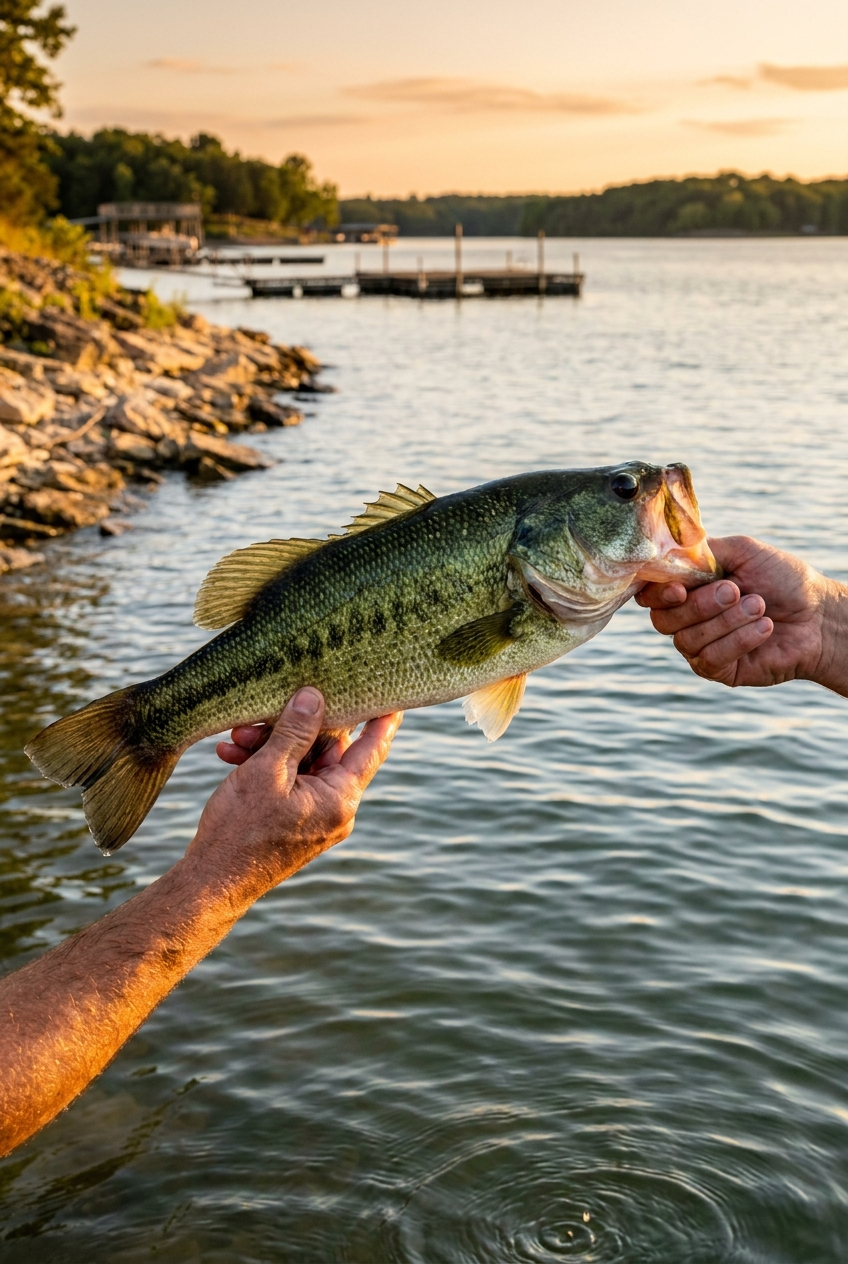
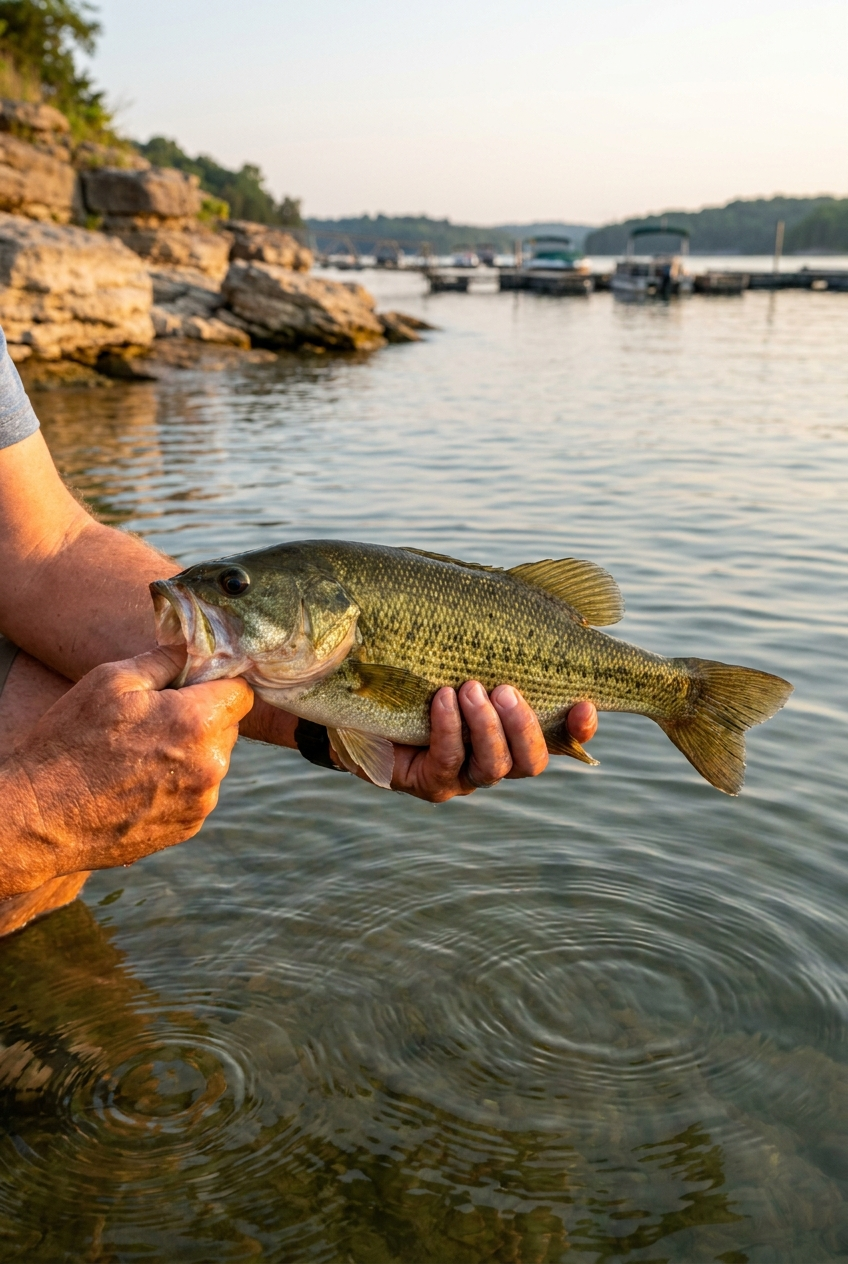
Largemouth bass at Percy Priest Lake are the primary sport fish target and provide year-round quality fishing in the clear reservoir water. The lake's rocky limestone structure, dock communities, and cove pockets all hold largemouth throughout the season. Verify current Tennessee largemouth bass regulations at tn.gov/twra before fishing. Spring is the peak season, with prespawn bass staging on the rocky main-lake points in March and April before moving into the protected coves to spawn in May. Crankbaits and spinnerbaits worked along rocky transitions and dock lines produce consistent spring bass. The clear Percy Priest water rewards finesse presentations — drop shots and shaky heads on the rocky main-lake structure produce fish year-round. Summer largemouth hold on dock shade and deeper rocky transitions in 12 to 20 feet. Fall crankbait fishing on the main-lake points produces active feeding fish through October.
Percy Priest Lake Smallmouth Bass Fishing Report
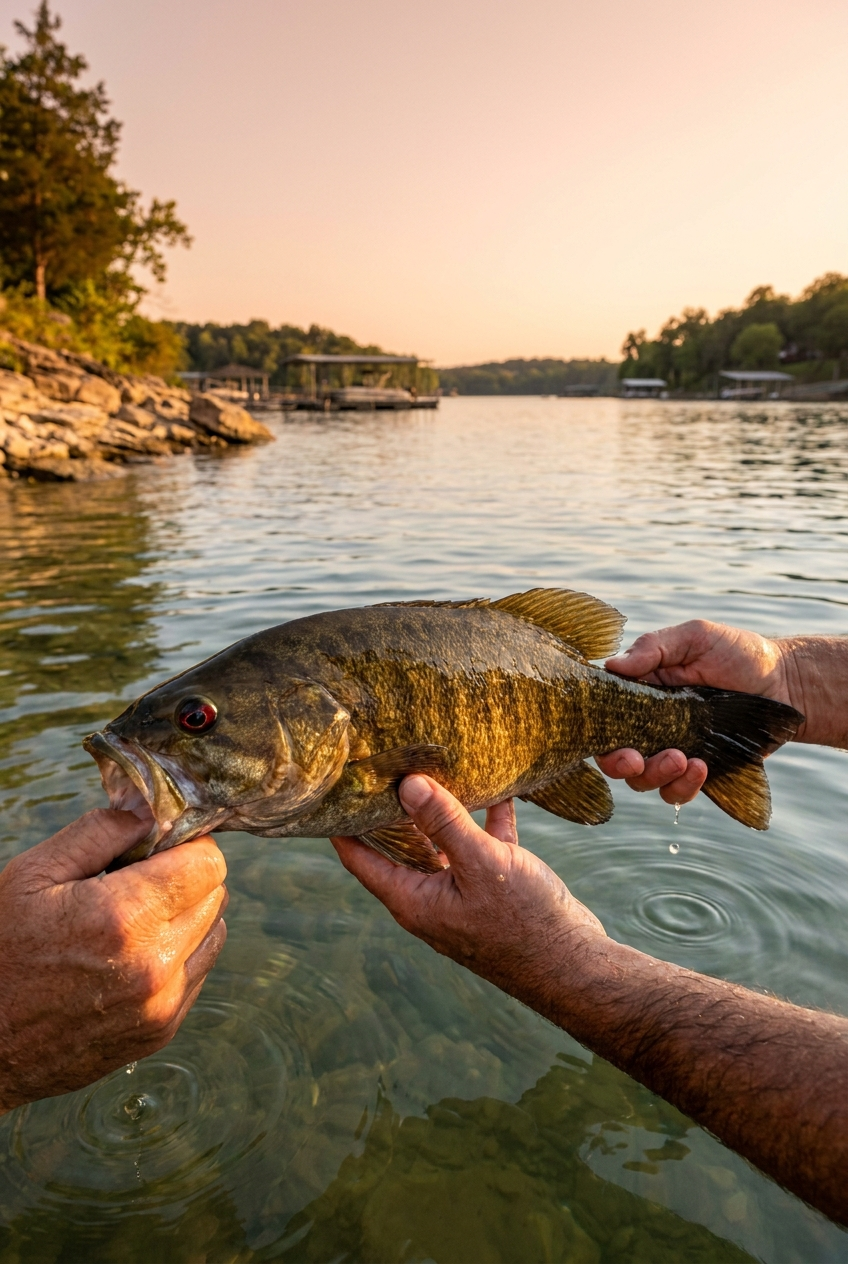
Smallmouth bass thrive in Percy Priest's clear water and rocky limestone structure, making this one of the better smallmouth lakes in Middle Tennessee. Fish are distributed along the rocky main-lake banks, submerged limestone points, and the upper Stones River arm. Verify current Tennessee bass regulations at tn.gov/twra before fishing. Tube jigs, drop shots, and small crankbaits worked along rocky bank transitions and submerged limestone ledges in 5 to 20 feet produce consistent smallmouth throughout the season. Spring smallmouth fishing peaks in April and May as fish move to gravel and rock spawning areas adjacent to the deeper rocky structure. The upper Stones River arm holds excellent smallmouth habitat in the moving-water transitions. Fall smallmouth are aggressive feeders along the main-lake rocky points through November.
Percy Priest Lake Crappie Fishing Report
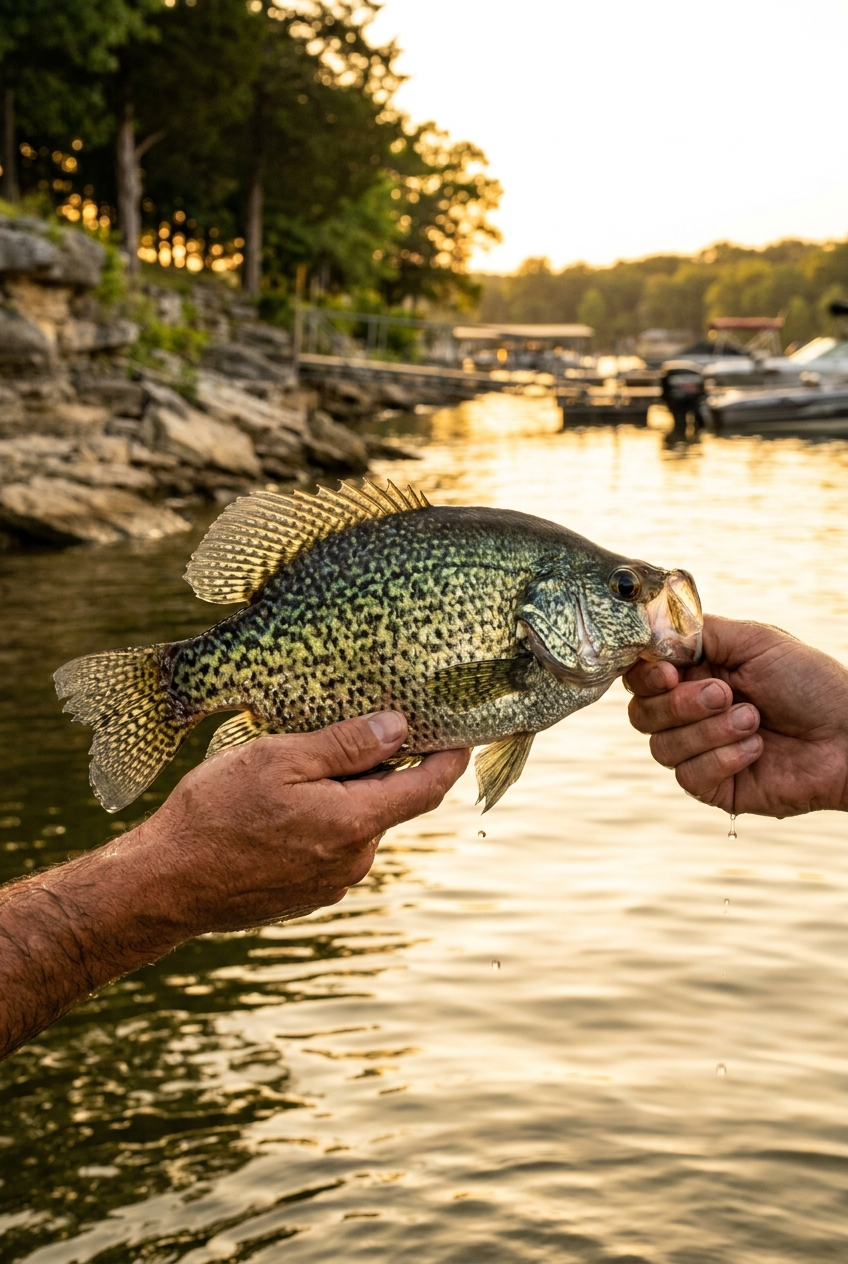
Crappie at Percy Priest Lake are a consistent secondary fishery around brush piles, dock structure, and the submerged timber in the upper lake arms. Both black and white crappie are present. Verify current Tennessee crappie regulations at tn.gov/twra before fishing. Spring crappie fishing peaks in March and April as fish move into the dock pilings and brush piles at 5 to 10 feet. Small tube jigs and crappie jig-minnow combinations worked vertically around the submerged brush and dock pilings produce reliable catches. The USACE has placed fish attractors at marked locations around the lake that concentrate crappie year-round. Summer crappie suspend in 15 to 25 feet below the dock structure and are accessible with slow vertical presentations. Fall crappie return to the brush and dock structure and provide consistent action through December.
Percy Priest Lake Spotted Bass Fishing Report
Spotted bass are present throughout Percy Priest Lake alongside largemouth and smallmouth, adding variety to the bass fishery. Spotted bass prefer harder substrate and current-influenced areas similar to smallmouth. Verify current Tennessee bass regulations at tn.gov/twra before fishing — spotted bass are typically counted within the combined black bass daily bag limit. Tube jigs and finesse presentations worked along rocky main-lake transitions and channel edges produce spotted bass mixed with smallmouth. The upper Stones River arm and the rocky main-channel sections hold the best spotted bass concentrations. Spring is the peak spotted bass season as fish move shallow to spawn near rocky structure.
Percy Priest Lake Channel Catfish Fishing Report
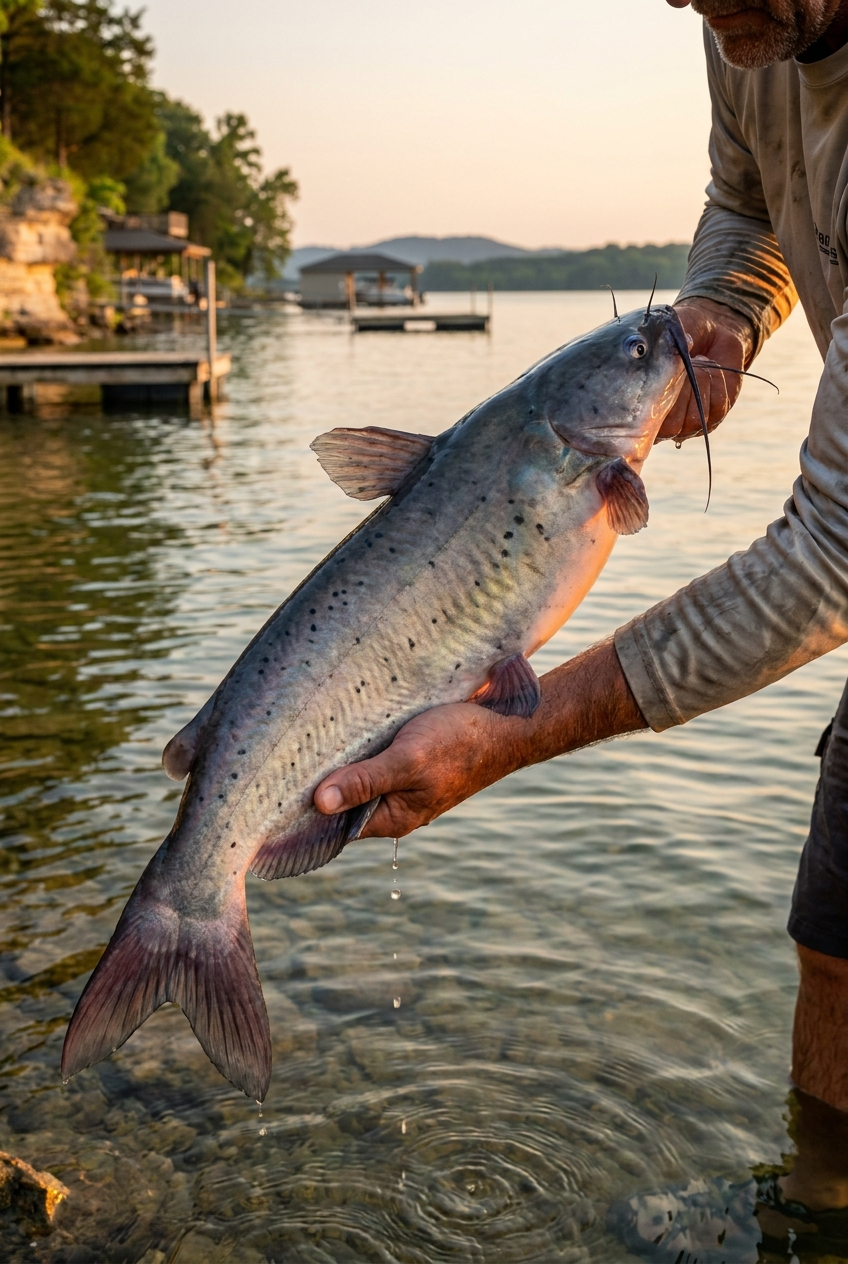
Channel catfish are distributed throughout Percy Priest Lake in the cove bottoms and the Stones River channel. The lake provides consistent bank fishing for catfish at the numerous USACE public access areas. Verify current Tennessee catfish regulations at tn.gov/twra before fishing. Cut shad and prepared catfish baits fished on the bottom near the Stones River inflow area and the main channel transitions produce consistent channel catfish. Summer night fishing from the USACE boat ramps and bank access areas around the lake is the primary catfish approach.
Percy Priest Lake Walleye Fishing Report
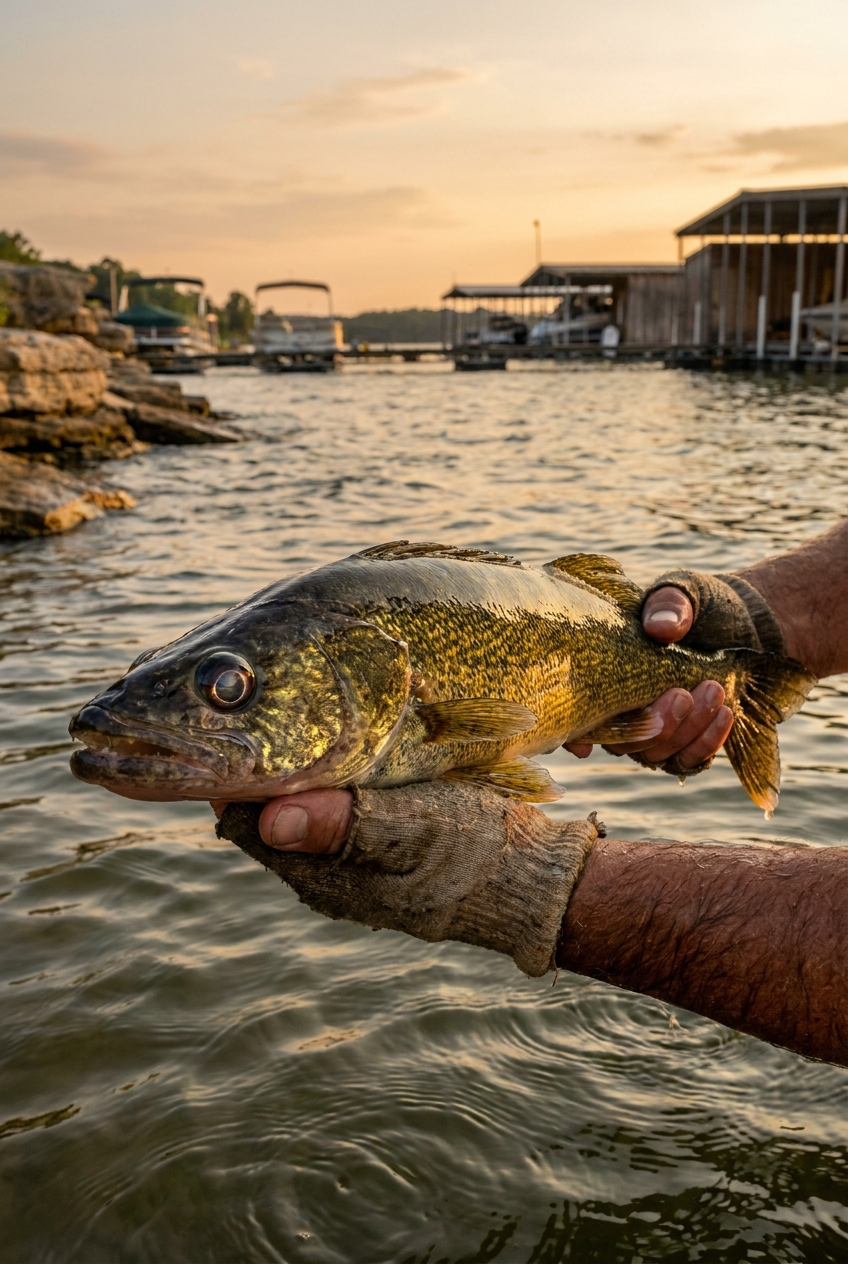
Walleye are an underappreciated fishery at Percy Priest Lake, with fish present in the main Stones River channel and the deeper rocky transitions of the main lake. The clear water and rocky limestone structure provide suitable habitat. Verify current Tennessee walleye regulations at tn.gov/twra before fishing. Jigs tipped with minnows and crankbaits worked along the main channel and rocky transition areas in 15 to 30 feet produce walleye, particularly during the March through May peak season. Night fishing is most productive during warm months when walleye move from deep daytime positions to feed in shallower water along the rocky structure. The upper Stones River arm and the main channel throughout the reservoir hold the most consistent walleye concentrations.
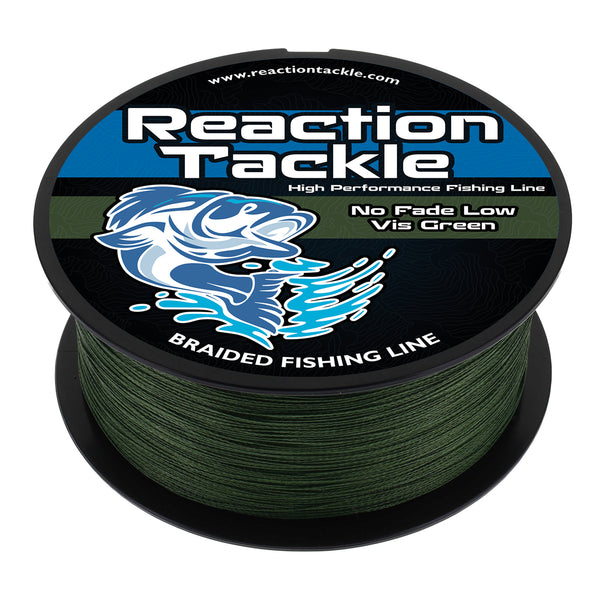
For fishing heavy cover after Largemouth Bass, I run 50-65lb braid. Zero stretch means you feel every bite and you can pull fish out of structure before they wrap you. Reaction Tackle is where I restock. Their low-vis green disappears in most water conditions.
Top Fish to Target in Percy Priest Lake
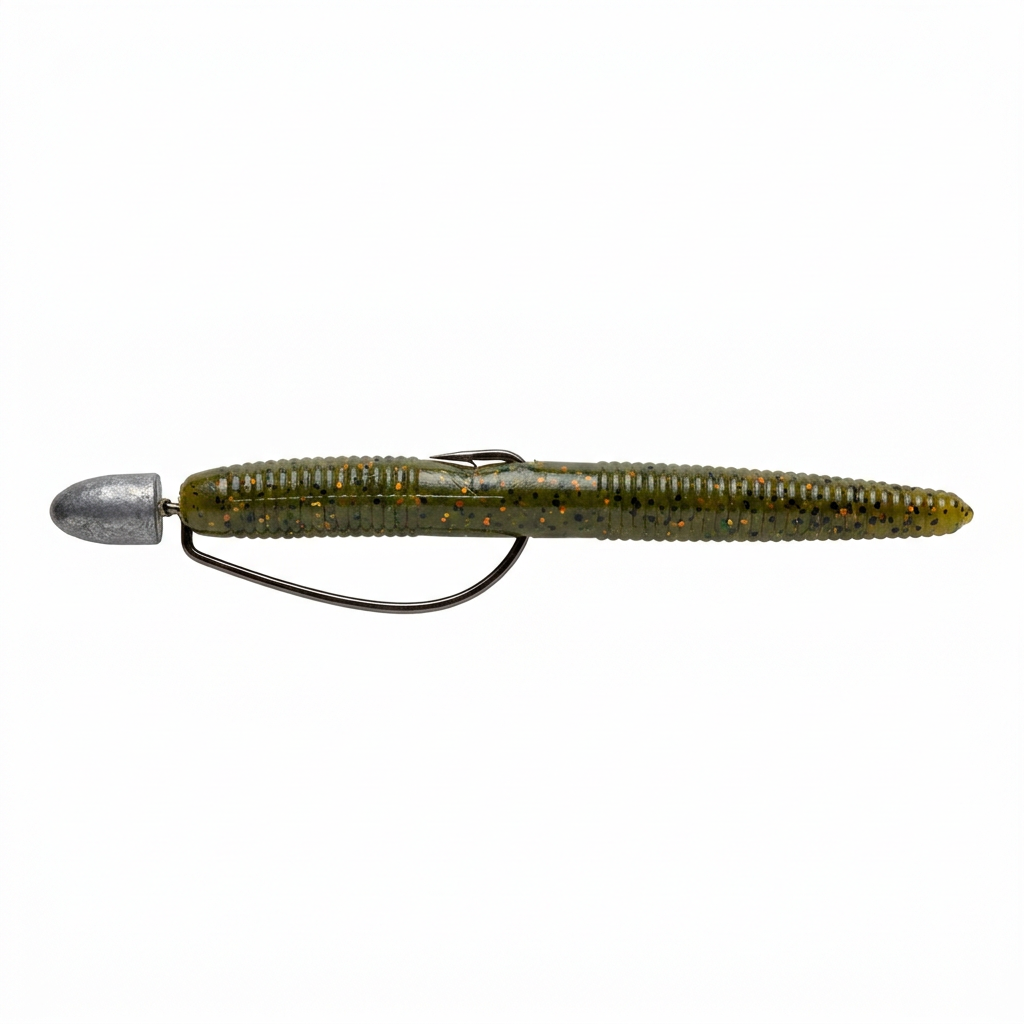
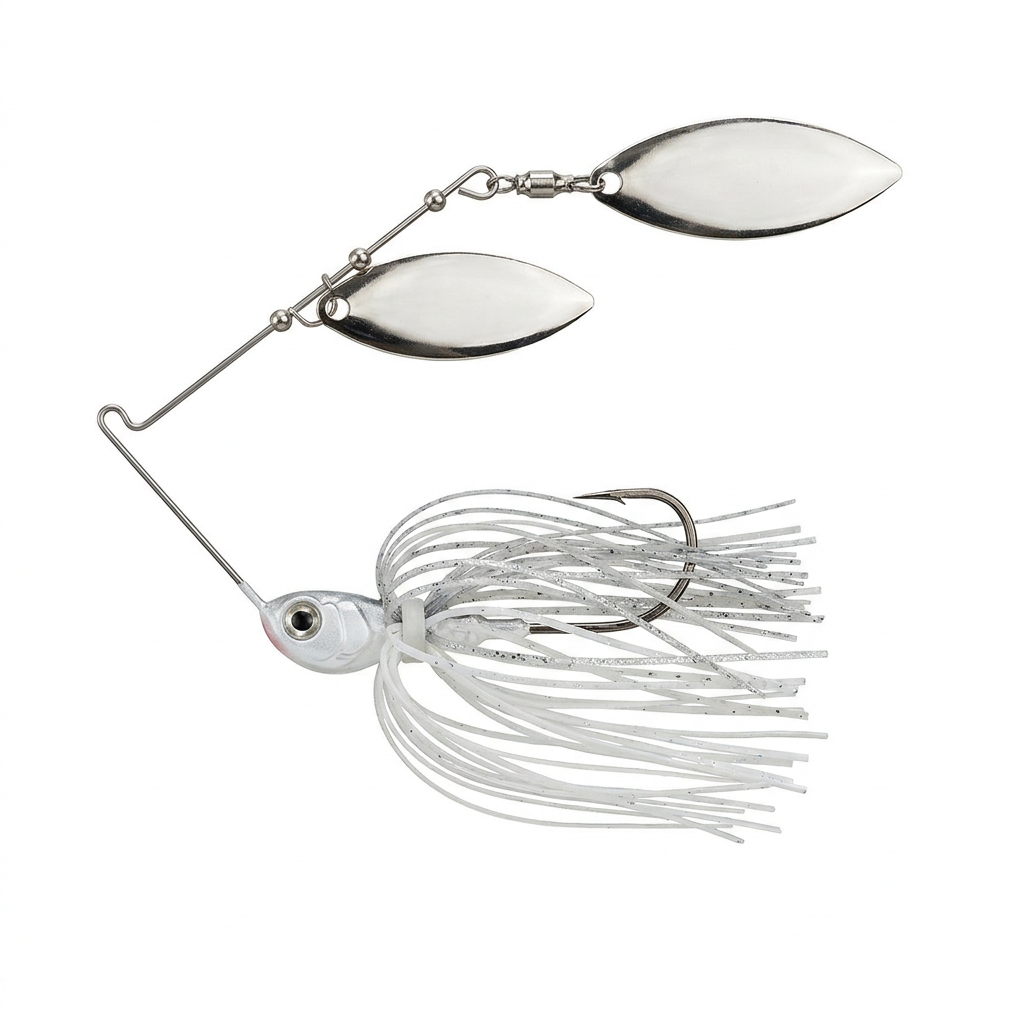
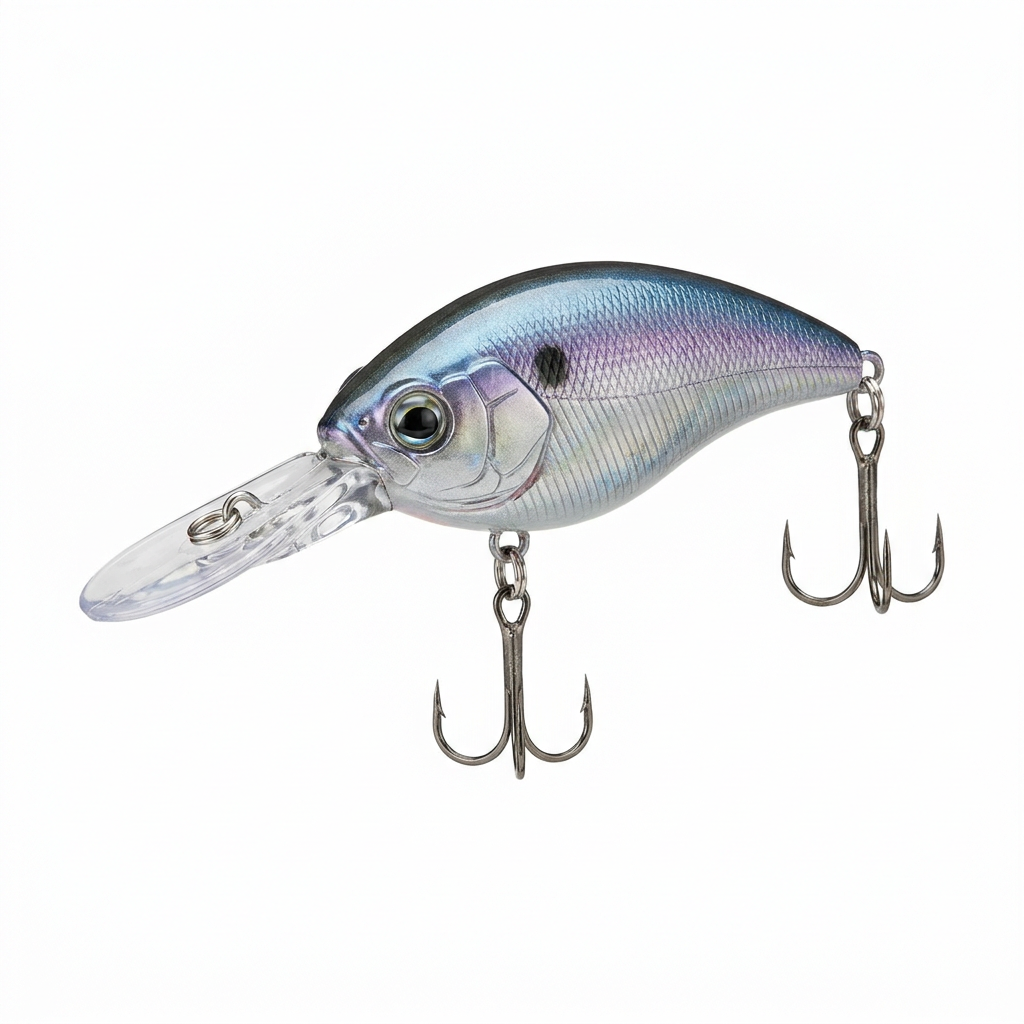
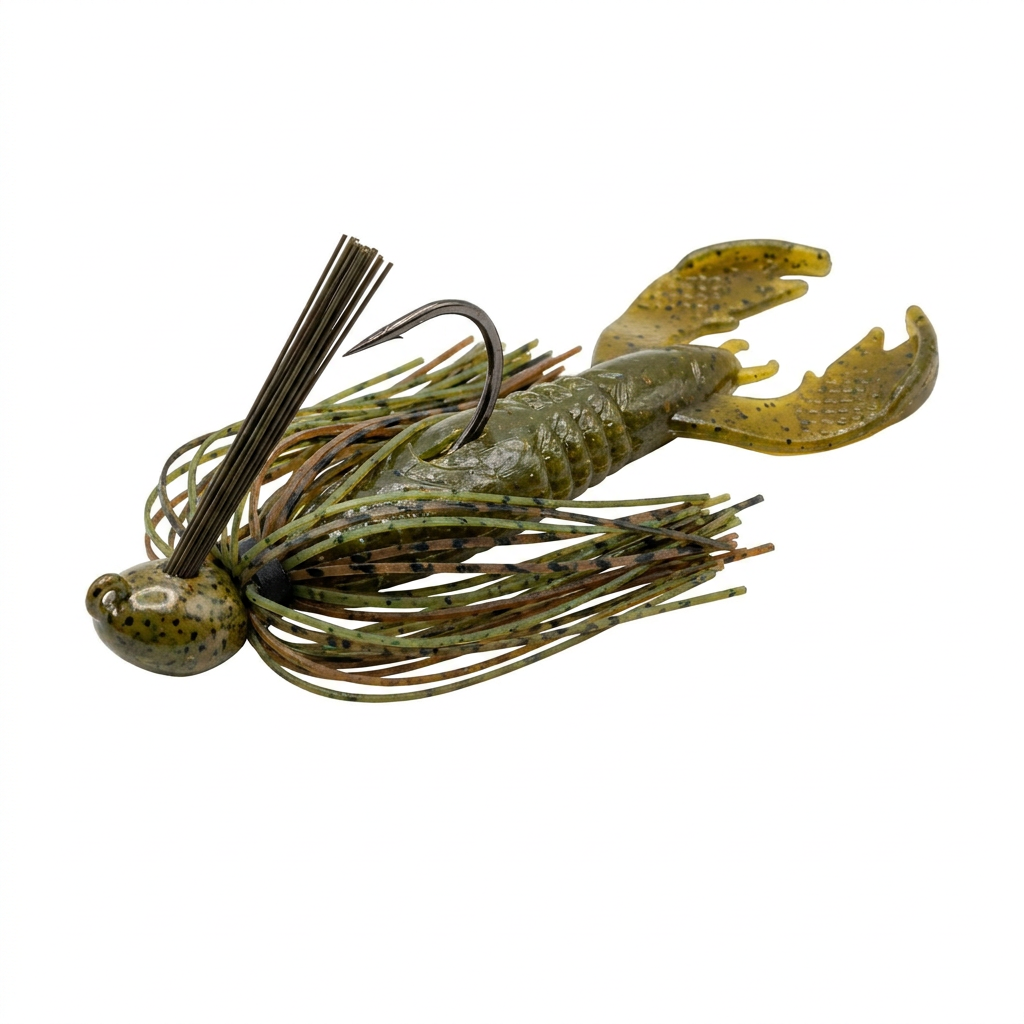
Lures for Percy Priest Lake
Tackle matched to this lake's species and structure.
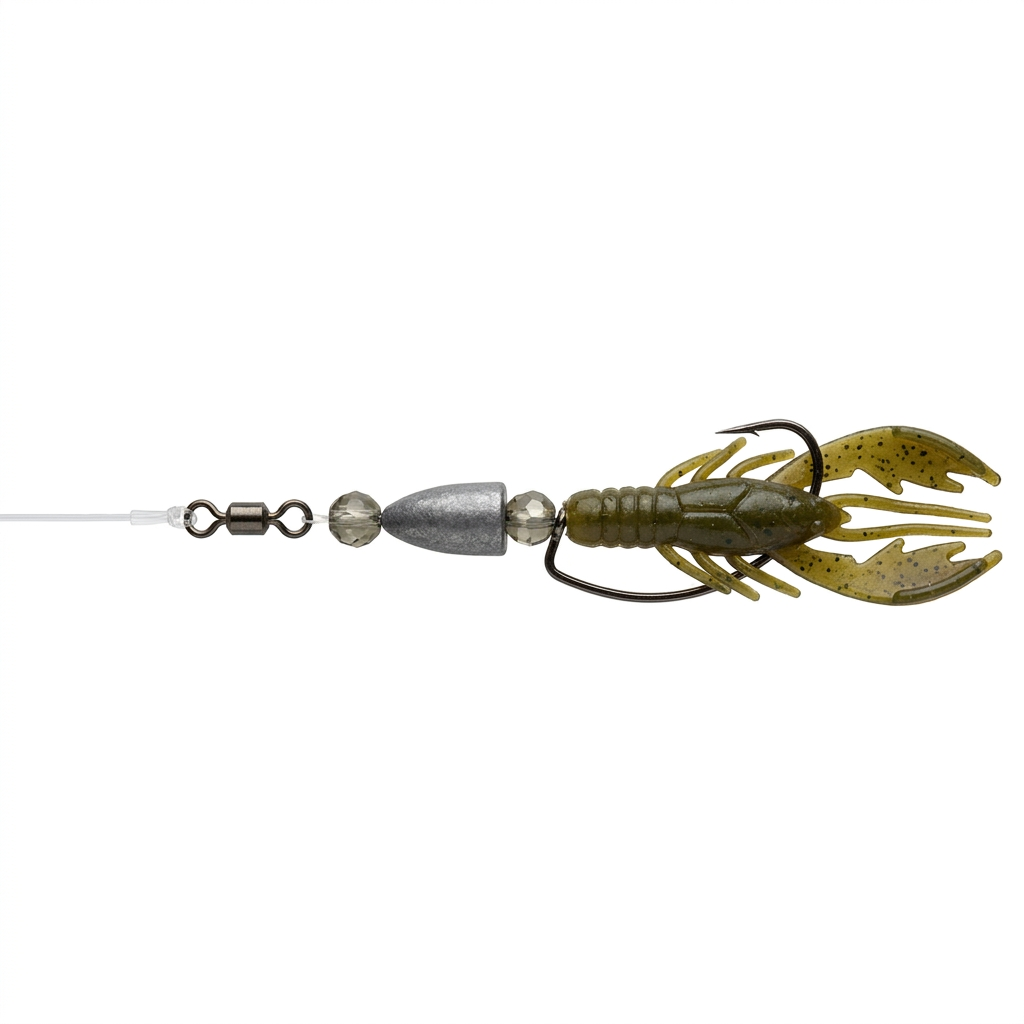
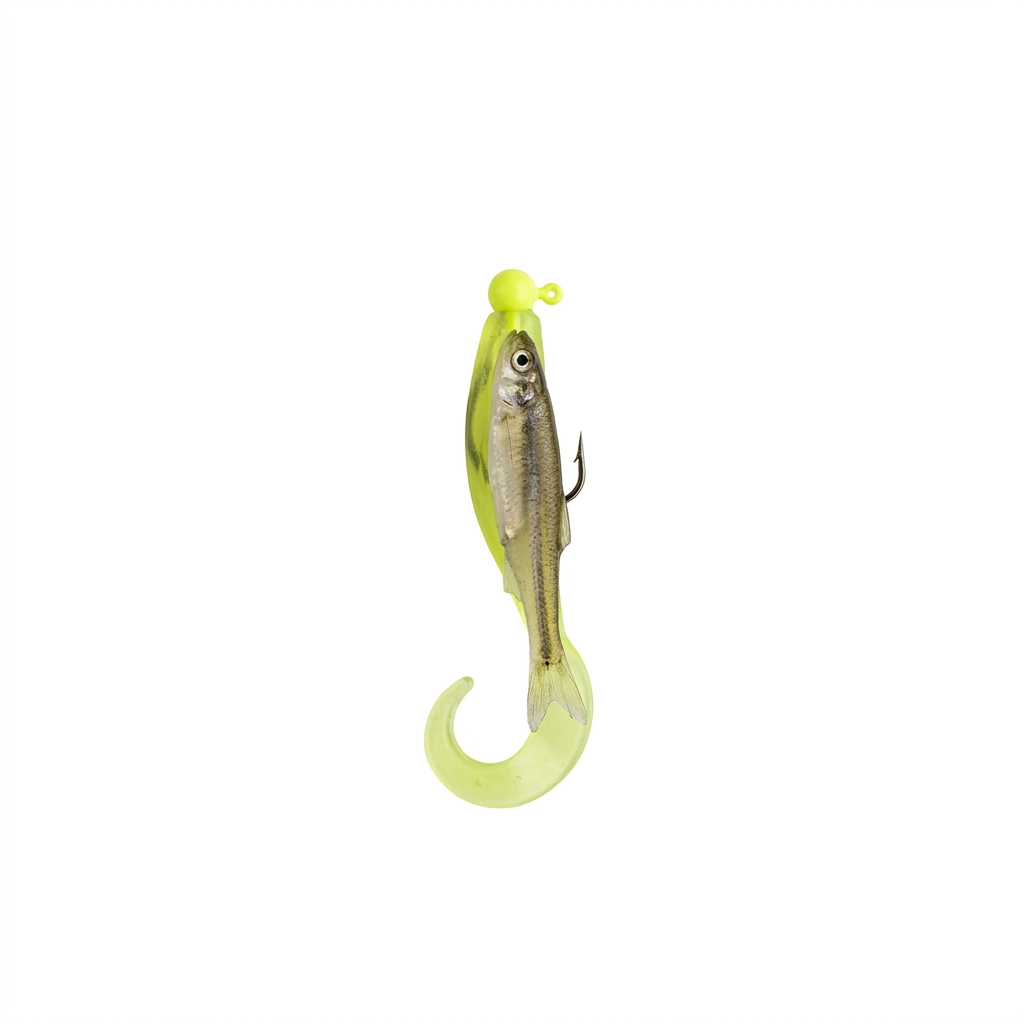
Worth checking before any trip: your line. Old braid gets brittle at the tag end and loses sensitivity over time. I rotate mine every season. Reaction Tackle is where I order from when it's time to restock.
About Percy Priest Lake
Percy Priest Lake is Nashville's home lake and one of the most accessible quality reservoirs in Middle Tennessee. The USACE completed J. Percy Priest Dam on the Stones River in 1969, creating 14,200 acres of clear limestone-country water approximately 10 miles from downtown Nashville. The largemouth and smallmouth bass fishing in the clear rocky water is significantly better than the proximity to a major metro would suggest. The crappie fishery is consistent, and the walleye population goes largely unpressured by most local anglers. This is a lake that rewards anyone willing to learn its structure.
Nashville access. Percy Priest Lake's position 10 miles from downtown Nashville is its defining characteristic as a fishing destination. Multiple USACE public access areas, boat ramps, and day-use areas are distributed around the lake with easy highway access from I-40 and I-24. The combination of proximity, water quality, and multi-species fishing puts Percy Priest in a category of urban reservoir that rarely exists in most markets.
Clear water tactics. Percy Priest's Tennessee limestone geology produces characteristically clear water that demands finesse bass fishing approaches. Drop shots, shaky heads, and smaller finesse presentations on light line outperform heavy power fishing in most conditions. The water clarity also makes sight fishing for spawning bass a real option in the protected coves in April and May.
Lake size and location. Percy Priest Lake covers approximately 14,200 acres at normal pool with a maximum depth of approximately 100 feet at J. Percy Priest Dam. The lake spans Davidson and Rutherford counties. Nashville is the primary gateway approximately 10 miles to the west. The lake is accessible from I-40 (Stewarts Ferry Pike exit) and I-24. The dam is adjacent to the Hermitage area of Nashville.