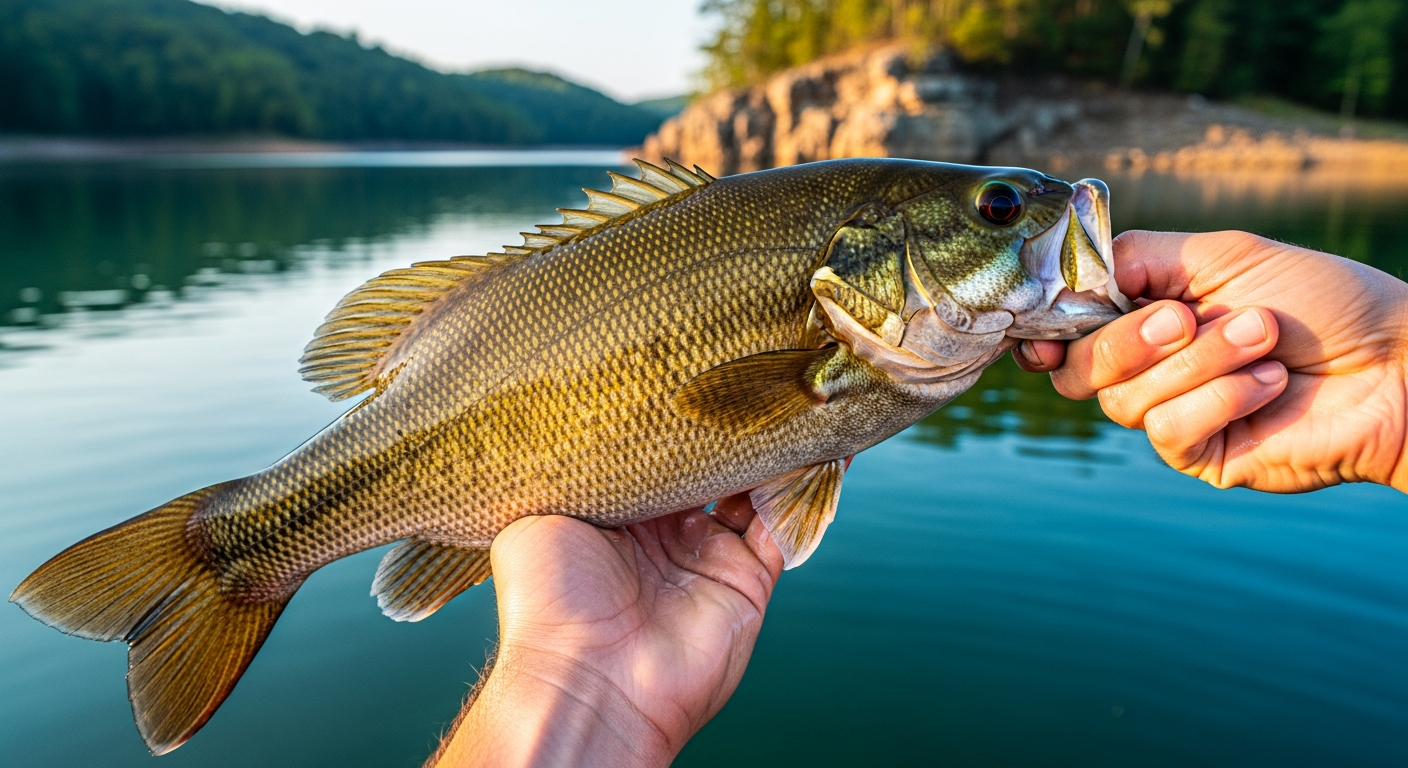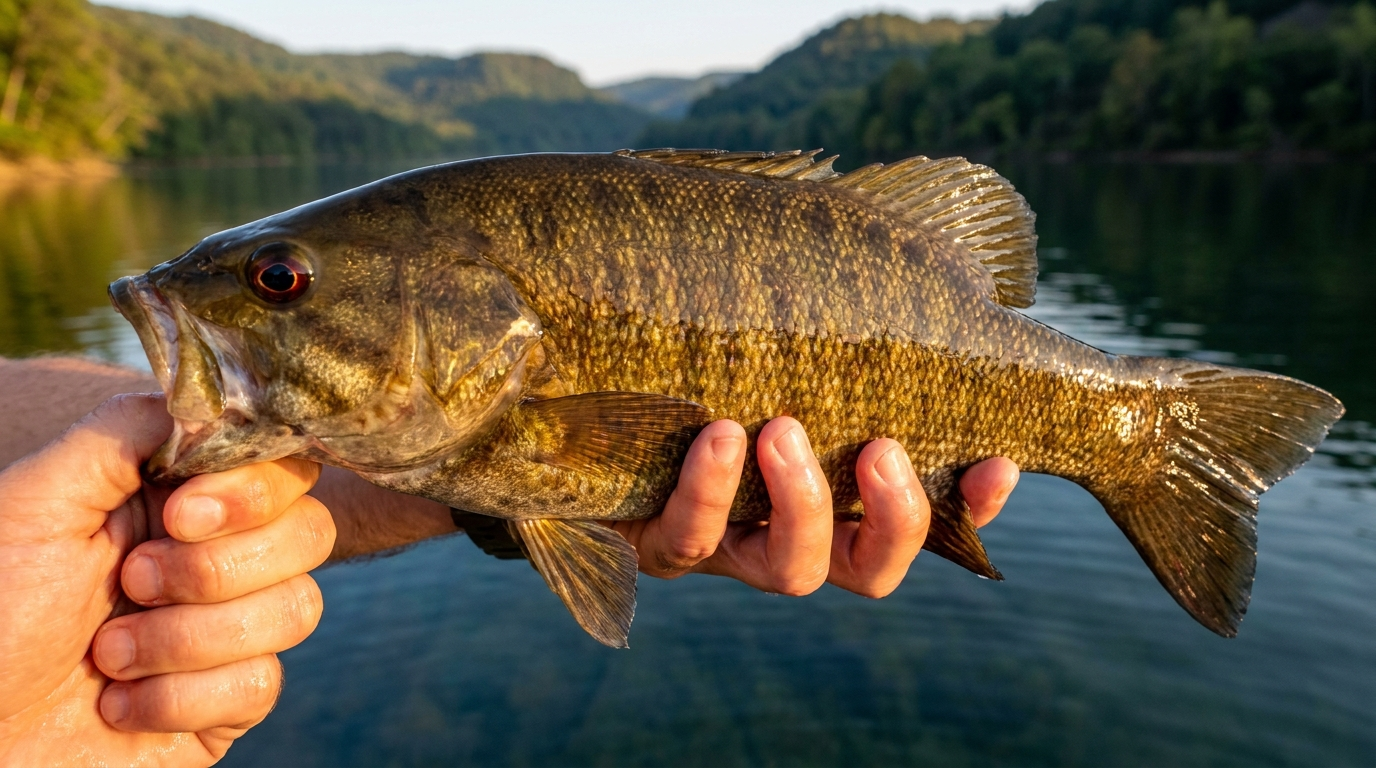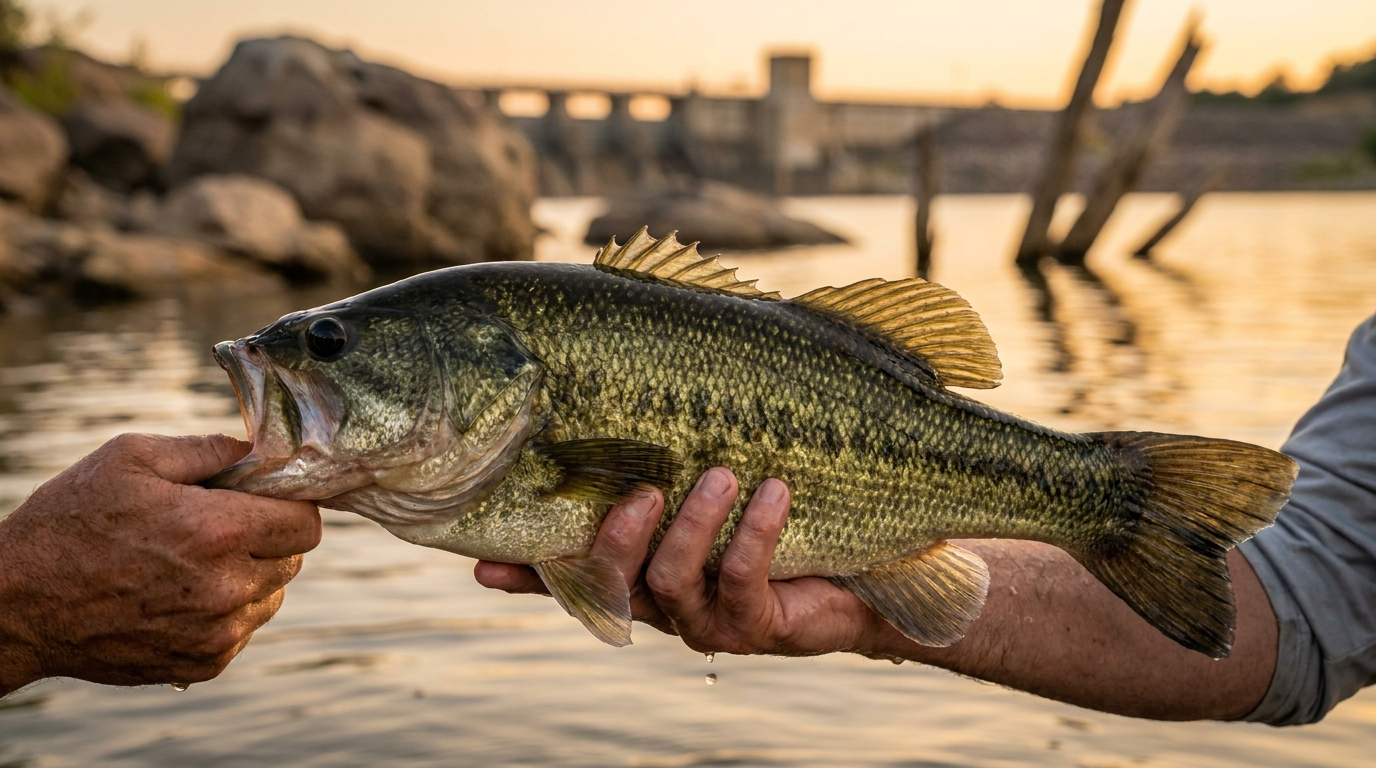
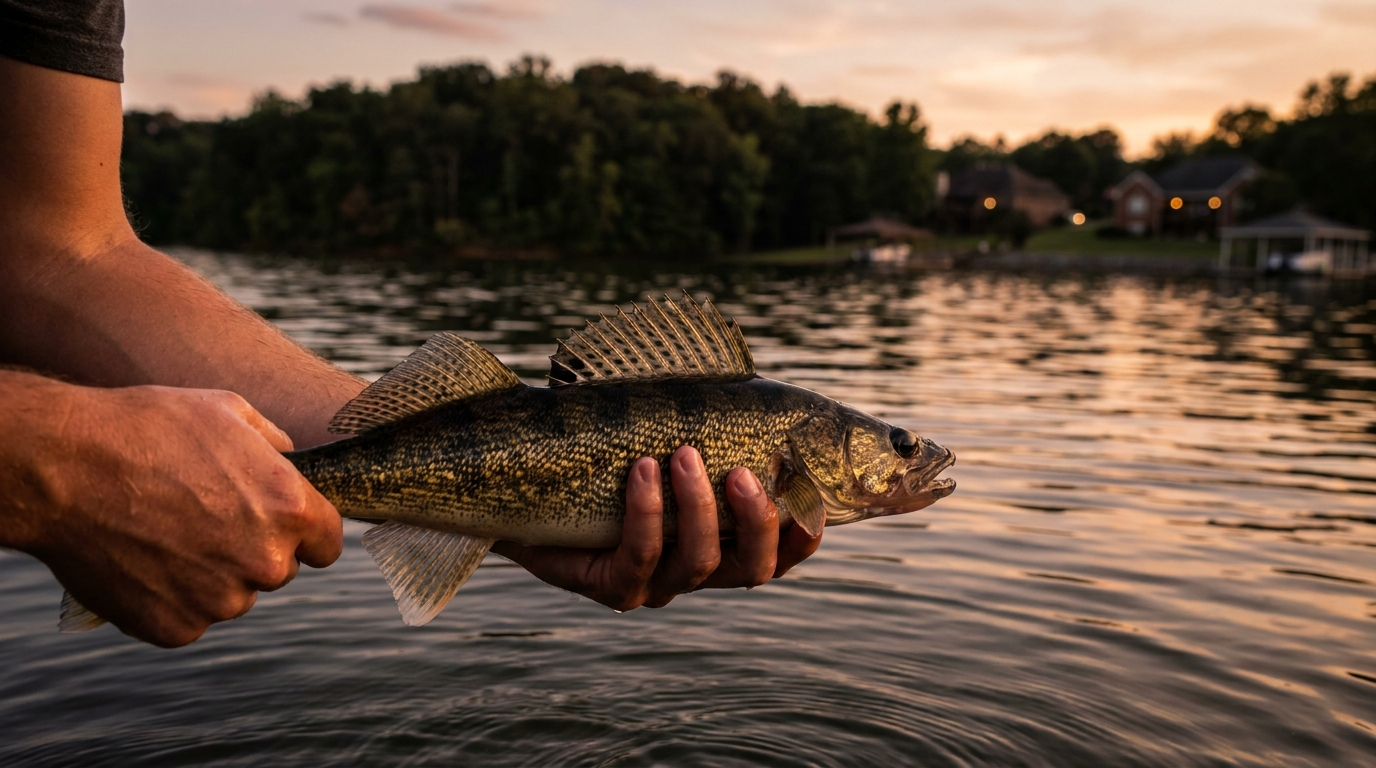
Old Hickory Lake is the reservoir the Nashville metro crowd uses, and that convenience factor does not hurt the fishing at all. The sauger fishing below the dam during winter is the kind of thing you do not expect from a suburban Tennessee reservoir. Crappie in the coves, sauger in the tailwater, largemouth throughout the structure - this is a solid multi-species fishery that happens to be 20 minutes from downtown Nashville.
Today's Bite Score · October 8, 2026
Above average conditions worth planning a trip
🌘Waning Crescent
Old Hickory Lake Fishing Report
October FishingMonthly fishing report · October patterns and techniques
Old Hickory Lake is experiencing cooling water temperatures this month as autumn settles into Tennessee, and anglers are finding that fish behavior is shifting accordingly. The lake's deeper structure is becoming increasingly important to fishing success in October, as species begin to move away from shallow spawning areas and summer haunts. Water clarity remains good in most sections, providing anglers with decent visibility for sight-fishing opportunities, though early morning and late afternoon periods continue to offer the most productive windows.
In October, largemouth bass and crappie are among the most active species at Old Hickory Lake. Anglers are finding bass relating to channel ledges, rocky points, and deeper vegetation edges as water temperatures drop. Crappie are also responding well this month, moving toward deeper water structure and holding around submerged timber and brush piles where they'll continue to congregate through the cooler months ahead. Both species are feeding more aggressively as the bite is strong during transitional periods in the early morning and late evening.
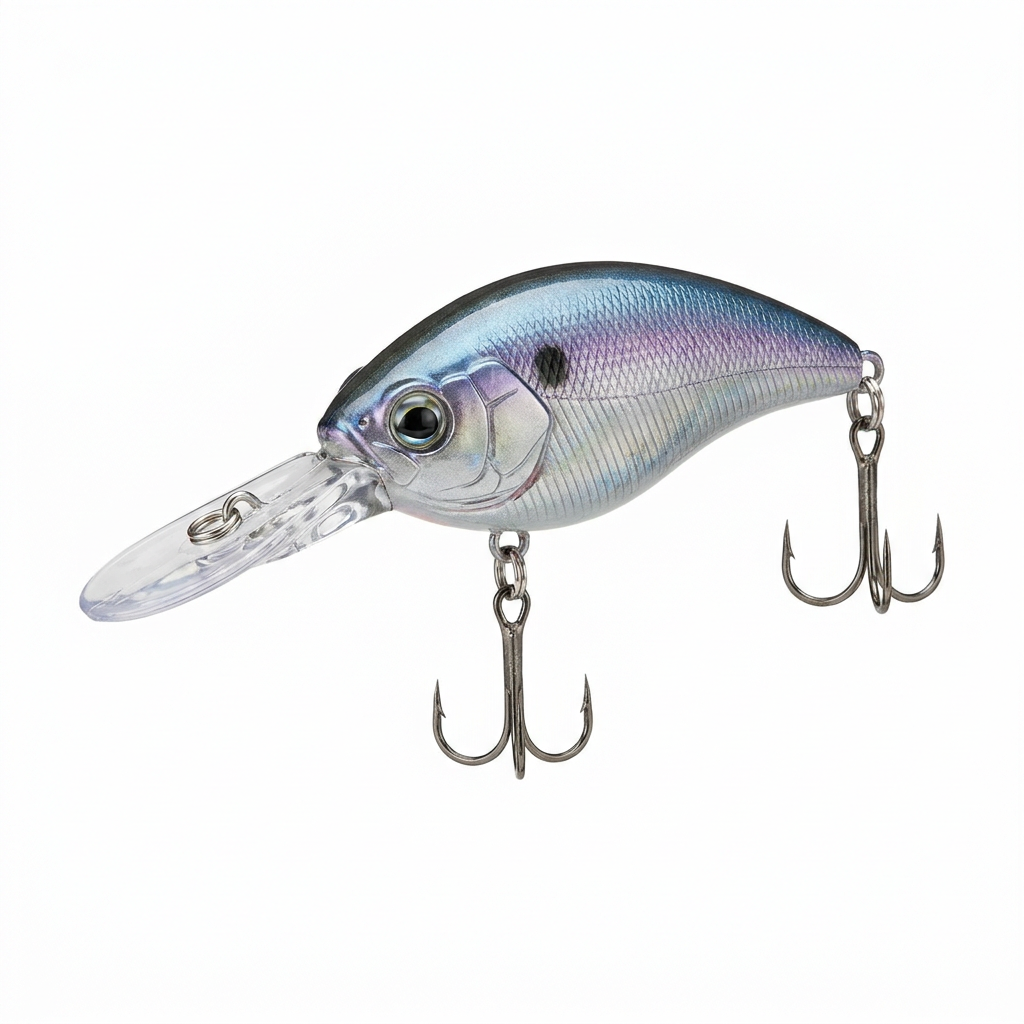
Anglers pursuing bass in October should focus on deeper presentations around structure, using crankbaits and soft plastics that reach the depths where fish are holding. Live bait presentations, particularly shiners and shad, continue to be effective for targeting both bass and crappie. Small jigs tipped with live minnows are producing well for crappie anglers working the deeper holes and timber-laden areas of the lake. Patience and vertical presentations near structure will reward anglers this month at Old Hickory Lake.
Get More Fishing Report Specifics
Tap a topic button below for a report on current conditions.
Tap a topic above to get a current report for Old Hickory Lake.
Answers are generated on demand and cached. No AI call fires until you tap a tab.
Old Hickory Lake Fishing Guides
Looking for a Old Hickory Lake fishing guide? The sauger fishery below the dam and the crappie in the coves both have tight windows and specific locations — guides here know exactly when and where to be on this Cumberland River reservoir. Go here → to check out our recommended fishing guides for Old Hickory Lake. Then scroll down on that page to see all of the Old Hickory Lake fishing guides.
Old Hickory Lake Fishing Strategies by Species
Seasonal patterns and techniques by target species · Verified against official sources
Largemouth bass, crappie, sauger, striped bass, channel catfish, and bluegill are the primary sport fish at Old Hickory Lake, a 22,500-acre TVA reservoir on the Cumberland River in Davidson, Wilson, Sumner, and Trousdale counties, Tennessee, northeast of Nashville. Old Hickory Dam was completed in 1954. The lake serves as one of the primary fisheries for the Nashville metro area, with extensive dock structure, cove habitat, and a productive sauger and striper fishery concentrated near the dam. Tennessee Wildlife Resources Agency regulations apply. Verify current regulations at tn.gov/twra before fishing.
Old Hickory Lake Largemouth Bass Fishing Report
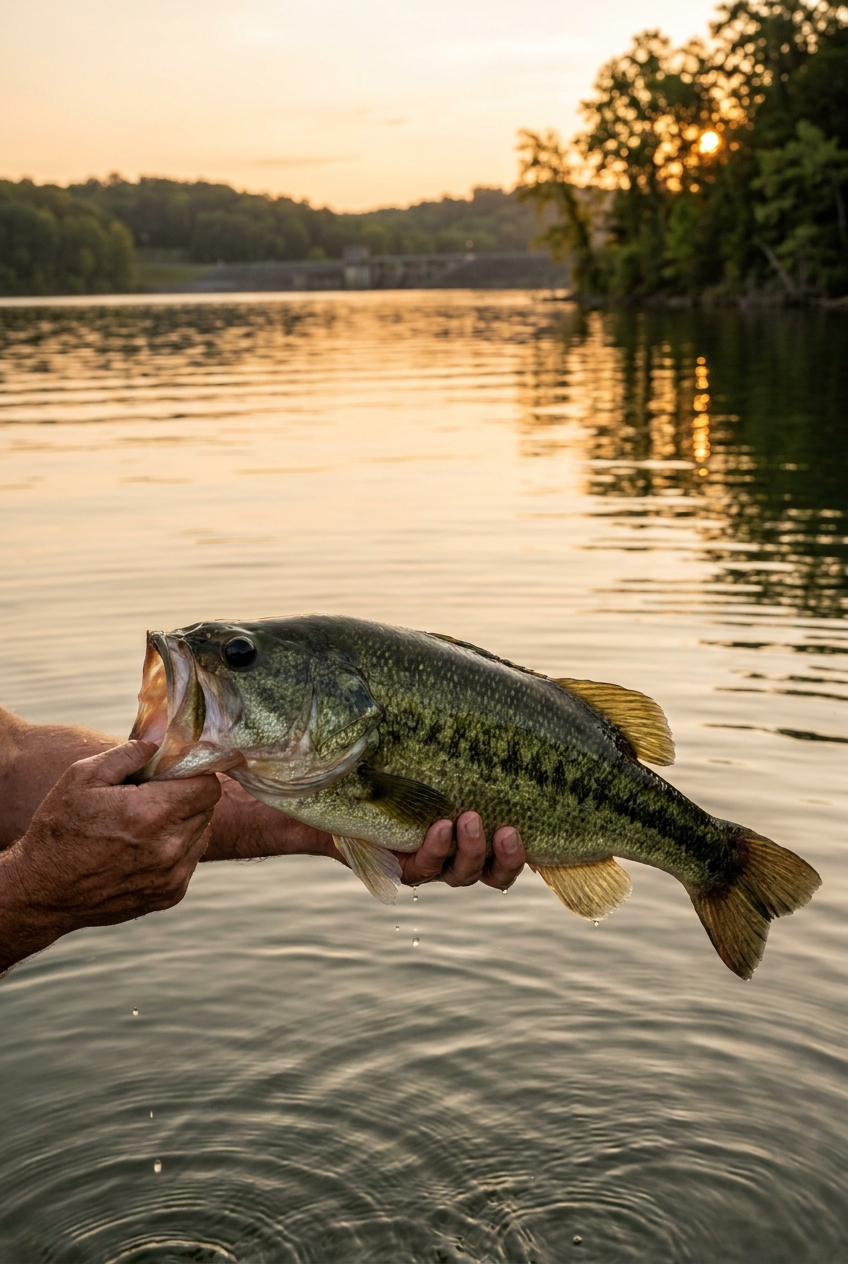
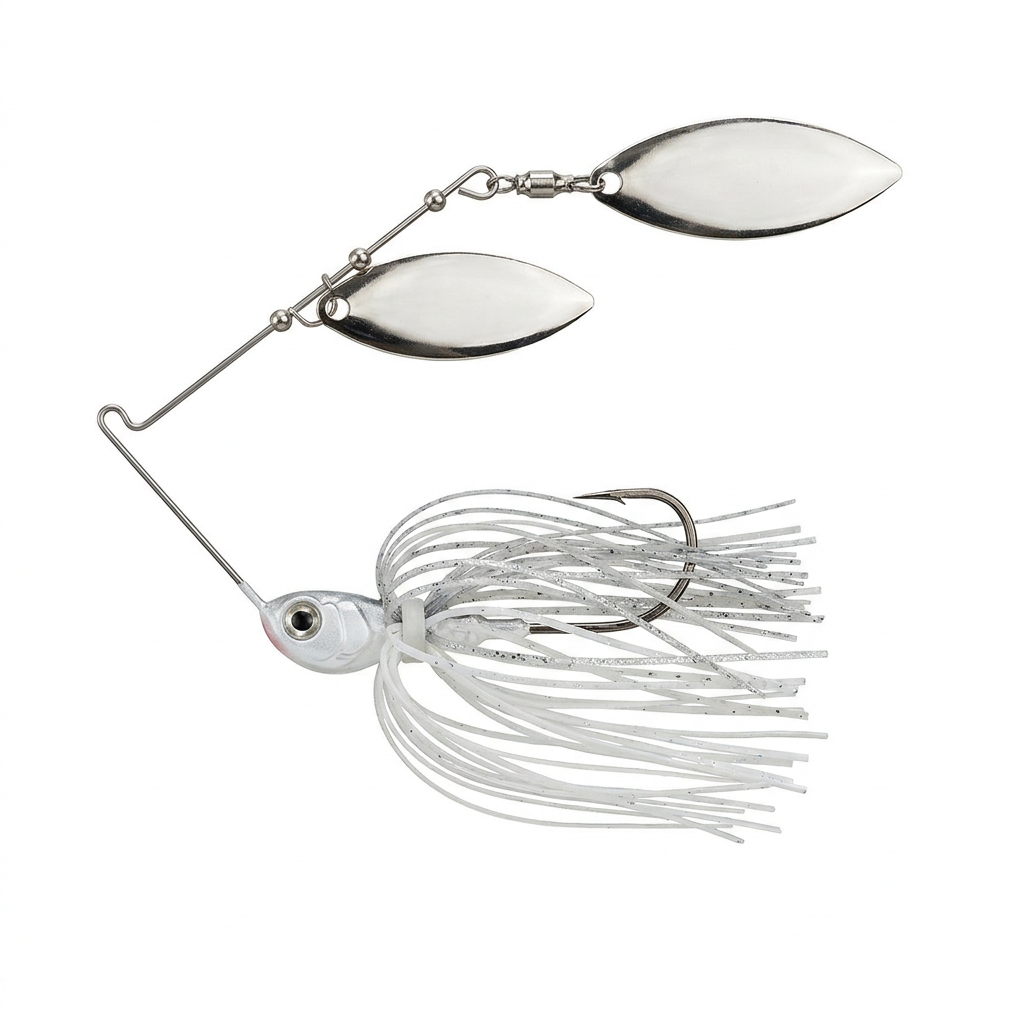
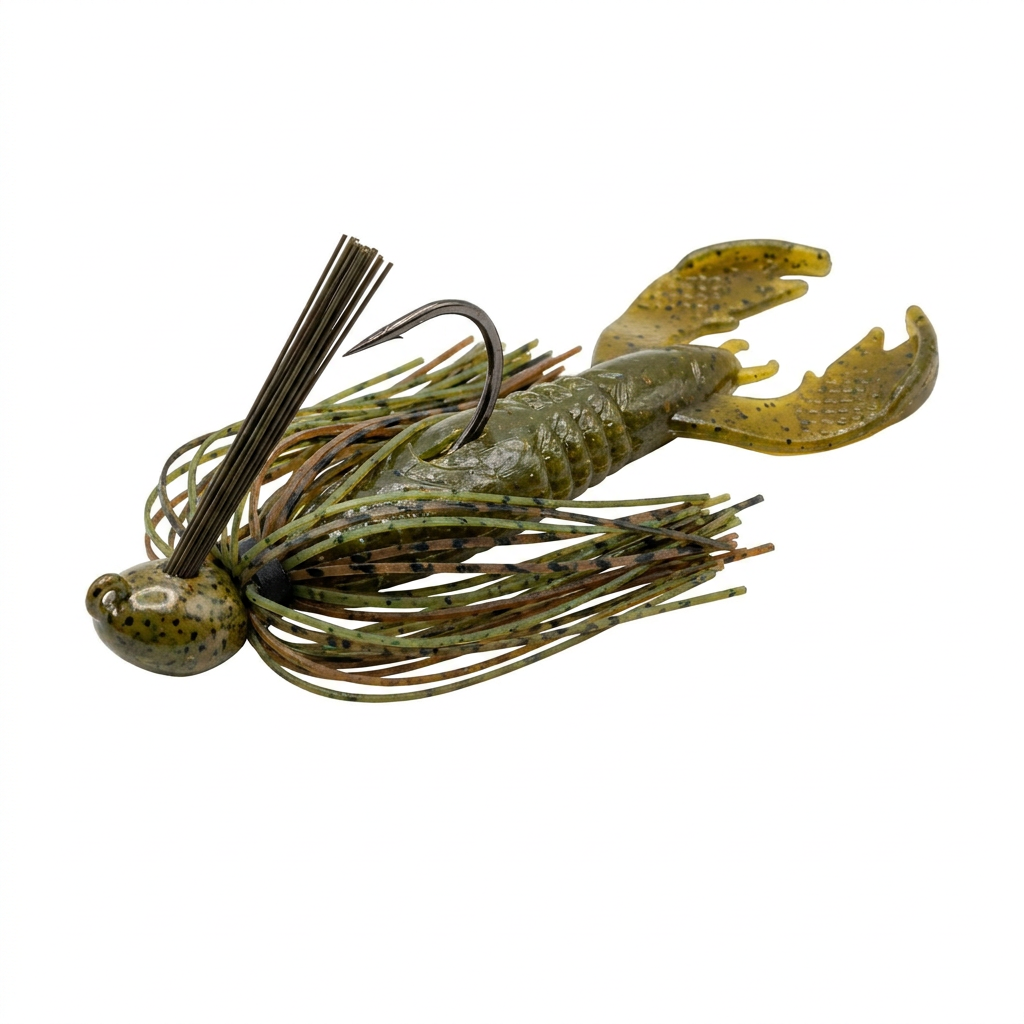
Largemouth bass are distributed throughout Old Hickory Lake in the extensive dock structure, submerged brush, cove timber, and rock riprap that lines the Cumberland River banks. The reservoir's proximity to Nashville has led to heavy dock development along much of the shoreline, creating consistent largemouth holding habitat. Spinnerbaits and jigs around dock pilings, Texas-rigged worms in the submerged brush, and crankbaits on the channel-adjacent rock riprap produce bass throughout the year. Tennessee TWRA standard black bass regulations apply: 12-inch minimum size limit, 5-fish combined daily bag for all black bass species. Verify current regulations at https://www.tn.gov/twra/fishing/fishing-regulations.html before fishing. Spring is the primary largemouth season at Old Hickory Lake. Prespawn fish stage on the dock lines and channel-edge structure at 6 to 12 feet from late March before moving into the tributary coves to spawn in April. Hendersonville coves, the Drakes Creek arm, and the Station Camp Creek arm all provide productive spawning habitat. Summer bass hold in 12 to 20-foot dock structure and brush piles during midday and become more active in the early morning along the riprap banks. Fall produces a strong crankbait bite on the main-lake points and cove entrances as bass chase shad through October and November.
Old Hickory Lake Crappie Fishing Report
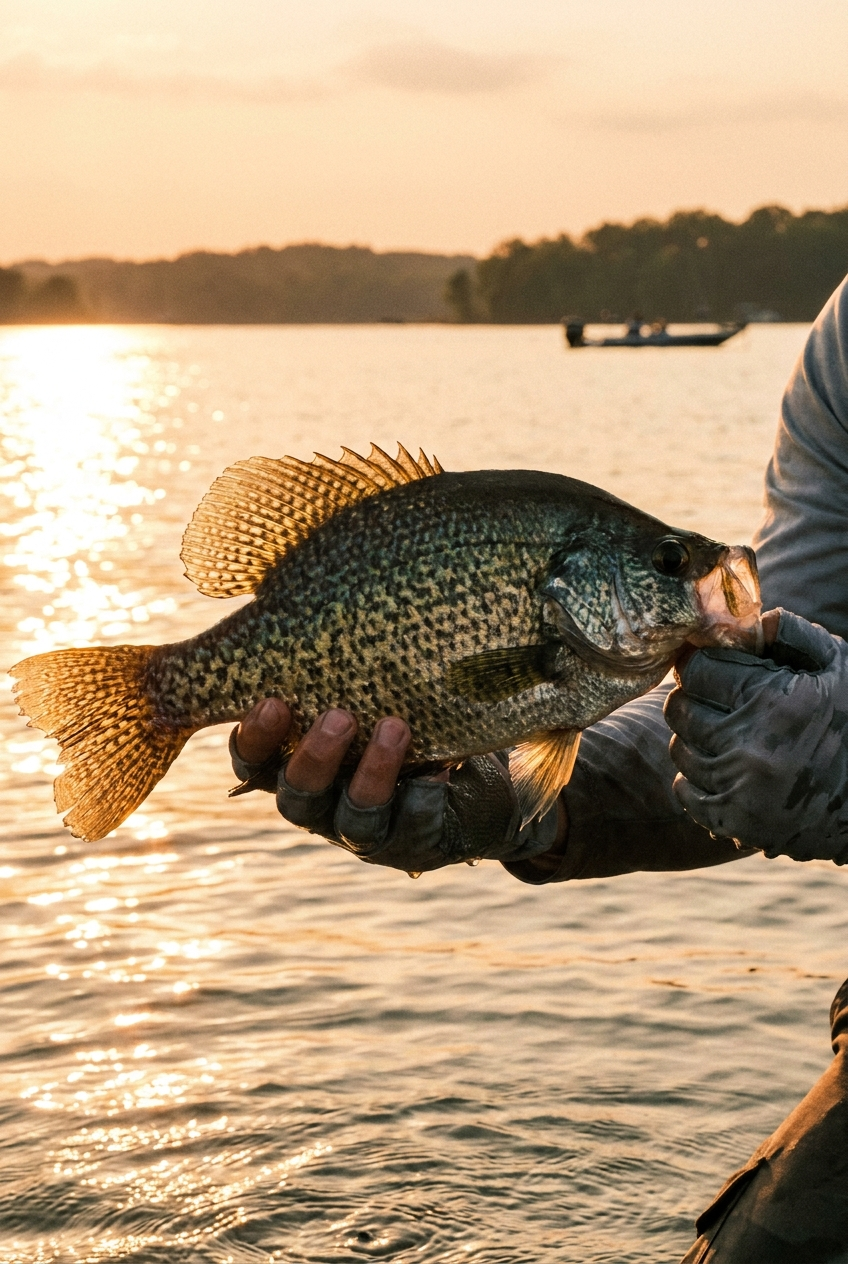
Crappie are abundant throughout Old Hickory Lake, with the tributary cove arms and dock structure holding fish year-round. The Drakes Creek arm, Station Camp Creek arm, and the many smaller coves throughout the Davidson and Wilson county portions of the lake all hold reliable crappie populations. Dock pilings, submerged brush piles, and tributary timber in 6 to 15 feet are the most consistent crappie holding areas. Small tube jigs, crappie jig-minnow combinations, and small curly-tail grubs worked vertically around structure produce consistent catches. Tennessee TWRA standard crappie regulations apply. Verify current regulations at https://www.tn.gov/twra/fishing/fishing-regulations.html before fishing. Spring crappie fishing at Old Hickory Lake peaks from late February through April as fish move from deeper winter holding depths into the shallower dock and brush structure in 4 to 10 feet. The tributary coves are the primary destination during spring spawning activity. Summer crappie suspend deeper in the dock structure at 12 to 20 feet during the warmer months and are most accessible with slow vertical presentations. Fall returns fish to the mid-depth brush and dock structure and provides a reliable secondary bite through November and December.
Old Hickory Lake Sauger Fishing Report
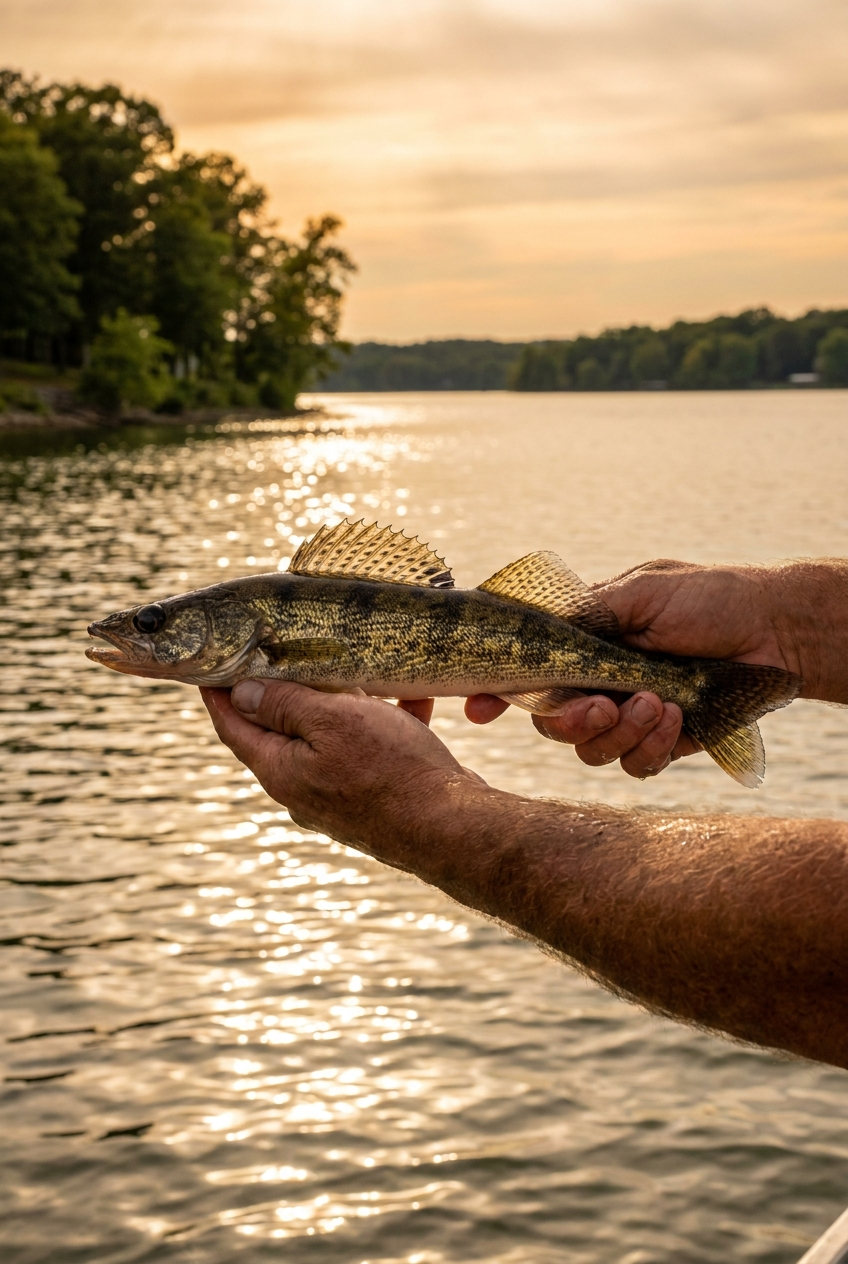
Sauger are a standout feature of Old Hickory Lake, thriving in the Cumberland River current-influenced areas near the dam and in the main channel throughout the reservoir. Old Hickory Lake is part of the Cumberland River system, which supports a native sauger population that provides excellent walleye-family fishing during the cooler months. The area below Old Hickory Dam and the main Cumberland River channel through the upper portion of the reservoir are the most productive sauger zones. Blade baits, minnow-tipped jigs, and jigging spoons worked on the channel bottom in 15 to 30 feet during low-light periods produce consistent sauger. Tennessee TWRA regulations apply to sauger on Old Hickory Lake. Verify current regulations at https://www.tn.gov/twra/fishing/fishing-regulations.html before fishing. Winter (November through March) is the peak sauger season at Old Hickory Lake. Fish concentrate near the dam structure and in the deeper main channel as water temperatures drop. Night fishing with blade baits in the current-influenced main channel produces some of the largest sauger catches. The dam tailwater area in particular concentrates sauger during cold-weather months, and this represents one of the better accessible winter fisheries in the Nashville metro area.
Old Hickory Lake Striped Bass Fishing Report
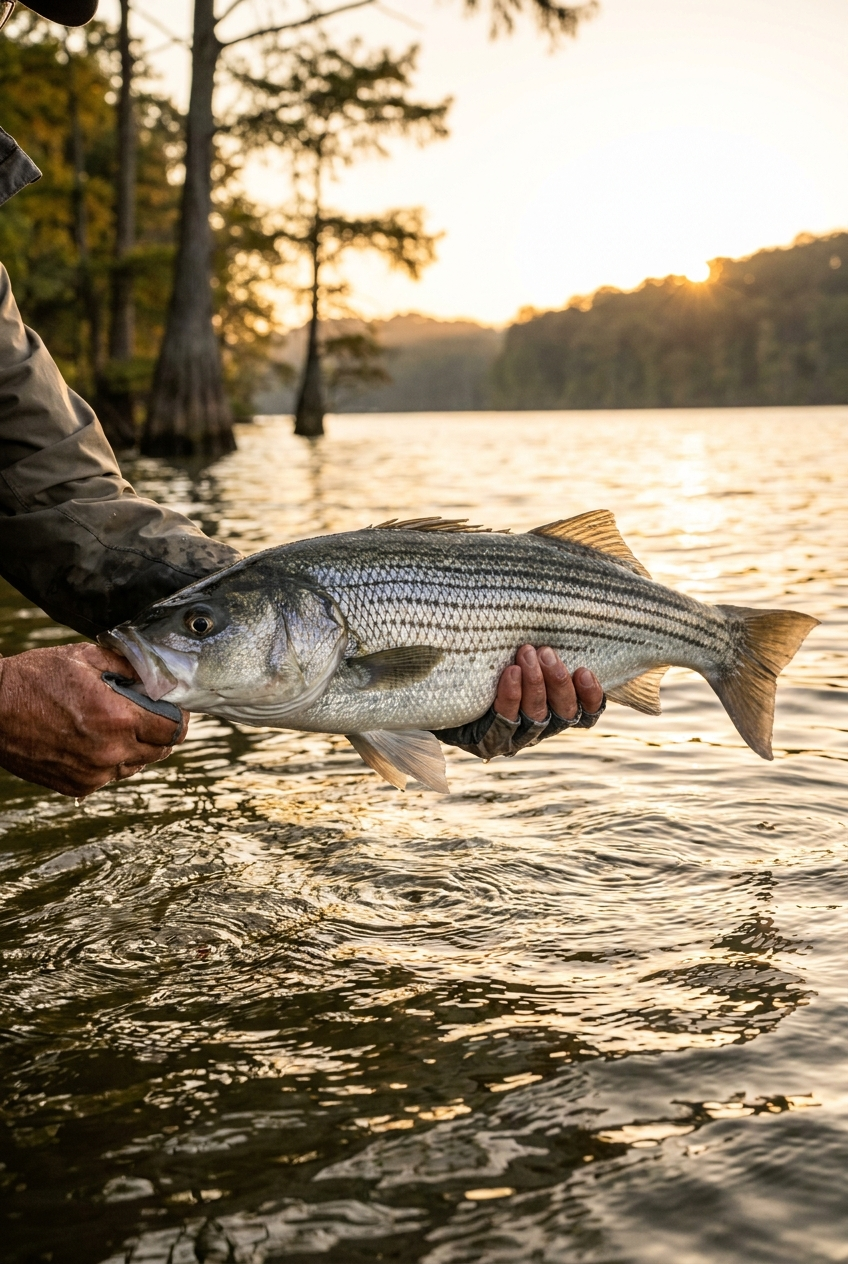
Striped bass are stocked in Old Hickory Lake by TWRA and provide an additional open-water fishery, particularly in the deeper sections near the dam. Stripers follow shad schools through the main Cumberland River channel and concentrate near the dam structure during periods of active feeding. Trolling large swimbaits and umbrella rigs through the main lake basin and near the dam structure produces consistent stripers during the cooler months. Surface blitzes on schooling stripers chasing shad are a common sight in early morning on the main lake from May through October. Tennessee TWRA regulations apply to striped bass on Old Hickory Lake. Verify current regulations at https://www.tn.gov/twra/fishing/fishing-regulations.html before fishing. Cooler water from October through May produces the most accessible striper action on Old Hickory Lake as fish move through the main basin. Live shad fished below the thermocline on downriggers and near the dam structure provides consistent action during summer when fish retreat to depth. The striper fishery complements the sauger fishing in the dam area and makes the lower end of the lake a productive multi-species destination during cooler months.
Old Hickory Lake Channel Catfish Fishing Report
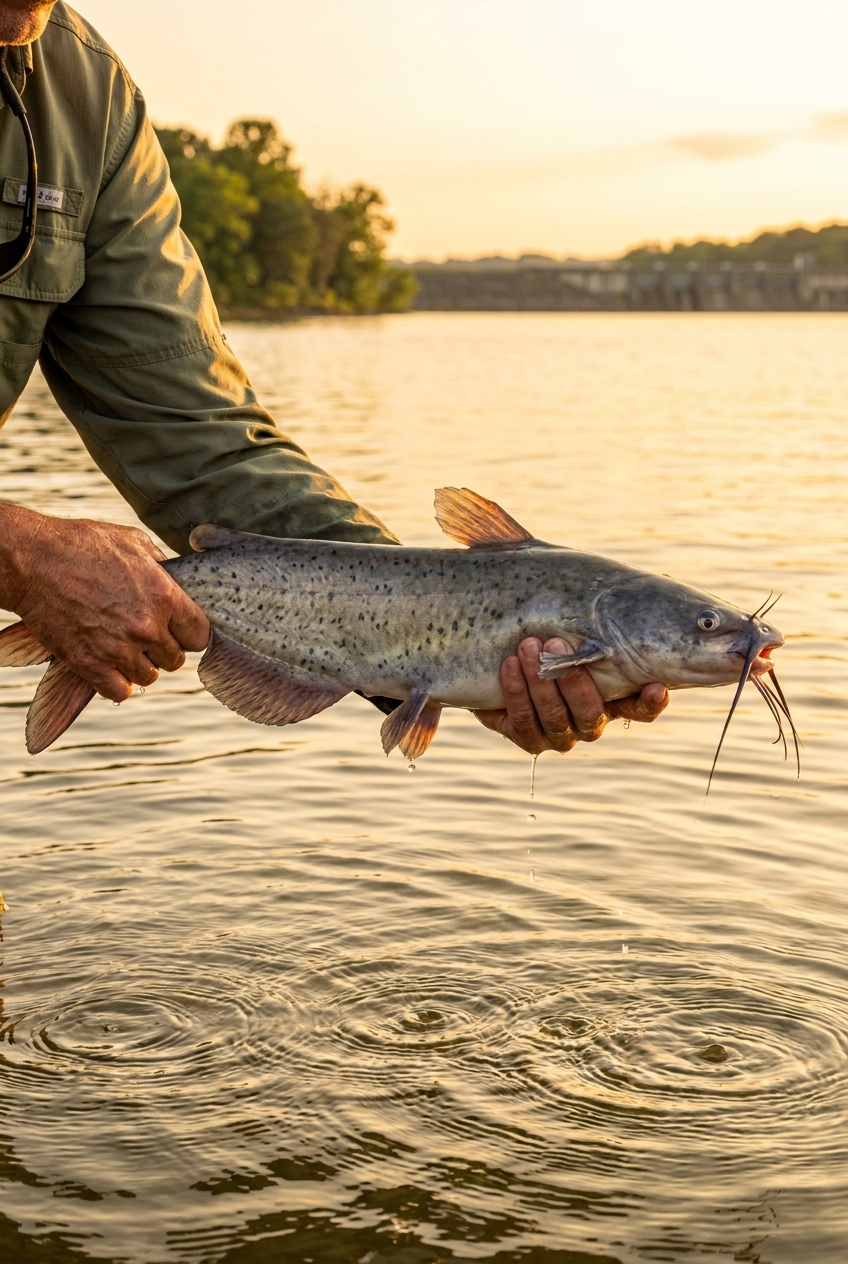
Channel catfish are abundant throughout Old Hickory Lake in the channel transitions, tributary mouths, and softer-bottom cove areas of the Cumberland River system. The productive reservoir supports quality channel catfish across all size classes. Cut shad, chicken liver, and prepared catfish baits fished near channel edges and creek mouths produce consistent results from both bank and boat. Tennessee TWRA standard catfish regulations apply. Verify current regulations at https://www.tn.gov/twra/fishing/fishing-regulations.html before fishing. Summer night fishing from the numerous public access areas around the Hendersonville and Gallatin areas produces the most consistent channel catfish action on Old Hickory Lake. The Drakes Creek and Station Camp Creek mouths concentrate feeding catfish during summer nights. The dam tailwater area also holds quality channel catfish that feed in the current below Old Hickory Dam throughout the year.
Old Hickory Lake Bluegill Fishing Report
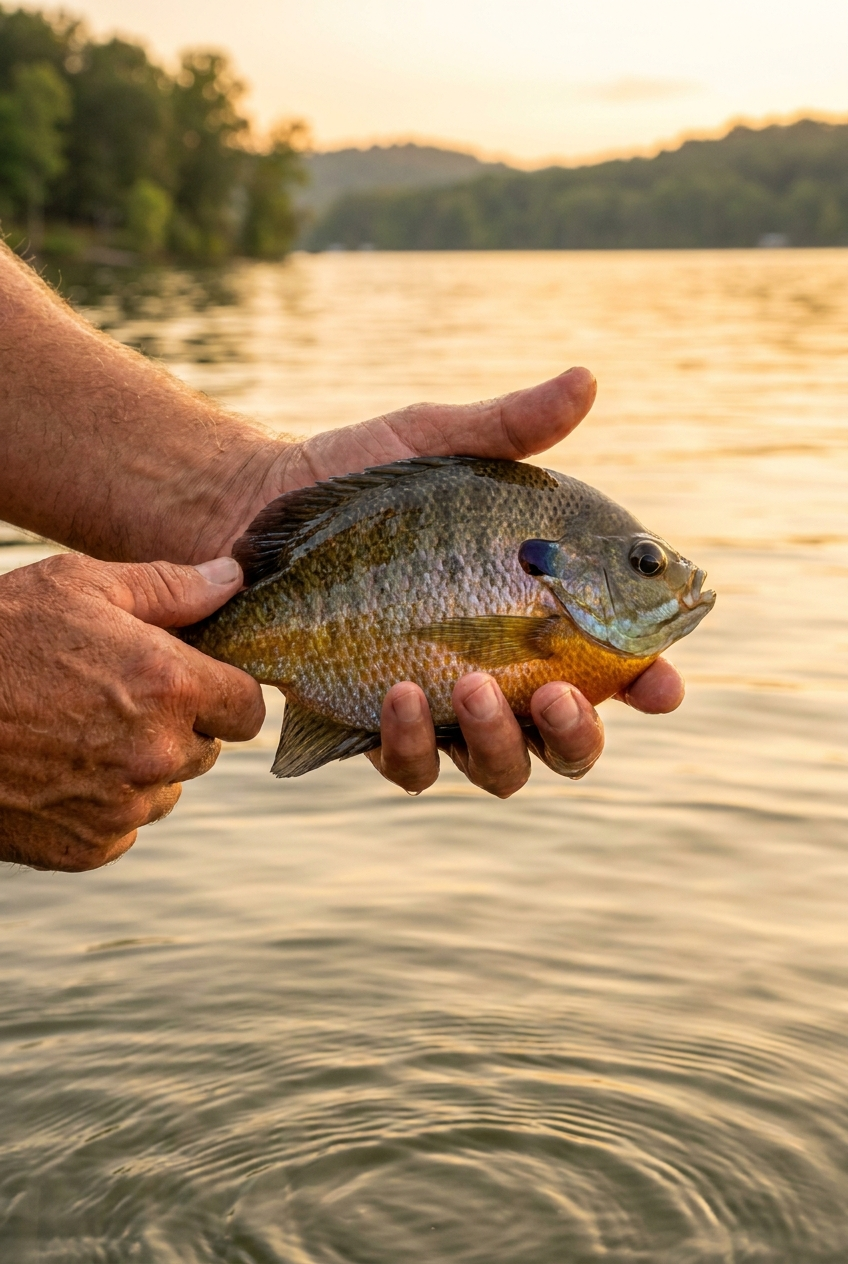
Bluegill are present throughout Old Hickory Lake's coves and dock-lined shorelines, providing excellent light-tackle fishing and consistent forage for the bass and striper populations. The protected tributary arms and cove pockets with vegetation and woody cover hold the best bluegill concentrations. Small jigs, crickets, and worms fished around dock pilings, brush piles, and emerging vegetation in 2 to 6 feet produce fast bluegill action. Tennessee TWRA standard panfish regulations apply. Verify current regulations at https://www.tn.gov/twra/fishing/fishing-regulations.html before fishing. Bluegill fishing peaks at Old Hickory Lake from May through July during the spawning period when fish create visible beds on the sandy and gravel-bottom shallows of the protected coves. The Hendersonville area coves and the back portions of the Drakes Creek arm provide consistent spawning bluegill habitat. Redear sunfish are also present in the lake and provide an additional panfish target in the same shallow cove areas.
Before you head out, check your line. If it's been sitting on the reel all winter or has seen a lot of rocks and timber, it's worth replacing before a serious trip. I order most of my braid from Reaction Tackle and have been happy with it.
Top Fish to Target in Old Hickory Lake
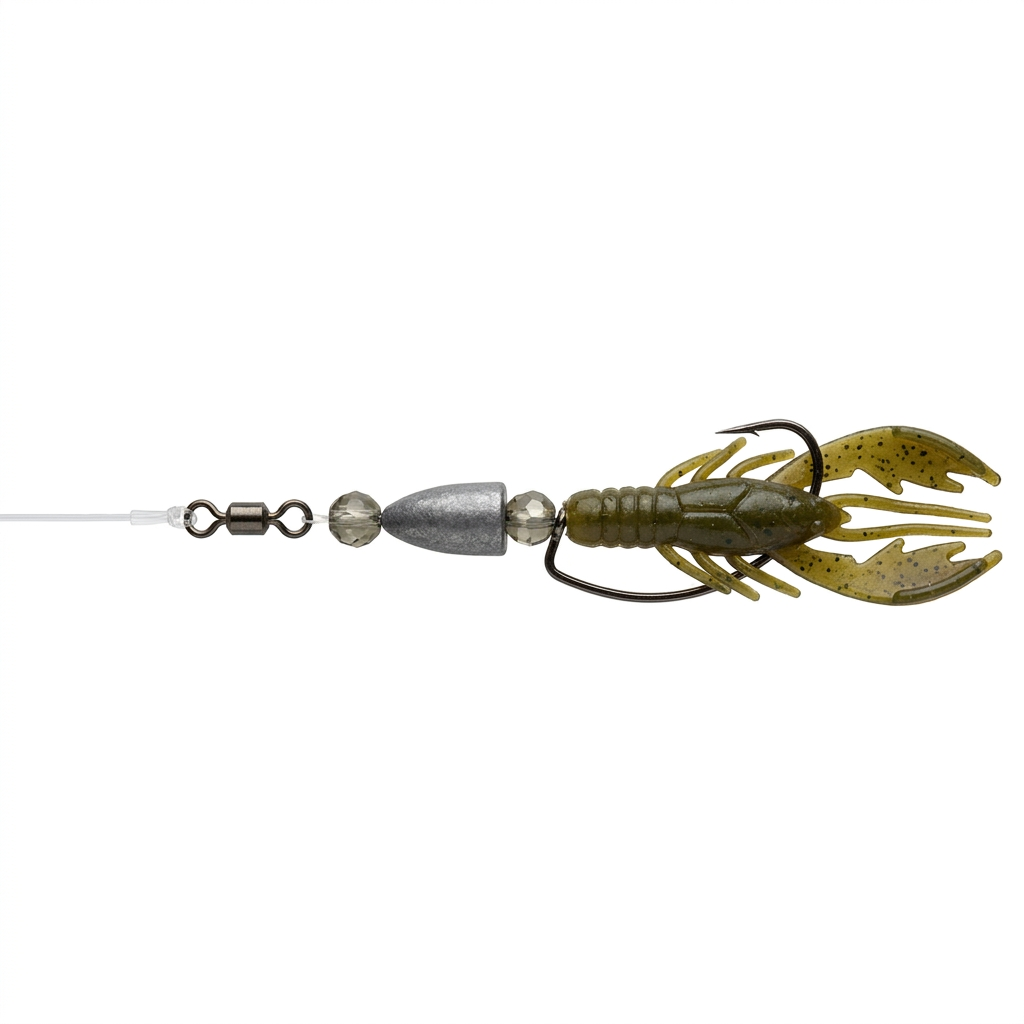
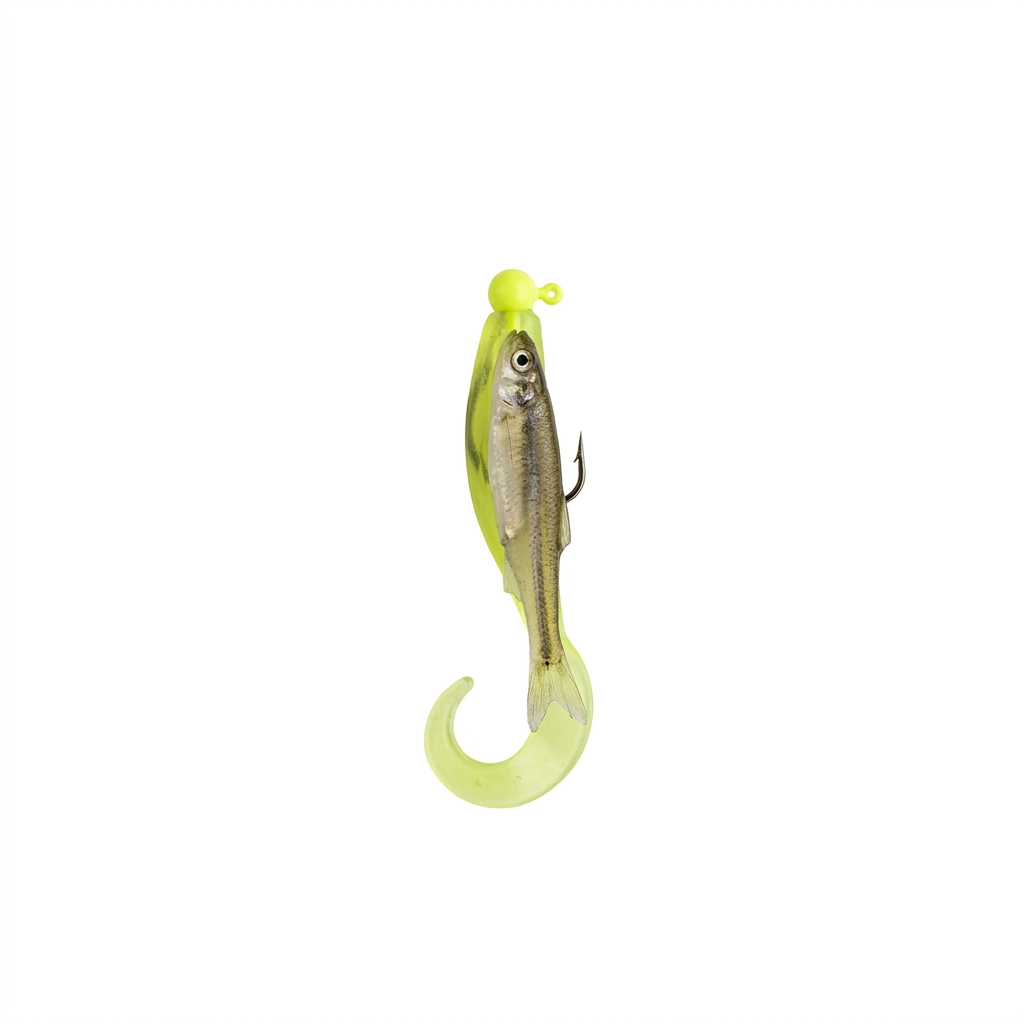
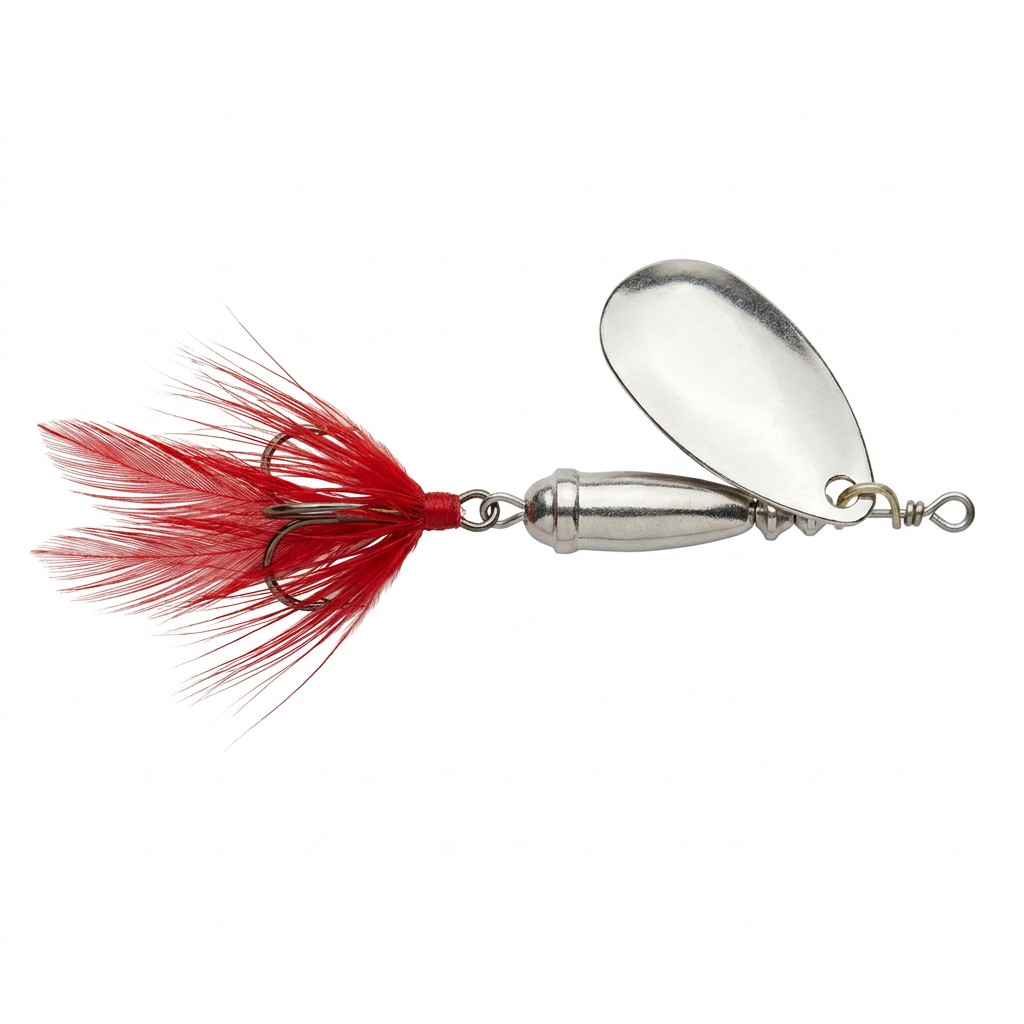
Lures for Old Hickory Lake
Tackle matched to this lake's species and structure.
One thing I always check before a big trip is my main line. For most of the presentations that work here, you want braid. The sensitivity makes a real difference, especially when fish are finicky. I've been ordering from Reaction Tackle for a while now and haven't looked back.
About Old Hickory Lake
Nashville's reservoir. Old Hickory Lake is the reservoir that the Nashville metro area calls its own, sitting northeast of the city in Davidson, Wilson, Sumner, and Trousdale counties. TVA completed Old Hickory Dam in 1954 on the Cumberland River, creating 22,500 acres of fishable water within 20 to 30 miles of downtown Nashville. The lake's proximity to a major city means heavy recreational use in summer, but it also means exceptional infrastructure: public ramps, parks, and access areas throughout the Hendersonville and Gallatin corridor.
Sauger in the tailwater. The sauger fishery below Old Hickory Dam is one of the more overlooked winter fishing opportunities in middle Tennessee. The Cumberland River system supports a native sauger population, and the dam tailwater concentrates fish during the cooler months when water temperatures drop. Night fishing with blade baits and minnow-tipped jigs in the current-influenced main channel produces quality sauger from November through March. This is the kind of cold-weather fishery that keeps serious anglers active through the Nashville winter.
Crappie in the coves. The tributary arms of Old Hickory Lake - Drakes Creek, Station Camp Creek, and the numerous smaller coves throughout the Wilson and Sumner county portions - provide excellent crappie habitat. Spring crappie fishing draws significant angler attention as fish move into the shallower dock and brush structure from late February through April. The lake has a large population of established dock structure that creates year-round crappie habitat throughout the reservoir.
Lake size and access. Old Hickory Lake covers approximately 22,500 acres at normal pool on the Cumberland River northeast of Nashville. The lake is managed by TVA with TWRA overseeing fisheries. Multiple public boat ramps are available throughout the Hendersonville, Gallatin, and Old Hickory communities. Bledsoe Creek State Park on the Sumner County side provides public camping and lake access.