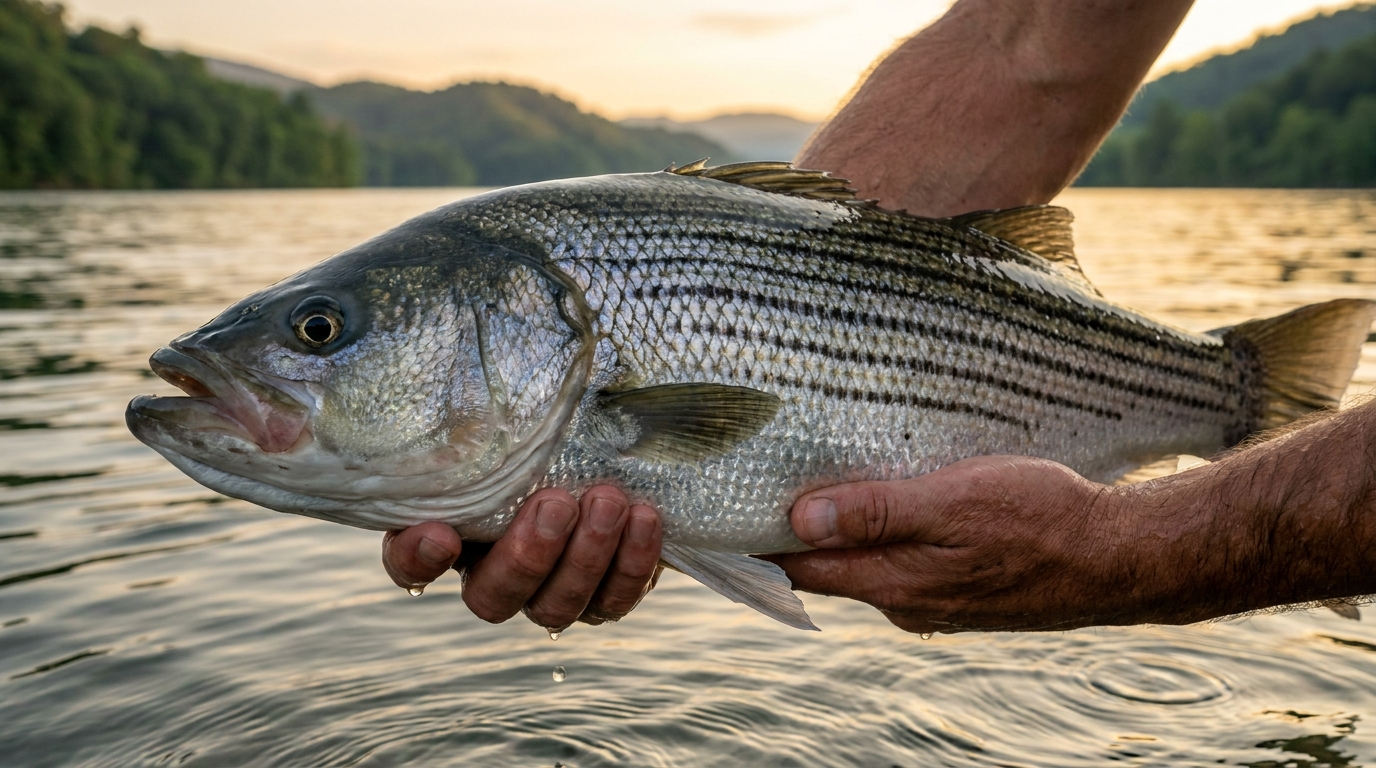
Cherokee Lake is a TVA reservoir that does not get the national attention it deserves. The striper and walleye combination on a Holston River impoundment with 175 feet of depth near the dam is a serious fishery. I've been studying this one - the cold deep water that stratifies in summer keeps stripers alive through the hottest months, and the walleye population in the upper river arms is well-established. This is near the top of my northeast Tennessee to-do list.
Today's Bite Score · October 8, 2026
Above average conditions worth planning a trip
🌘Waning Crescent
Cherokee Lake Fishing Report
September FishingMonthly fishing report · September patterns and techniques
September at Cherokee Lake brings transitional conditions as water temperatures begin to moderate from summer peaks. Anglers are finding that the lake's fish are adjusting to these changing conditions, with activity levels varying throughout the month depending on weather patterns and water temperature fluctuations. The bite is influenced by the gradual shift in seasonal dynamics, creating both challenges and opportunities for those targeting multiple species across the lake's structure.
In September, several species remain active across Cherokee Lake. Bass continue to be a primary target for many anglers, positioning themselves in areas that provide access to deeper water and cooler temperatures. Crappie fishing also remains productive this month, with fish relating to structure and cover that allows them to move between shallow and deeper zones. Catfish remain viable targets as well, with anglers finding success in various depths throughout the lake depending on bait selection and location.
Anglers are finding success in September using a variety of techniques matched to specific species and conditions present at the lake. Live bait presentations continue to be effective for multiple species, while artificial lures allow anglers to cover more water and target specific depth zones. The key to consistent success this month involves adjusting presentations based on water temperature trends and focusing efforts on structure and transitions where fish are actively feeding. Anglers should monitor water conditions throughout September, as mid-month and late-month conditions may differ significantly, requiring adjustments to location and technique choices.
Get More Fishing Report Specifics
Tap a topic button below for a report on current conditions.
Tap a topic above to get a current report for Cherokee Lake.
Answers are generated on demand and cached. No AI call fires until you tap a tab.
Cherokee Lake Fishing Guides
Looking for a Cherokee Lake fishing guide? The deep TVA structure on Cherokee holds stripers and walleye at specific depths that shift with water temperature — local guides have the history and electronics to find them fast. Go here → to check out our recommended fishing guides for Cherokee Lake. Then scroll down on that page to see all of the Cherokee Lake fishing guides.
Cherokee Lake Fishing Strategies by Species
Seasonal patterns and techniques by target species · Verified against official sources
Largemouth bass, smallmouth bass, striped bass, crappie, walleye, and channel catfish are the primary sport fish at Cherokee Lake, a 30,200-acre TVA reservoir on the Holston River in Grainger, Jefferson, Hamblen, and Hawkins counties, northeast Tennessee. Cherokee Dam was completed in 1941. The lake is located northeast of Knoxville and is known for quality striped bass and walleye fishing on the deep Holston River impoundment. Tennessee Wildlife Resources Agency regulations apply. Verify current regulations at tn.gov/twra before fishing.
Cherokee Lake Largemouth Bass Fishing Report
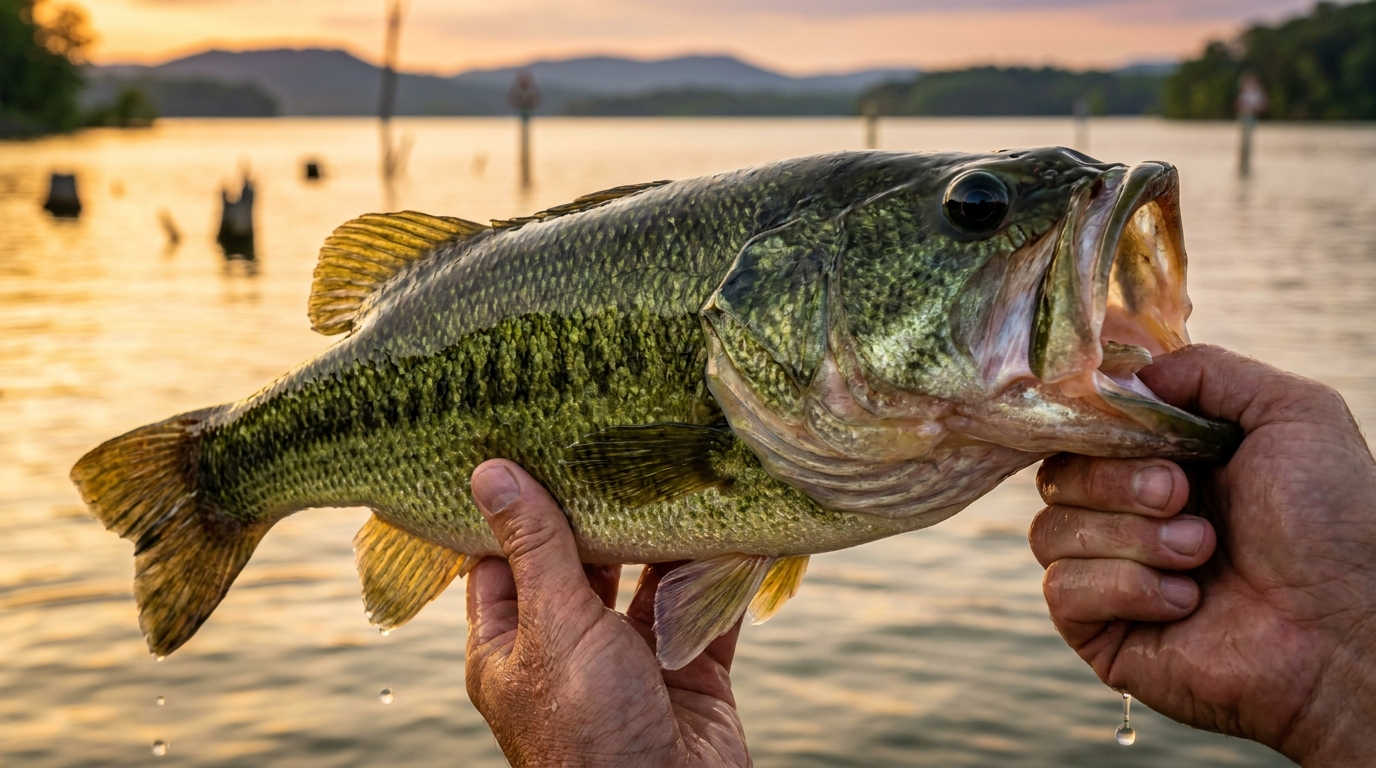
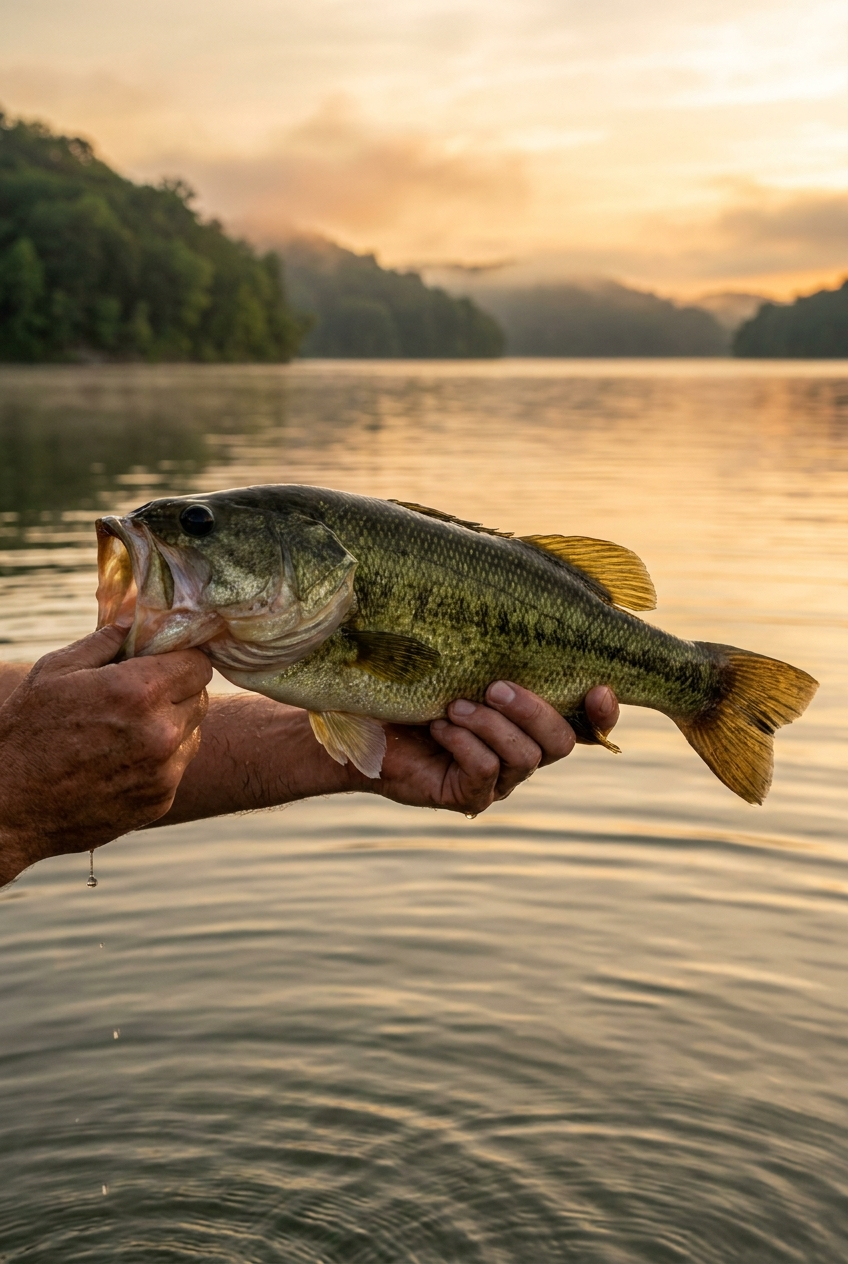
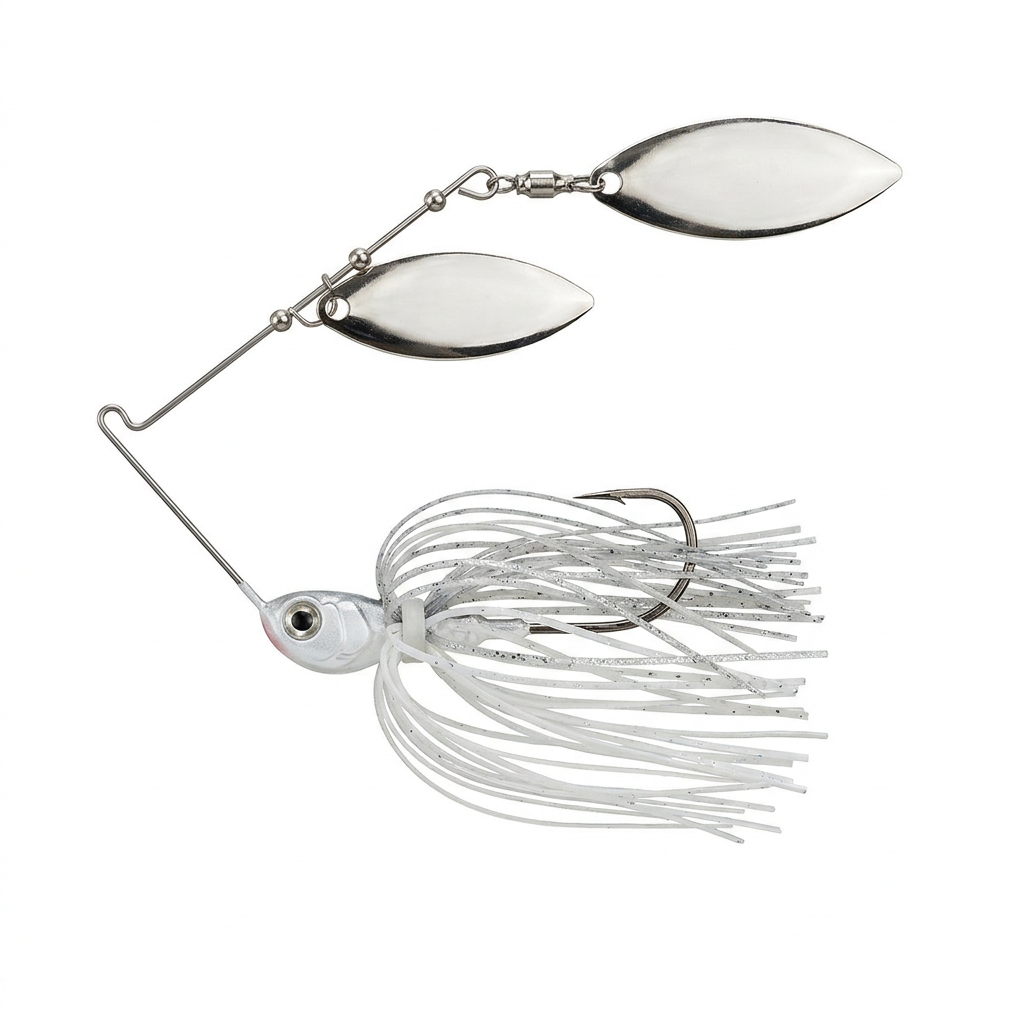
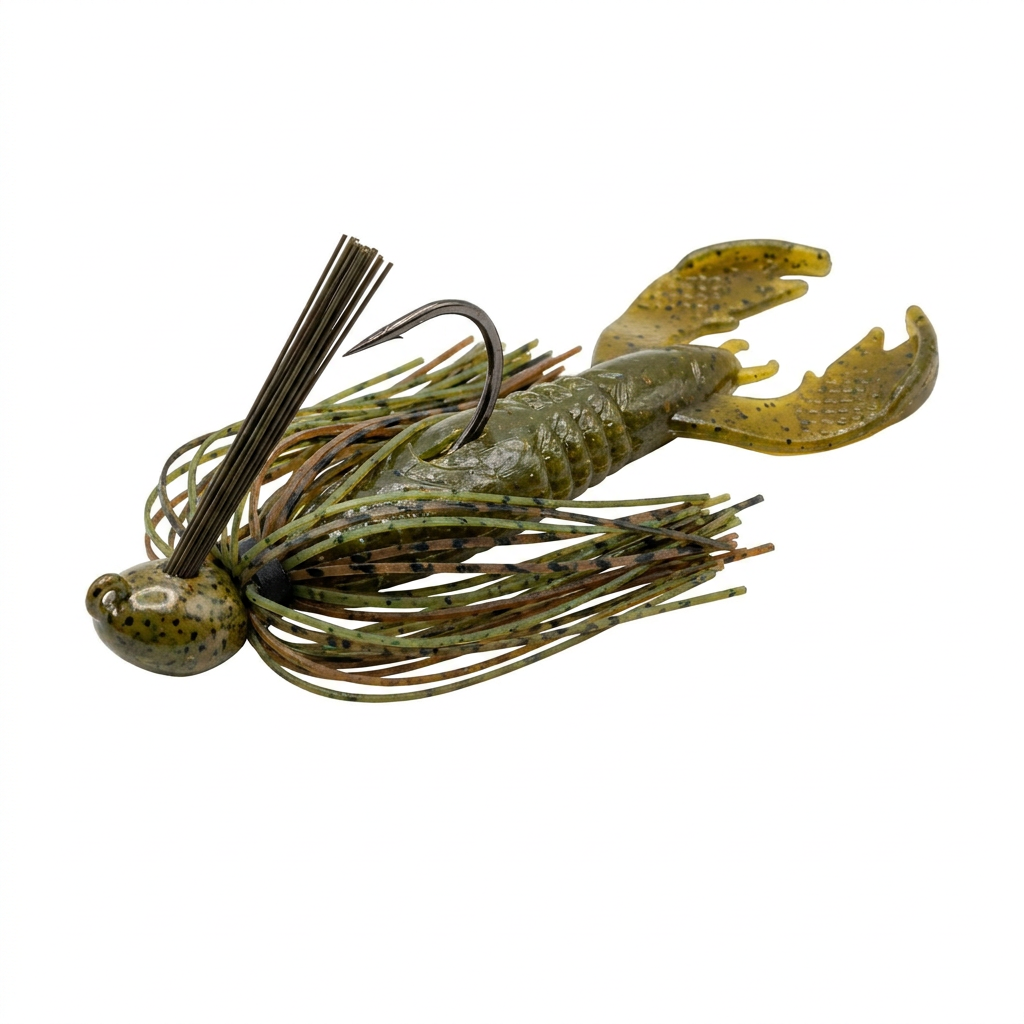
Largemouth bass at Cherokee Lake are concentrated in the cove dock structure, shallow timber, and protected back-cove areas throughout the lake's four-county range. The Holston River arms and the numerous tributary coves in the Grainger and Jefferson county sections hold the most consistent largemouth populations. Spinnerbaits worked through shallow dock lines and cove timber produce largemouth from prespawn through early summer, while jigs and Texas-rigged worms on the deeper dock pilings and timber edges cover summer and fall. Cherokee Lake's largemouth tend to be structure-oriented due to the clear Holston River water, which demands slightly lighter line and more finesse presentations than warmwater impoundments. Spring largemouth fishing at Cherokee Lake is the most productive season for bank and dock anglers. Prespawn fish stage at the secondary point dock lines and timber edges at 6 to 12 feet from late March through April. Spawning takes place in the protected cove backs and dock areas at 2 to 6 feet during April and May. The Jefferson and Hamblen county arms contain some of the best largemouth spawning habitat on the lake. Summer largemouth hold at 10 to 18 feet on the deeper dock structure and submerged timber. Fall provides a productive crankbait and spinnerbait bite around the cove mouths and main-lake secondary points. TWRA standard black bass regulations apply: verify current size and bag limits at tn.gov/twra before fishing.
Cherokee Lake Smallmouth Bass Fishing Report
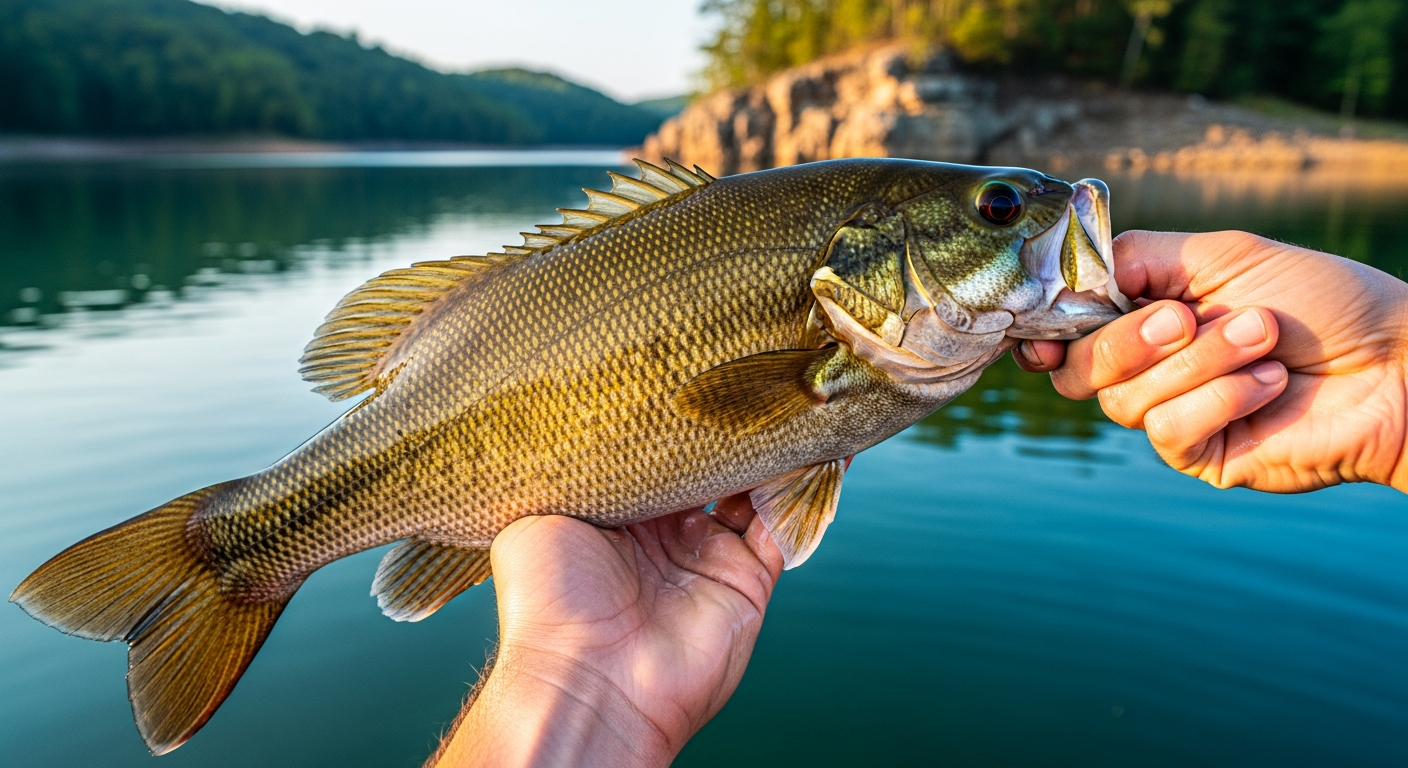
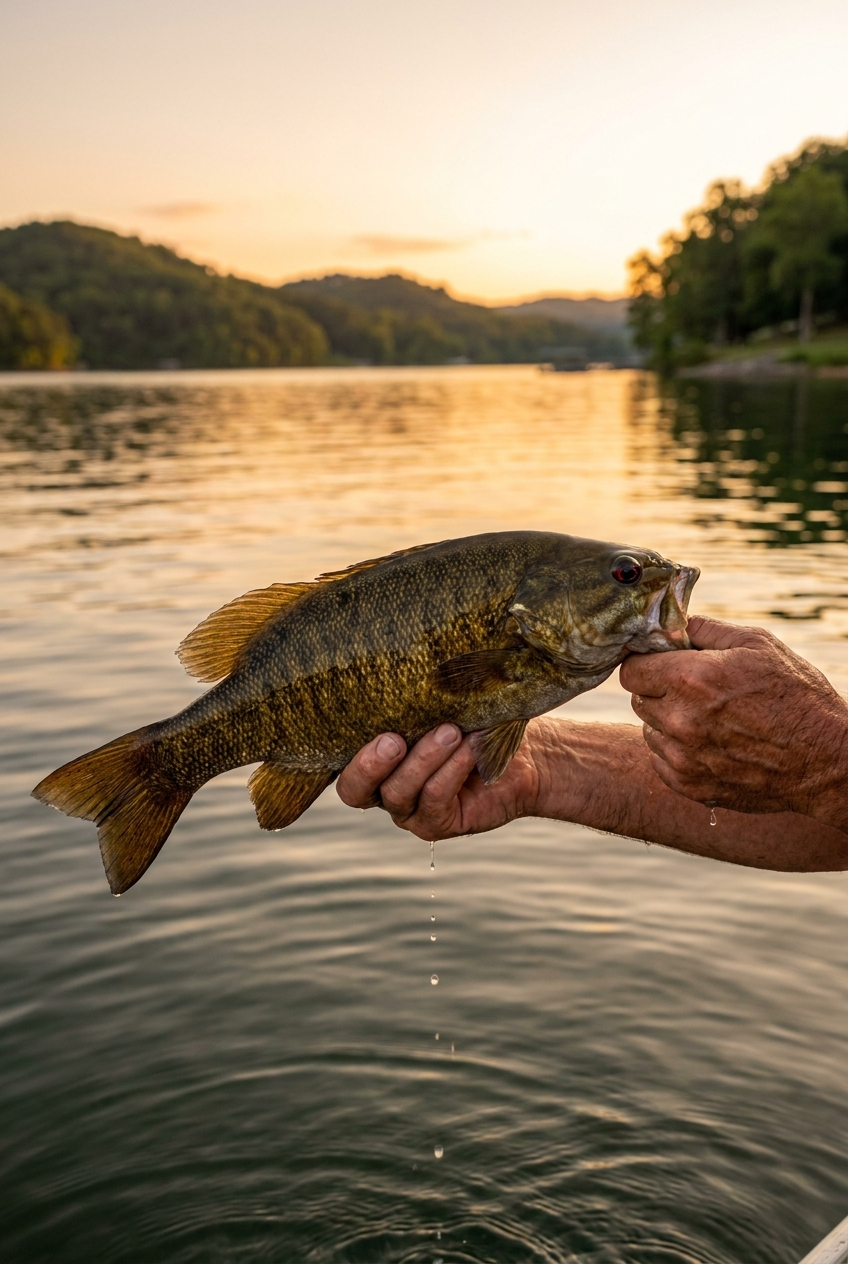
Smallmouth bass at Cherokee Lake are found on the rocky main-channel points, bluff walls, and hard-bottom transitions in the deeper sections of the Holston River basin. The Holston River's rocky Appalachian geology and the lake's cold, clear deep water create natural smallmouth habitat throughout the main lake. Smallmouth concentrate on the vertical bluff walls and rocky secondary points in 12 to 30 feet throughout the year, moving shallower onto gravel and rocky cove transitions during the spring spawn in April and early May. Tube jigs and drop-shot rigs on 8-pound fluorocarbon worked along rocky bluff faces and point transitions are the most consistent smallmouth presentations at Cherokee Lake. The main lake sections between Morristown and Cherokee Dam in the lower lake hold the most reliable smallmouth habitat on the deepest, clearest sections of the reservoir. Summer smallmouth go deep on the main channel bluffs at 20 to 35 feet where cold water near the thermocline concentrates fish. Fall brings smallmouth back to the secondary rocky points and shallower bluff bases as water temperatures drop through October and November. TWRA standard black bass regulations apply: verify current size and bag limits at tn.gov/twra before fishing.
Cherokee Lake Striped Bass Fishing Report
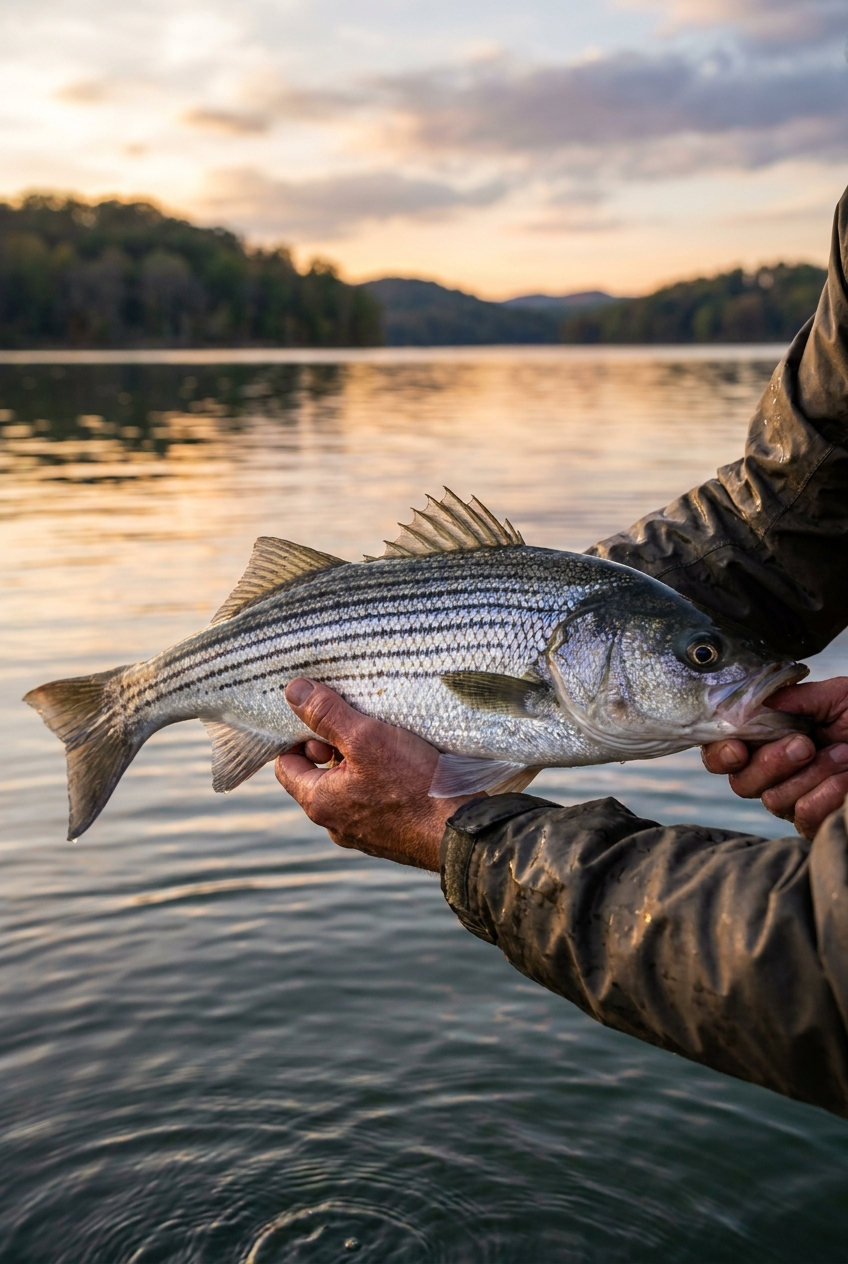
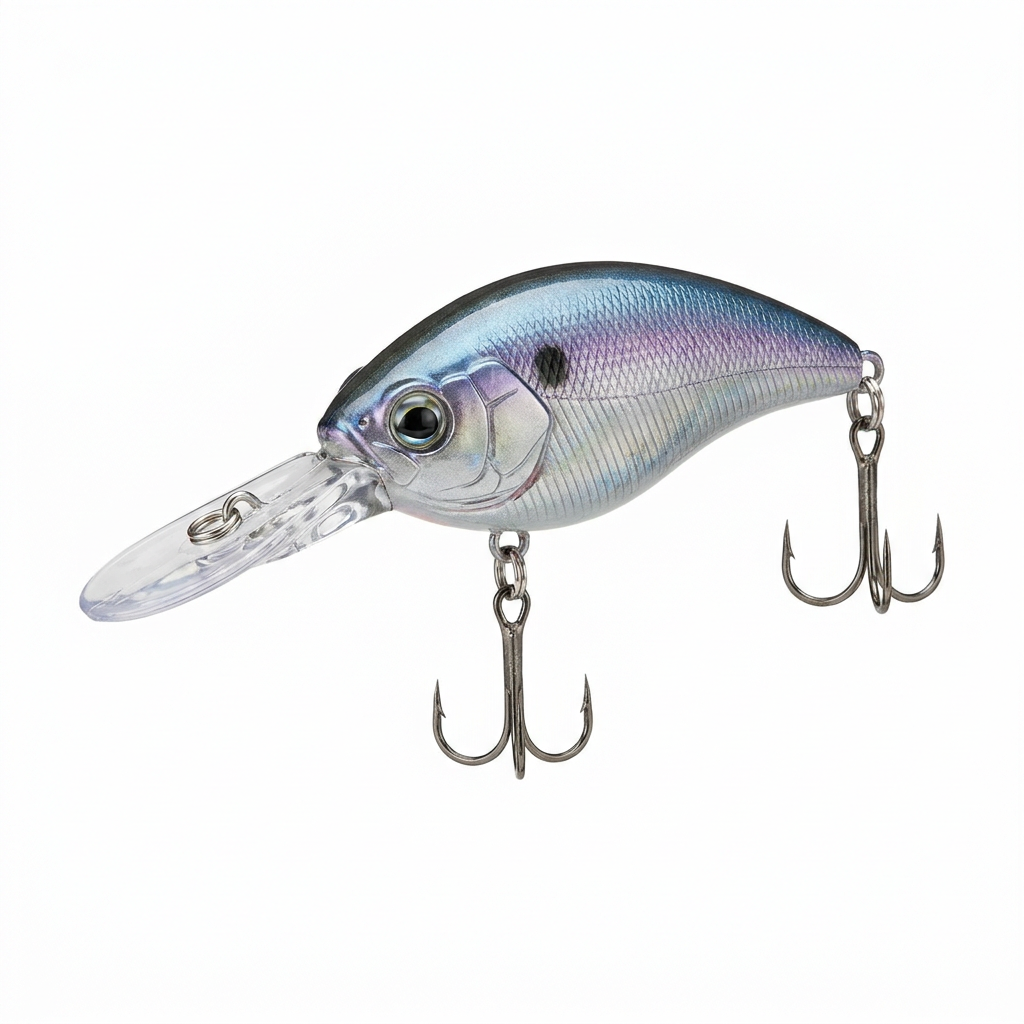
Striped bass are a top target at Cherokee Lake and benefit from the deep, cold Holston River impoundment where the thermocline provides cool refuge through summer. TWRA stocks striped bass in Cherokee Lake, and the species can reach substantial weights in the productive reservoir. The main lake basin holds stripers throughout the year, with fish chasing shad schools through the deeper open water and congregating near the thermocline during the hottest summer months. Live shad fished below the thermocline on downriggers and trolled umbrella rigs through the main channel produce the most consistent stripers from late spring through fall. Surface schooling activity from May through October provides exciting light-tackle striper fishing when fish push shad schools to the surface. Early morning is the most reliable time for surface blitzes on the main lake. Trolling large crankbaits and swimbaits at 12 to 25 feet along the main channel produces stripers throughout the day when surface activity is absent. Winter and early spring stripers roam more freely throughout the lake and are accessible to casting anglers working live shad on the main channel transitions. TWRA regulations apply to striped bass on Cherokee Lake: verify current size and bag limits at tn.gov/twra before fishing.
Cherokee Lake Crappie Fishing Report
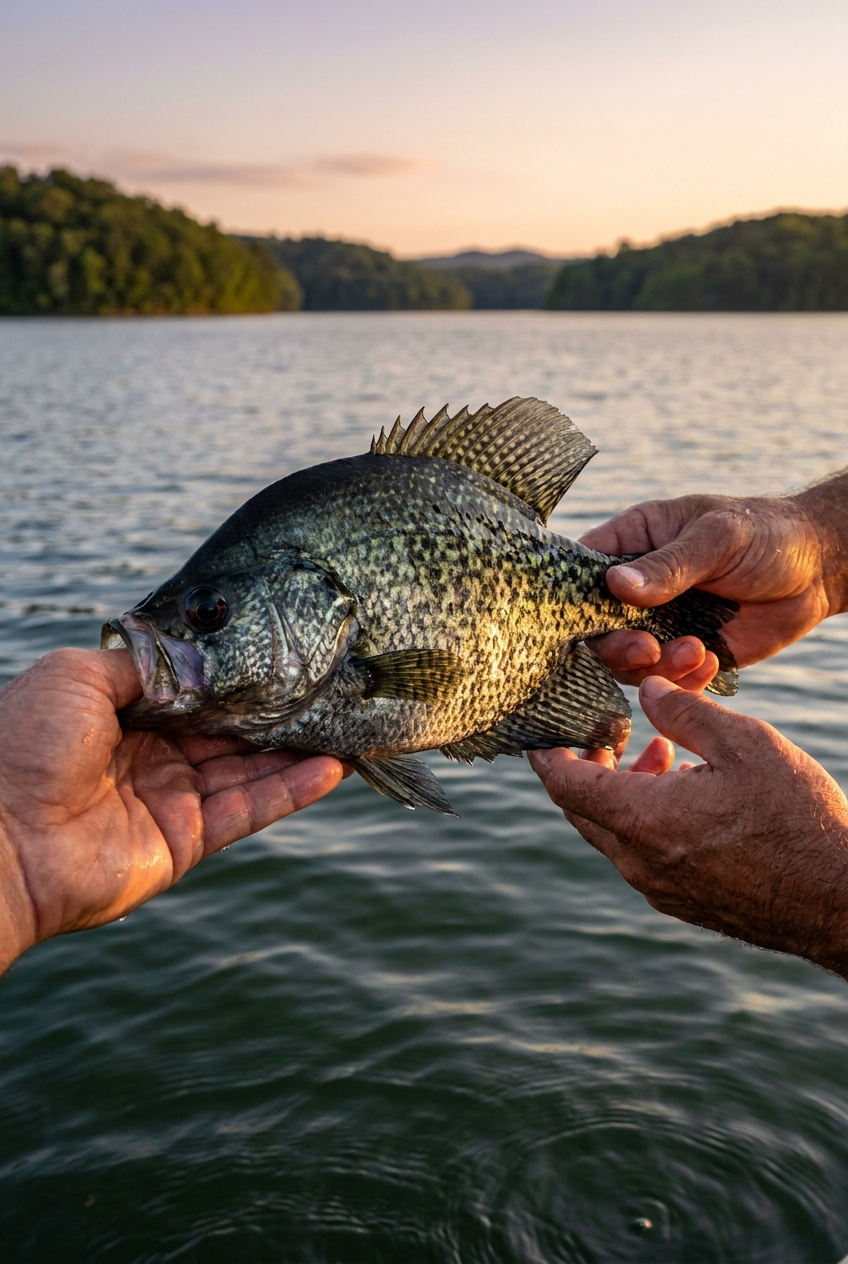
Crappie fishing at Cherokee Lake is excellent throughout the dock structure, timber, and brush of the tributary arms and protected coves. Both black and white crappie are present, with fish producing consistent catches through much of the year. The dock communities in the Hamblen and Jefferson county sections, the standing timber in the upper Holston River arm, and the bridge pilings throughout the lake all hold crappie year-round. Small tube jigs, crappie jig-minnow combinations, and live minnows on a float worked vertically around dock pilings at 6 to 14 feet produce the most consistent catches. Spring crappie fishing peaks at Cherokee Lake from late February through April as fish move from 18 to 25-foot winter depths into the shallower dock and timber structure at 4 to 10 feet. The upper Holston River arm in Hawkins County and the many protected coves along the Grainger County shoreline hold the heaviest spring crappie concentrations. Summer crappie suspend under dock structure and brush in 14 to 22 feet. The deep clear water allows vertical jigging through the dock shadow zones to be particularly effective in the main lake coves during summer. Fall crappie return to shallower structure as temperatures drop through October and November. TWRA standard crappie regulations apply: verify current size and bag limits at tn.gov/twra before fishing.
Cherokee Lake Walleye Fishing Report
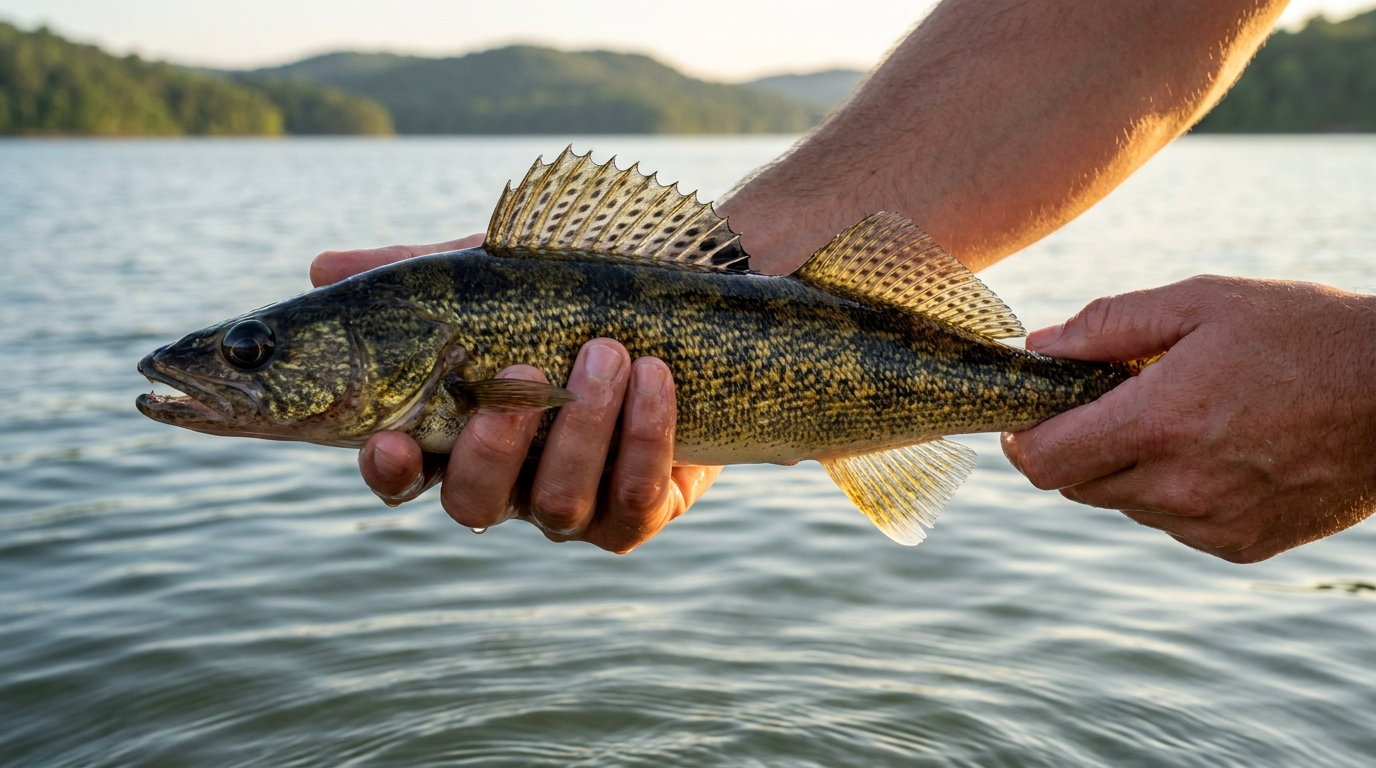
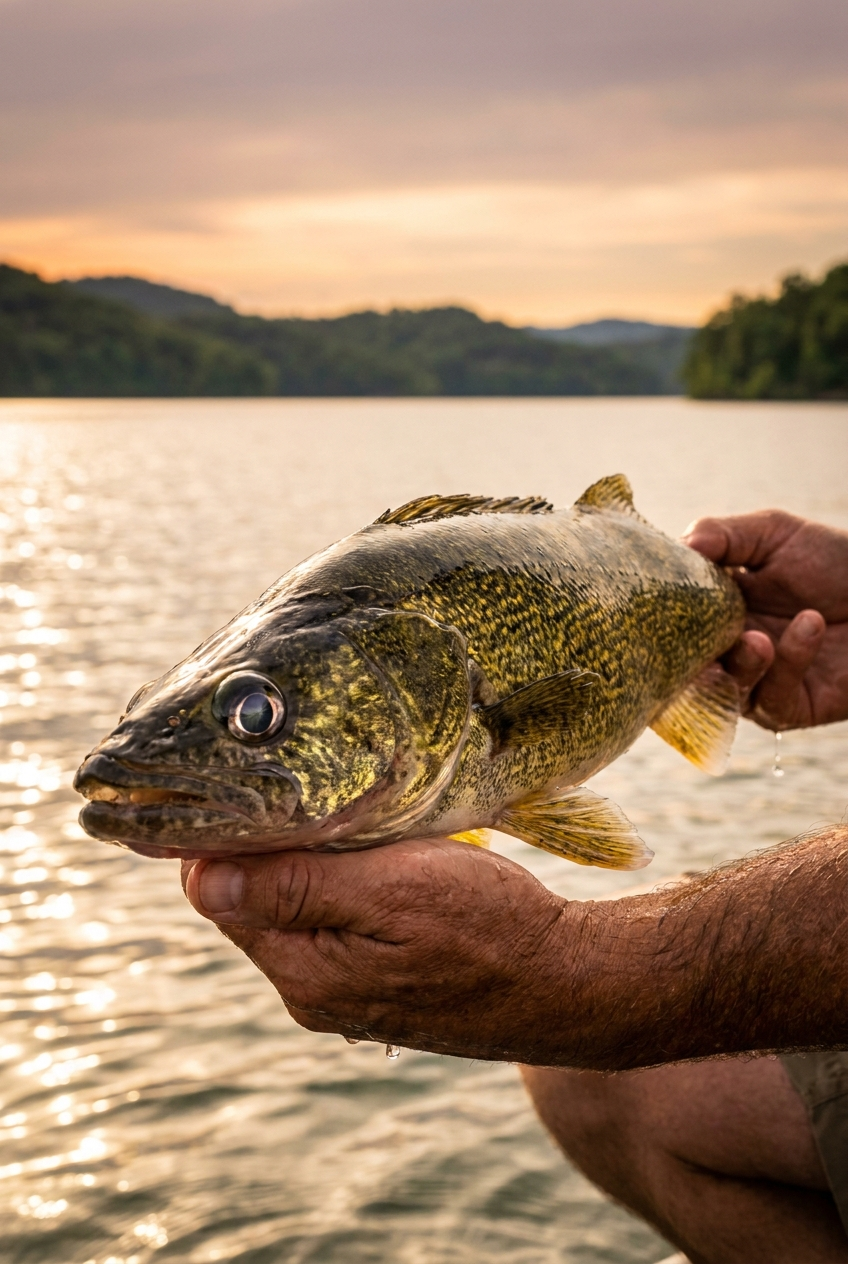
Walleye are a genuine and productive fishery at Cherokee Lake, supported by the Holston River's rocky bottom, cold clear water, and TWRA stocking activity. The lake's deep impoundment on the South Fork and North Fork of the Holston River creates ideal walleye habitat with gravel bars, rocky transitions, and channel structure throughout the upper arms. Low-light walleye fishing is consistently the most productive approach: dawn, dusk, and nighttime provide the best windows for catchable fish in the clear Holston River water. Jig-and-minnow combinations and blade baits worked along the main channel bottom and rocky transitions at 15 to 25 feet produce walleye throughout the year. Winter and early spring are the most reliable walleye seasons at Cherokee Lake. Fish stage near the upper river arms in Hawkins County and in the rocky main-channel transitions from January through March. Spring walleye move toward gravel and rock bars to spawn, with the North Fork Holston arm being a key area. Trolling crankbaits and live minnow rigs along the main channel at 10 to 20 feet produces walleye from early spring through late fall. Summer walleye hold deep in the cool bottom water below the thermocline near the dam. TWRA walleye regulations apply on Cherokee Lake: verify current size and bag limits at tn.gov/twra before fishing.
Cherokee Lake Channel Catfish Fishing Report
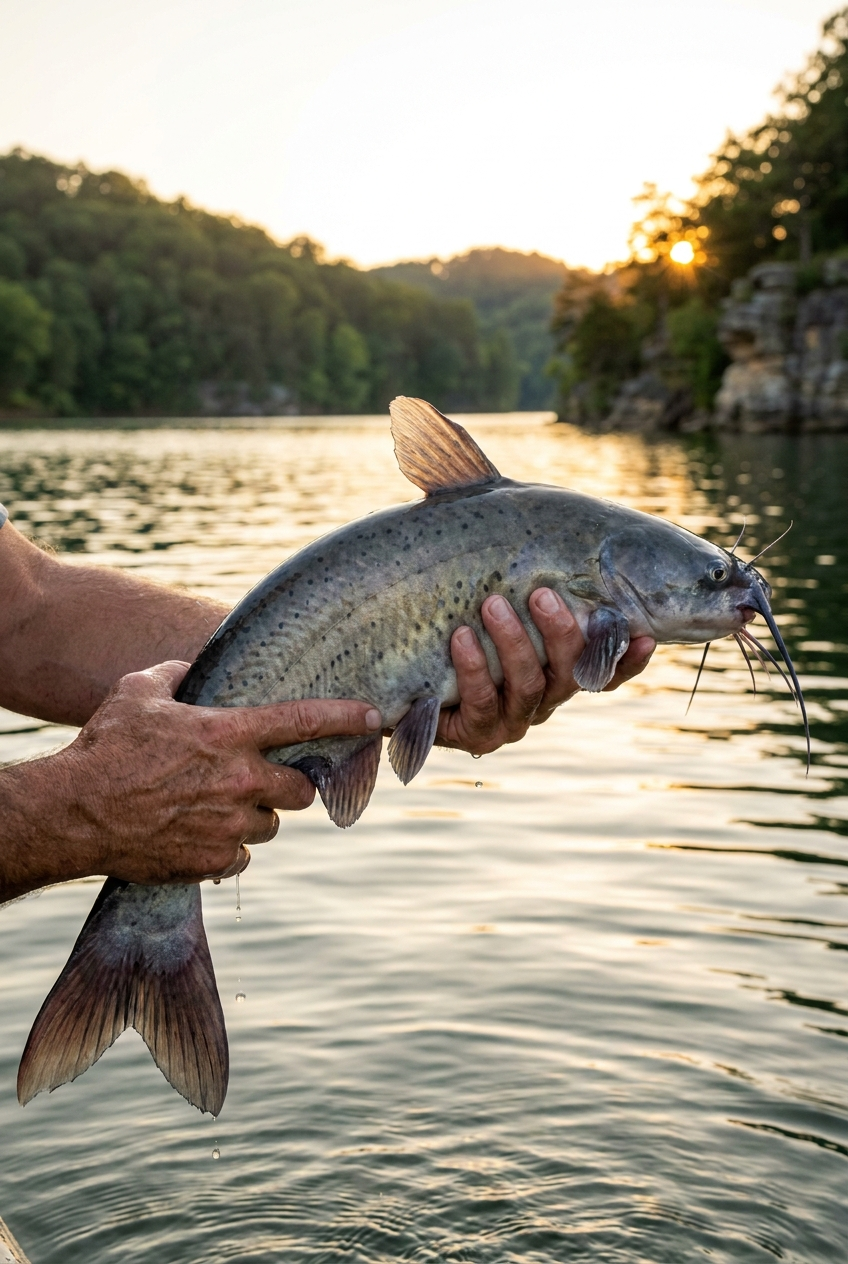
Channel catfish are well-distributed throughout Cherokee Lake in the tributary mouths, channel edges, and deeper cove areas of the Holston River system. The lake supports quality catfish populations that provide reliable fishing from bank access points and boats across all four counties. Cut shad, chicken liver, and prepared catfish baits fished on the bottom near channel transitions and tributary mouths produce consistent results from spring through fall. Night fishing from the TVA recreation areas and public access points is the most productive approach during summer months. The upper Holston River arms in Hawkins County and the tributary mouths throughout the Grainger and Jefferson county sections concentrate catfish, especially during spring and early summer feeding periods. Catfish move into the tributary shallows during spawning season from April through June, providing accessible bank fishing from public shoreline areas. Summer night fishing from anchored boats over channel transitions at 10 to 20 feet produces the best catfish catches at Cherokee Lake through August. TWRA standard catfish regulations apply: verify current size and bag limits at tn.gov/twra before fishing.
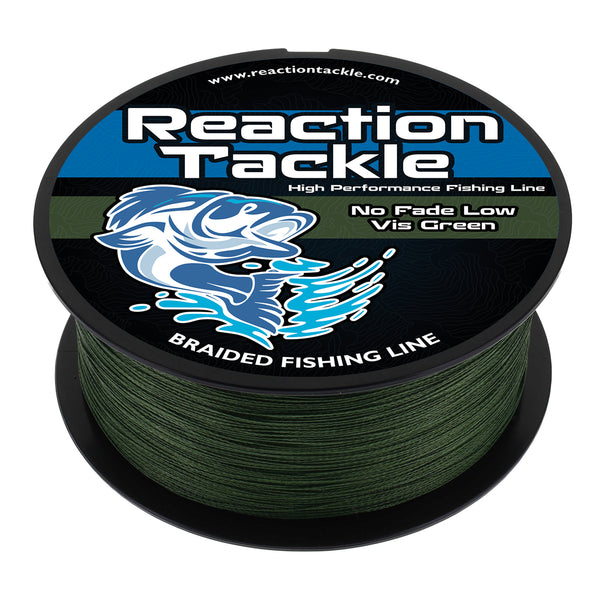
For fishing heavy cover after Largemouth Bass, I run 50-65lb braid. Zero stretch means you feel every bite and you can pull fish out of structure before they wrap you. Reaction Tackle is where I restock. Their low-vis green disappears in most water conditions.
Top Fish to Target in Cherokee Lake
Lures for Cherokee Lake
Tackle matched to this lake's species and structure.
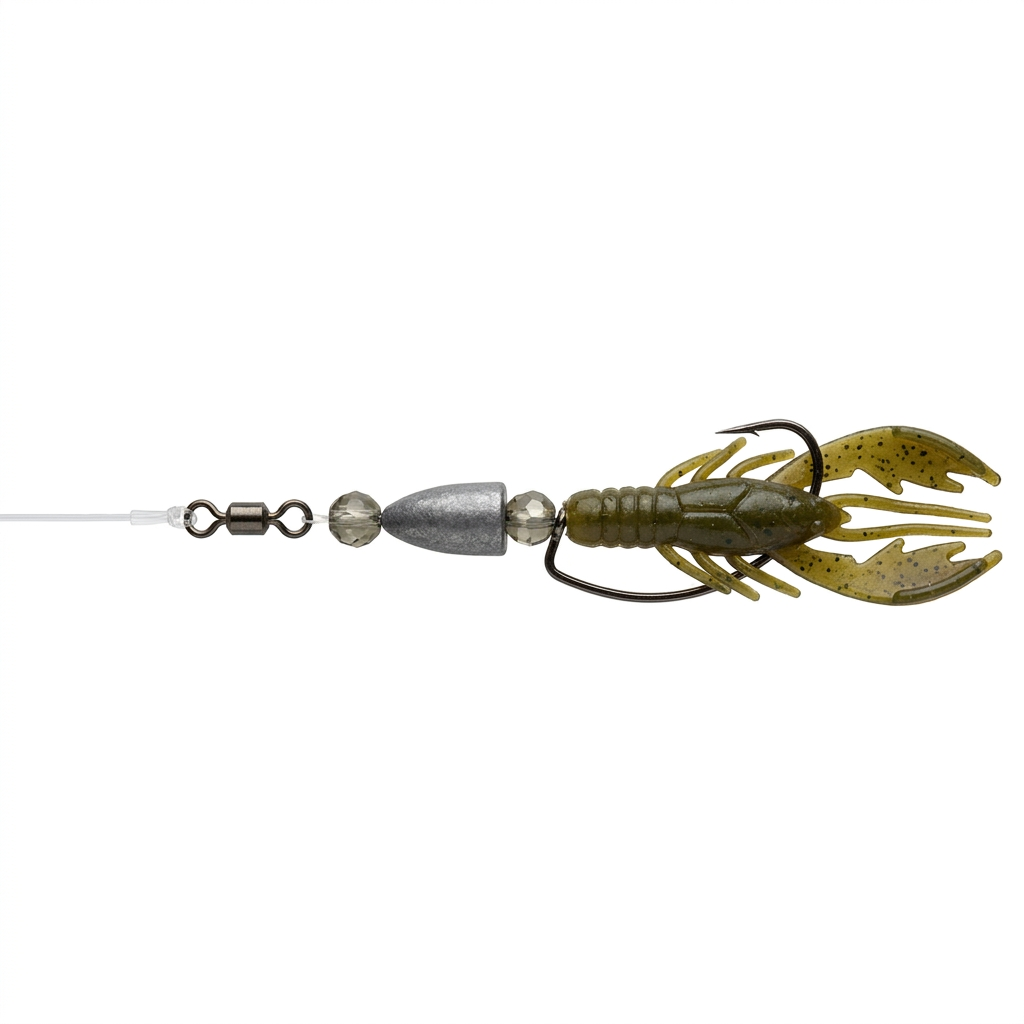
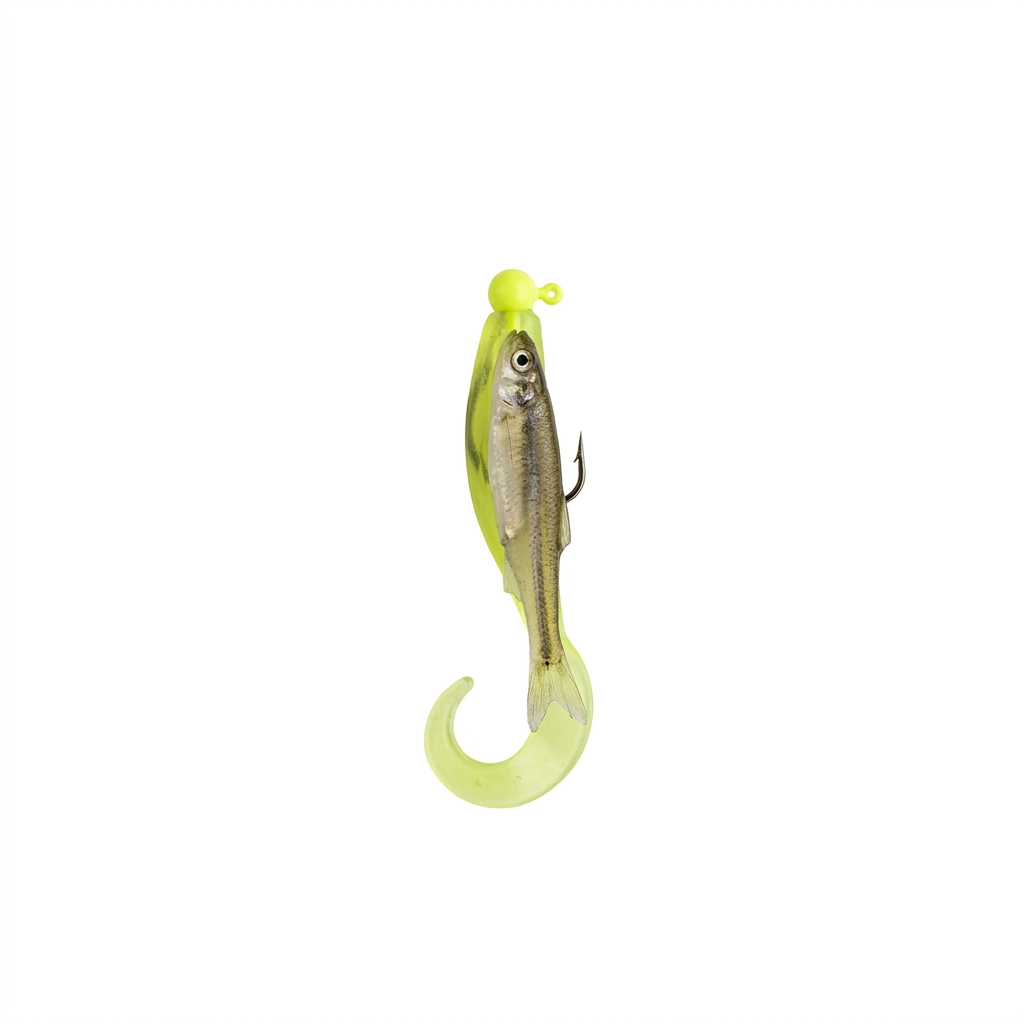
Worth checking before any trip: your line. Old braid gets brittle at the tag end and loses sensitivity over time. I rotate mine every season. Reaction Tackle is where I order from when it's time to restock.
About Cherokee Lake
Lake size and location. Cherokee Lake covers approximately 30,200 acres across Grainger, Jefferson, Hamblen, and Hawkins counties in northeast Tennessee, formed by Cherokee Dam on the Holston River. The Tennessee Valley Authority completed Cherokee Dam in 1941. The lake reaches a maximum depth of approximately 175 feet near the dam. The nearest town is Morristown, the seat of Hamblen County, located on the southern shore of the lake. The lake is approximately 35 miles northeast of Knoxville via US-11E.
Striped bass and walleye fishery. Cherokee Lake is best known among serious anglers for its striped bass and walleye fisheries, both of which benefit from the deep, cold Holston River impoundment. The lake's depth allows cool water to persist below the thermocline through summer, keeping stripers alive and healthy during the hottest months when shallower lakes cannot support them. TWRA manages both species actively with stocking and regulation. The walleye fishery in the upper river arms is one of the most productive in northeastern Tennessee.
Four-county reservoir. Cherokee Lake's reach across four counties - Grainger, Jefferson, Hamblen, and Hawkins - creates a diverse range of habitat from the protected lower lake coves near Morristown to the Holston River arms extending into Hawkins County to the northeast. The lake supports active dock communities, marinas, and campgrounds throughout all four counties. TVA manages multiple recreation areas with public boat ramps and camping facilities on Cherokee Lake.
Regulations and access. Tennessee Wildlife Resources Agency regulations apply to all species at Cherokee Lake. TVA maintains multiple public boat ramps and recreation areas around the lake. Always verify current regulations at tn.gov/twra before fishing, particularly for striped bass and walleye which may carry specific size and bag limits.