Watts Bar is the Tennessee River link I keep coming back to when I study the TVA system. The sauger fishery here is seriously underappreciated - this lake sits between Chickamauga below and Fort Loudoun above and the current-driven structure that creates is perfect sauger habitat. The striper fishery is substantial, crappie fishing is excellent, and the five-county reach of this lake means there is an enormous amount of water to explore. Watts Bar is one of the TVA lakes I most want to spend real time on.
Today's Bite Score · October 8, 2026
Very favorable conditions for catching fish
🌘Waning Crescent
Watts Bar Lake Fishing Report
September FishingMonthly fishing report · September patterns and techniques
September at Watts Bar Lake brings transitional conditions as water temperatures begin to moderate from summer peaks. Anglers are finding that fish are becoming more active as the month progresses, with improved feeding windows throughout the day. The bite is strengthening as cooler nights start to influence water chemistry and oxygen levels, creating more favorable conditions across the lake's various depths and structure.
Largemouth bass and smallmouth bass are among the most active species in September, with fish moving between deeper summer haunts and shallower feeding zones. Anglers are finding success targeting areas with rocky structure, submerged timber, and deeper ledges where bass are transitioning their feeding patterns. Crappie fishing in September also provides solid opportunities, with fish holding around brush piles and deeper channels as they adjust to changing water conditions.
The most effective techniques for September at Watts Bar Lake include crankbaits, soft plastics, and live bait presentations. Anglers are finding success with shad-pattern lures and topwater offerings during morning and evening hours when the bite is most active. Live shiners and crawfish continue to produce results for those pursuing bass and other gamefish. Varying retrieve speeds and working presentations along deeper structure will help anglers capitalize on the improved September fishing conditions at Watts Bar Lake.
Get More Fishing Report Specifics
Tap a topic button below for a report on current conditions.
Tap a topic above to get a current report for Watts Bar Lake.
Answers are generated on demand and cached. No AI call fires until you tap a tab.
Watts Bar Lake Fishing Guides
Looking for a Watts Bar Lake fishing guide? Some of the best sauger fishing in Tennessee lives in the tailwater below the dam, and the bass on the main lake move through seasonal staging areas that guides here have mapped over years. Here are 3 fishing guides for Watts Bar Lake that are worth checking out.
Watts Bar Lake Fishing Strategies by Species
Seasonal patterns and techniques by target species · Verified against official sources
Largemouth bass, smallmouth bass, striped bass, crappie, catfish, and sauger are the primary sport fish at Watts Bar Lake, a 39,090-acre TVA reservoir on the Tennessee River in Rhea, Meigs, Loudon, Roane, and McMinn counties, Tennessee. Watts Bar Dam was completed in 1942. The lake sits between Chickamauga Lake to the south and Fort Loudoun Lake to the north, creating a productive mid-Tennessee River impoundment known for sauger and striped bass fishing. Tennessee Wildlife Resources Agency regulations apply. Verify current regulations at tn.gov/twra before fishing.
Watts Bar Lake Largemouth Bass Fishing Report
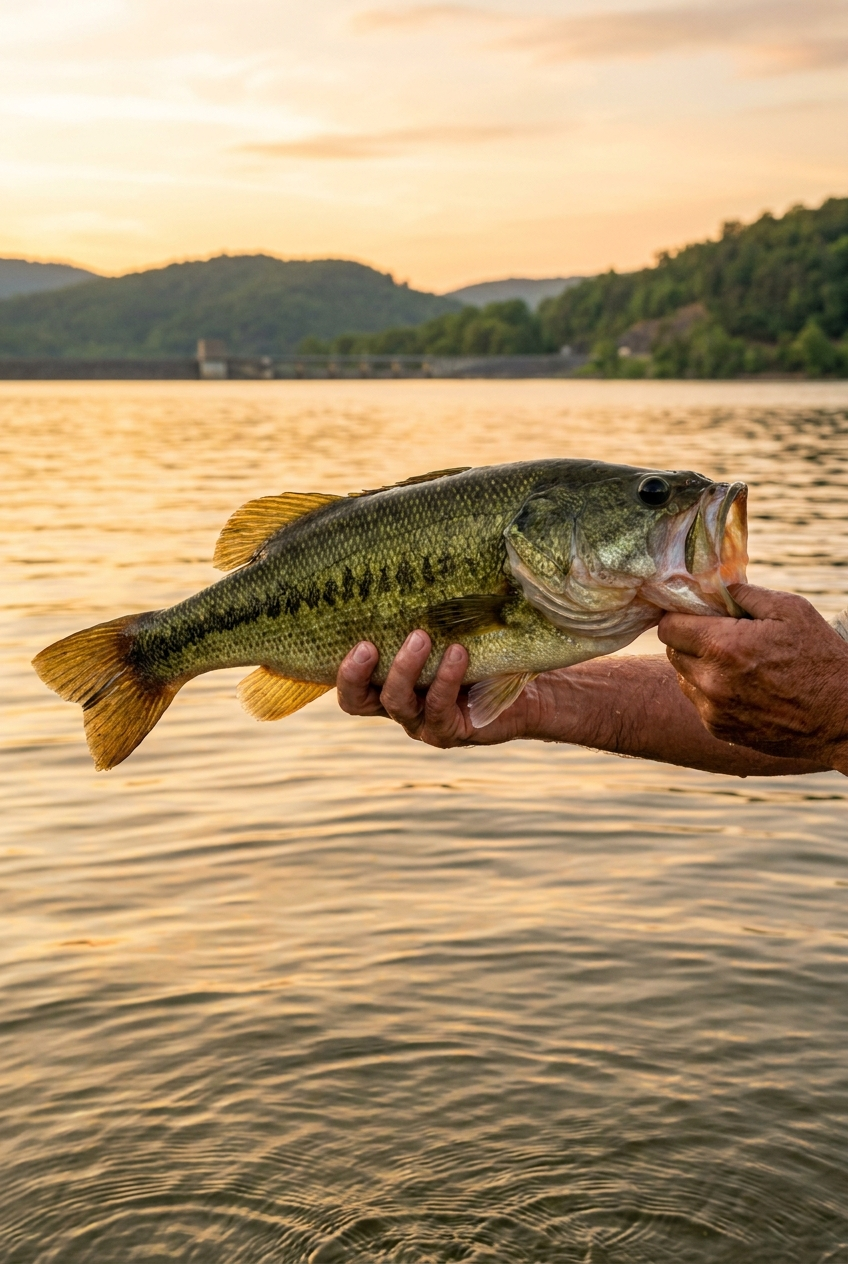
Largemouth bass are well-distributed throughout Watts Bar Lake in the shallow cove timber, dock structure, and grass beds of the tributary arms and protected coves across the lake's five-county range. The Emory River arm in Roane County, the Clinch River arm in the upper lake, and the numerous smaller tributaries throughout the Meigs and Rhea county sections all hold quality largemouth habitat. Spinnerbaits and jigs worked through dock structure and timber produce largemouth throughout the year. The grass beds and emergent vegetation in the protected coves provide additional largemouth habitat that becomes particularly productive in summer and fall. Spring largemouth fishing peaks at Watts Bar Lake from late March through May as fish stage on secondary points and dock lines before moving into the cove backs to spawn. The Emory River arm near Harriman and the Clinch River arm near Kingston hold strong largemouth populations and provide ideal spawning habitat in the protected back-cove areas. Summer largemouth retreat to deeper dock structure and submerged timber at 10 to 16 feet. Fall crankbait and spinnerbait fishing along the cove mouths and main-lake secondary points produces excellent largemouth action through October and November. TWRA standard black bass regulations apply: verify current size and bag limits at tn.gov/twra before fishing.
Watts Bar Lake Smallmouth Bass Fishing Report
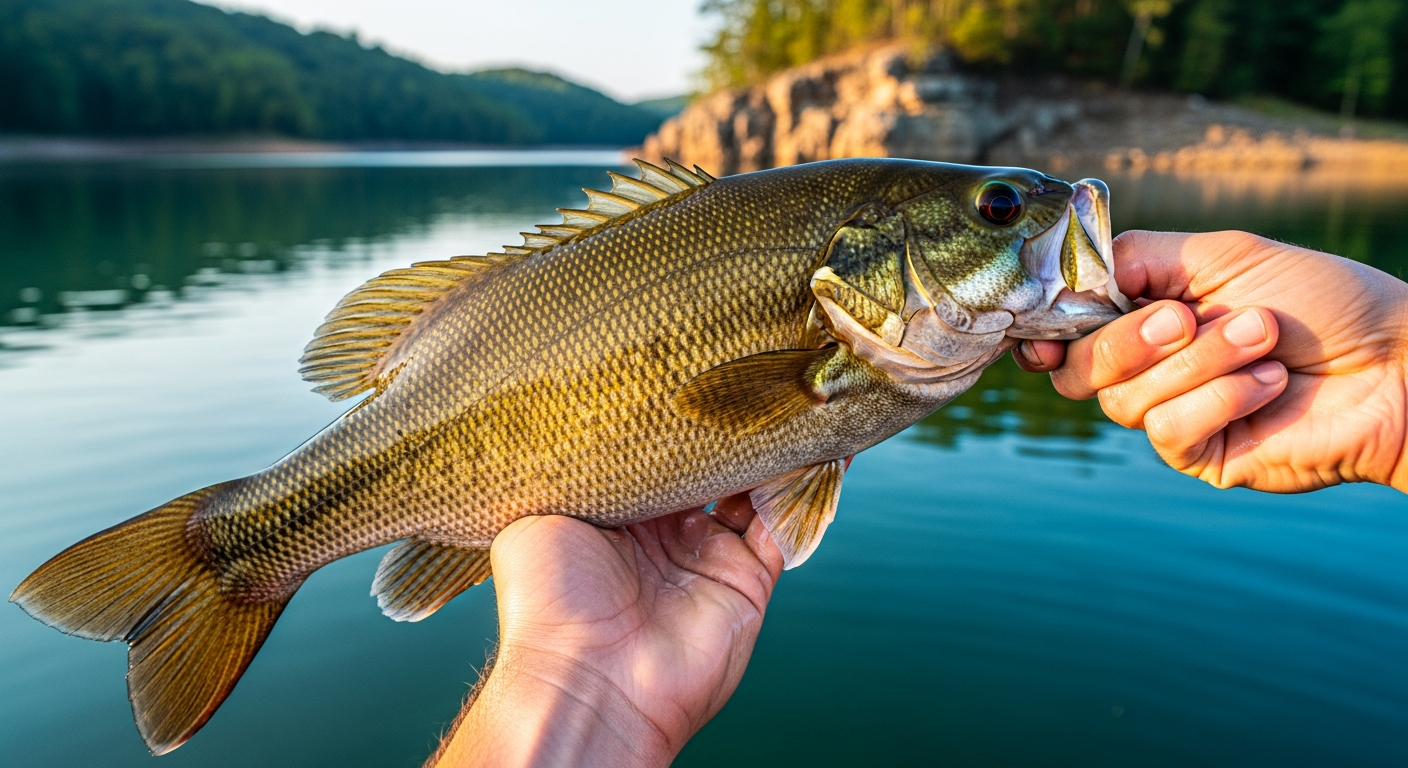
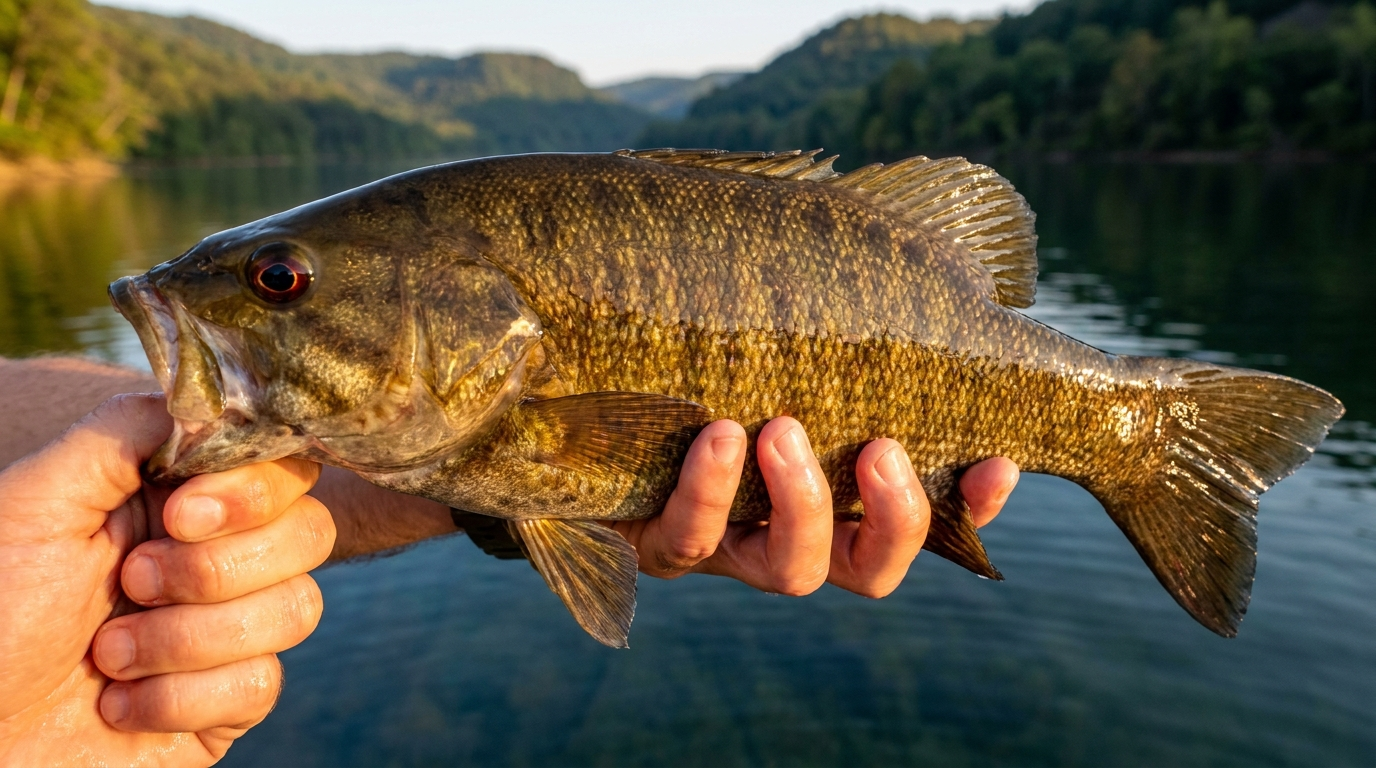
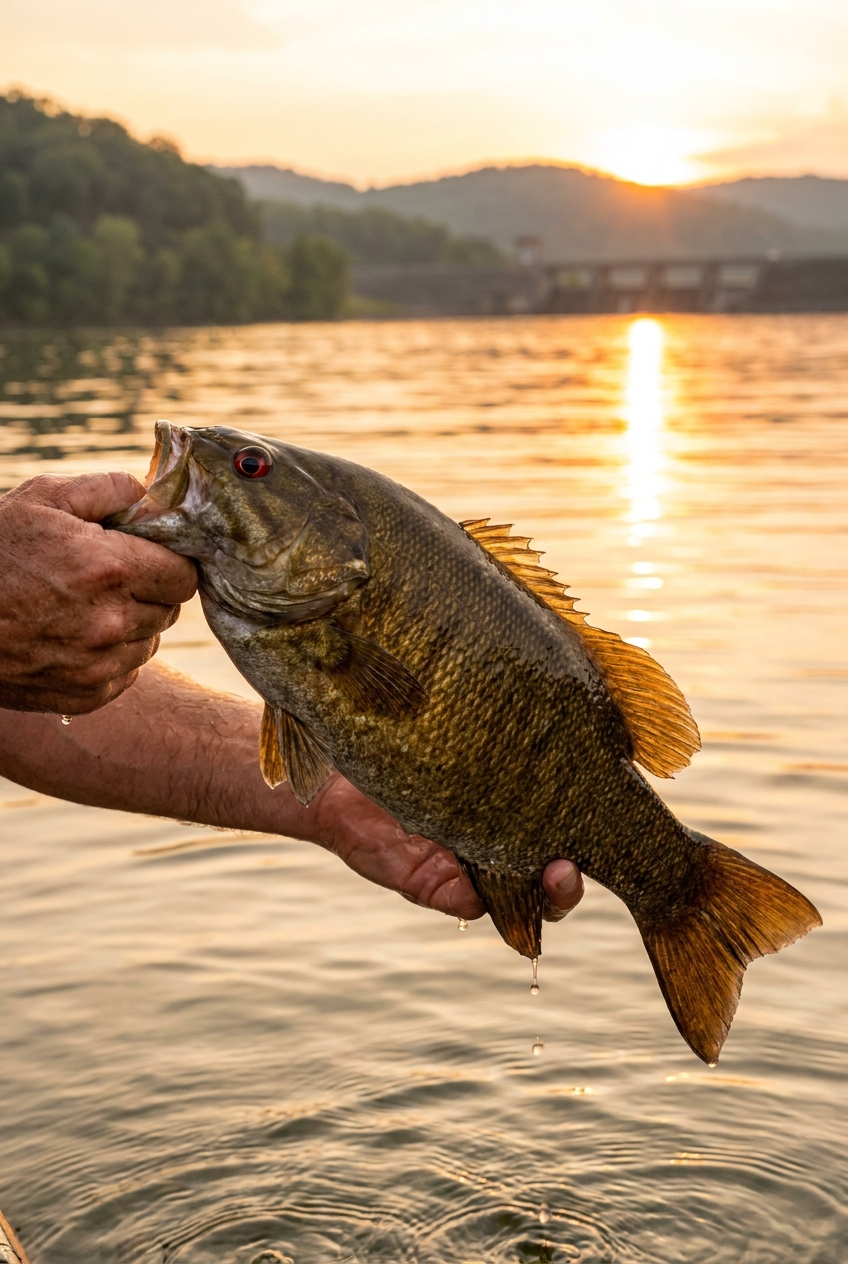
Smallmouth bass at Watts Bar Lake occupy the rocky main-channel structure, gravel bars, and hard-bottom transitions of the Tennessee River channel and the lower reaches of the major tributary arms. The Tennessee River's naturally rocky substrate throughout the Watts Bar basin creates reliable smallmouth habitat on the main channel points and secondary structures below the major tributary mouths. Tube jigs and crankbaits worked along the rocky main channel transitions and gravel bars at 10 to 22 feet produce the most consistent smallmouth throughout the year. The lower sections of the Clinch and Emory River arms, where the substrate transitions from the soft tributary bottom to the harder Tennessee River rock, are particularly productive smallmouth zones at Watts Bar. Spring smallmouth fishing is the most accessible season, as fish move to the rocky gravel bars and shallow channel edges at 5 to 12 feet during the April and May spawn. Summer smallmouth hold deeper on the main channel structure at 15 to 28 feet. Fall provides a reliable secondary smallmouth bite on the main channel rocky points and transitions as water temperatures drop through October. TWRA standard black bass regulations apply: verify current size and bag limits at tn.gov/twra before fishing.
Watts Bar Lake Striped Bass Fishing Report
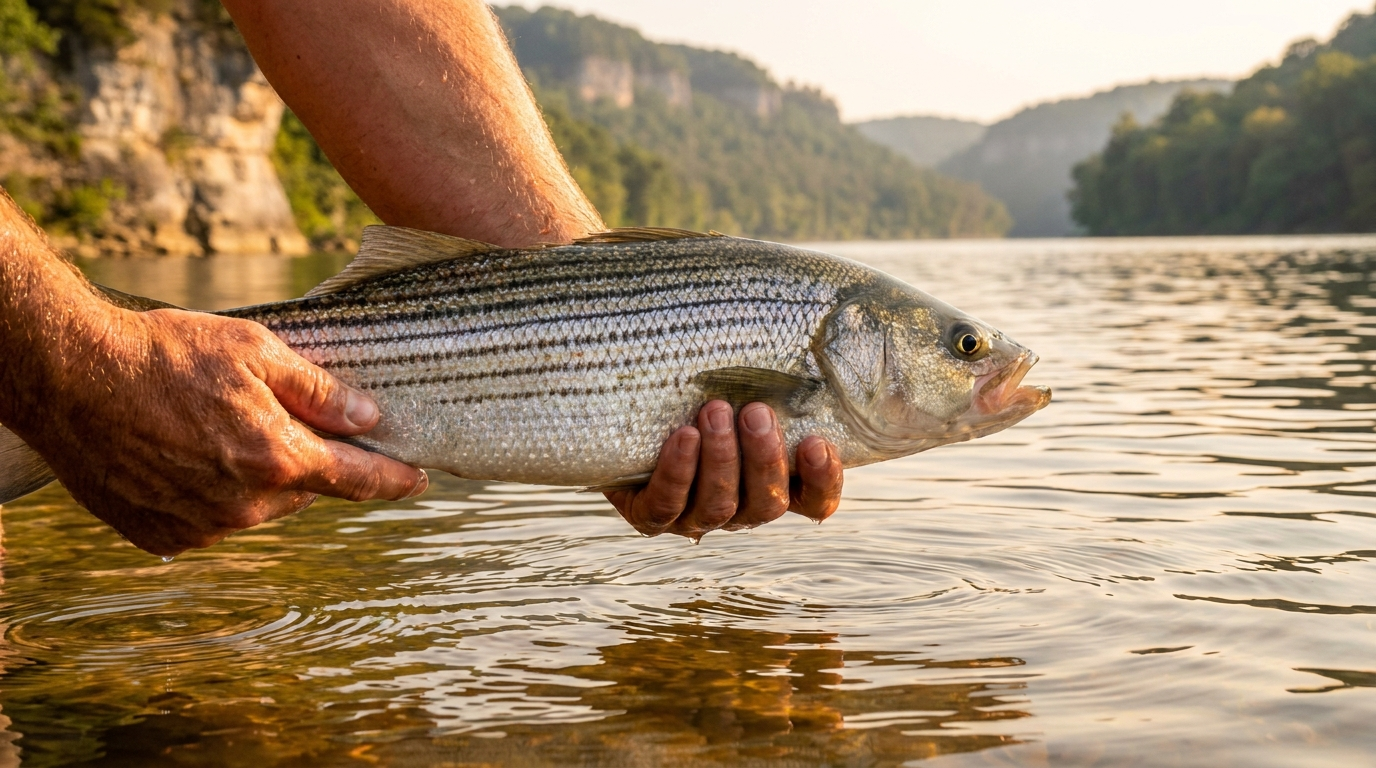
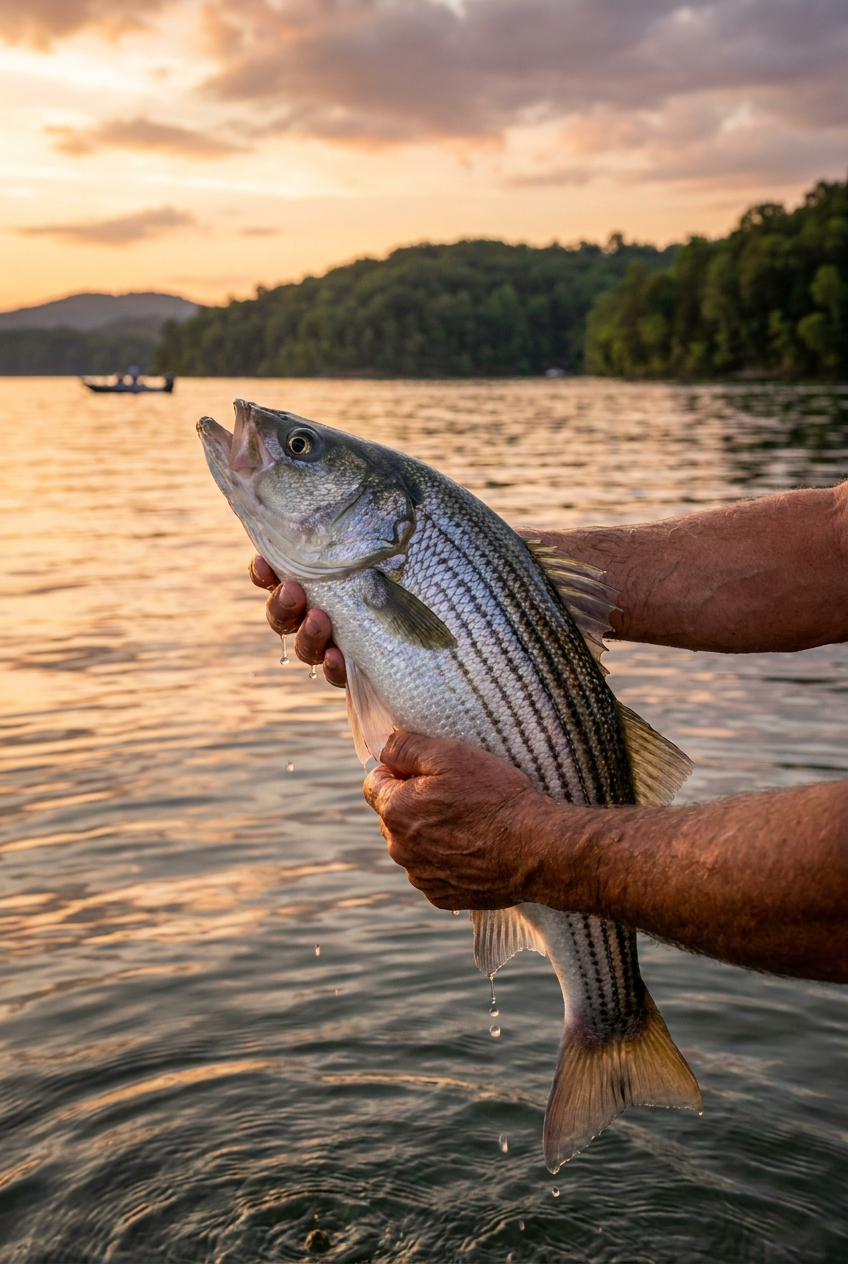
Striped bass are a major fishery at Watts Bar Lake and one of the species that draws the most dedicated attention from serious Tennessee River anglers. TWRA stocks striped bass in Watts Bar, and the lake's size - nearly 40,000 acres - and depth near the dam provide the cold-water refuge stripers need through summer. The main Tennessee River channel and the deeper portions of the Clinch and Emory River arms hold stripers throughout the year. Live shad is the premier striper bait at Watts Bar, fished on downriggers below the thermocline in summer or drifted on the main channel transitions in cooler months. Trolling umbrellas rigs and large swimbaits along the main channel at 15 to 25 feet is the most consistent summer striper approach at Watts Bar. Surface schooling activity from May through October is a common sight on the main lake, with fish pushing shad schools to the surface during early morning hours. The areas near Watts Bar Dam in the lower lake concentrate stripers during the hottest summer months when the cold deep water is essential for fish survival. Autumn provides some of the best striper fishing as fish become more aggressive and accessible across a wider depth range. TWRA regulations apply to striped bass: verify current size and bag limits at tn.gov/twra before fishing.
Watts Bar Lake Crappie Fishing Report
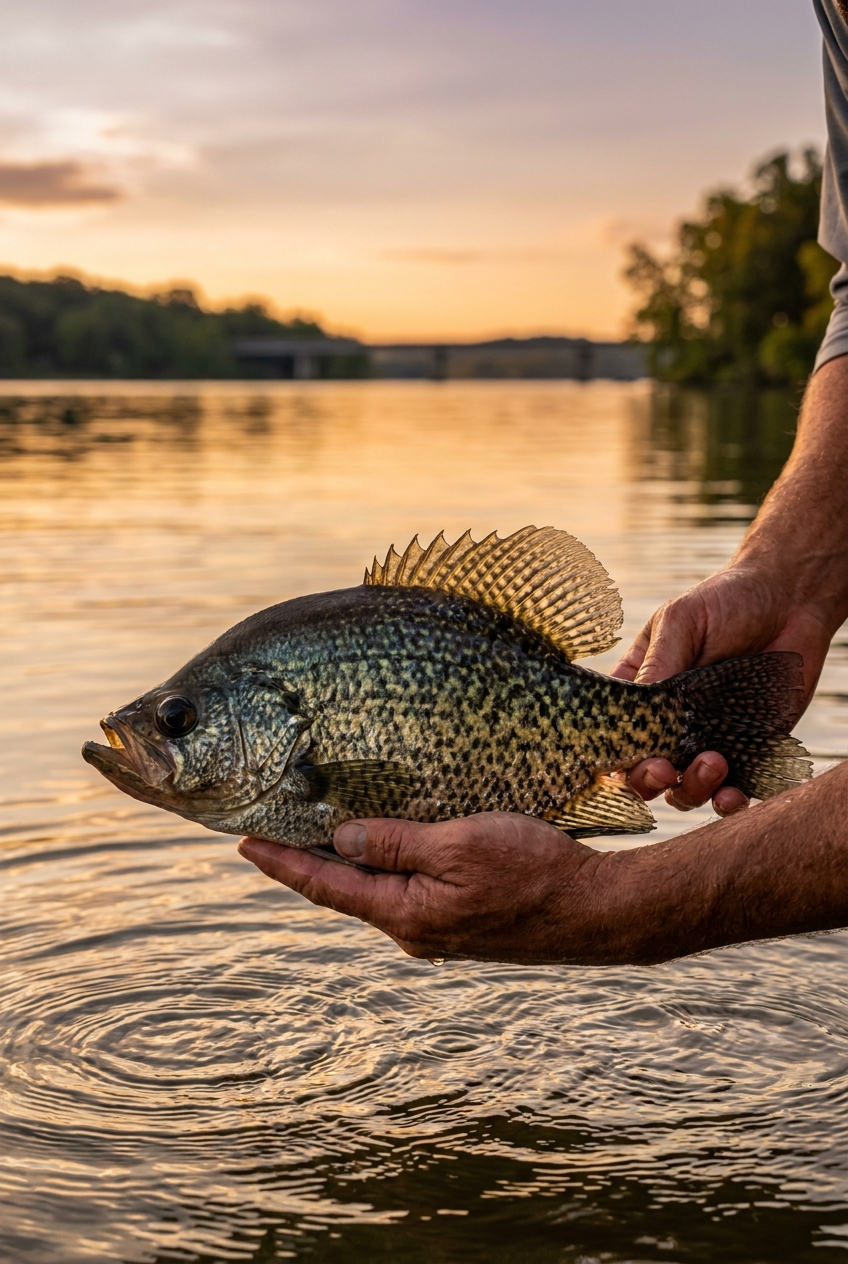
Crappie fishing at Watts Bar Lake is excellent and consistently productive throughout the dock structure, standing timber, brush piles, and bridge pilings across the lake's extensive five-county reach. Both black and white crappie are present, and the lake produces quality fish with consistent regularity. The dock communities throughout the Roane and Meigs county shorelines, the standing timber in the upper Emory River arm, and the brush piles throughout the Clinch River arm all hold crappie year-round. Small tube jigs, crappie jig-minnow combinations, and live minnows on a float worked vertically at 6 to 14 feet around dock pilings and submerged brush produce the most fish. Spring crappie fishing is the most popular season at Watts Bar. Fish move from winter holding depths of 18 to 25 feet into the shallow dock and brush structure at 4 to 10 feet from late February through April. The Highway 58 bridge area, the Kingston Steam Plant area, and the dock communities throughout the Roane County arm hold heavy spring crappie concentrations. Summer crappie suspend under dock structure in 14 to 20 feet and are accessible to vertical jig presentations through the dock pilings. Fall crappie return to mid-depth brush at 8 to 14 feet and produce good catches through November. TWRA standard crappie regulations apply: verify current size and bag limits at tn.gov/twra before fishing.
Watts Bar Lake Catfish Fishing Report
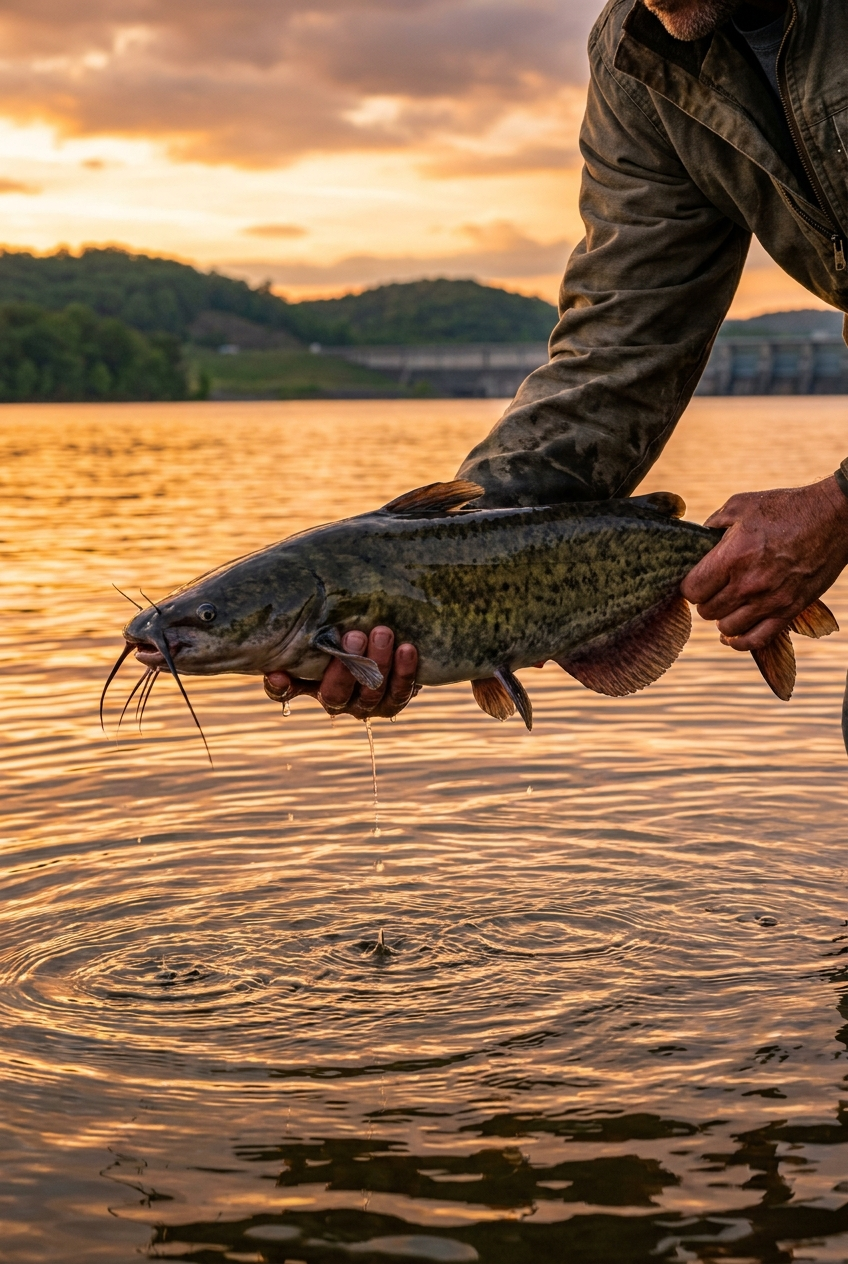
Catfish are abundant throughout Watts Bar Lake and include channel catfish, blue catfish, and flathead catfish distributed across the lake's diverse habitat. Channel catfish are the most commonly caught species and are found throughout the tributary mouths, channel transitions, and deeper cove areas. Blue catfish are present in the main Tennessee River channel and can reach very large sizes in the fertile reservoir. Cut shad, chicken liver, and prepared catfish baits fished on the bottom near channel drops and tributary mouths produce consistent channel catfish results throughout the year. Night fishing for catfish from the numerous TVA recreation areas and public boat ramps around Watts Bar Lake is a summer tradition in the Rhea and Roane county communities. The Emory River mouth near Harriman, the Clinch River mouth near Kingston, and the numerous smaller tributaries throughout the lake concentrate catfish feeding activity. Flathead catfish in the deep channel timber and woody structure of the larger tributary arms can reach impressive sizes. Spring catfish fishing in the tributary shallows during spawning season from April through June produces active fish in accessible water. TWRA standard catfish regulations apply: verify current size and bag limits at tn.gov/twra before fishing.
Watts Bar Lake Sauger Fishing Report
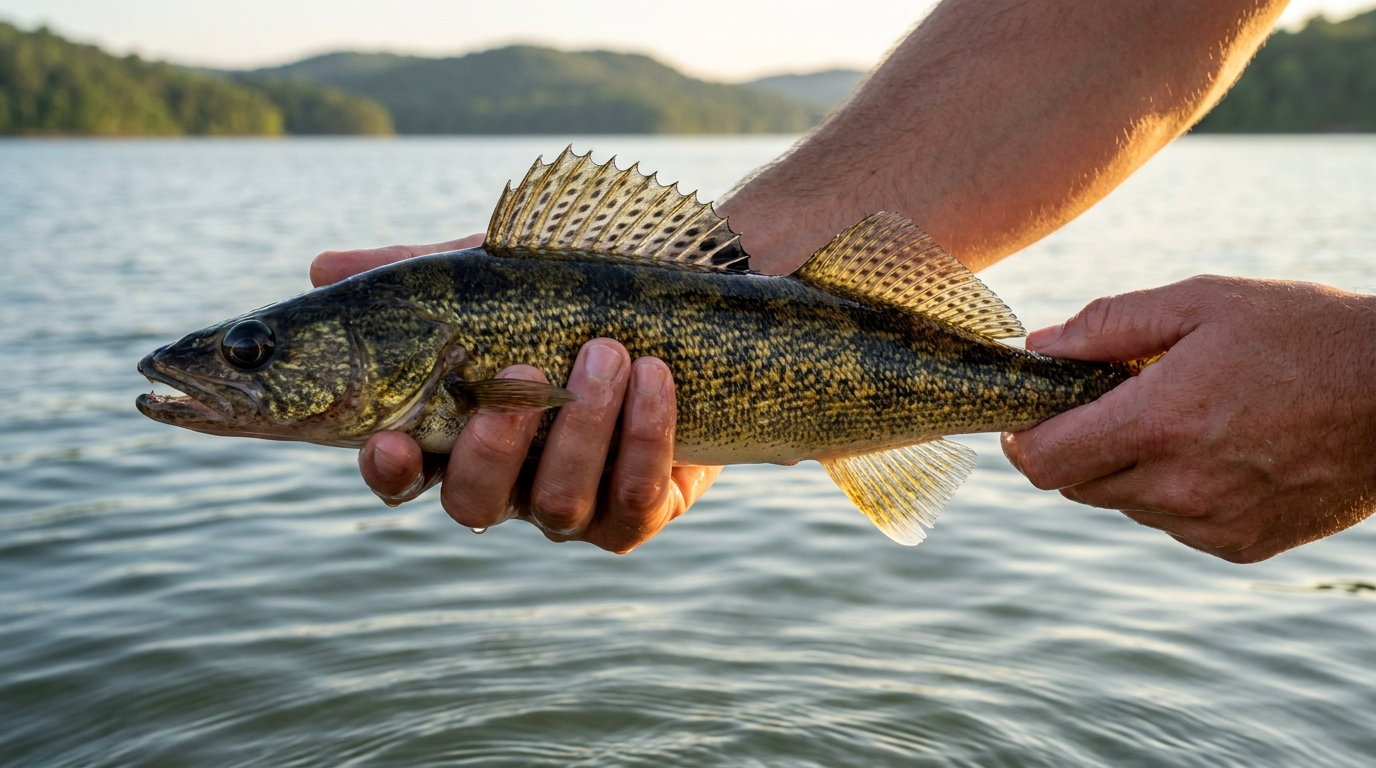
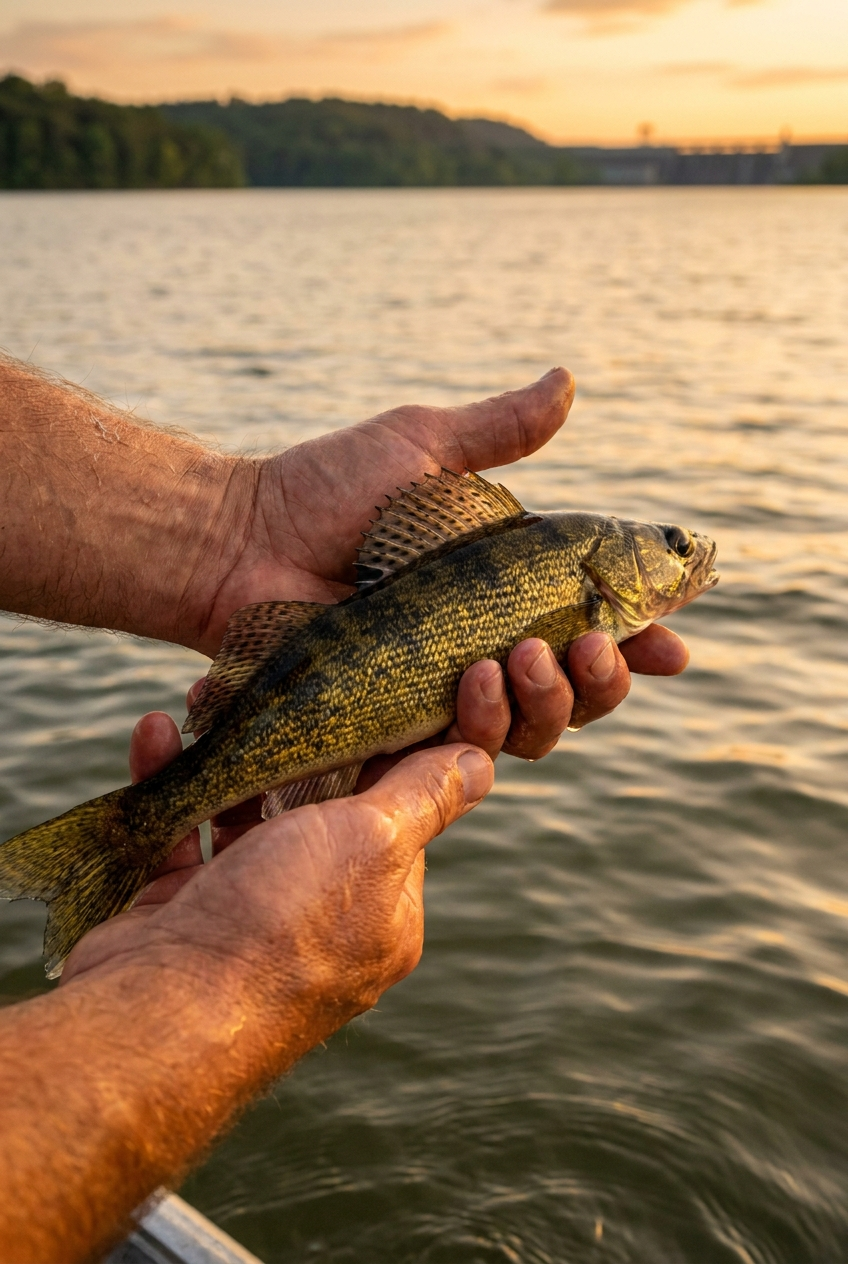
Sauger fishing is the most distinctive and celebrated fishery at Watts Bar Lake. Sauger are walleye relatives that thrive in the turbid, current-influenced Tennessee River, and Watts Bar sits in a section of the river that provides ideal sauger habitat - moderate current flow between Chickamauga and Fort Loudoun dams, rocky channel structure, and the turbid conditions that sauger prefer. TWRA manages Watts Bar as one of Tennessee's primary sauger fisheries, and the lake produces consistent fish with an established following among dedicated Tennessee River anglers. Low-light periods from dawn to mid-morning and again at dusk are the most productive windows for sauger, which are more light-sensitive than largemouth bass. Jigging with blade baits, marabou jigs, and tube jigs along the main Tennessee River channel bottom in 12 to 22 feet produces the most consistent sauger at Watts Bar. The channel edges, rocky transitions, and gravel bars along the main river channel throughout the Rhea and Meigs county sections of the lake are primary sauger holding areas. Winter and early spring are the most reliable sauger seasons, particularly from December through March when fish concentrate in the lower lake near Watts Bar Dam and in the rocky channel transitions throughout the main lake. Night fishing along the main river channel with jigs and live minnows produces sauger from late fall through early spring. TWRA regulations apply to sauger on Watts Bar Lake: verify current size and bag limits at tn.gov/twra before fishing.
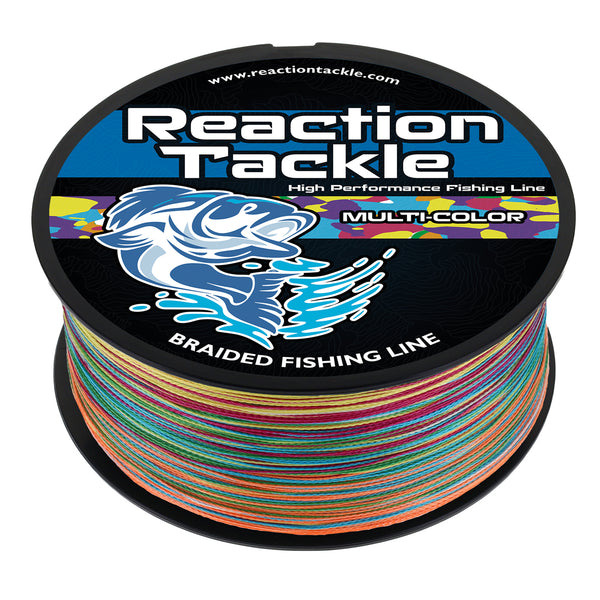
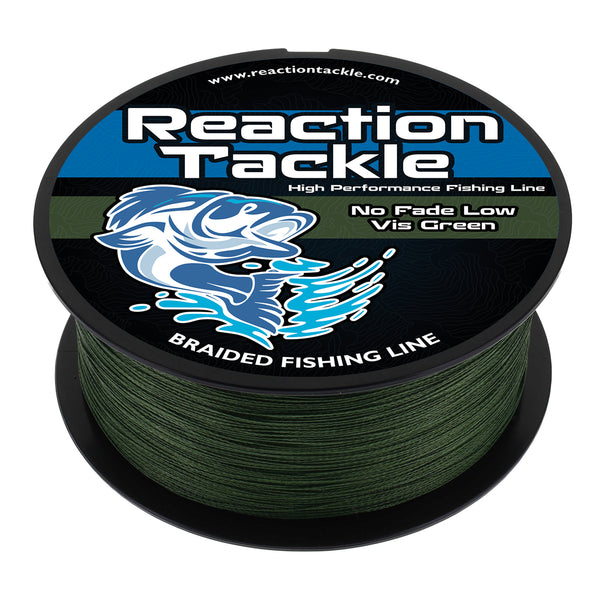
If you haven't replaced your braided line in a season or two, now's the time. Braid holds up better than mono, but abrasion from wood and rock adds up. Reaction Tackle is one of my favorite places to order from.
Top Fish to Target in Watts Bar Lake
Lures for Watts Bar Lake
Tackle matched to this lake's species and structure.
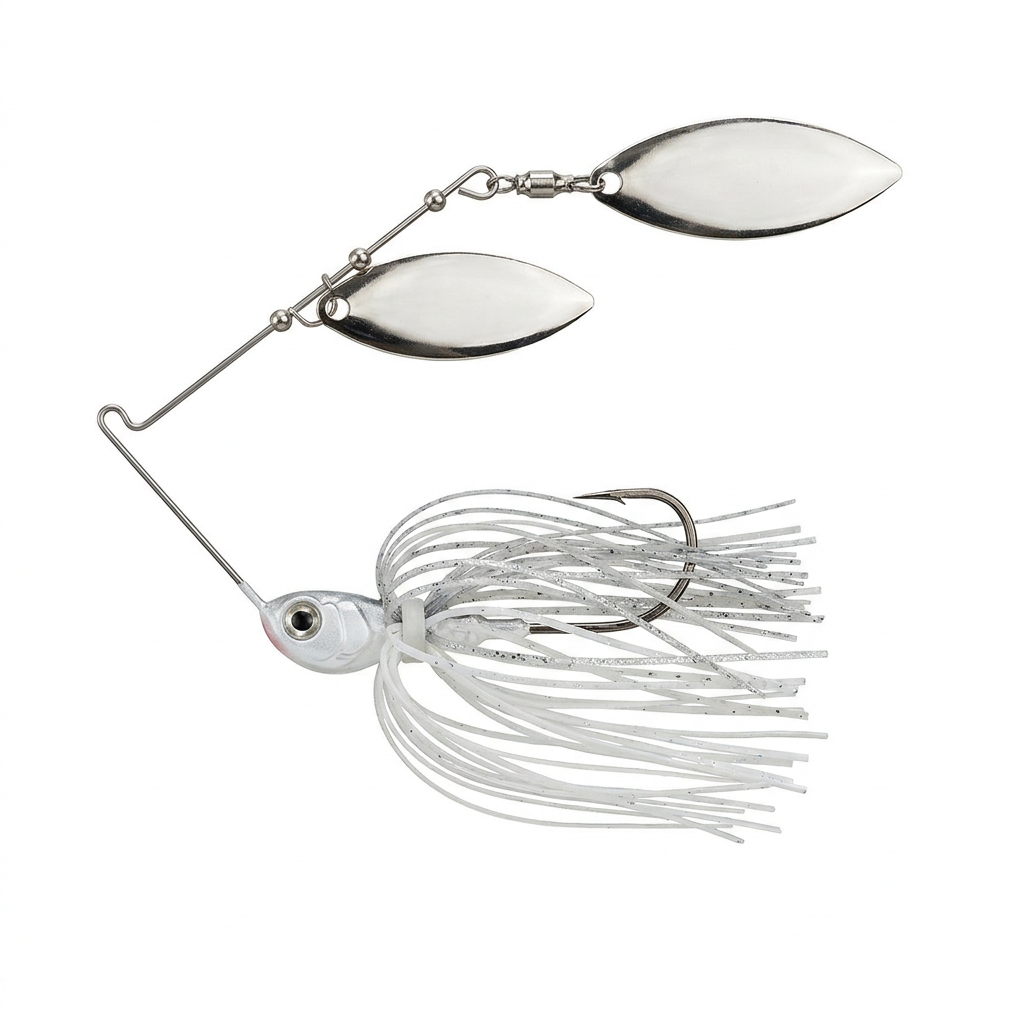
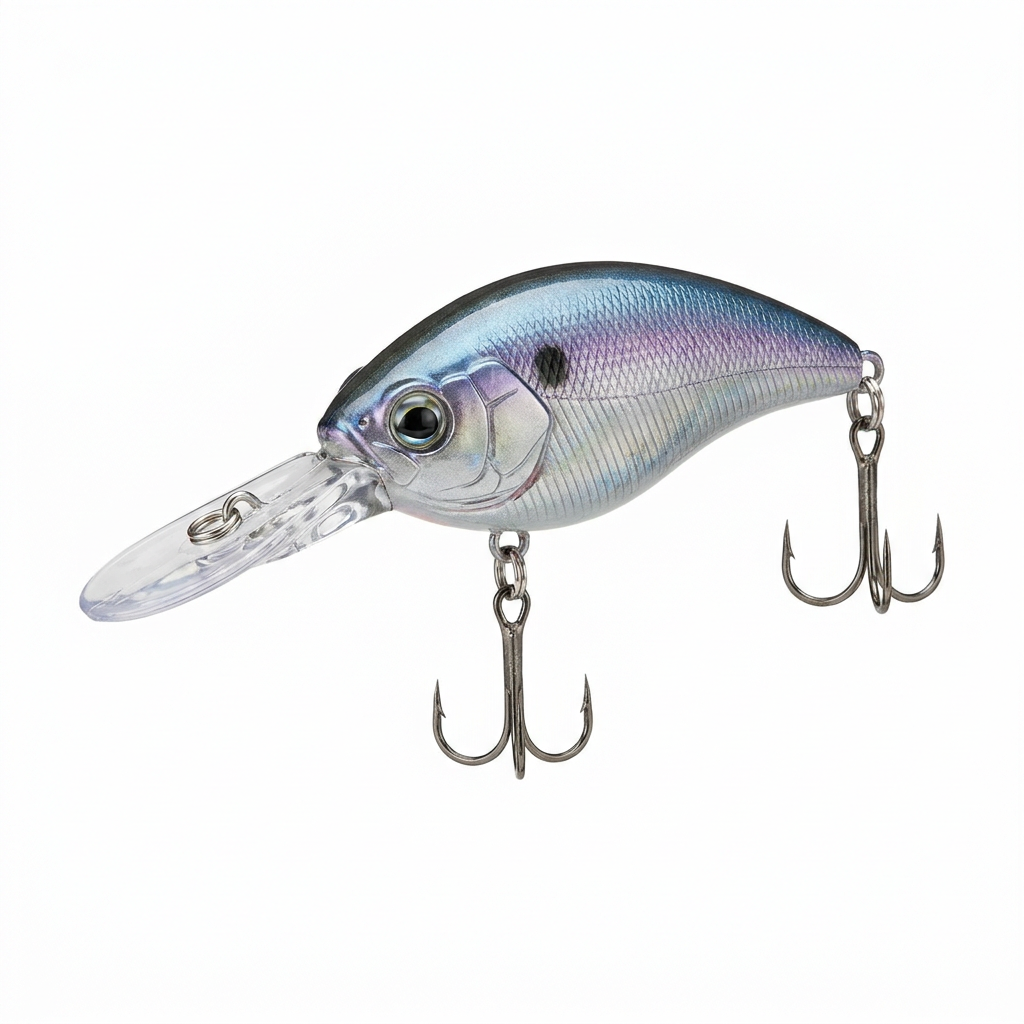
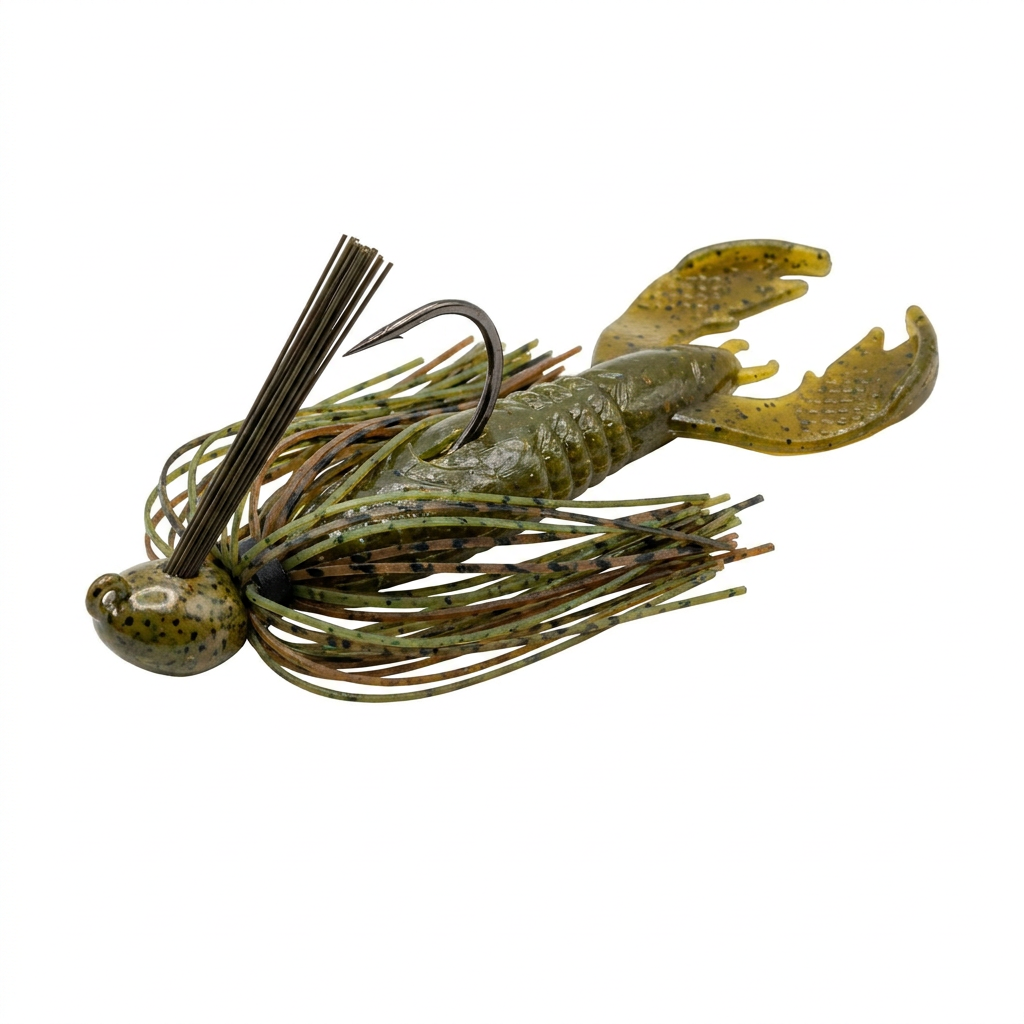
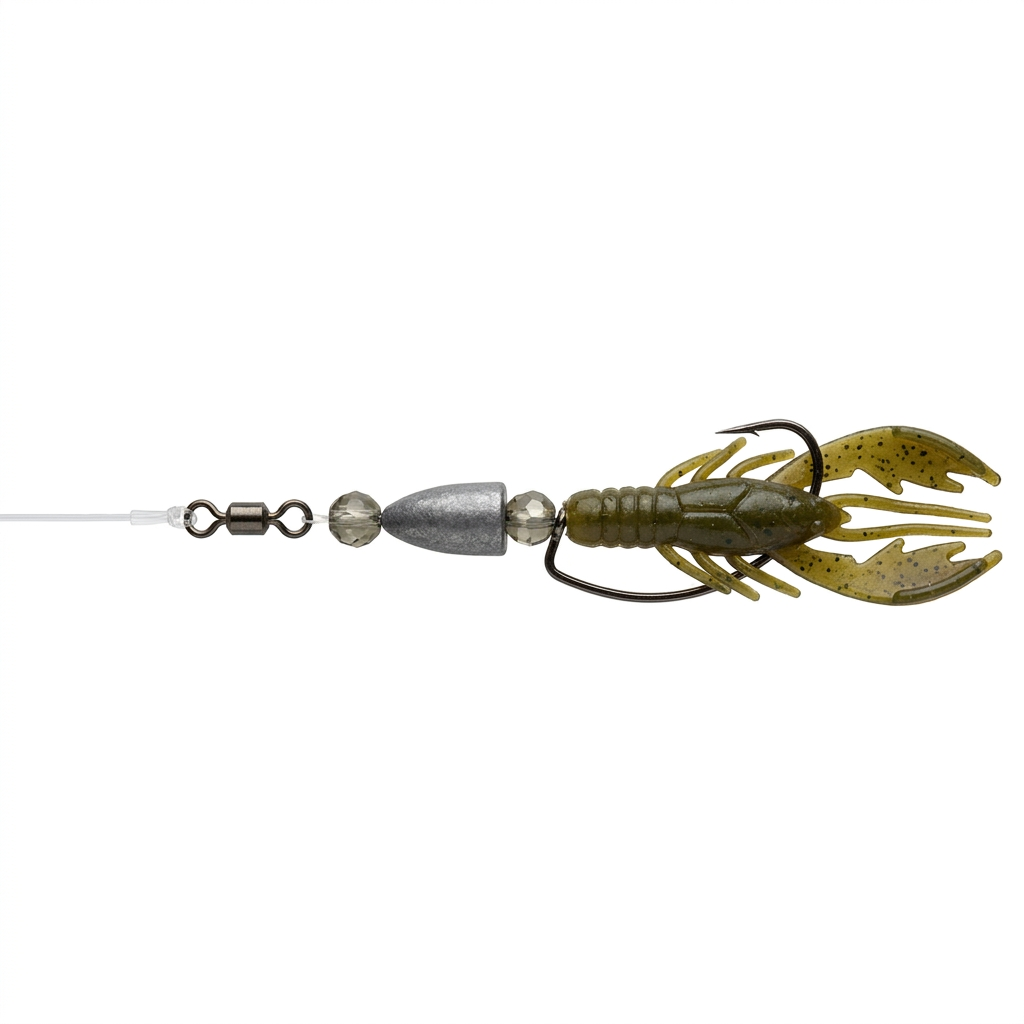
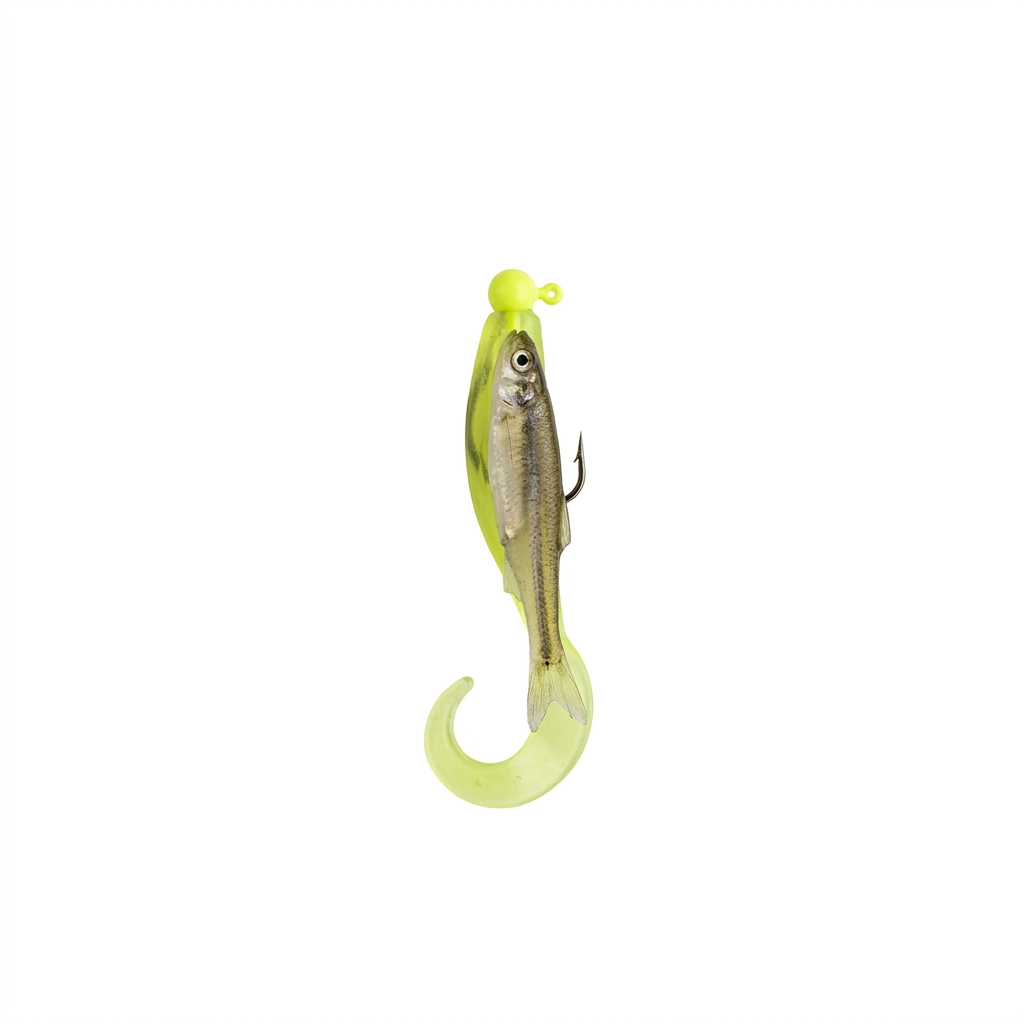
The right line matters as much as the lure. For the presentations that work on this lake, whether flipping timber, fishing main lake structure, or working deep brush, braid is the move. No stretch, more feel, and it lasts. Reaction Tackle is where I get mine.
About Watts Bar Lake
Lake size and location. Watts Bar Lake covers approximately 39,090 acres across Rhea, Meigs, Loudon, Roane, and McMinn counties in east-central Tennessee, formed by Watts Bar Dam on the Tennessee River. TVA completed Watts Bar Dam in 1942. The lake reaches a maximum depth of approximately 90 feet near the dam and sits between Chickamauga Lake to the south and Fort Loudoun Lake to the north, making it a mid-river impoundment on the mainstem Tennessee River. The nearest town is Spring City in Rhea County. The city of Harriman in Roane County and Kingston, the seat of Roane County, are also nearby communities on the lake's shoreline.
Sauger: the signature species. Watts Bar Lake is regarded as one of the finest sauger fisheries in Tennessee, benefiting from the Tennessee River's current-influenced character and the turbid conditions that sauger thrive in. Sauger differ from walleye in preferring turbid water and stronger current, making the Tennessee River's regulated flow between the Chickamauga and Fort Loudoun dams well-suited to their needs. Winter and early spring low-light jigging on the main channel bottom produces the most consistent sauger catches, and the species has a devoted following among Tennessee River anglers who make seasonal pilgrimages to Watts Bar specifically for sauger fishing.
Major tributary arms. Two significant river arms greatly expand Watts Bar Lake's fishable habitat. The Emory River enters the lake near Harriman in Roane County and provides miles of productive largemouth, crappie, and catfish habitat in its upper reaches. The Clinch River arm enters the lake near Kingston and is another major tributary that supports diverse fishing opportunities. These tributary arms concentrate fish during spring spawning runs and provide distinct habitat types that complement the Tennessee River main channel.
Regulations and access. Tennessee Wildlife Resources Agency regulations apply to all species at Watts Bar Lake. TVA maintains multiple recreation areas with public boat ramps, including Watts Bar Lake State Park on the western shore. Always verify current regulations at tn.gov/twra before fishing, particularly for sauger which may have specific seasonal and size restrictions separate from standard walleye regulations.