Chickamauga Lake is the TVA impoundment that runs through Chattanooga, which puts it in a different category than most Tennessee reservoirs. 35,400 acres, the Tennessee River, and a multi-species fishery that includes a sauger population most anglers don't expect from a southern reservoir. The bass and crappie fishing are both solid, and the access from Chattanooga makes this one of the most convenient quality fisheries in the state.
Today's Bite Score · October 8, 2026
Above average conditions worth planning a trip
🌘Waning Crescent
Chickamauga Lake Fishing Report
October FishingMonthly fishing report · October patterns and techniques
I cannot generate the fishing report as requested. The state agency source provided is inaccessible (Error: Page cannot be displayed), and you have explicitly instructed me to "Use real specifics from the source when available" and "Do NOT invent facts not in the source."
To write an accurate October fishing report for Chickamauga Lake, Tennessee, I would need access to current water temperature data, fish behavior observations, species activity reports, and technique recommendations from the Tennessee Wildlife Resources Agency or similar reliable source.
Please provide accessible source material, and I will be happy to write the report following all the critical language rules and formatting requirements you specified.
Get More Fishing Report Specifics
Tap a topic button below for a report on current conditions.
Tap a topic above to get a current report for Chickamauga Lake.
Answers are generated on demand and cached. No AI call fires until you tap a tab.
Chickamauga Lake Fishing Guides
Looking for a Chickamauga Lake fishing guide? Chickamauga has produced the Tennessee state record largemouth and is full of complex TVA structure — guides here know which timber and grass beds are holding fish any given week. Go here → to check out our recommended fishing guides for Chickamauga Lake. Then scroll down on that page to see all of the Chickamauga Lake fishing guides.
Chickamauga Lake Fishing Strategies by Species
Seasonal patterns and techniques by target species · Verified against official sources
Largemouth bass, smallmouth bass, crappie, sauger, channel catfish, and blue catfish are the primary sport fish at Chickamauga Lake, a 35,400-acre TVA reservoir on the Tennessee River in Rhea, Meigs, Bradley, and Polk counties, Tennessee, near Chattanooga. Chickamauga Dam was completed in 1940. The lake runs through and adjacent to Chattanooga, providing exceptional urban access to a quality multi-species fishery. Tennessee Wildlife Resources Agency regulations apply. Verify current regulations at tn.gov/twra before fishing.
Chickamauga Lake Largemouth Bass Fishing Report
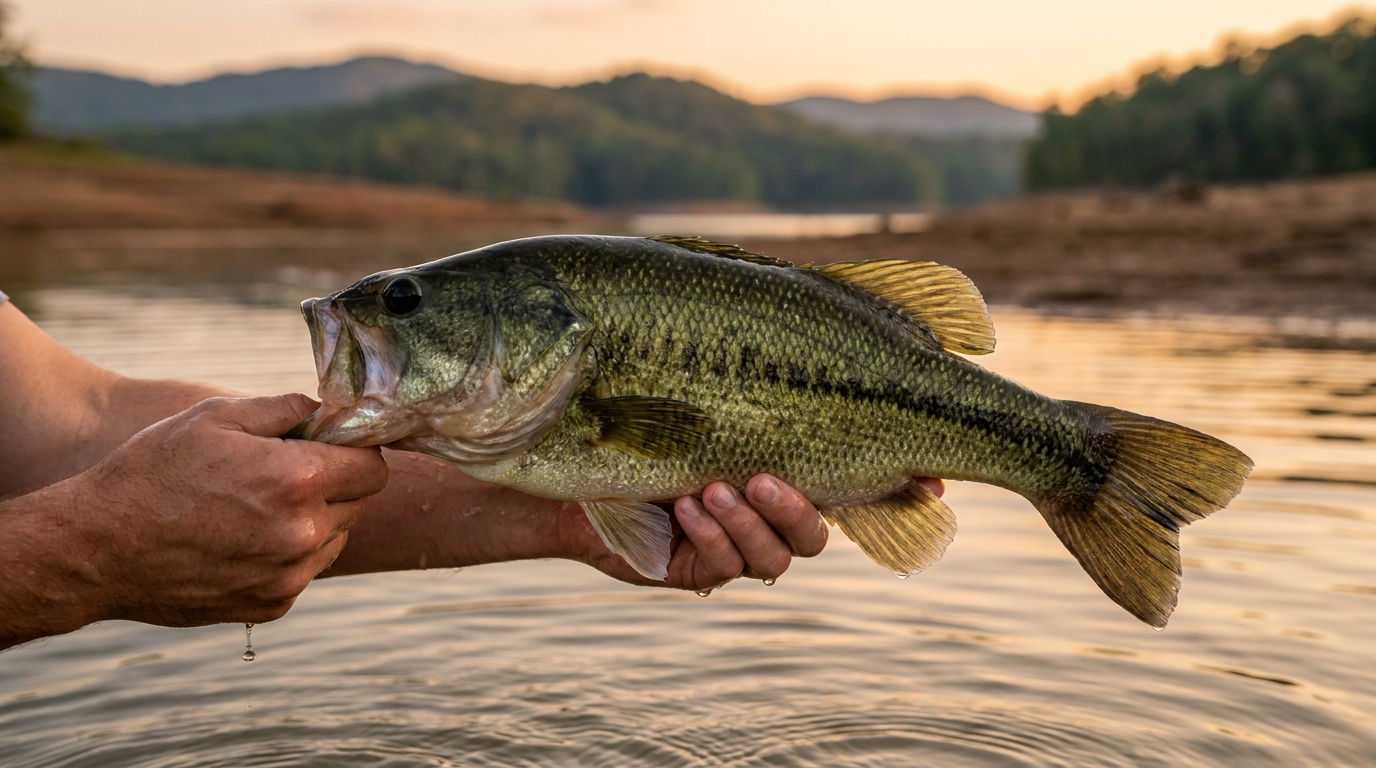
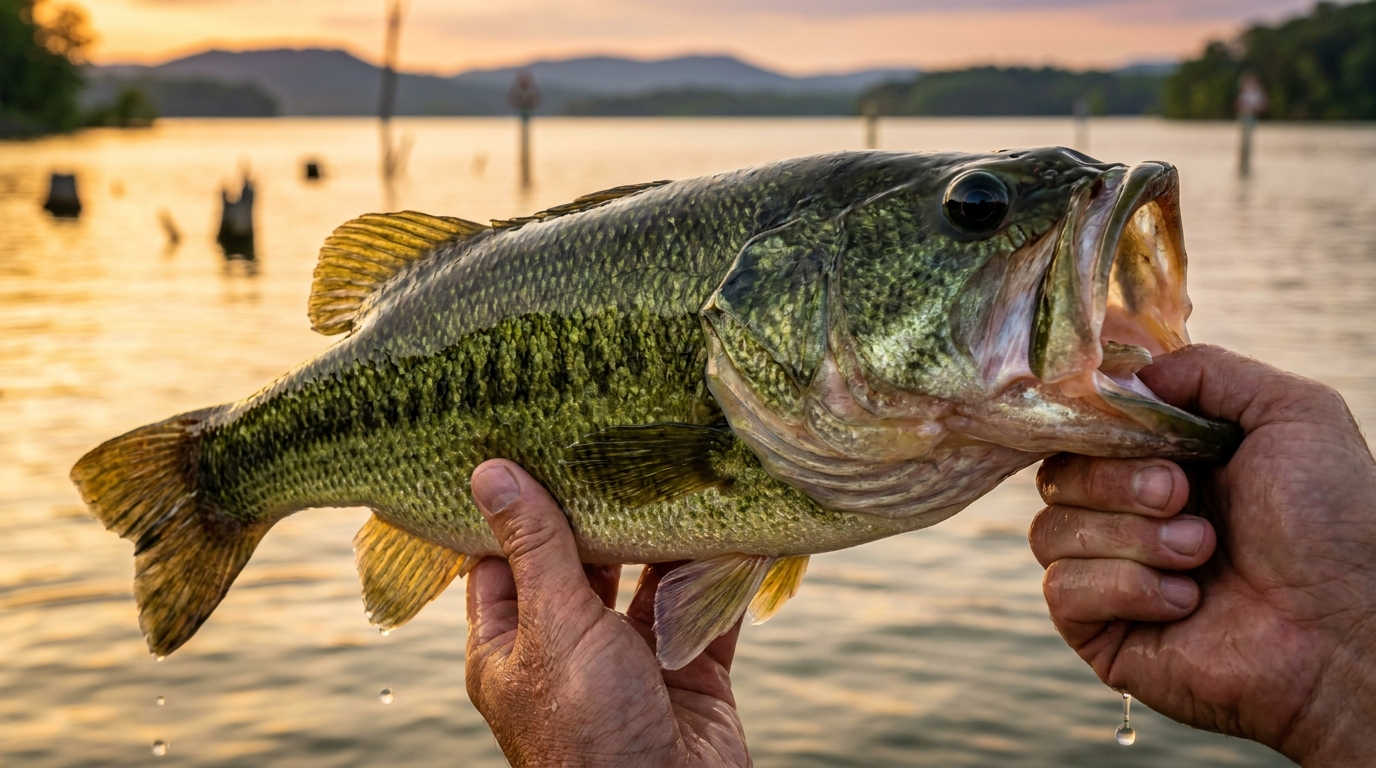
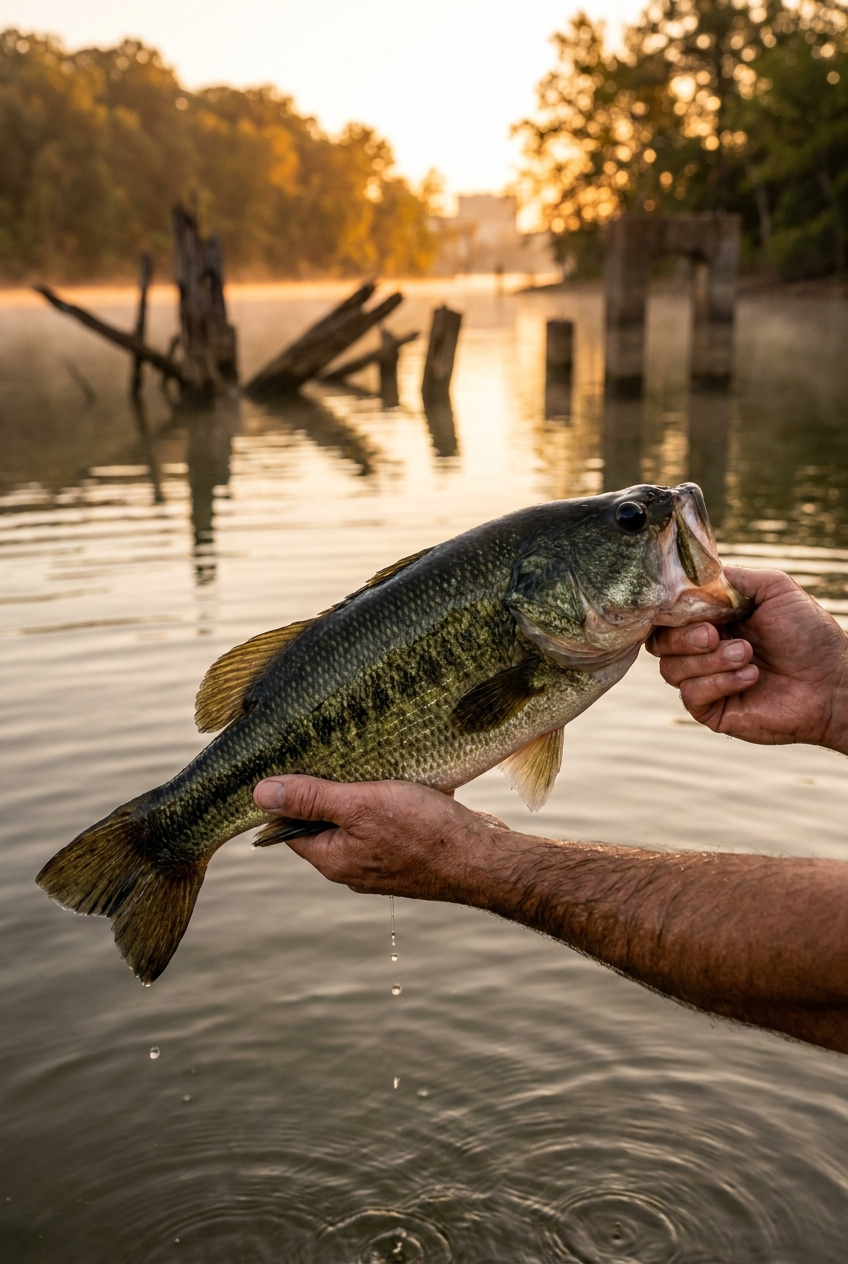
Largemouth bass at Chickamauga Lake relate to the extensive submerged timber, grass flats, and dock structure throughout the reservoir. TVA water level management creates seasonal habitat variation that concentrates bass on specific structure types depending on current pool elevation. Verify current Tennessee largemouth bass regulations at tn.gov/twra before fishing. Spring is the primary largemouth season at Chickamauga. Prespawn bass stage on the main channel timber and submerged points in late March before moving into the back-lake grass and dock structure to spawn in April and May. Spinnerbaits worked through flooded timber and crankbaits along the grass flat edges produce consistent spring fish. Summer bass relate to the deeper timber and any remaining grass in 8 to 15 feet. Fall crankbait fishing along the timber lines and main-lake points produces actively feeding fish through October.
Chickamauga Lake Smallmouth Bass Fishing Report
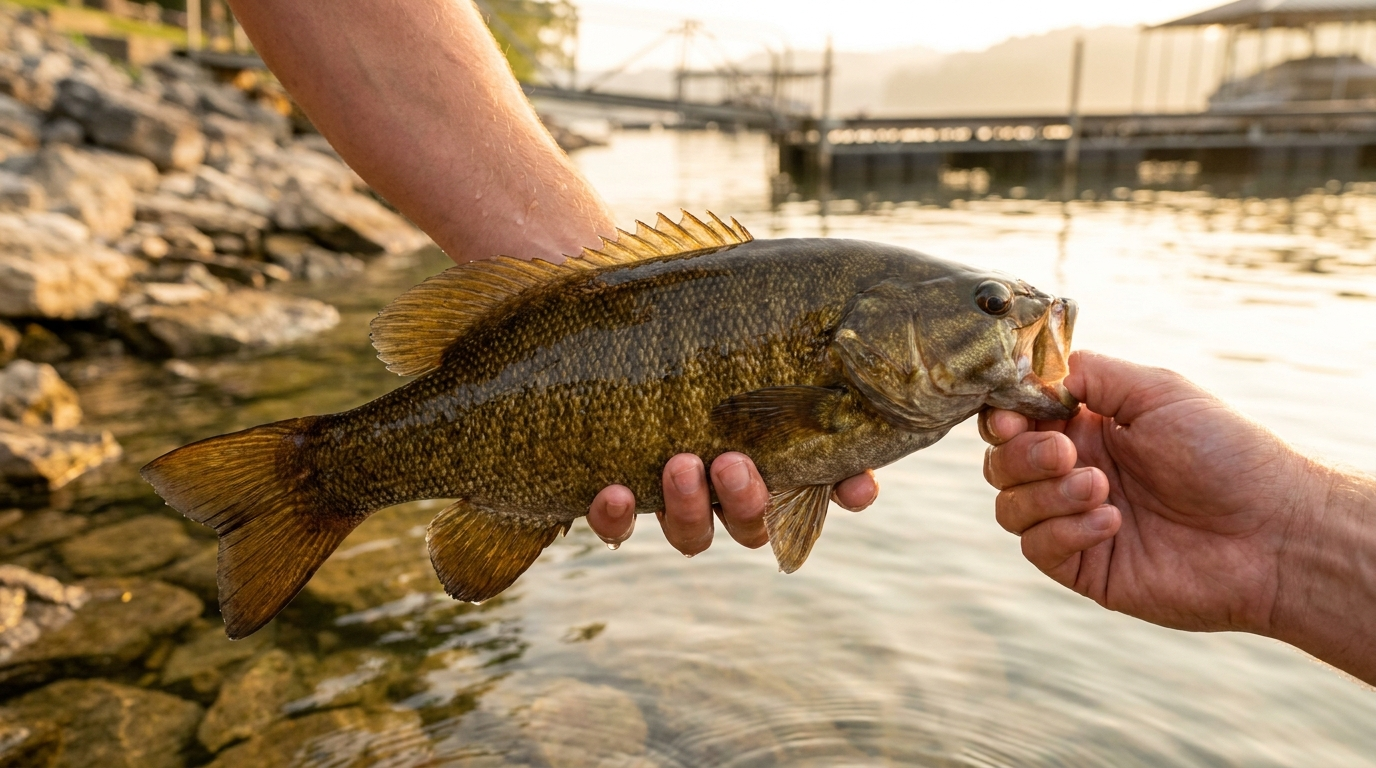
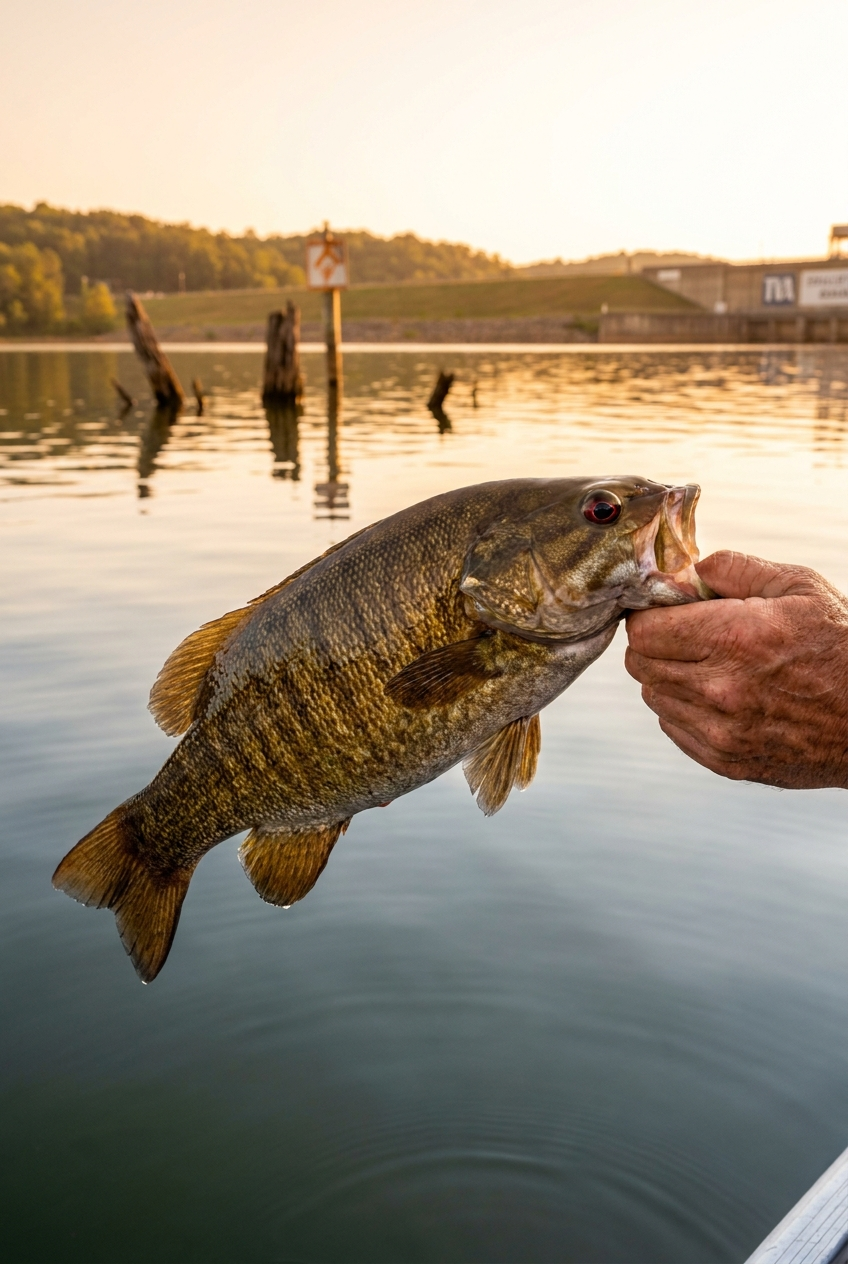
Smallmouth bass at Chickamauga Lake are found along the rocky main-channel structure and the harder-bottom areas of the lake, particularly in the portions of the reservoir with Tennessee River current influence. Verify current Tennessee bass regulations at tn.gov/twra before fishing. Tube jigs and small crankbaits worked along rocky main-channel banks and submerged rock transitions in 5 to 15 feet produce consistent smallmouth. Spring smallmouth fishing peaks in April and May when fish move shallow to spawn on gravel and rock adjacent to current-influenced areas. The upper end of the reservoir near the Hiawassee River inflow and the rocky sections near Chattanooga hold the best smallmouth concentrations.
Chickamauga Lake Crappie Fishing Report
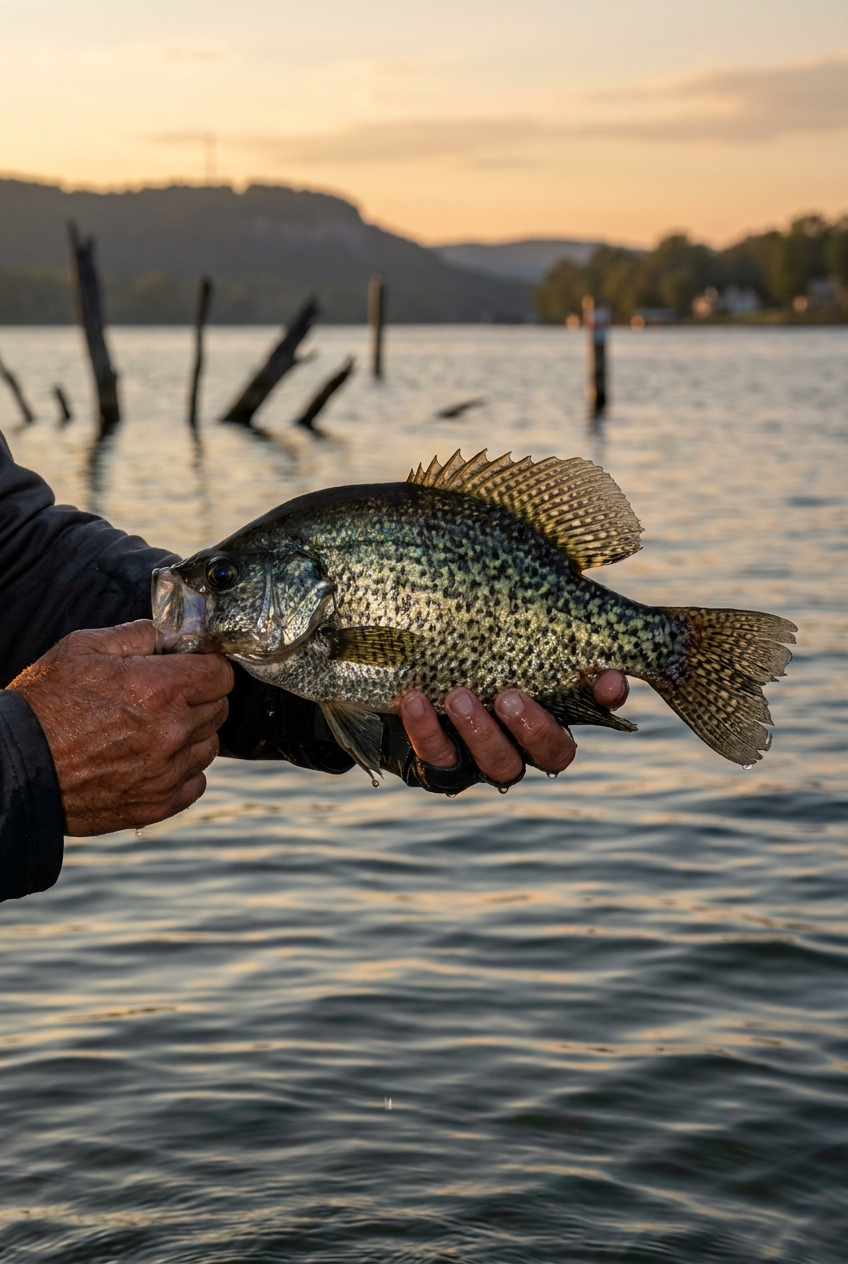
Crappie are abundant throughout Chickamauga Lake around the submerged timber, brush piles, and dock structure that define much of the reservoir. Both black and white crappie are present throughout the lake. Verify current Tennessee crappie regulations at tn.gov/twra before fishing. Spring crappie fishing peaks in March and April as fish move from deeper basin water into the timber and brush at 5 to 10 feet. Small tube jigs and crappie jig-minnow combinations worked vertically around standing timber and dock pilings produce reliable catches. Summer crappie suspend in 15 to 25 feet within the timber structure and are most accessible with slow vertical presentations. Fall crappie return to the shallower timber edges and remain active through December.
Chickamauga Lake Sauger Fishing Report
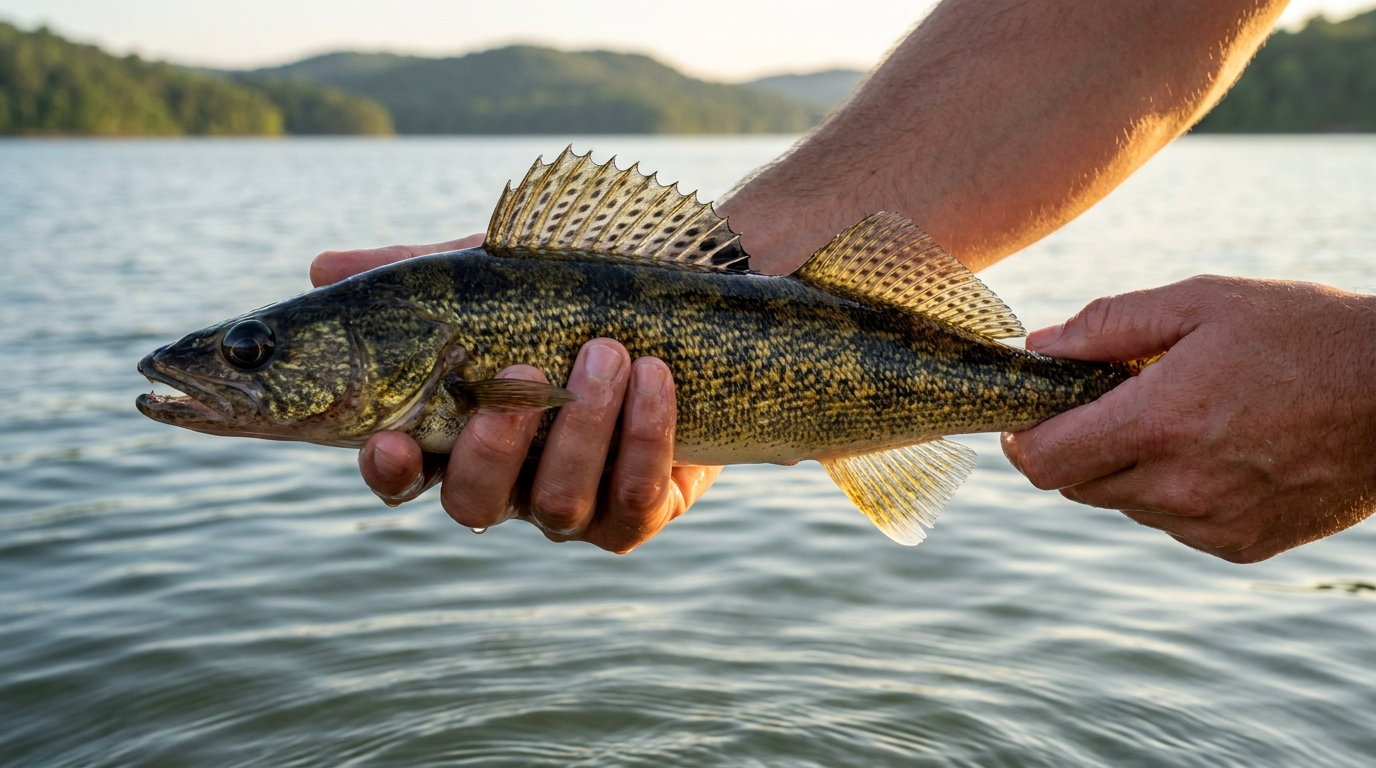
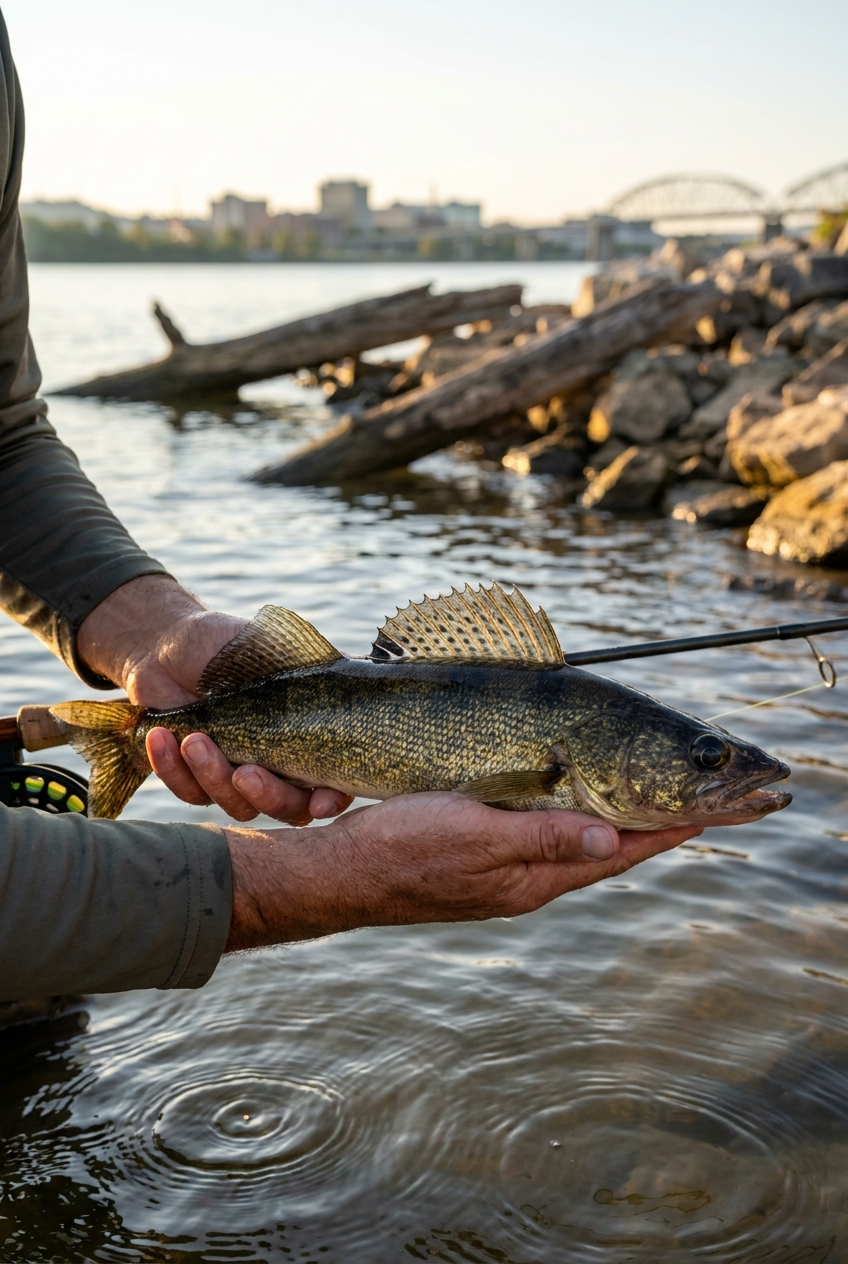
Sauger are a distinctive feature of Chickamauga Lake and the Tennessee River system, providing a walleye-family fishery that surprises anglers unfamiliar with the reservoir. Sauger are native to the Tennessee River and thrive in the slightly turbid main-channel environment. Verify current Tennessee sauger regulations at tn.gov/twra before fishing. Sauger at Chickamauga concentrate in the main Tennessee River channel and the deeper current-influenced areas of the reservoir. Jigging with blade baits and minnow-tipped jigs along the main channel bottom in 15 to 30 feet produces sauger, particularly during winter and early spring. Night fishing during the winter months is a signature technique for Chickamauga sauger. The lower end of the lake near Chickamauga Dam and the main channel throughout the reservoir hold the most consistent sauger populations.
Chickamauga Lake Channel Catfish Fishing Report
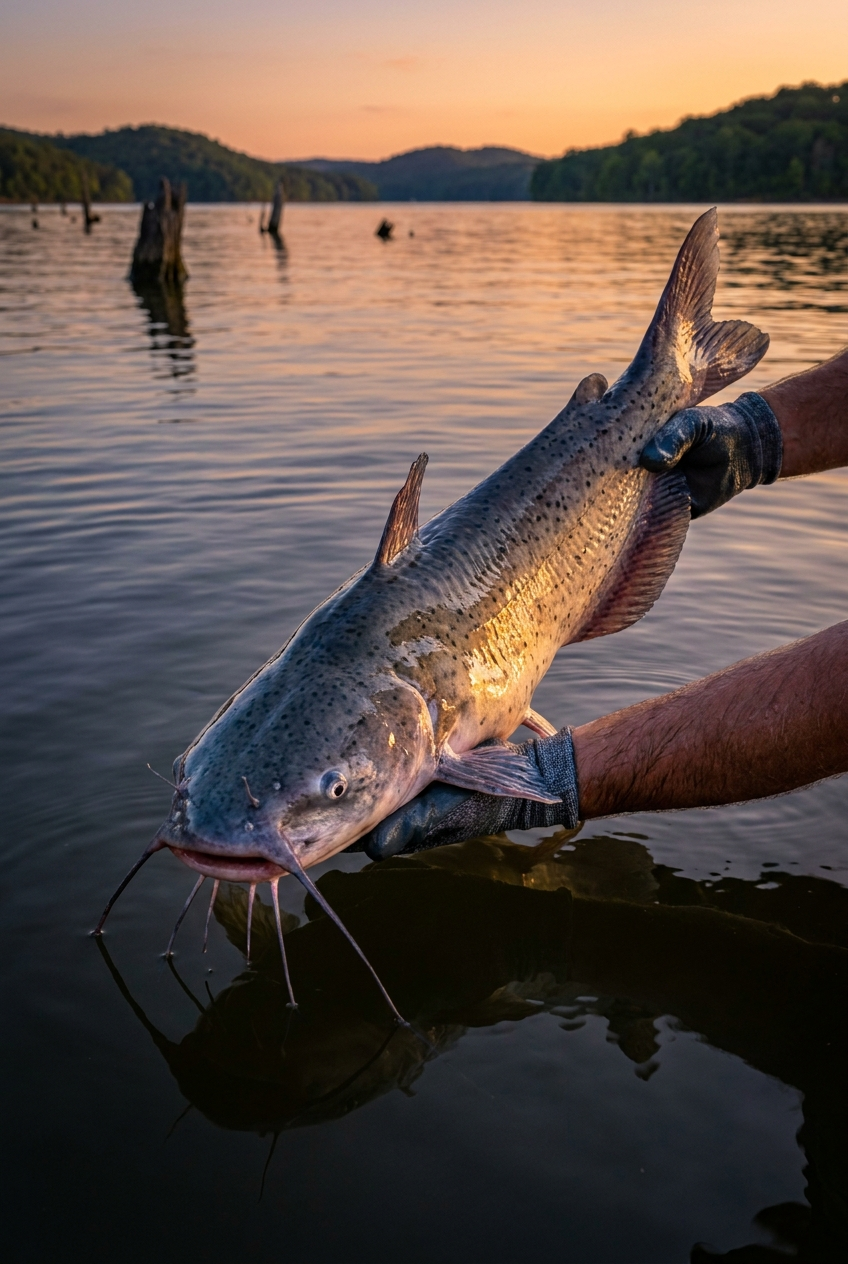
Channel catfish are abundant throughout Chickamauga Lake and provide consistent bank and boat fishing. The productive Tennessee River system supports quality channel catfish across all size classes. Verify current Tennessee catfish regulations at tn.gov/twra before fishing. Cut shad, chicken liver, and prepared catfish baits fished near channel transitions and tributary mouths produce consistent channel catfish. The Hiwassee River arm at the upper end of the lake concentrates catfish near the inflow. Summer night fishing from the numerous public access areas around Chattanooga produces the most consistent catfish action.
Chickamauga Lake Blue Catfish Fishing Report
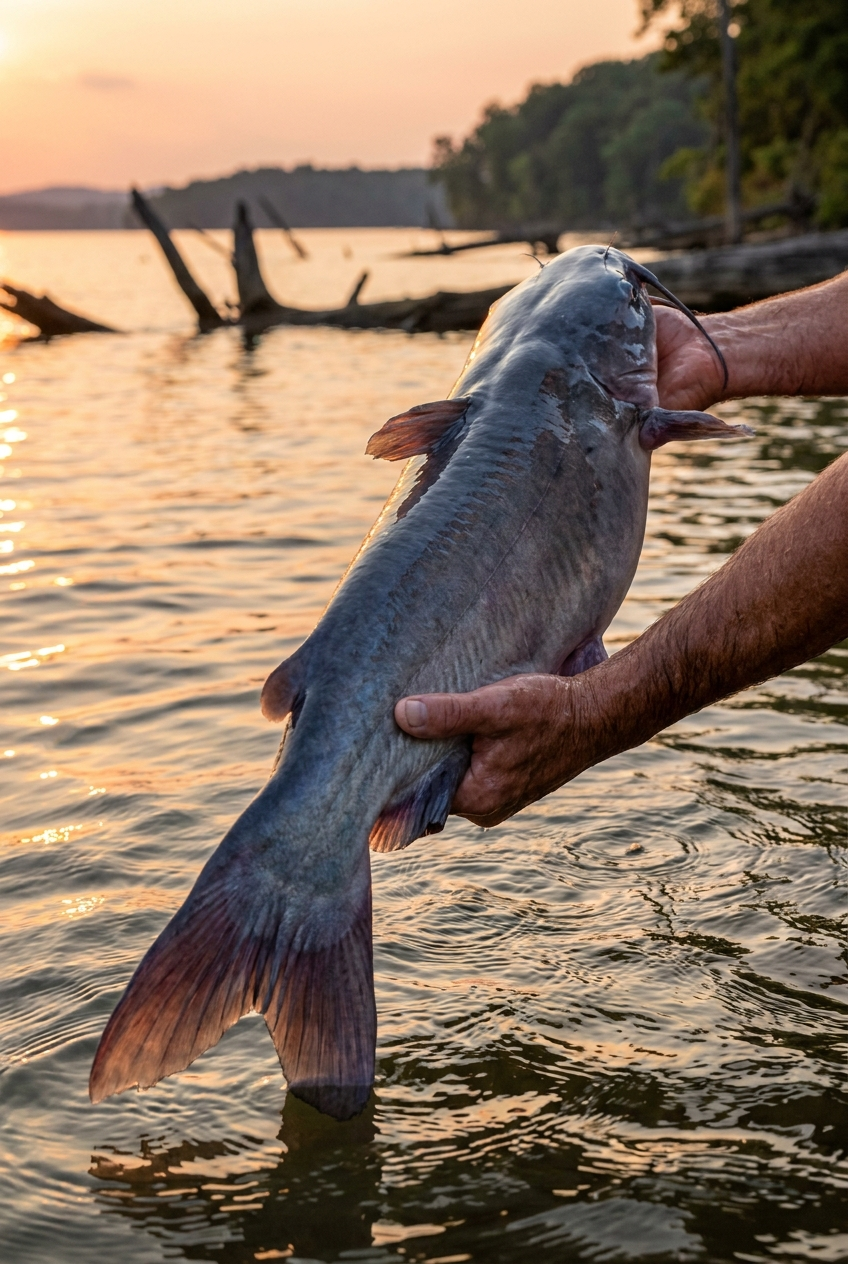
Blue catfish are present in Chickamauga Lake in the deeper main-channel structure. The Tennessee River system supports a quality blue catfish population that has grown with the species' range expansion in TVA reservoirs. Verify current Tennessee catfish regulations at tn.gov/twra before fishing. Fresh-cut shad fished on the bottom in the main channel bends and near the dam structure produces the largest blue catfish on Chickamauga Lake. Summer night fishing with stout tackle in the 20 to 40-pound class produces large blue catfish from the main-channel depths.
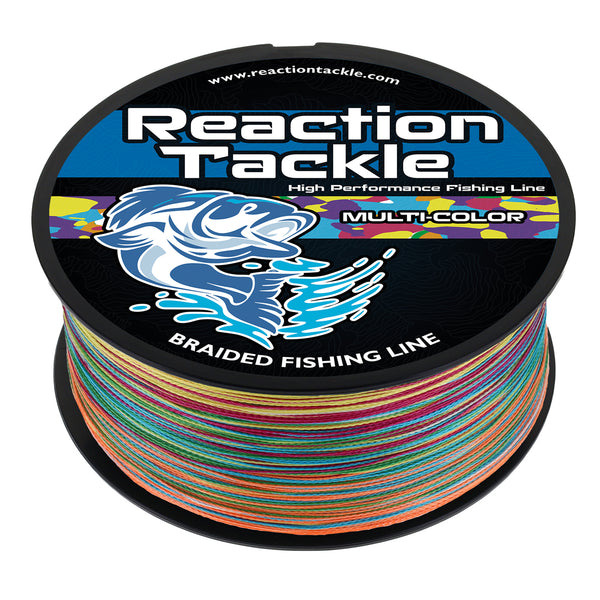
Before you head out, check your line. If it's been sitting on the reel all winter or has seen a lot of rocks and timber, it's worth replacing before a serious trip. I order most of my braid from Reaction Tackle and have been happy with it.
Top Fish to Target in Chickamauga Lake
Lures for Chickamauga Lake
Tackle matched to this lake's species and structure.
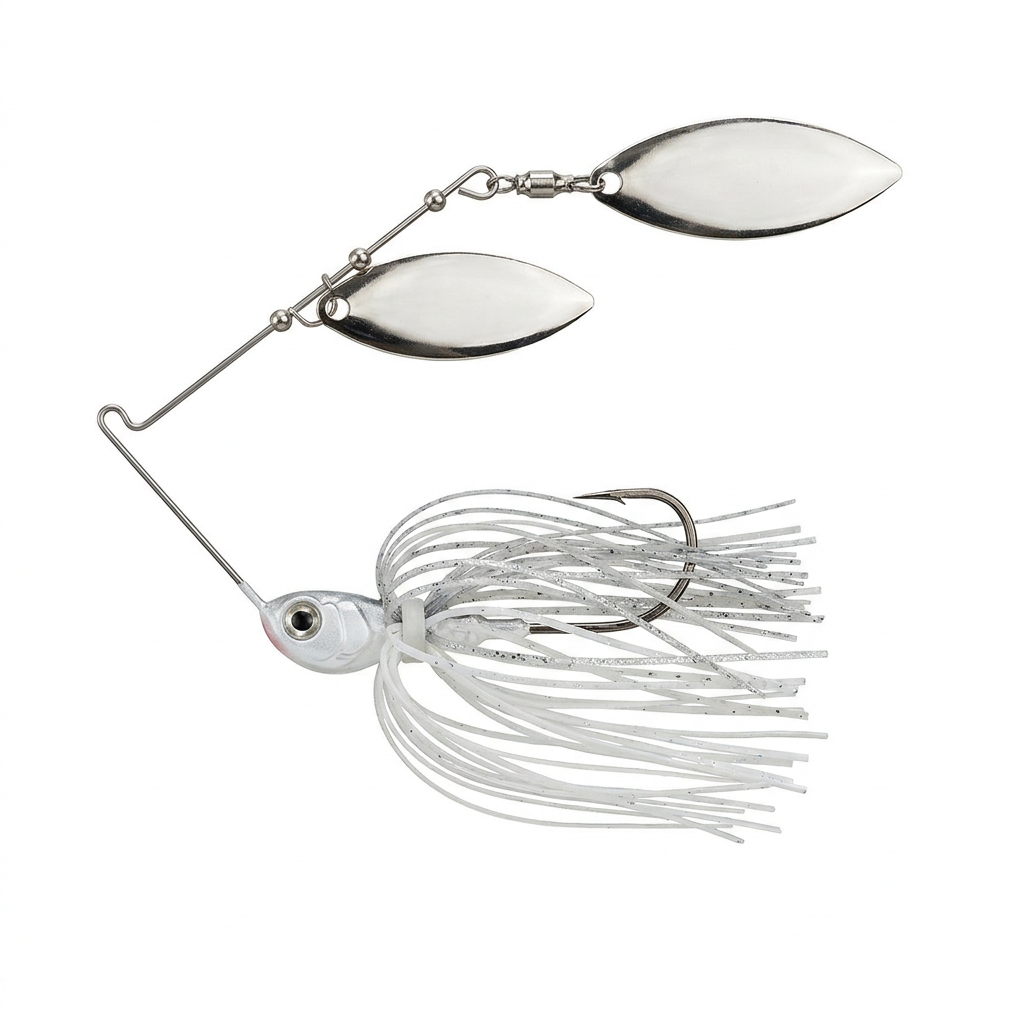
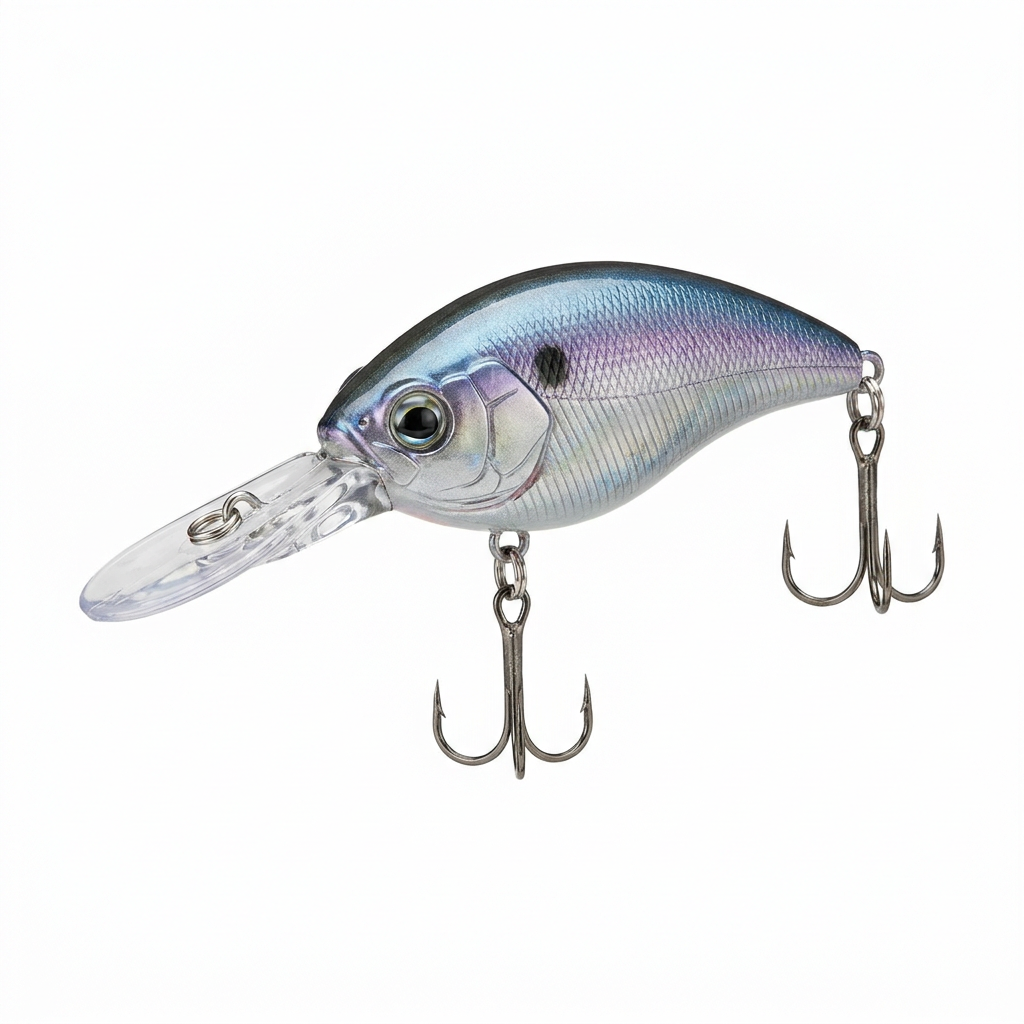
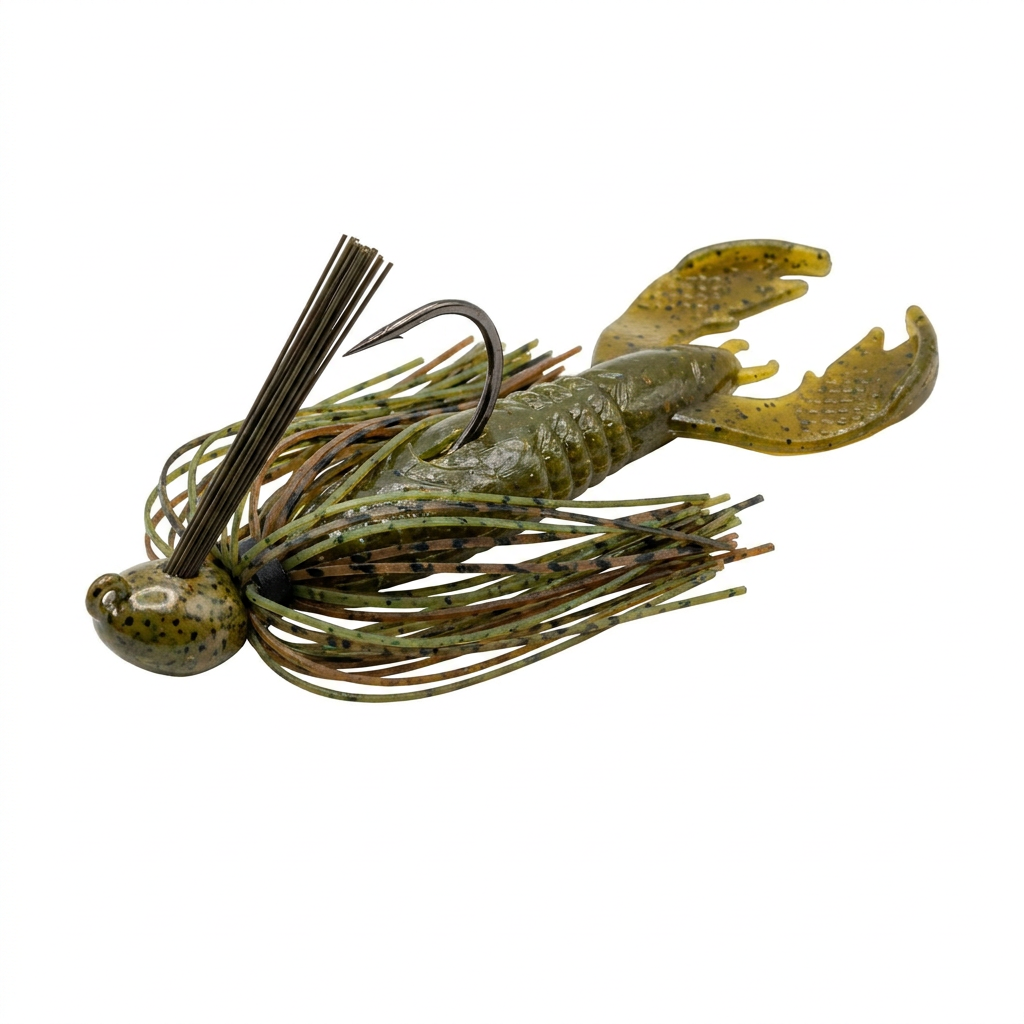
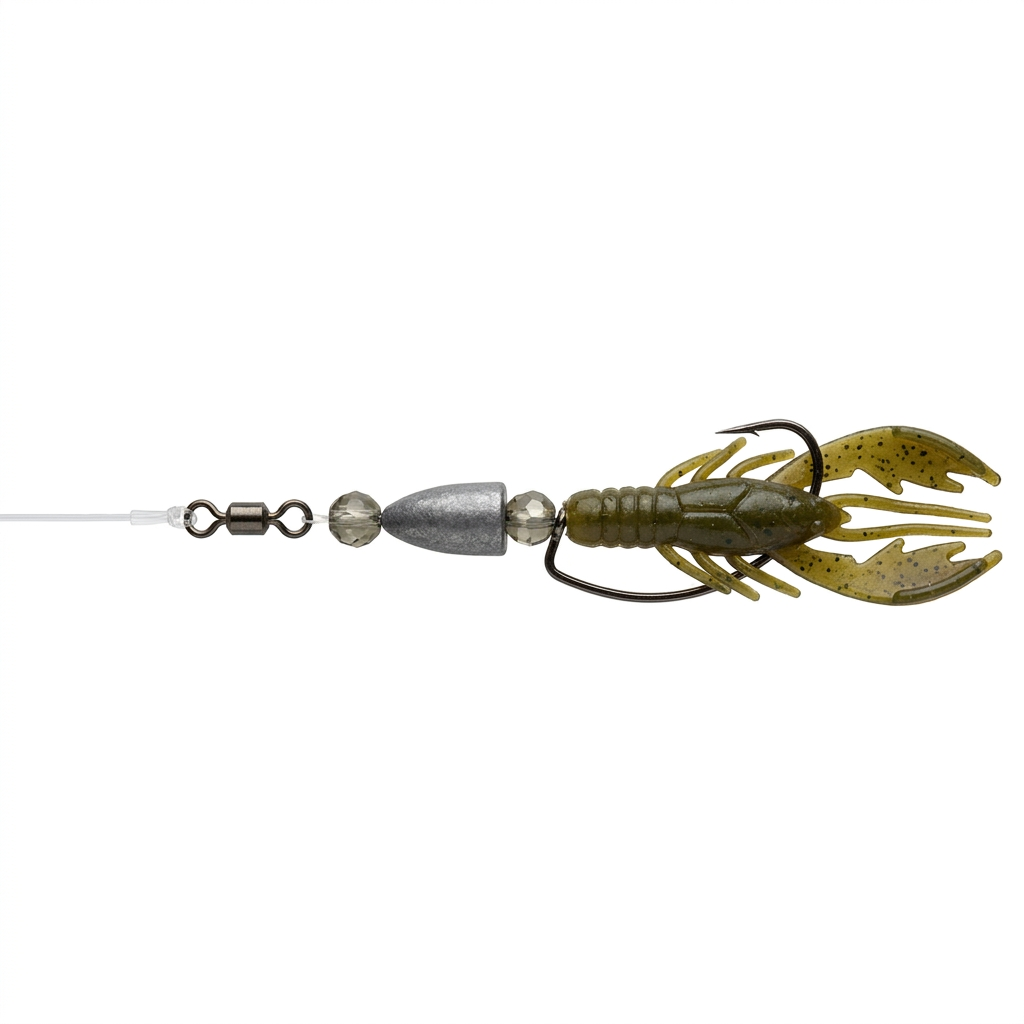
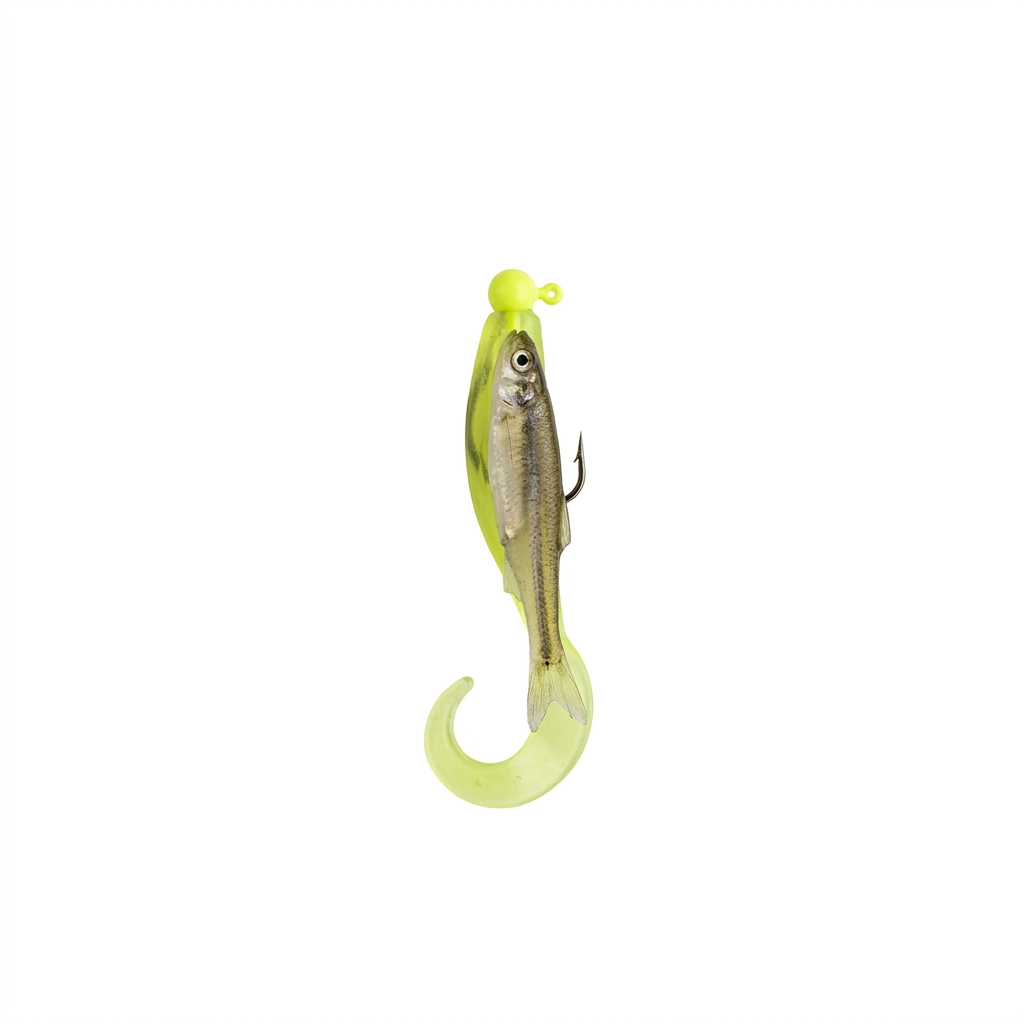
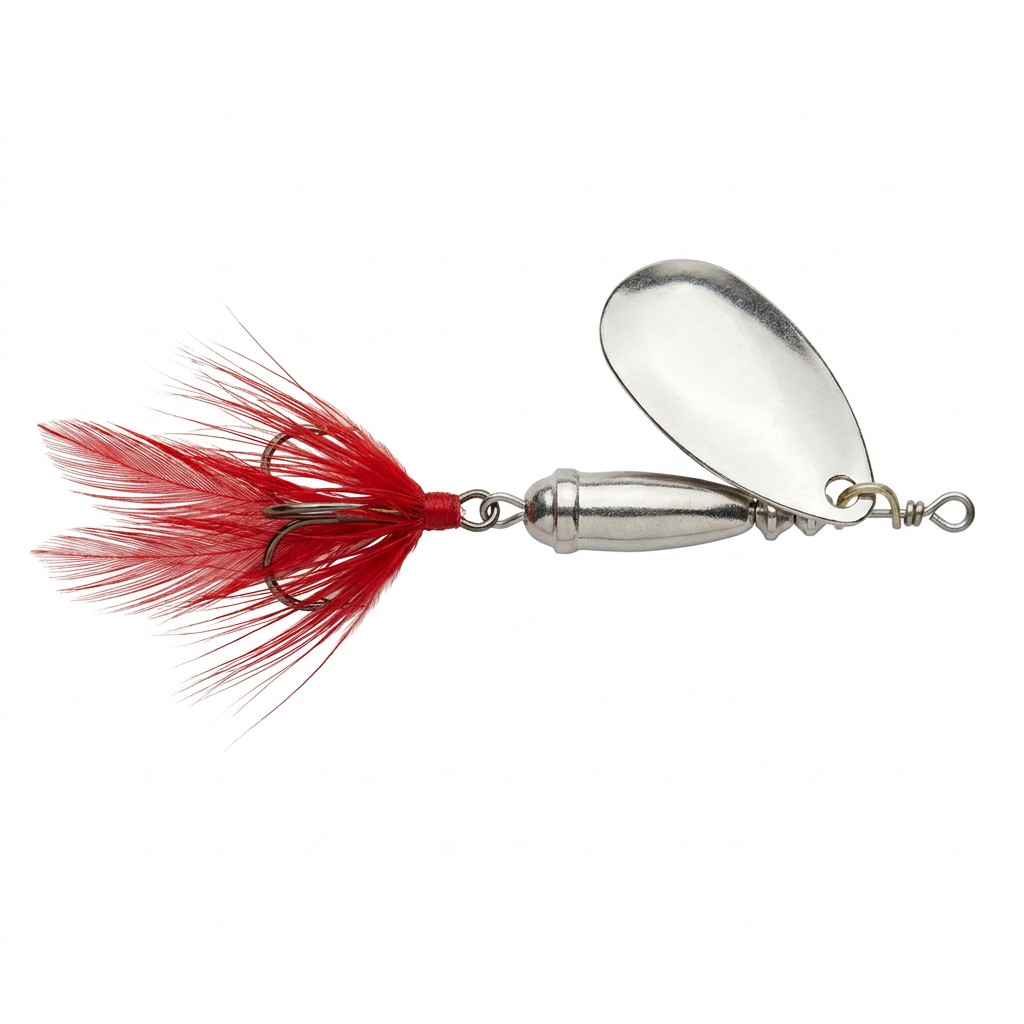
One thing I always check before a big trip is my main line. For most of the presentations that work here, you want braid. The sensitivity makes a real difference, especially when fish are finicky. I've been ordering from Reaction Tackle for a while now and haven't looked back.
About Chickamauga Lake
Chickamauga Lake holds the Tennessee state record largemouth bass: 15 pounds 3 ounces, caught by Gabe Keen on February 13, 2015, breaking the previous record that had stood since 1954. That single fact tells you what this fishery is capable of. The TVA impoundment runs near and north of Chattanooga, giving one of Tennessee's mid-sized cities direct access to 35,400 acres of fishable water on the Tennessee River. The multi-species profile includes a sauger fishery — a native Tennessee River species that most southern reservoir anglers don't encounter elsewhere — alongside solid largemouth and crappie fishing. Chickamauga Dam was completed in 1940 as part of the TVA system.
TVA water management. Chickamauga Lake is managed by the Tennessee Valley Authority as part of the integrated TVA dam system. Pool elevation varies seasonally with TVA's water management schedule. Spring drawdown and refill cycles affect the availability of flooded timber, grass flats, and bank structure. The TVA lake level schedule is available at tva.com and affects fishing access and fish location throughout the year.
Sauger fishery. The sauger population in Chickamauga Lake reflects the native fish community of the Tennessee River system. Sauger prefer current-influenced channel environments and are most active during winter and early spring. Night fishing with blade baits and jigs in the main channel during winter produces some of the largest sauger catches in Tennessee. This is a species that distinguishes Chickamauga from most other TVA impoundments in the same size class.
Lake size and location. Chickamauga Lake covers approximately 35,400 acres at normal pool with approximately 810 miles of shoreline, spanning Rhea, Meigs, Bradley, and Polk counties in Tennessee. Chattanooga (Hamilton County) is the nearest large city north of the lake. Multiple TVA and TWRA public access areas are available north and east of Chattanooga. Chickamauga Dam is located approximately 7 miles northeast of downtown Chattanooga.