Pickwick is one of those rare lakes I keep hearing about from tournament anglers and it always comes up as somewhere special. The smallmouth near the dam shoals and the sauger bite in fall have my attention. I want to make the drive down to Savannah and spend a few days on this water.
Today's Bite Score · October 8, 2026
Above average conditions worth planning a trip
🌘Waning Crescent
Pickwick Lake Fishing Report
October FishingMonthly fishing report · October patterns and techniques
October at Pickwick Lake brings transitional conditions as water temperatures begin to cool from summer highs. Anglers are finding that fish are becoming more active as the lake adjusts to fall patterns, with cooler water temperatures triggering increased feeding activity. The bite is strengthening this month as baitfish move and bass, walleye, and catfish respond to these seasonal shifts in water conditions and prey availability.
In October, largemouth and smallmouth bass are most active, with anglers locating them around structure in the main lake and creek channels where they gather during this period. Walleye fishing also picks up this month, and these fish are holding in deeper areas where they can find cooler water and abundant forage. Channel catfish remain consistent contributors to the October bite, particularly for anglers targeting them along the main river channel and around deeper structure.
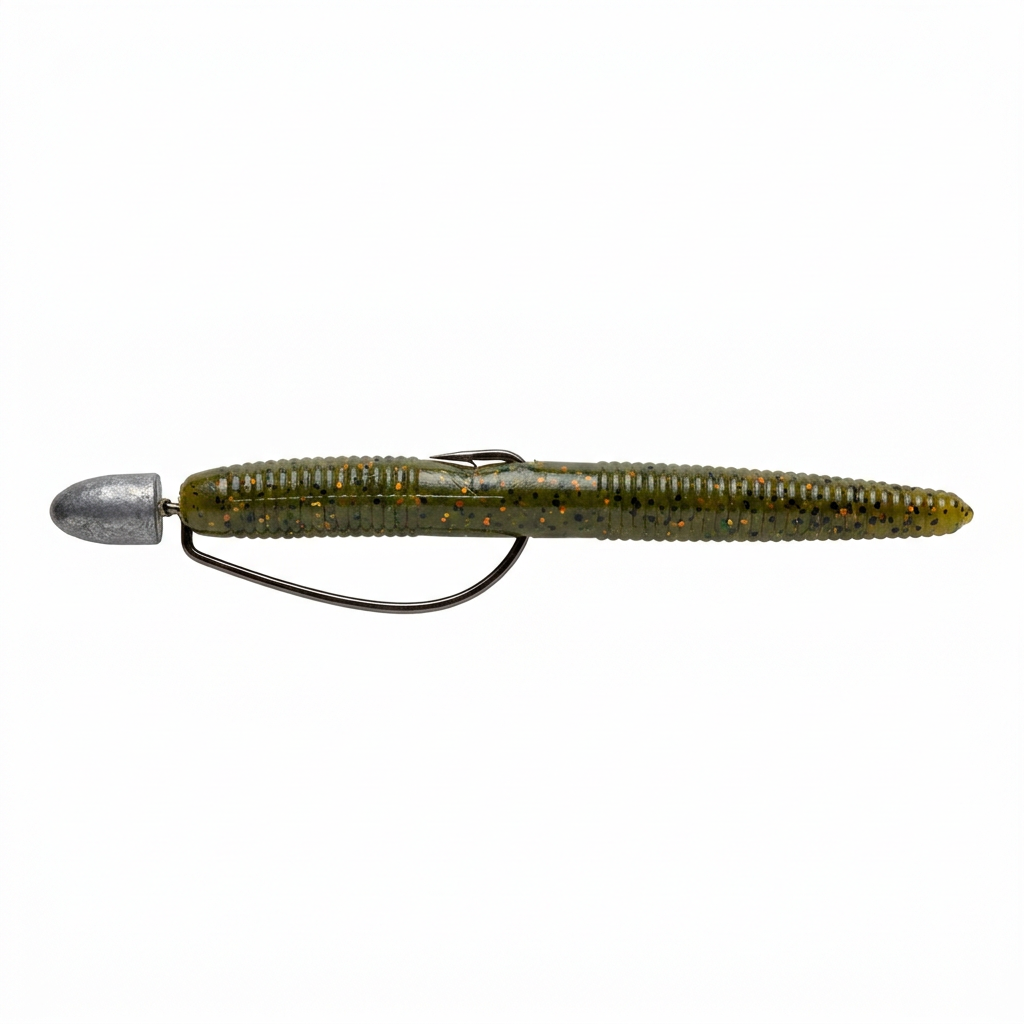
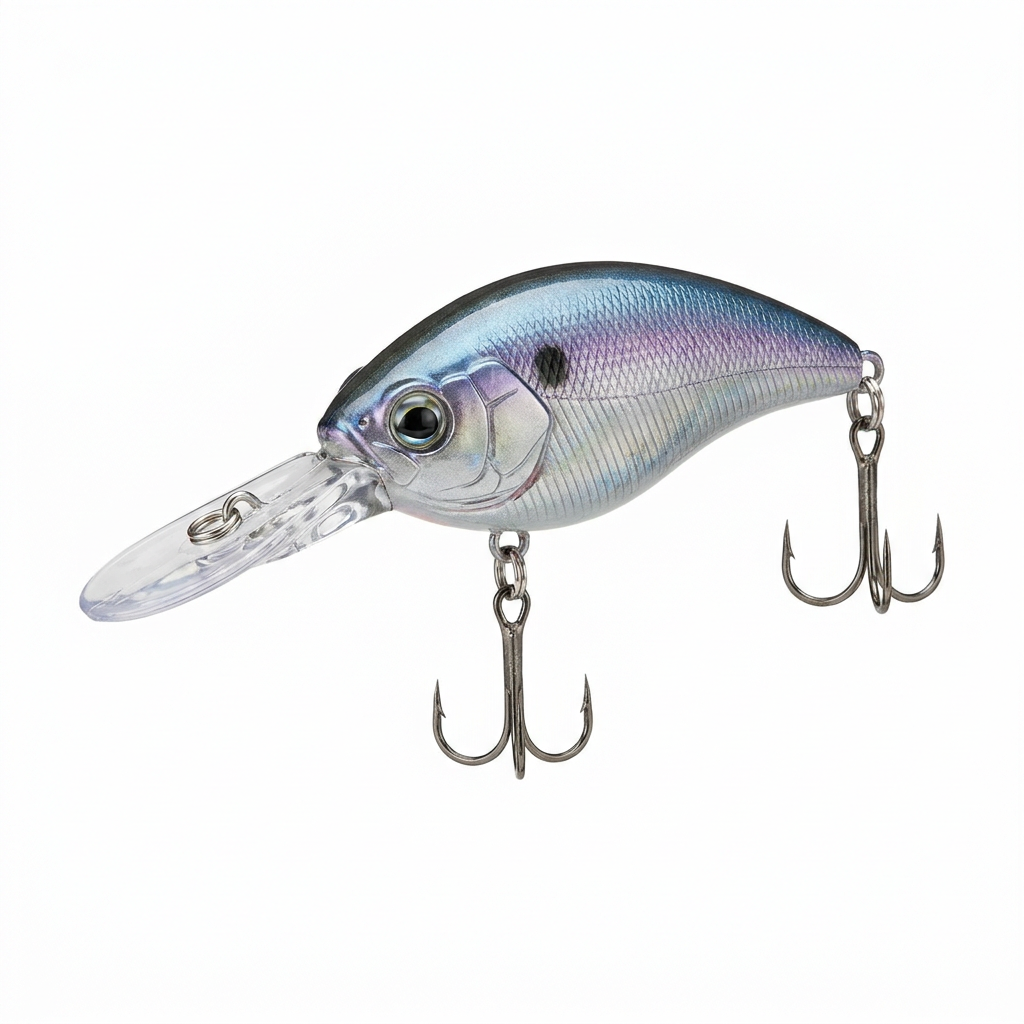
Anglers are finding success this month with a variety of techniques matched to target species. Live bait presentations continue to produce, while crankbaits and jerkbaits are effective for bass as they position themselves around shallow to mid-depth cover. For catfish, cut bait and prepared stink baits remain reliable choices this month. Structure fishing in 15 to 30 feet of water is producing results for multiple species, and anglers should focus on ledges, drop-offs, and channel breaks where fish are congregating as water temperatures continue to change throughout October.
Get More Fishing Report Specifics
Tap a topic button below for a report on current conditions.
Tap a topic above to get a current report for Pickwick Lake.
Answers are generated on demand and cached. No AI call fires until you tap a tab.
Pickwick Lake Fishing Guides
Looking for a Pickwick Lake fishing guide? Pickwick spans three states and holds bass, sauger, and crappie in dramatically different zones — guides here know exactly which section of this TVA reservoir to fish by season. Go here → to check out our recommended fishing guides for Pickwick Lake. Then scroll down on that page to see all of the Pickwick Lake fishing guides.
Pickwick Lake Fishing Strategies by Species
Seasonal patterns and techniques by target species · Verified against official sources
Pickwick Lake is one of the most diverse fisheries in the Southeast, with nationally recognized largemouth and smallmouth bass fisheries sharing the same water as excellent sauger, crappie, striped bass, and catfish populations. The 43,100-acre TVA reservoir spans three states: Tennessee, Alabama, and Mississippi. Anglers fishing Pickwick must comply with the regulations of whatever state's waters they are on. In Tennessee waters, TWRA sets the largemouth and smallmouth bass regulation at a 15-inch minimum with a 5-fish combined daily bag. The crappie regulation on Pickwick in Tennessee is a 9-inch minimum with a 30-fish daily bag. Sauger fishing is best in the fall and winter in the dam tailwater and the main channel, and the smallmouth fishery near Pickwick Landing Dam is among the best in Tennessee.
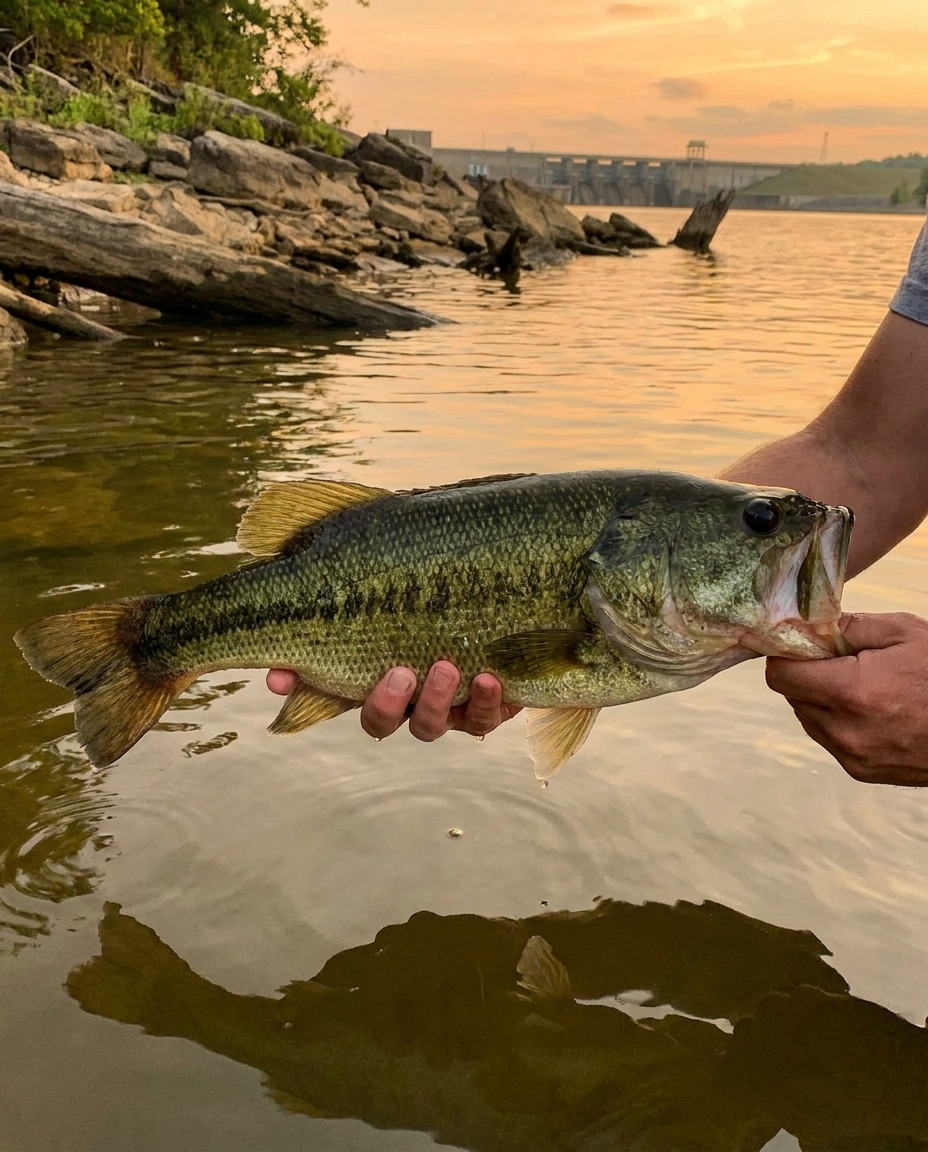
Pickwick Lake Largemouth Bass Fishing Report
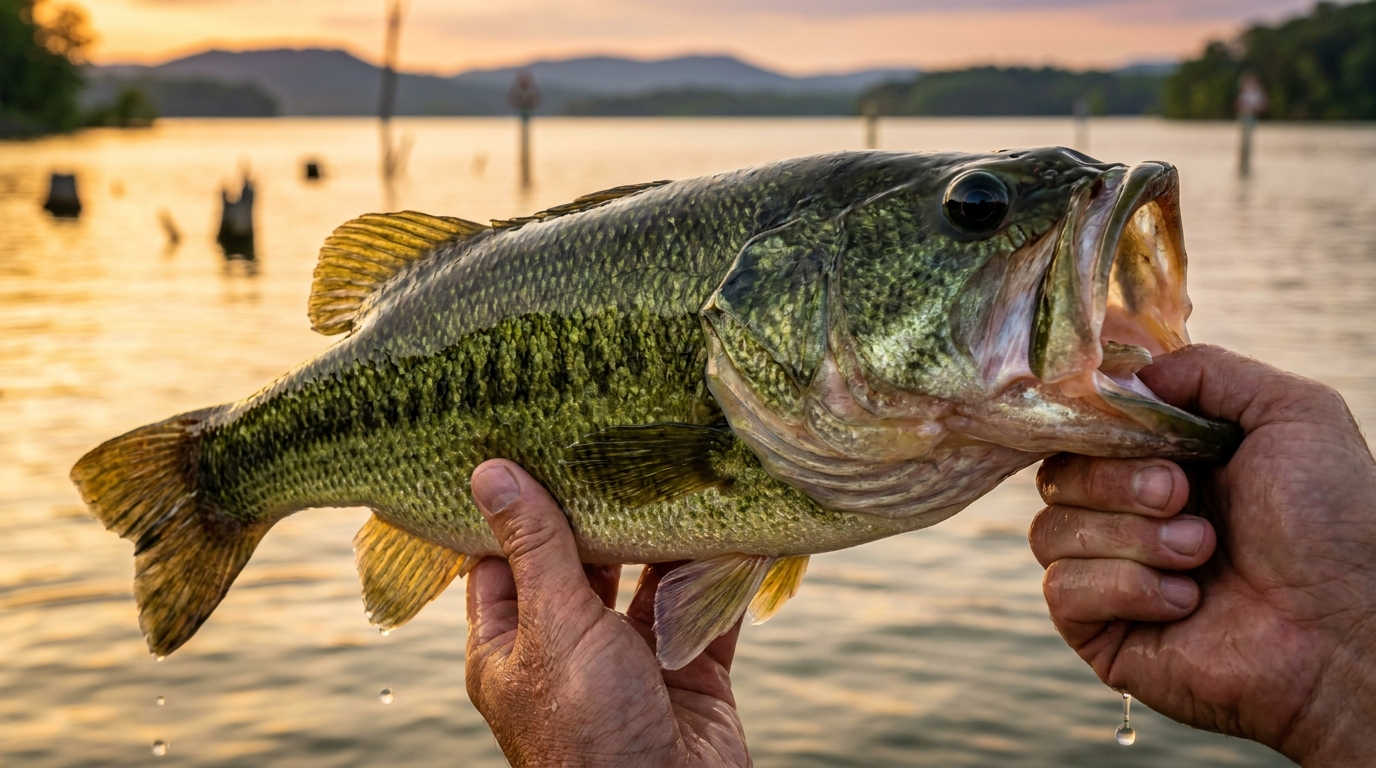
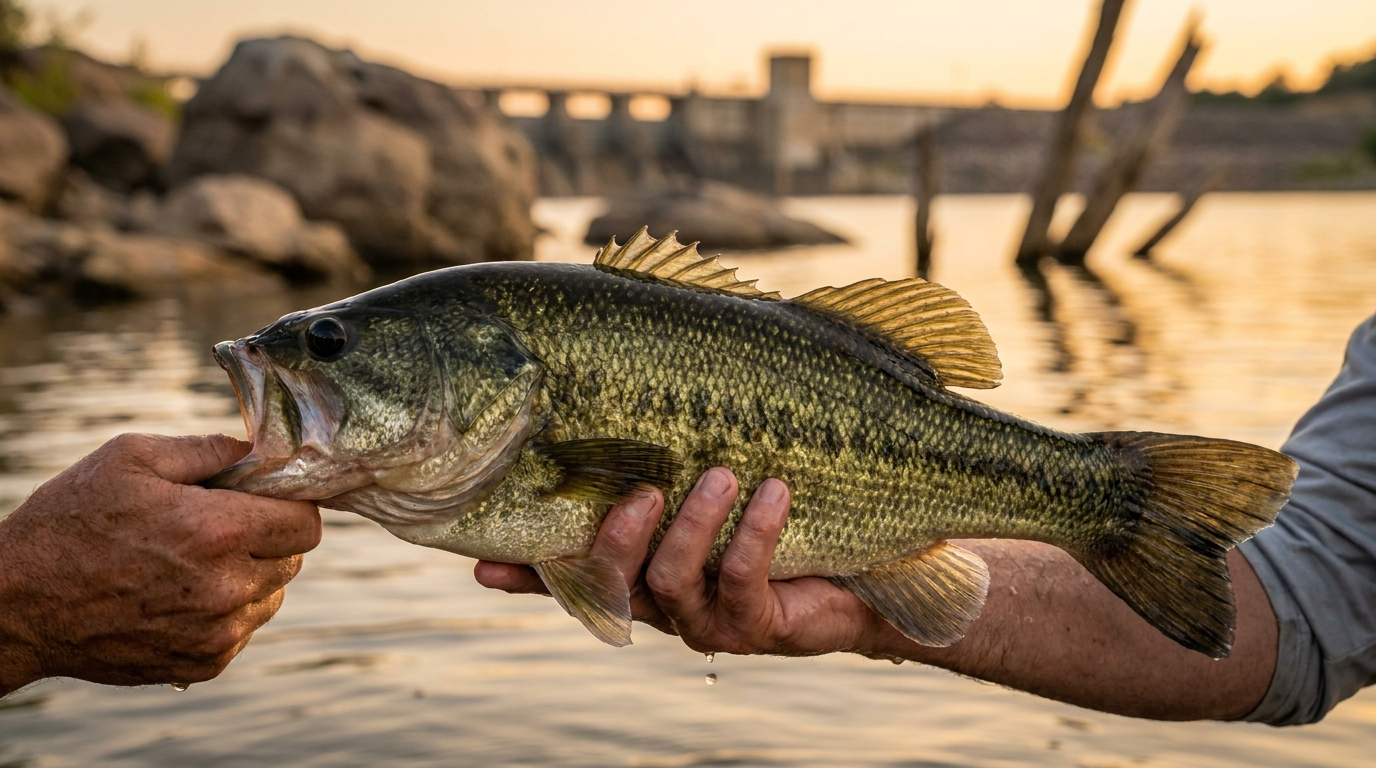
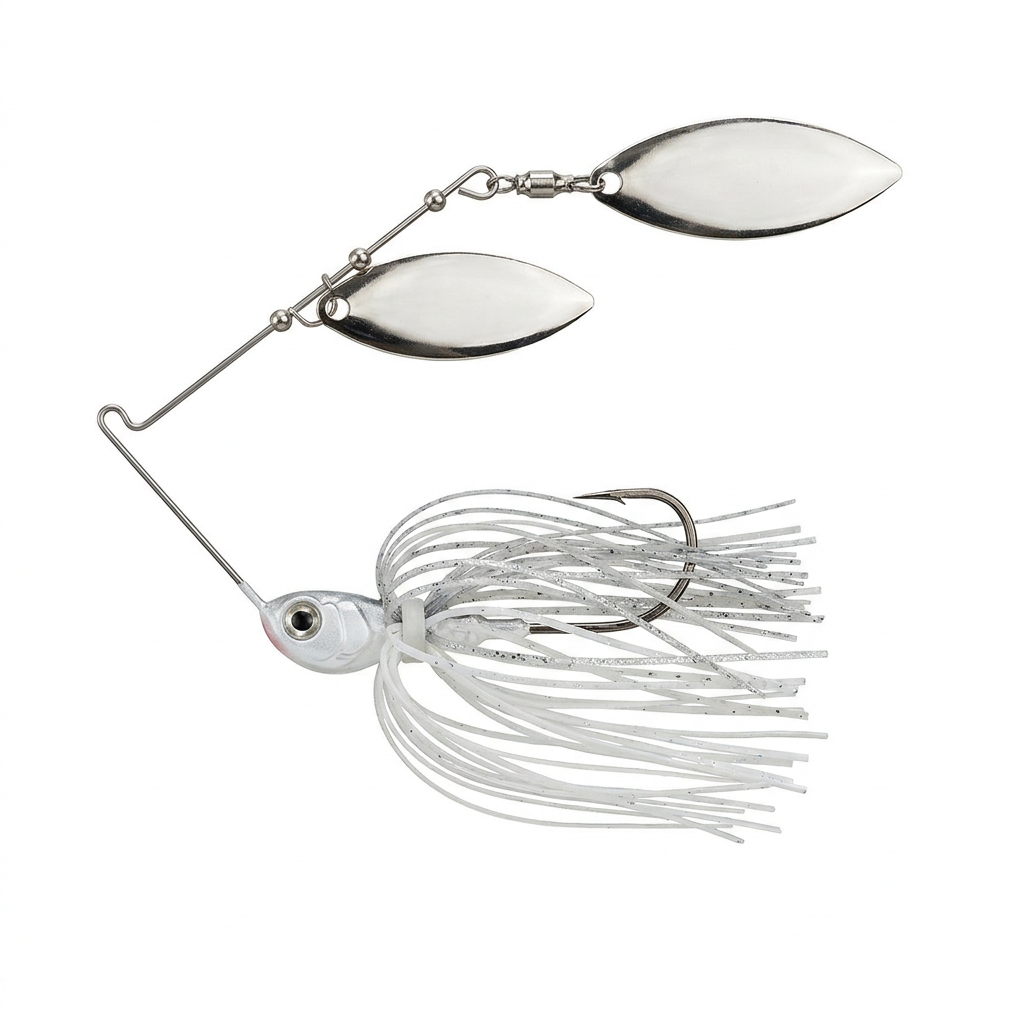
Pickwick Lake has hosted multiple Bassmaster Classic and Elite Series events, confirming its status as one of the premier largemouth bass fisheries in the country. TWRA regulation on Tennessee waters: 15-inch minimum length, 5-fish combined daily bag (largemouth and smallmouth combined). Verify current Alabama and Mississippi regulations at outdooralabama.com and mdwfp.com before fishing those state waters. Spring is the primary largemouth bass season on Pickwick. Bass begin staging on the main lake points and secondary points off the major creek arms in late February and March as water temperatures climb through the 50s. The creek arms feeding the main reservoir on both the Tennessee and Alabama shores concentrate prespawn fish. By April, largemouth move into the back ends of the protected coves and flat-water areas to spawn in 2 to 6 feet. Texas-rigged worms, spinnerbaits, and squarebill crankbaits cover the prespawn transitions effectively. Summer fishing shifts toward deeper main lake structure, with deep-diving crankbaits and Carolina rigs worked along the channel edges in 15 to 25 feet producing the most consistent action.
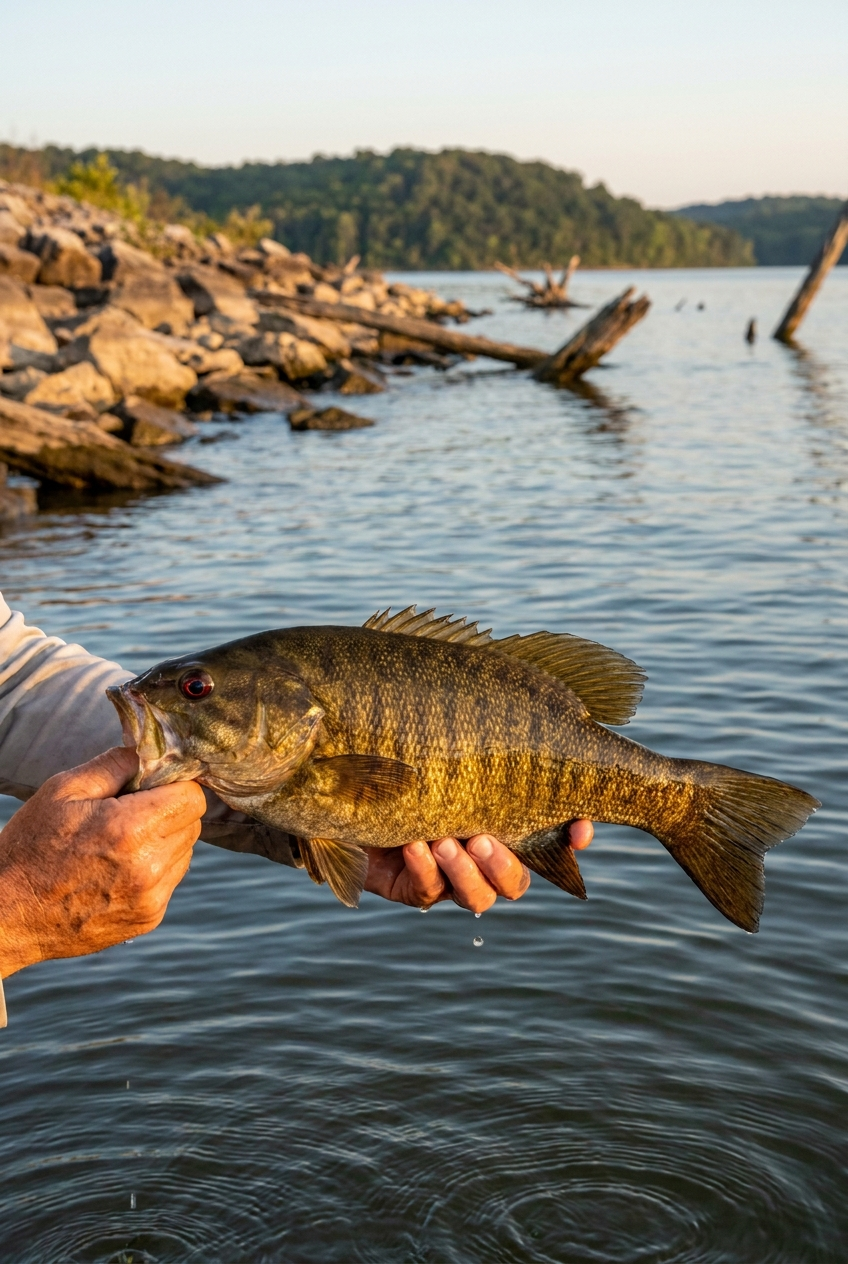
Pickwick Lake Smallmouth Bass Fishing Report
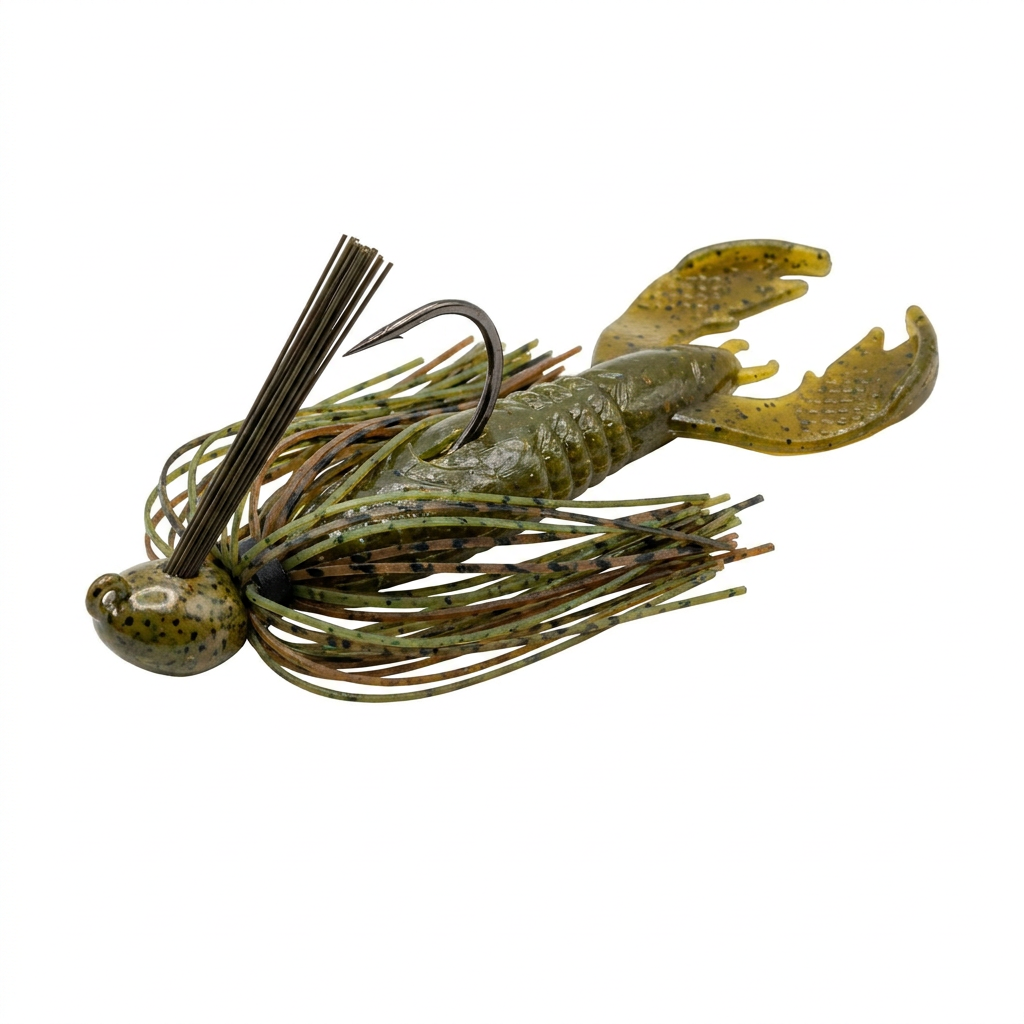
Pickwick Lake is one of the top smallmouth bass fisheries in Tennessee, with the rocky shoals and hard-bottom structure near Pickwick Landing Dam producing quality fish throughout the year. Smallmouth share the same TWRA regulation as largemouth on Tennessee waters: 15-inch minimum, 5-fish combined daily bag. Verify current regulations at tn.gov/twra before fishing. The shoal habitat near the dam is the defining smallmouth water on Pickwick. Current-swept rocky points and the gravel-bottom transitions in the lower end of the reservoir concentrate smallmouth from spring through fall. Tube jigs and finesse-style presentations on light line produce well during clear-water conditions in spring and fall. Summer smallmouth fishing on Pickwick requires going deep: fish retreat to the main channel ledges and harder-bottom areas in 15 to 30 feet during the hottest months. Jigging spoons and drop-shot rigs worked vertically over channel breaks are the most reliable summer approach. Fall brings smallmouth back to the shallower shoal areas as water temperatures cool through October and November.
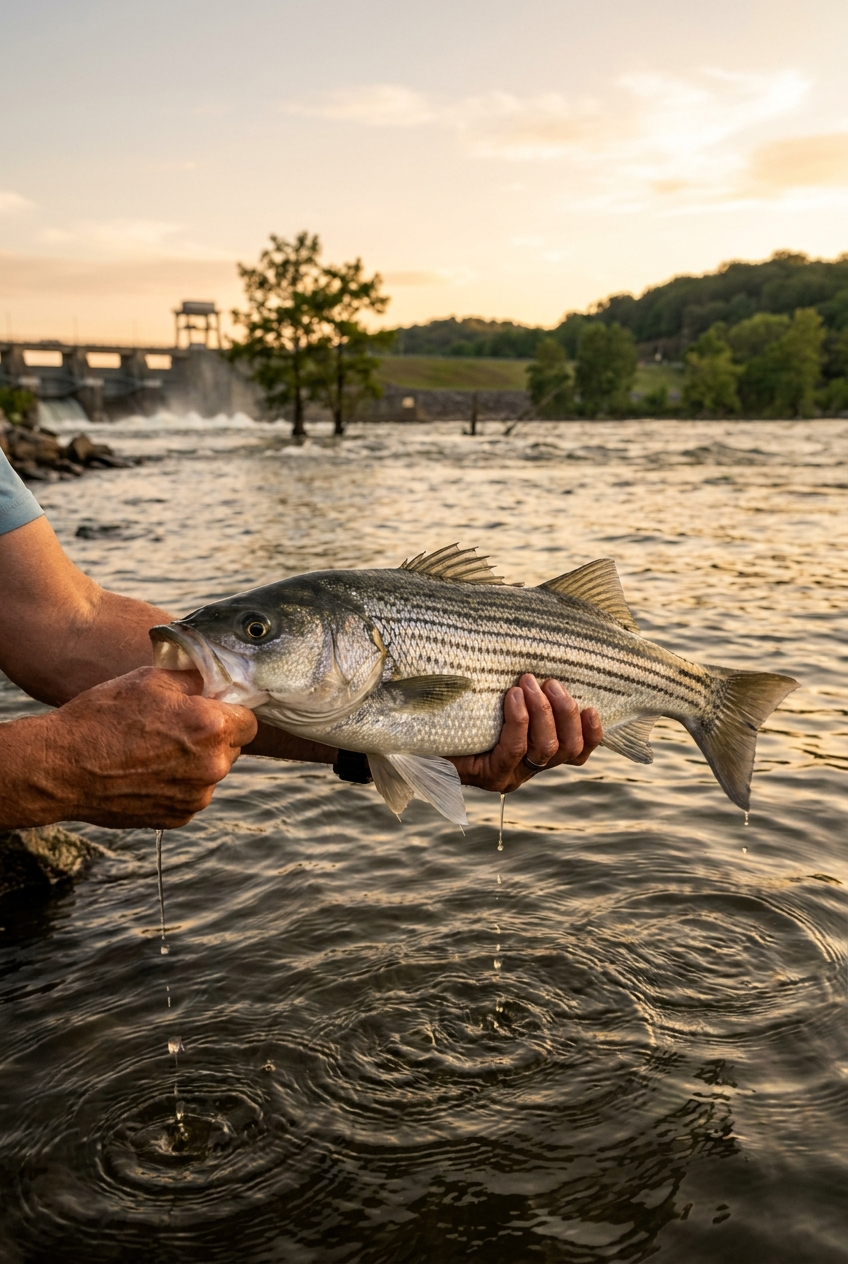
Pickwick Lake Striped Bass Fishing Report
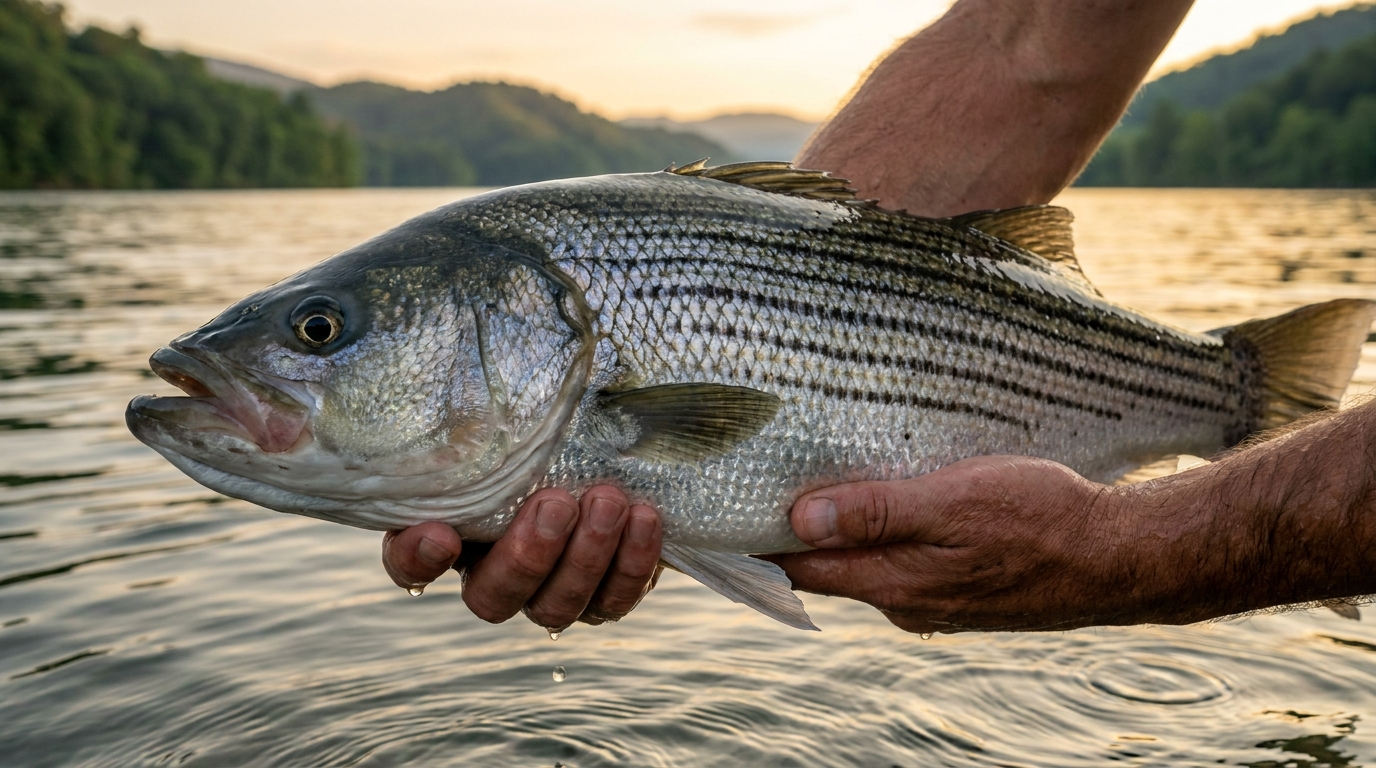
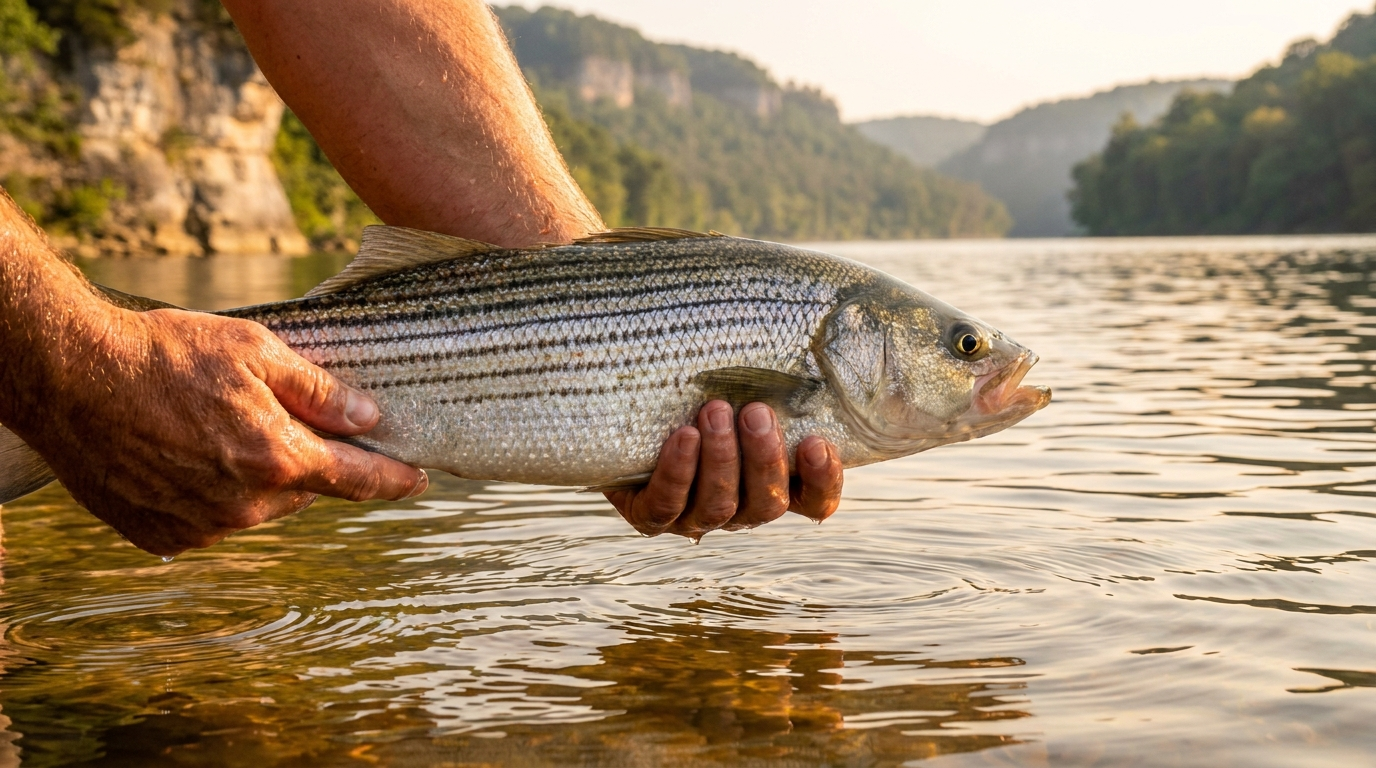
Striped bass are present in Pickwick Lake and provide an additional trophy fishery in the deeper main channel water. TWRA sets Pickwick-specific striped bass limits that differ from statewide regulations. Verify the current Pickwick striped bass size and bag limits at tn.gov/twra before fishing Tennessee waters, and confirm Alabama and Mississippi regulations at outdooralabama.com and mdwfp.com. Striped bass on Pickwick follow the threadfin and gizzard shad populations throughout the year. Spring striper fishing in the dam tailwater and the main channel below Pickwick Landing Dam produces fish as they move upriver. Summer stripers suspend in the deeper, cooler water of the main channel and the deeper creek arm mouths where cool, oxygen-rich water remains available. Large swimbaits, live shad on a downrigger, and surface lures worked at dawn and dusk near schooling shad produce stripers through the warmer months. Fall is the peak season for open-water striper fishing as fish chase shad on the main lake before dropping into deeper channel water for winter.
Pickwick Lake Crappie Fishing Report
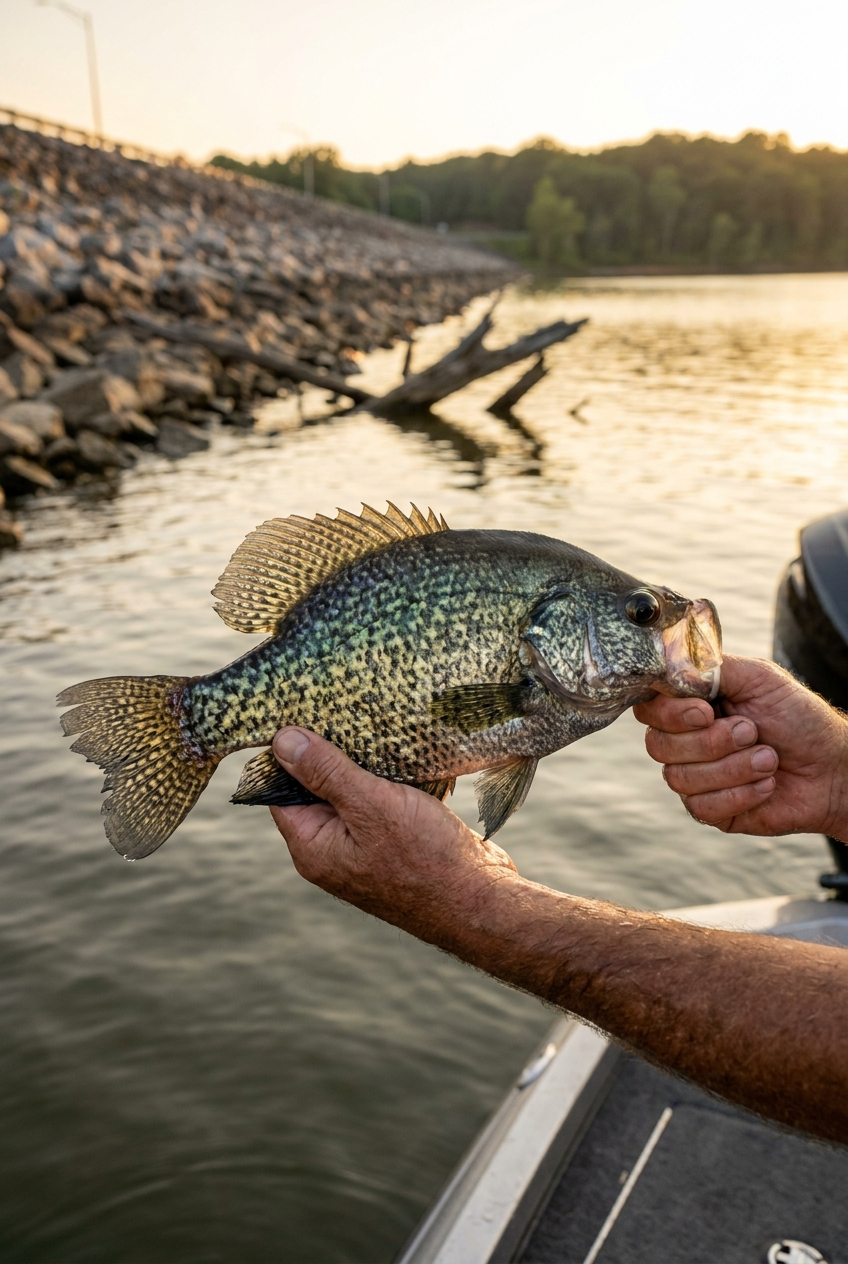
Pickwick Lake supports a quality crappie fishery across all three state waters. TWRA regulation on Tennessee waters: 9-inch minimum length with a 30-fish daily bag limit. Verify current Alabama and Mississippi crappie regulations at outdooralabama.com and mdwfp.com before fishing those state waters. Spring is the peak crappie season on Pickwick. Fish stage near the dock pilings, submerged timber, and bridge structure throughout the lake in late February and March before moving shallow to spawn in April and early May. The protected creek arms and the flooded timber throughout the Alabama and Tennessee shorelines hold concentrations of prespawn crappie in 6 to 12 feet of water. Small tube jigs and crappie jigs with minnows worked vertically around the dock and timber structure produce well through the spawn. Summer crappie fishing requires targeting deeper main lake brush piles and submerged structure in 15 to 20 feet. Fall brings crappie back to the mid-depth brush and dock structure as water temperatures cool.
Pickwick Lake Channel Catfish Fishing Report
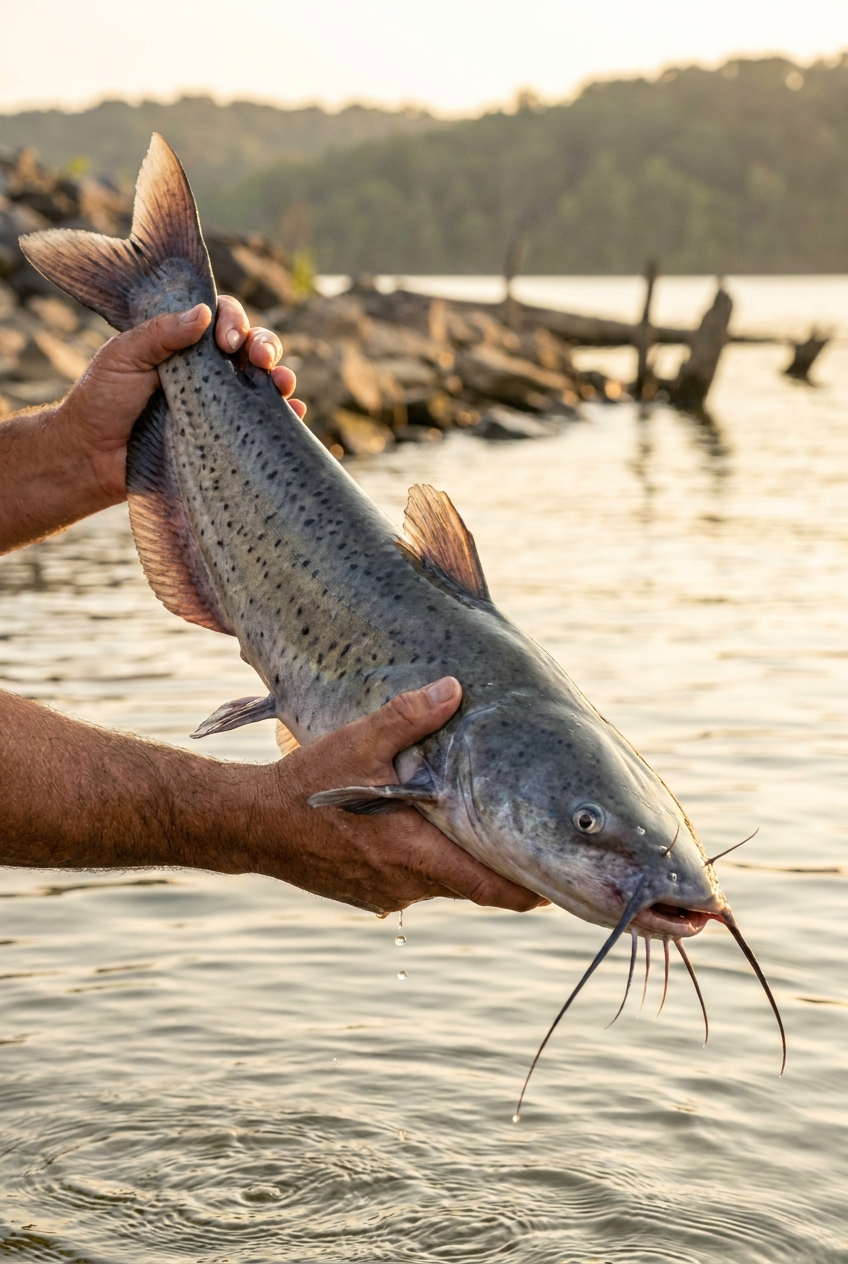
Channel catfish are abundant throughout Pickwick Lake. TWRA regulation on Tennessee waters: no minimum length for channel catfish, 10-fish combined daily bag (channel and blue catfish combined). Native blue catfish are also present in Pickwick. Verify current Alabama and Mississippi catfish regulations at outdooralabama.com and mdwfp.com. Channel catfish are active year-round on Pickwick, with the best action in the warmer months from May through September. The main Tennessee River channel, the creek channel bends throughout the reservoir, and the tailwater area below Pickwick Landing Dam all hold catfish consistently. Cut shad, chicken liver, and prepared stink baits fished on the bottom in the channel bends and near the dam structure produce channel cats reliably. Night fishing from the bank access areas along the TVA shoreline is a productive warm-weather pattern as catfish move into shallower water after dark. Blue catfish are present but less targeted: they concentrate in the deeper main channel water and the dam tailrace through fall and winter.
Pickwick Lake Sauger Fishing Report
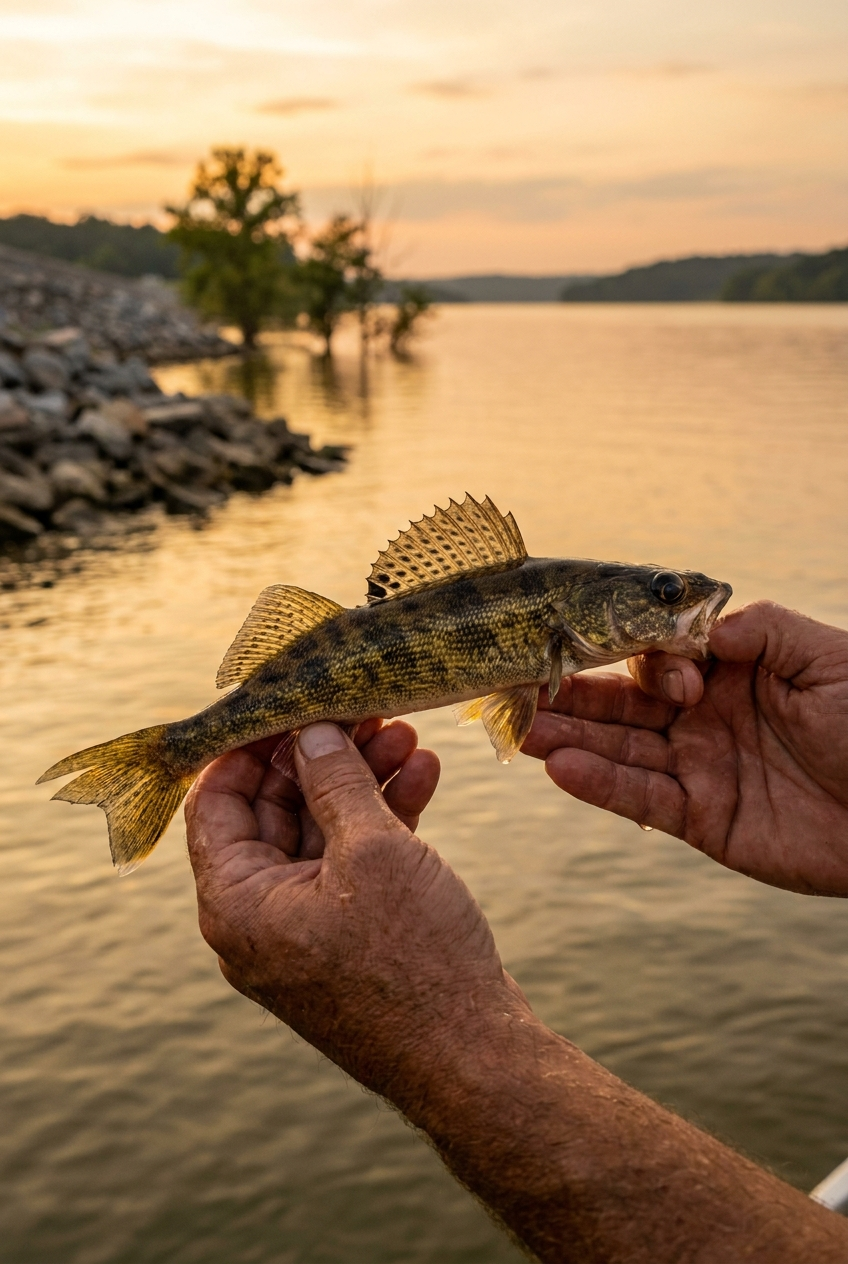
Sauger provide a premier cold-water fishery on Pickwick Lake, with the best action in fall and winter in the dam tailwater and the main channel. TWRA regulation on Tennessee waters: verify current Pickwick sauger size and bag limits at tn.gov/twra before fishing. Anglers fishing Alabama or Mississippi waters must confirm current regulations at outdooralabama.com and mdwfp.com. Fall is the peak sauger season on Pickwick. Fish move from their summer holding areas in the main channel into the shallower tailwater below Pickwick Landing Dam as water temperatures cool through October and November. The tailwater area below the dam is the most consistent sauger location on the lake through late fall and winter. Jigging spoons, curly-tail jigs, and blade baits worked vertically in the current seams below the dam produce fish from October through February. The main lake channel through the deeper sections of the reservoir also holds sauger through winter. Trolling small crankbaits along the channel edges in 15 to 25 feet is a productive alternative when tailwater conditions are not fishable.
For fishing heavy cover after Largemouth Bass, I run 50-65lb braid. Zero stretch means you feel every bite and you can pull fish out of structure before they wrap you. Reaction Tackle is where I restock. Their low-vis green disappears in most water conditions.
Top Fish to Target in Pickwick Lake
Lures for Pickwick Lake
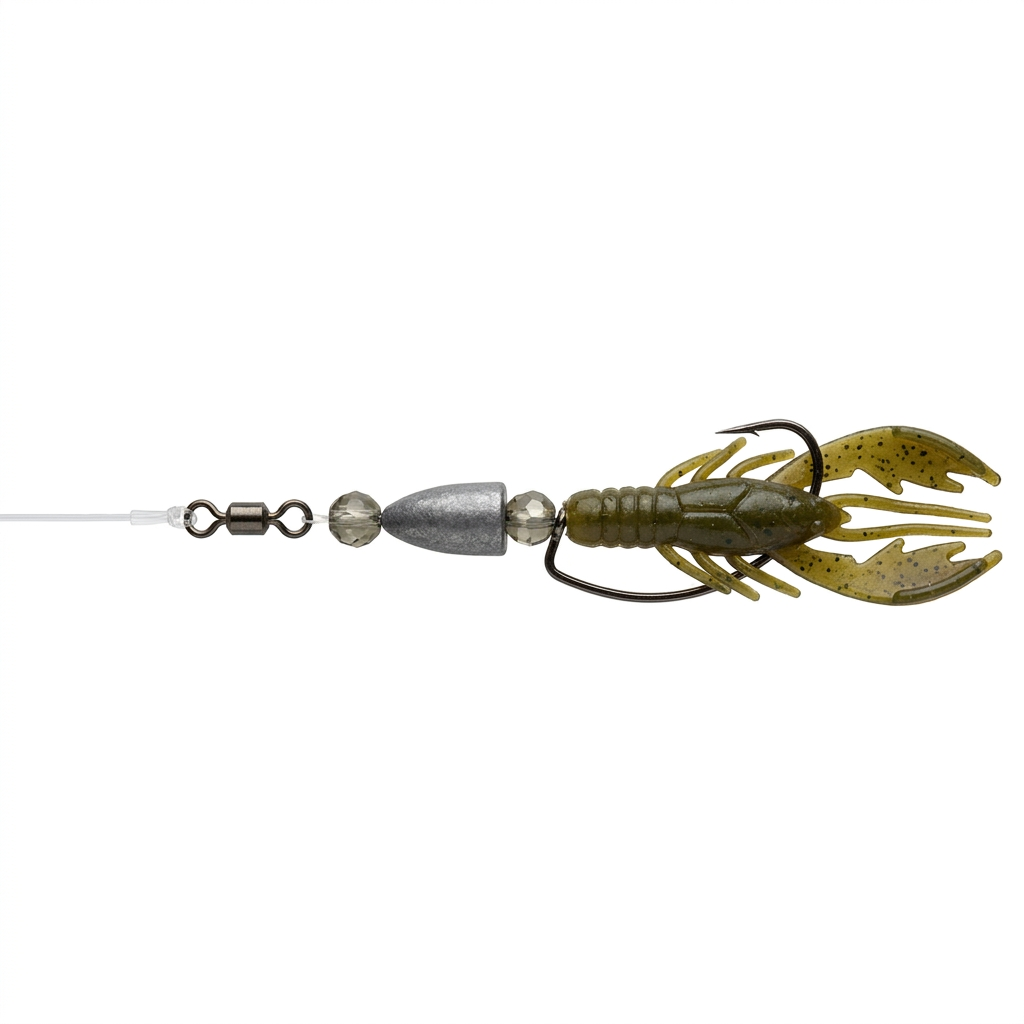
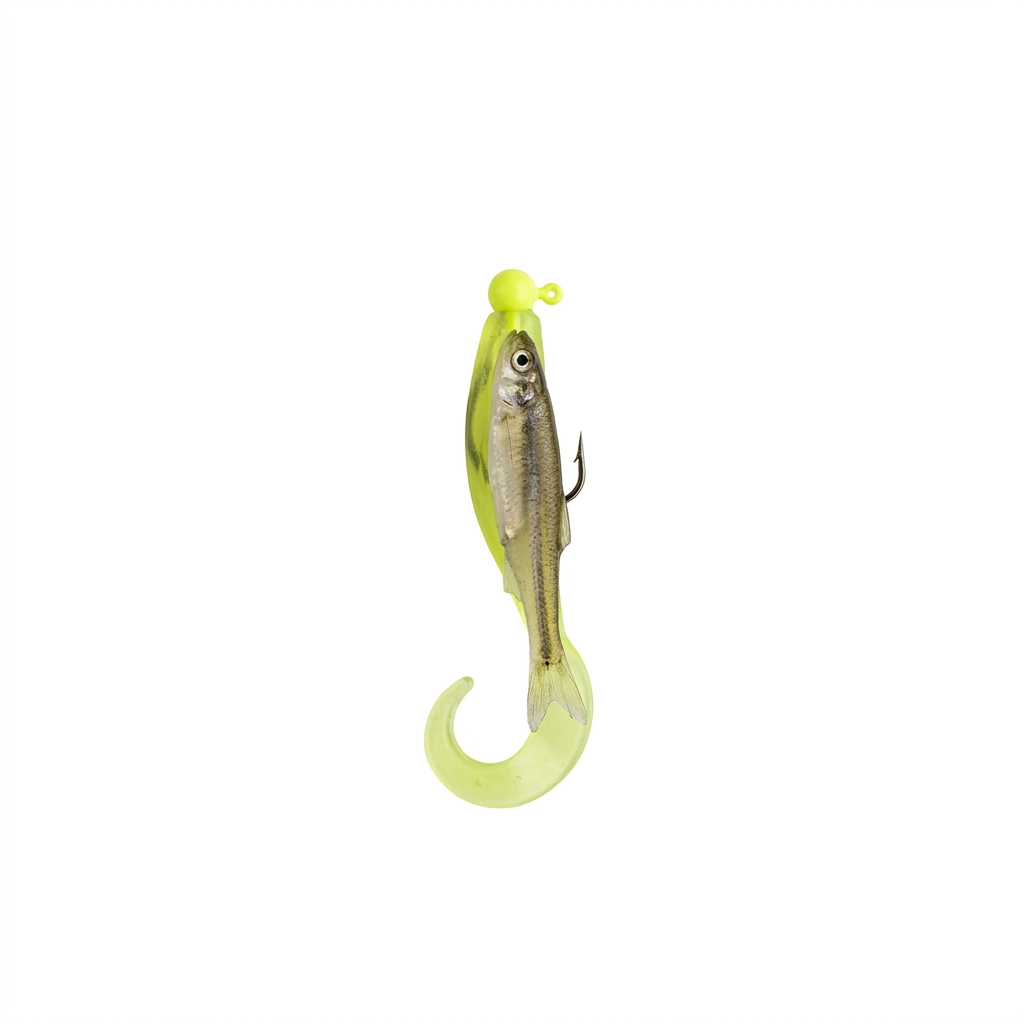
Tackle matched to this lake's species and structure.
Worth checking before any trip: your line. Old braid gets brittle at the tag end and loses sensitivity over time. I rotate mine every season. Reaction Tackle is where I order from when it's time to restock.
About Pickwick Lake
Pickwick Lake is a 43,100-acre TVA reservoir on the Tennessee River, spanning three states: Tennessee, Alabama, and Mississippi. Pickwick Landing Dam, completed in 1938 near Counce, Tennessee, created one of the most diverse fisheries in the Southeast. The lake is recognized nationally for largemouth bass tournaments, with multiple Bassmaster Classic and Elite Series events held on its waters. The smallmouth bass fishery near the dam shoals, the fall sauger bite, and a quality crappie fishery round out a lake that rewards anglers across every season.
Multi-state regulations. Anglers must comply with the regulations of the state whose waters they are fishing. Tennessee (TWRA): tn.gov/twra. Alabama (ADCNR): outdooralabama.com. Mississippi (MDWFP): mdwfp.com. Regulations differ by state for some species including striped bass and sauger. Always verify before fishing.
Lake size and location. The reservoir covers 43,100 acres and stretches through Hardin and McNairy counties in Tennessee, Colbert and Lauderdale counties in Alabama, and Tishomingo County in Mississippi. The nearest primary gateway town is Savannah, Tennessee (Hardin County), which provides lodging, marinas, and boat access. Pickwick Landing State Park in Hardin County is a major access and recreation hub on the Tennessee side.
TVA management. The Tennessee Valley Authority operates Pickwick Landing Dam for hydroelectric power generation and flood control. Current generation schedules affect water levels and current patterns throughout the reservoir and influence fish positioning, particularly for smallmouth, sauger, and striped bass near the dam and the main channel.