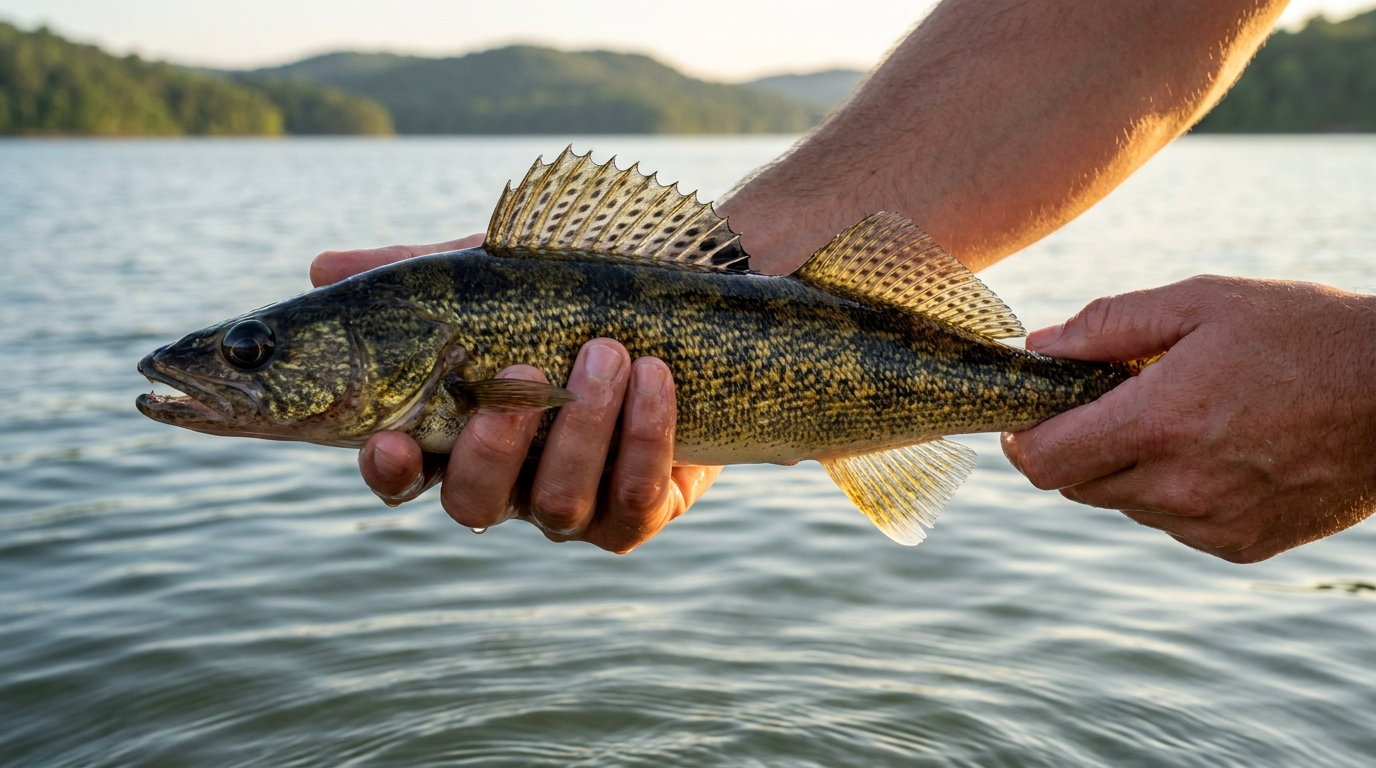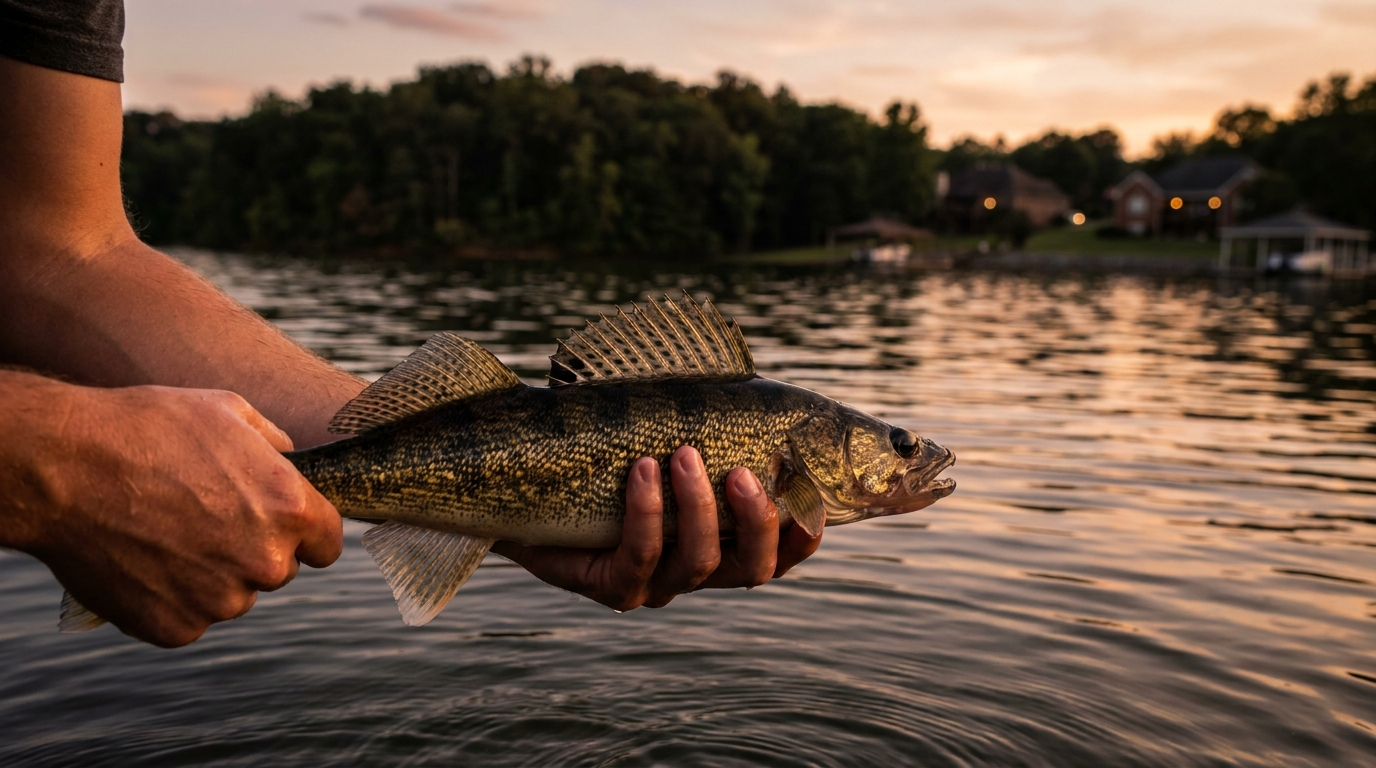
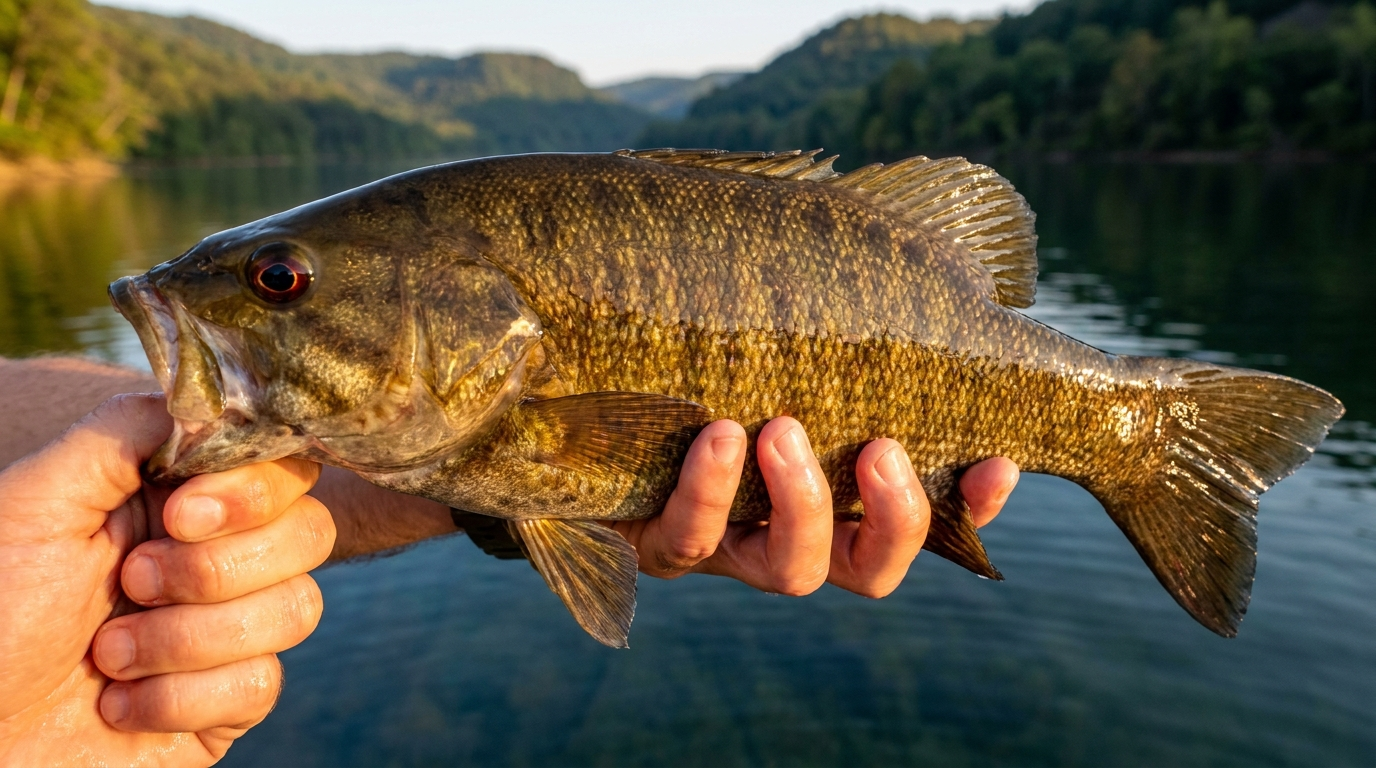
Norris Lake is the one that started the TVA system - Norris Dam was the first dam the Tennessee Valley Authority ever completed, back in 1936. The water here is clear enough that you can see structure in 20 feet, which changes the way smallmouth fishing works entirely. I keep hearing about the walleye fishing being underrated, and the deep rocky bluffs are the kind of habitat smallmouth bass just gravitate to. This one is high on my list for a Tennessee trip.
Today's Bite Score · October 8, 2026
Very favorable conditions for catching fish
🌘Waning Crescent
Norris Lake Fishing Report
October FishingMonthly fishing report · October patterns and techniques
I cannot complete this request as written. The source material provided is an error page with no usable fishing data about Norris Lake, October conditions, water temperatures, fish species activity, depths, or techniques.
To write an accurate October fishing report for Norris Lake following your requirements, I would need valid source information containing specific details such as: - Current water temperatures - Active fish species and their locations - Effective baits and lures - Depth ranges where fish are holding - Recent angler reports or catch data
Please provide a working source with actual fishing information for Norris Lake, and I will generate the 3-paragraph report in the exact format and style you've specified.
Get More Fishing Report Specifics
Tap a topic button below for a report on current conditions.
Tap a topic above to get a current report for Norris Lake.
Answers are generated on demand and cached. No AI call fires until you tap a tab.
Norris Lake Fishing Guides
Looking for a Norris Lake fishing guide? The first TVA reservoir ever built is also one of the clearest, with smallmouth on deep rocky structure and striper in the open water — guides who've worked this mountain lake know every productive ledge. Here are 4 fishing guides for Norris Lake that are worth checking out.
Norris Lake Fishing Strategies by Species
Seasonal patterns and techniques by target species · Verified against official sources
Smallmouth bass, largemouth bass, striped bass, crappie, walleye, and channel catfish are the primary sport fish at Norris Lake, a 34,000-acre TVA reservoir on the Clinch and Powell rivers in Claiborne, Campbell, Union, Grainger, and Anderson counties, Tennessee, north of Knoxville. Norris Dam was completed in 1936 as the first reservoir ever built by the Tennessee Valley Authority. The lake is known for exceptionally clear water and deep rocky shoreline structure that supports one of the best smallmouth bass fisheries in Tennessee. Tennessee Wildlife Resources Agency regulations apply. Verify current regulations at tn.gov/twra before fishing.
Norris Lake Smallmouth Bass Fishing Report
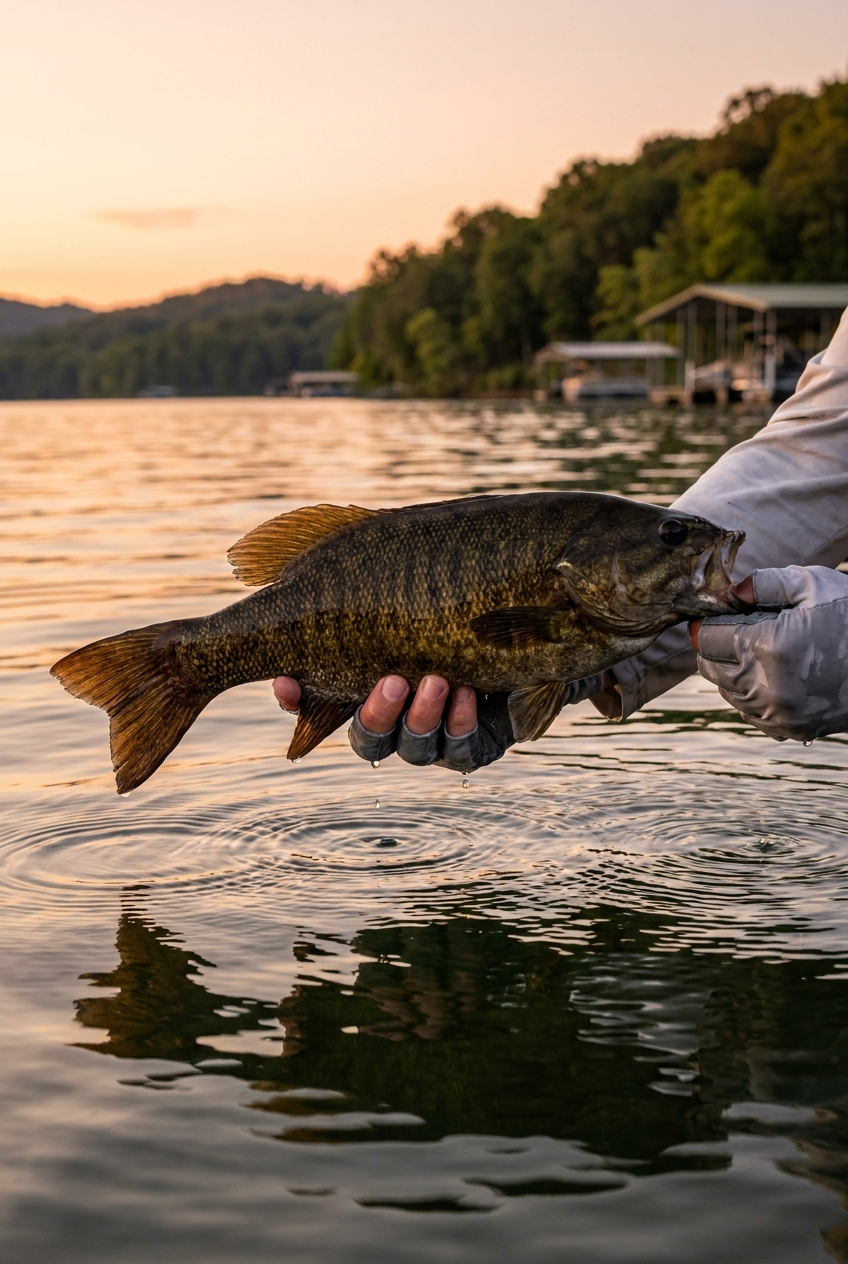
Smallmouth bass are the signature species at Norris Lake, drawn to the deep rocky bluffs, boulder fields, and hard-bottom points that define the Clinch and Powell River arms. The clear water allows smallmouth to hold at depth throughout the year - fish are routinely found at 15 to 35 feet on the main channel bluffs and rocky secondary points. Tube jigs, drop-shot rigs with finesse worms, and small crankbaits worked along vertical bluff walls produce the most consistent smallmouth catches. Spring spawning activity brings fish to shallower gravel and rock at 5 to 12 feet in the protected creek coves. Tennessee TWRA standard black bass regulations apply: 12-inch minimum size limit, 5-fish combined daily bag for all black bass species. Verify current regulations at https://www.tn.gov/twra/fishing/fishing-regulations.html before fishing. Summer smallmouth at Norris Lake relate to the deepest accessible rocky structure, often suspending on main-channel bluff walls in 20 to 40 feet where the clear water allows visibility-oriented fish to feed effectively. Early morning topwater fishing on the rocky points produces surface strikes before fish retreat to depth. Fall is an excellent secondary season as smallmouth move back toward the 10 to 20-foot zone on the main channel points and follow shad schools into the creek arms. The Powell River and Clinch River arms both hold consistent smallmouth populations throughout the year.
Norris Lake Largemouth Bass Fishing Report
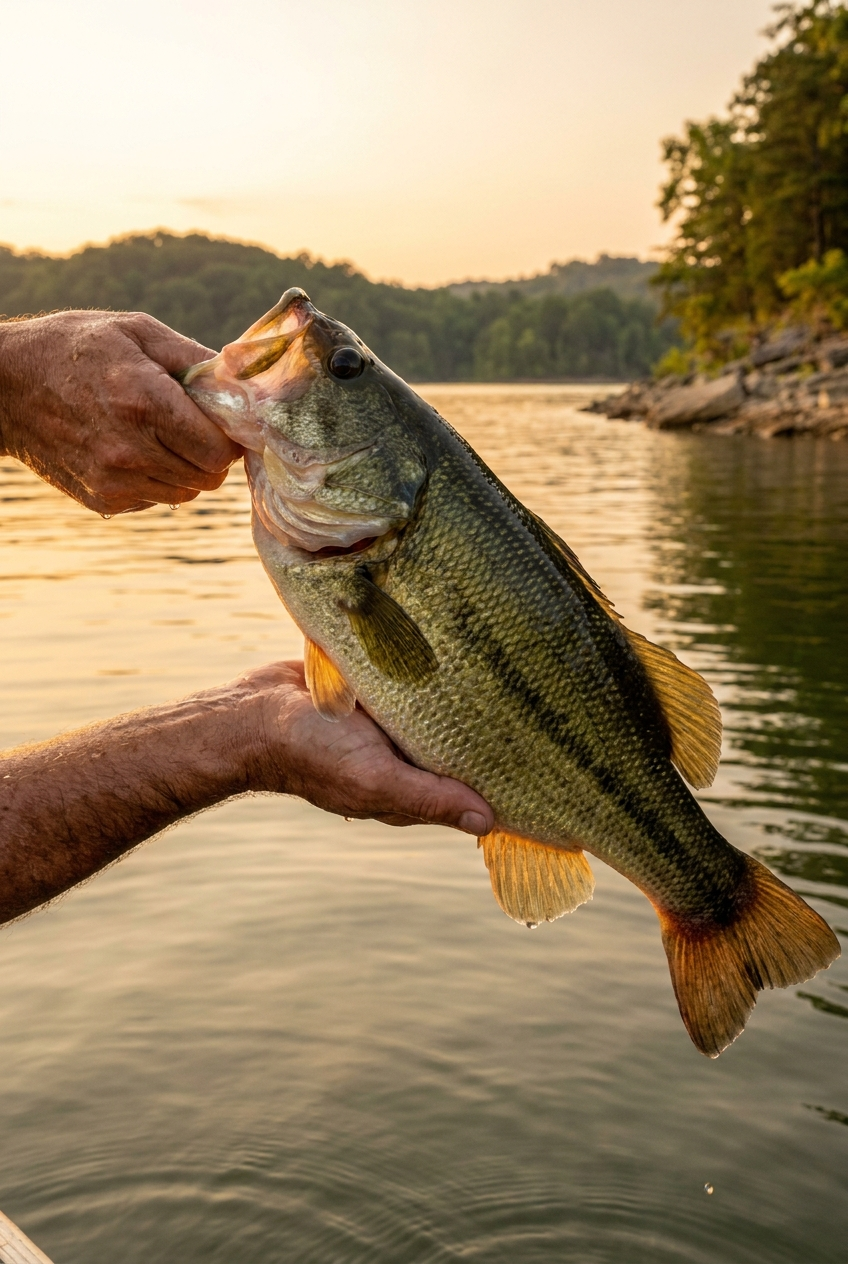
Largemouth bass at Norris Lake occupy the dock structure, submerged brush, and shallower timber in the protected coves and tributary arms where soft-bottom habitat provides contrast to the rocky main channel. The clearer water makes largemouth more structure-oriented than in typical Tennessee reservoirs, and fish often position tight to cover. Spinnerbaits worked through dock lines and brush piles, Texas-rigged worms on the harder bottom transitions, and jigs around dock pilings and fallen timber produce the most consistent largemouth throughout the year. Tennessee TWRA standard black bass regulations apply: 12-inch minimum size limit, 5-fish combined daily bag for all black bass species. Verify current regulations at https://www.tn.gov/twra/fishing/fishing-regulations.html before fishing. Spring is the primary largemouth season at Norris Lake. Prespawn fish stage at dock lines and brush pile edges at 6 to 12 feet from late March through April before moving into the backs of coves to spawn. The many protected coves along the Clinch River arm provide ideal spawning habitat with gradual slopes and adjacent structure. Summer largemouth retreat to the deeper dock piers and shaded brush in 10 to 18 feet during the warmest months. Fall produces active feeding on crankbaits and spinnerbaits along the cove entrances and main-lake secondary points as water temperatures drop through October and November.
Norris Lake Striped Bass Fishing Report
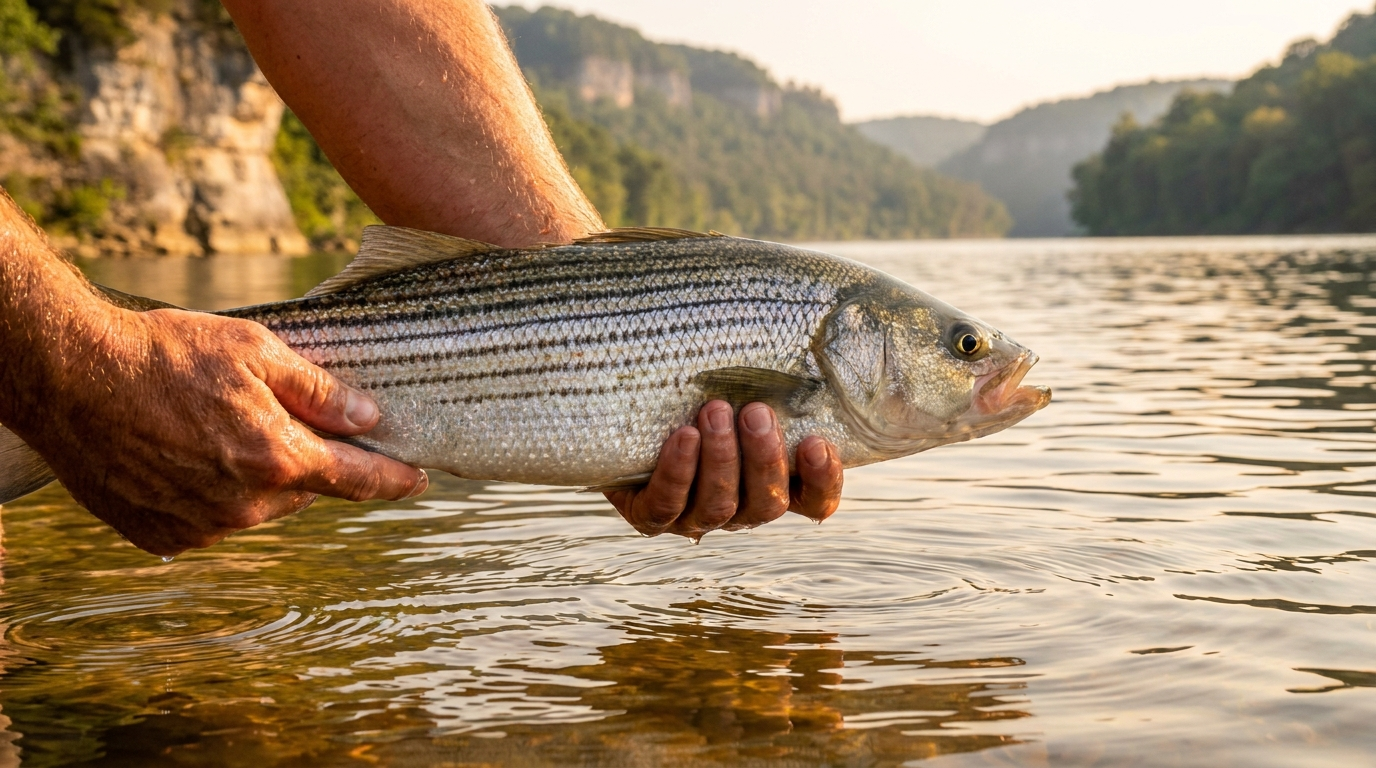
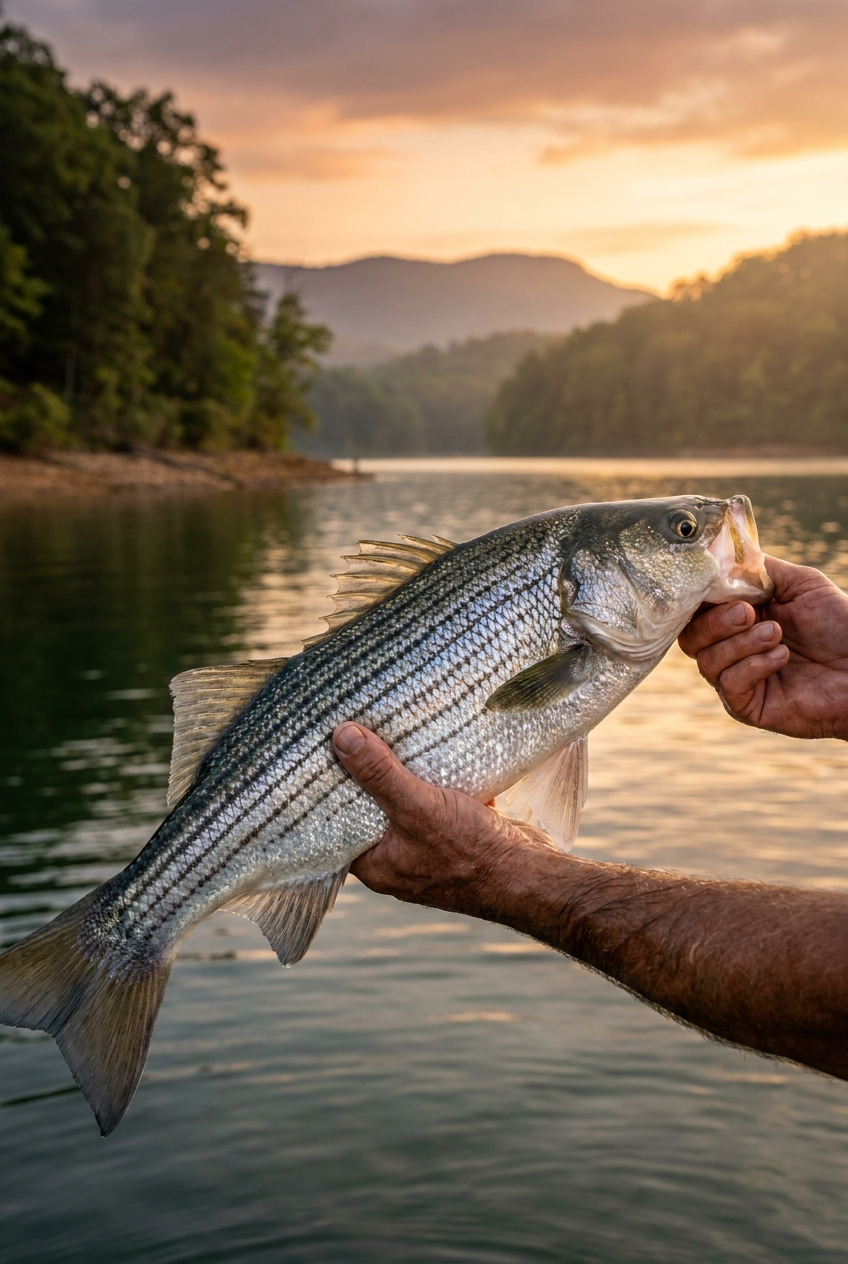
Striped bass are stocked in Norris Lake by TWRA and provide a schooling open-water fishery that follows shad populations through the main lake basin. The deep clear water of Norris allows stripers to access the cold depths they require during summer, making Norris one of the better TVA reservoirs for landlocked striper survival through the hottest months. Live shad fished below the thermocline on downriggers and trolled swimbaits through the main channel basin produce consistent stripers from late spring through fall. Surface blitzes on schooling stripers pushing shad to the surface are a common sight in early morning on the main lake from May through October. Tennessee TWRA regulations apply to striped bass on Norris Lake. Verify current regulations at https://www.tn.gov/twra/fishing/fishing-regulations.html before fishing. Cooler months from October through May allow stripers to roam the entire main lake basin and the upper arms of the Clinch and Powell rivers. Trolling large crankbaits and umbrella rigs through the deeper main-channel areas and near the Norris Dam tailwater section produces the most reliable striper action in the cooler seasons. The deep basin near the dam concentrates fish during summer when temperature stratification is strongest.
Norris Lake Crappie Fishing Report
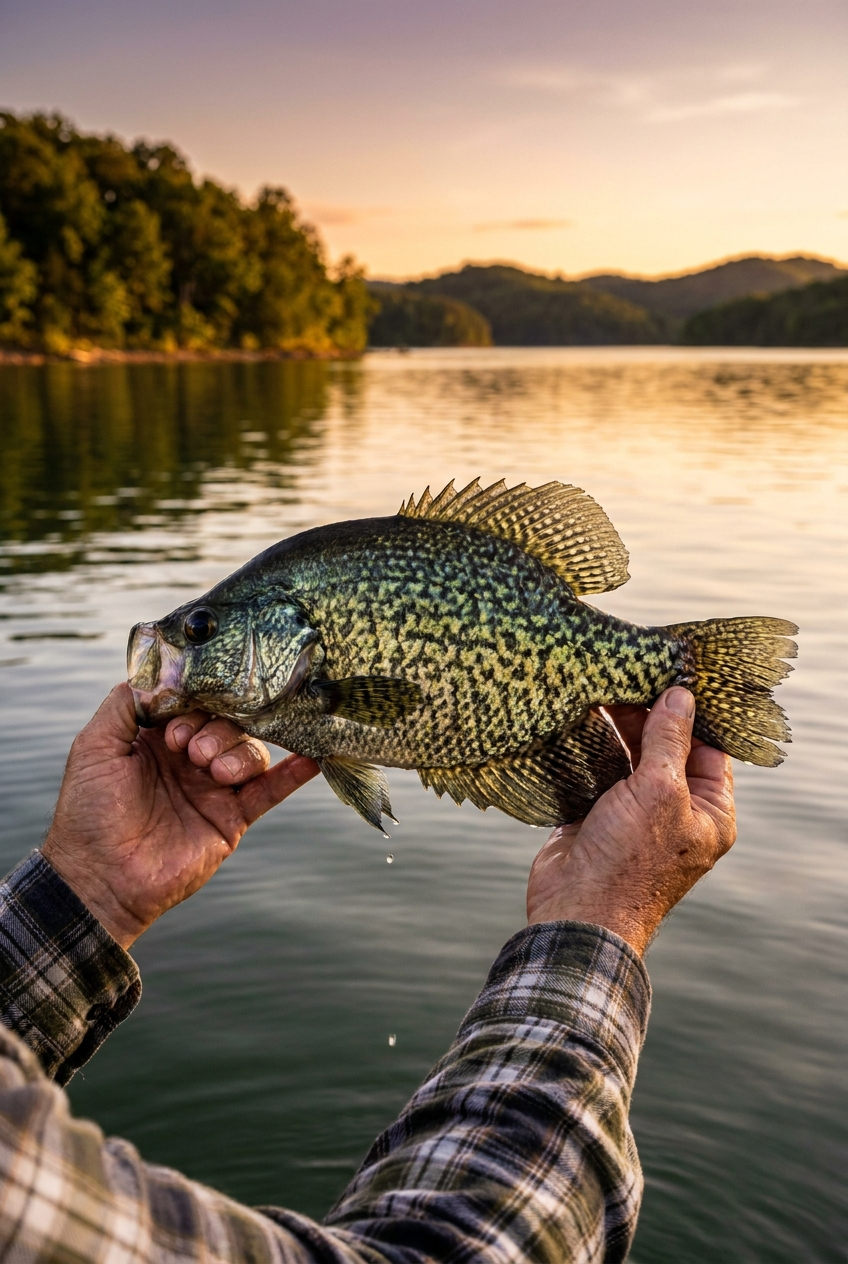
Crappie are widely distributed throughout Norris Lake in the docks, brush piles, and woody cover of the tributary arms. Both black and white crappie are present, with fish averaging solid sizes due to the quality forage base in the clear productive water. Dock pilings, submerged brush, and fallen timber in 8 to 15 feet hold crappie throughout the year. Small tube jigs, curly-tail grubs, and crappie jig-minnow combinations worked vertically around structure produce consistent catches. Tennessee TWRA standard crappie regulations apply. Verify current regulations at https://www.tn.gov/twra/fishing/fishing-regulations.html before fishing. Spring crappie fishing at Norris Lake peaks from late February through April as fish move from 15 to 25-foot winter holding depths into the shallower dock and brush structure at 5 to 10 feet. The many protected coves along both the Clinch and Powell River arms provide ideal crappie spawning habitat. Summer crappie suspend deeper in the dock structure and brush piles, requiring slower presentations in 12 to 20 feet. Fall returns fish to the mid-depth structure and provides a productive secondary bite through November.
Norris Lake Walleye Fishing Report
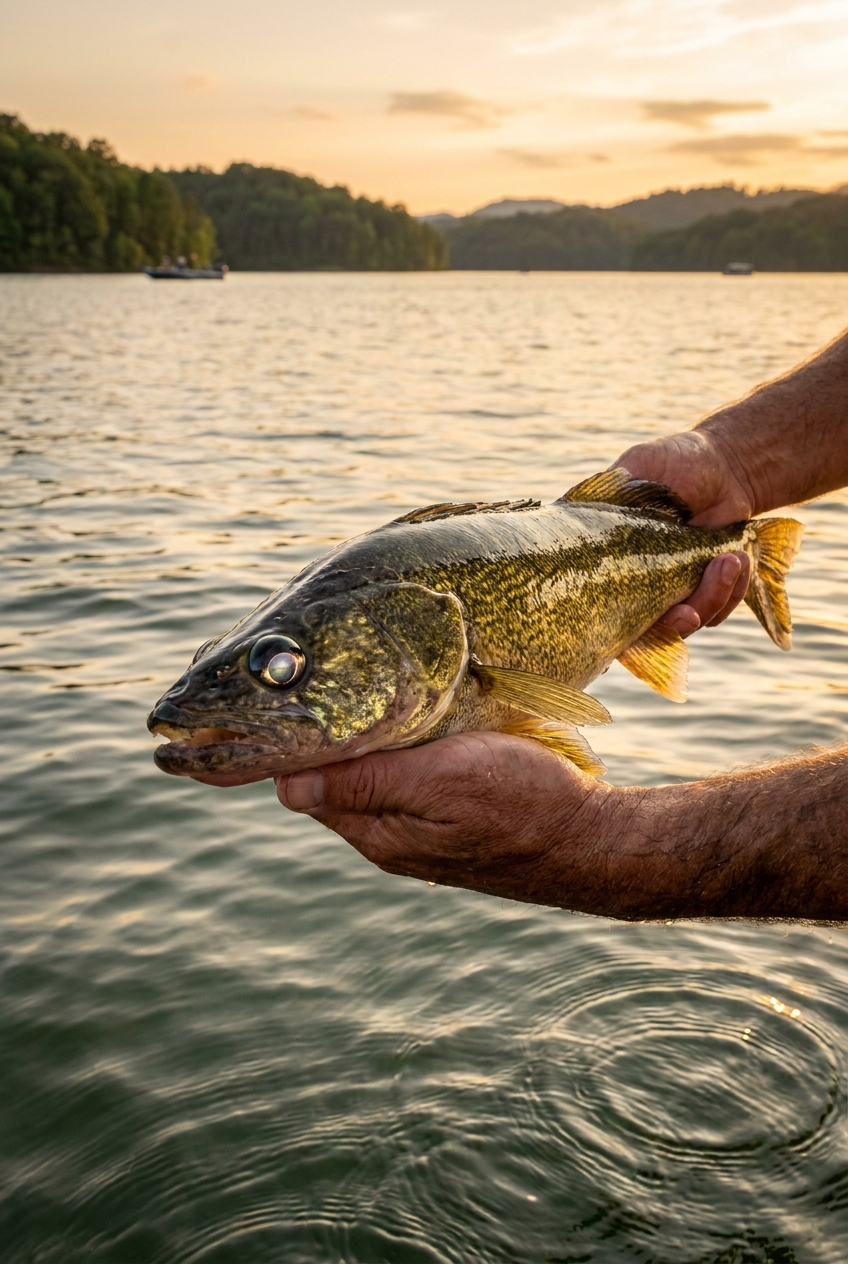
Walleye are a notable and somewhat underrated fishery at Norris Lake, thriving in the clear deep water and finding ample forage in the Clinch and Powell River system. Norris is one of the few Tennessee reservoirs with a self-sustaining walleye population, supported by TWRA stocking and natural reproduction in the river arms. The rocky main-channel structure, gravel bars, and deep clear water provide ideal walleye habitat. Jigging with blade baits and minnow-tipped jigs along the main channel bottom in 15 to 30 feet produces walleye, particularly during low-light periods - dawn, dusk, and nighttime. Tennessee TWRA walleye regulations apply on Norris Lake. Verify current regulations at https://www.tn.gov/twra/fishing/fishing-regulations.html before fishing. Winter and early spring are the most productive walleye seasons at Norris Lake. Fish concentrate near the Norris Dam tailwater and the rocky main-channel transitions as water temperatures drop into the 40s and 50s. Live minnows and jigging spoons on the channel bottom and along rocky main-lake points produce the best winter walleye catches. Spring walleye move to the gravel and rock of the upper river arms to spawn, and the Powell River arm in particular holds concentrations of fish from February through April.
Norris Lake Channel Catfish Fishing Report
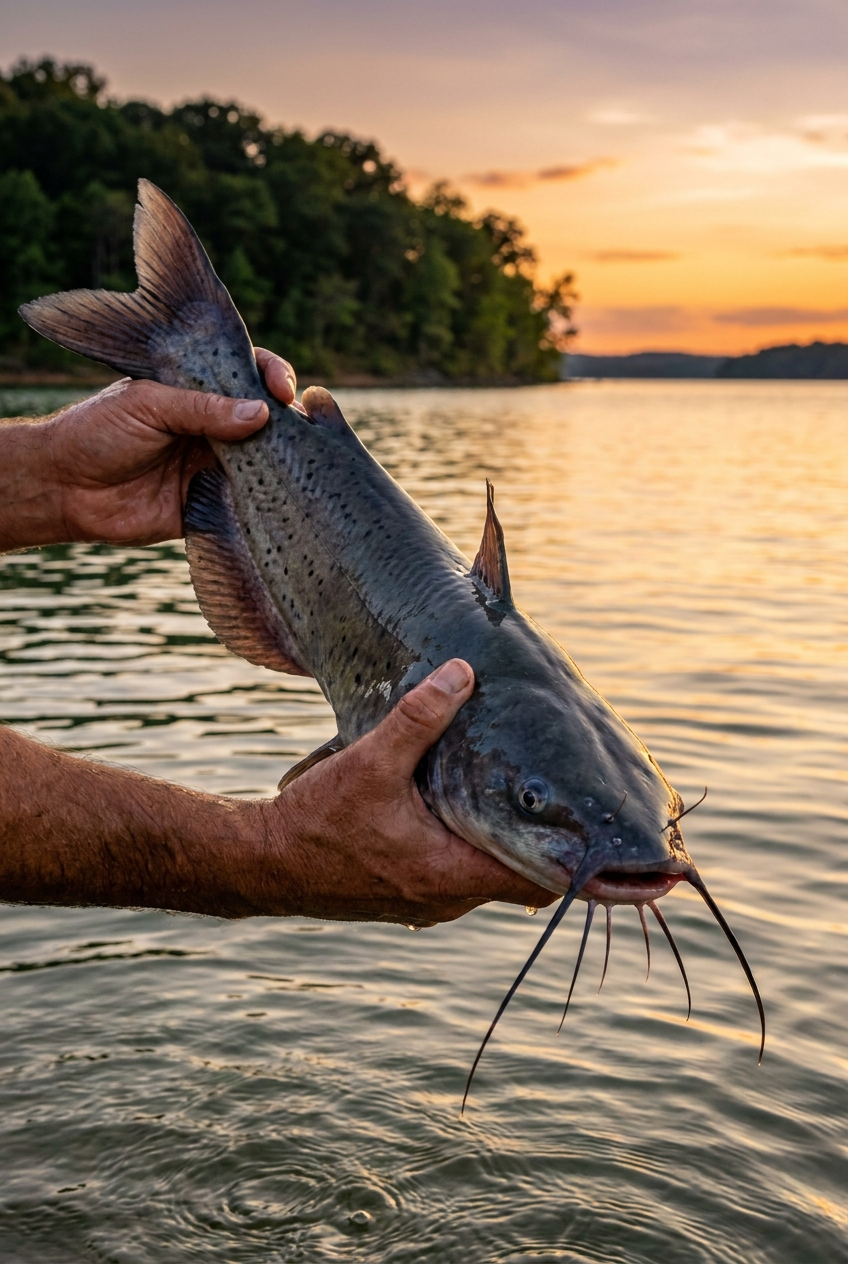
Channel catfish are present throughout Norris Lake in the deeper coves, channel transitions, and tributary mouths where softer bottom habitat concentrates forage. The productive Clinch and Powell River system supports quality channel catfish across all size classes. Cut shad, chicken liver, and prepared catfish baits fished near channel transitions and creek mouths produce consistent results. Tennessee TWRA standard catfish regulations apply. Verify current regulations at https://www.tn.gov/twra/fishing/fishing-regulations.html before fishing. Summer night fishing from public access areas produces the most consistent channel catfish action at Norris Lake. Tributary mouths along both the Clinch and Powell River arms concentrate catfish feeding activity after dark from June through September. The lower reservoir near the dam and the deeper creek channels running into the main lake arms hold reliable catfish populations through the warmest months.
Before you head out, check your line. If it's been sitting on the reel all winter or has seen a lot of rocks and timber, it's worth replacing before a serious trip. I order most of my braid from Reaction Tackle and have been happy with it.
Top Fish to Target in Norris Lake
Lures for Norris Lake
Tackle matched to this lake's species and structure.
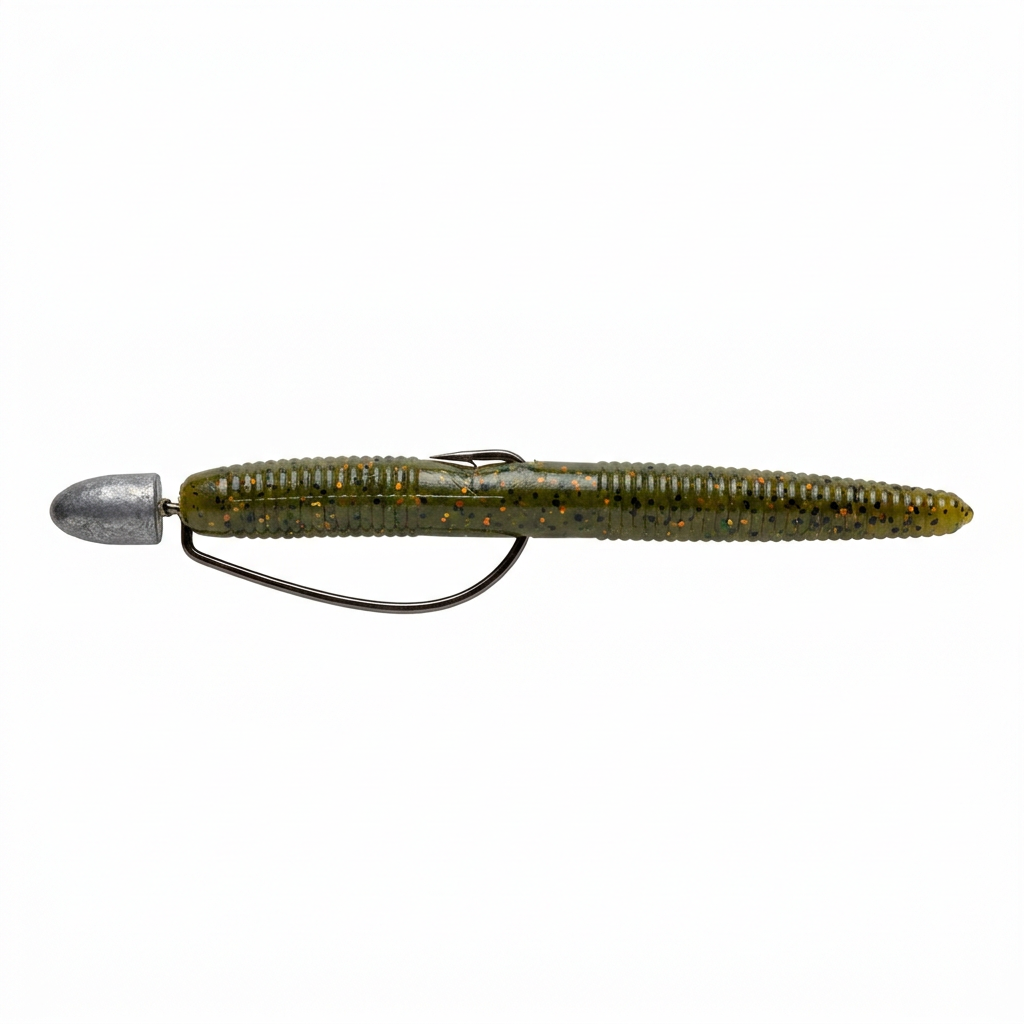
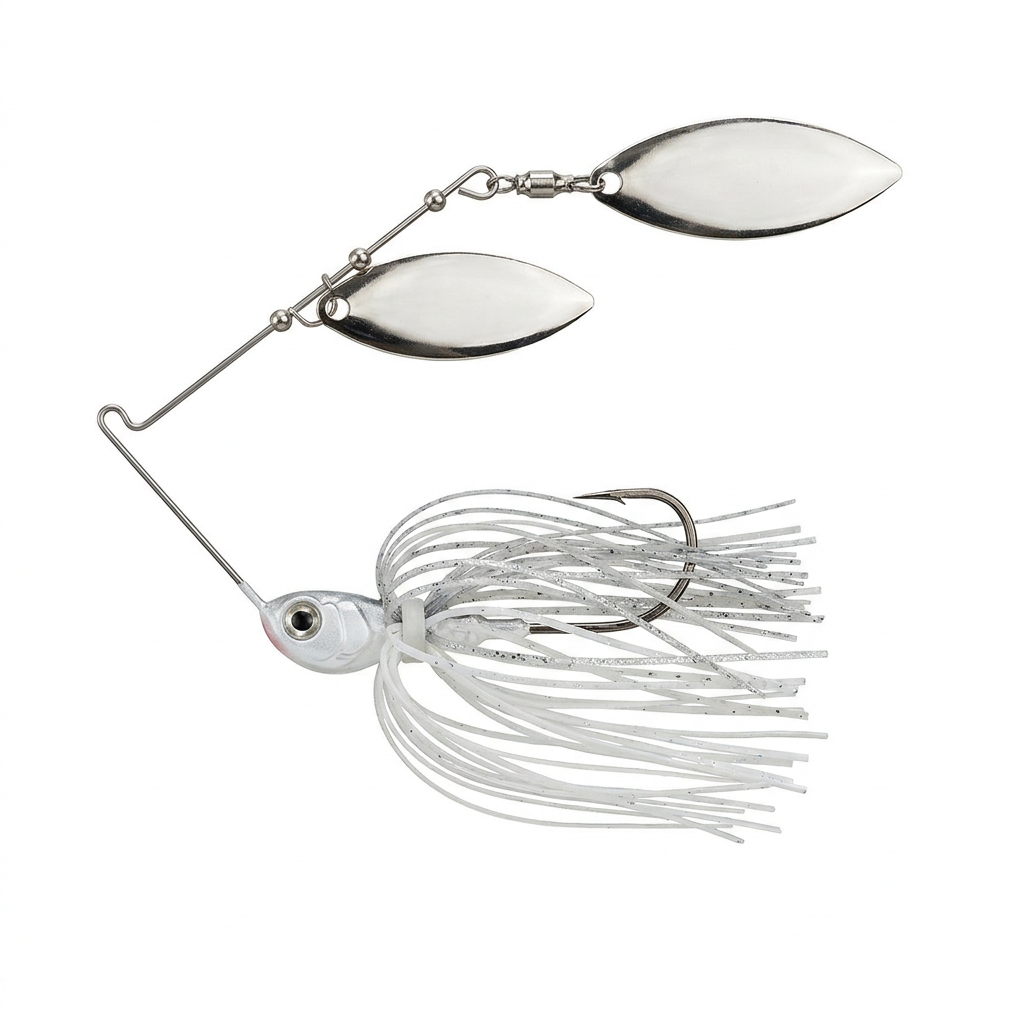
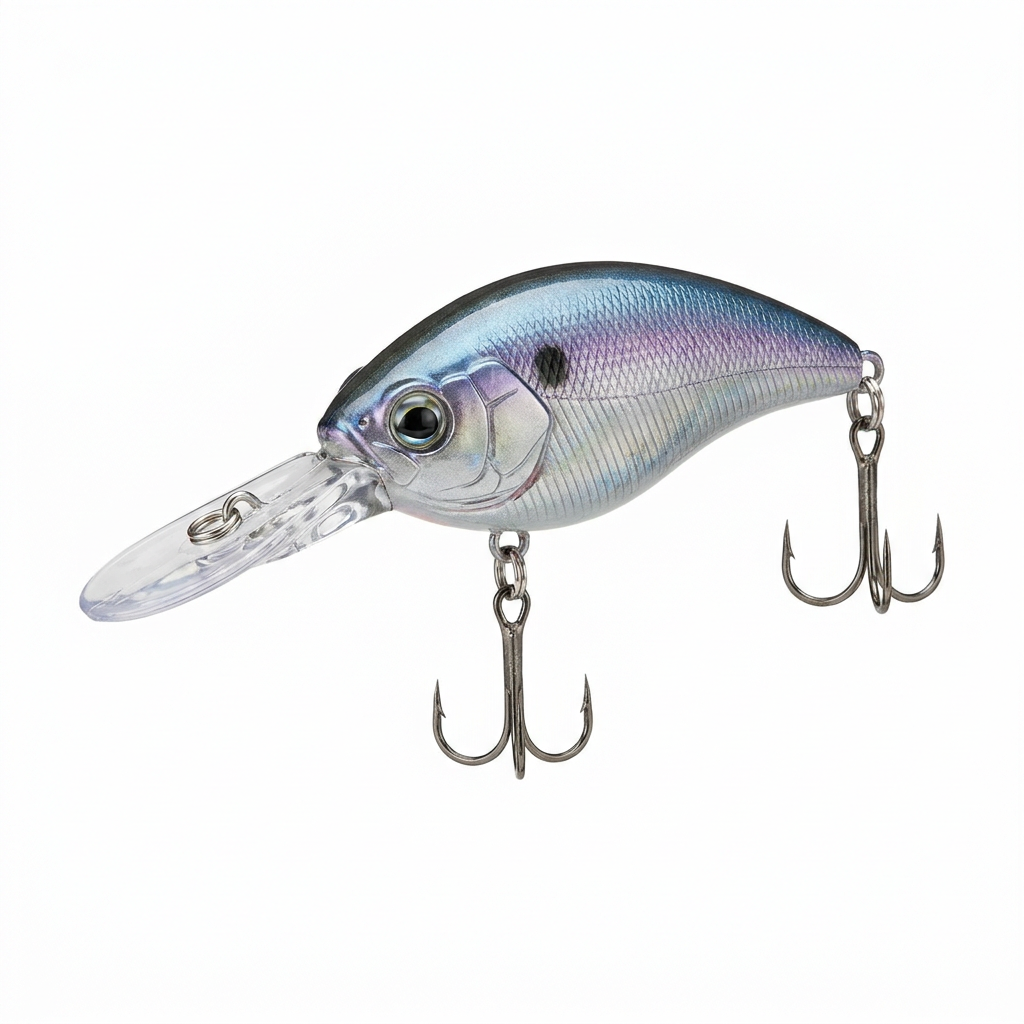
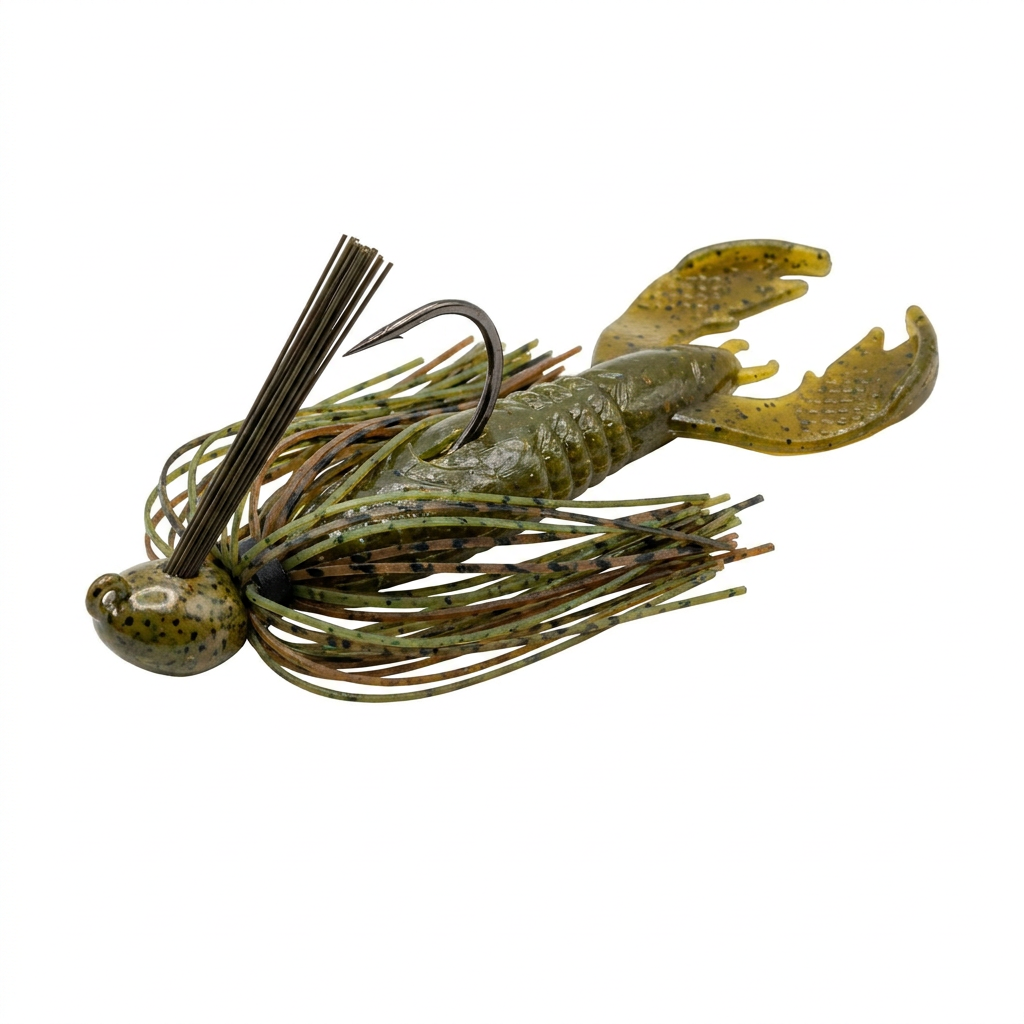
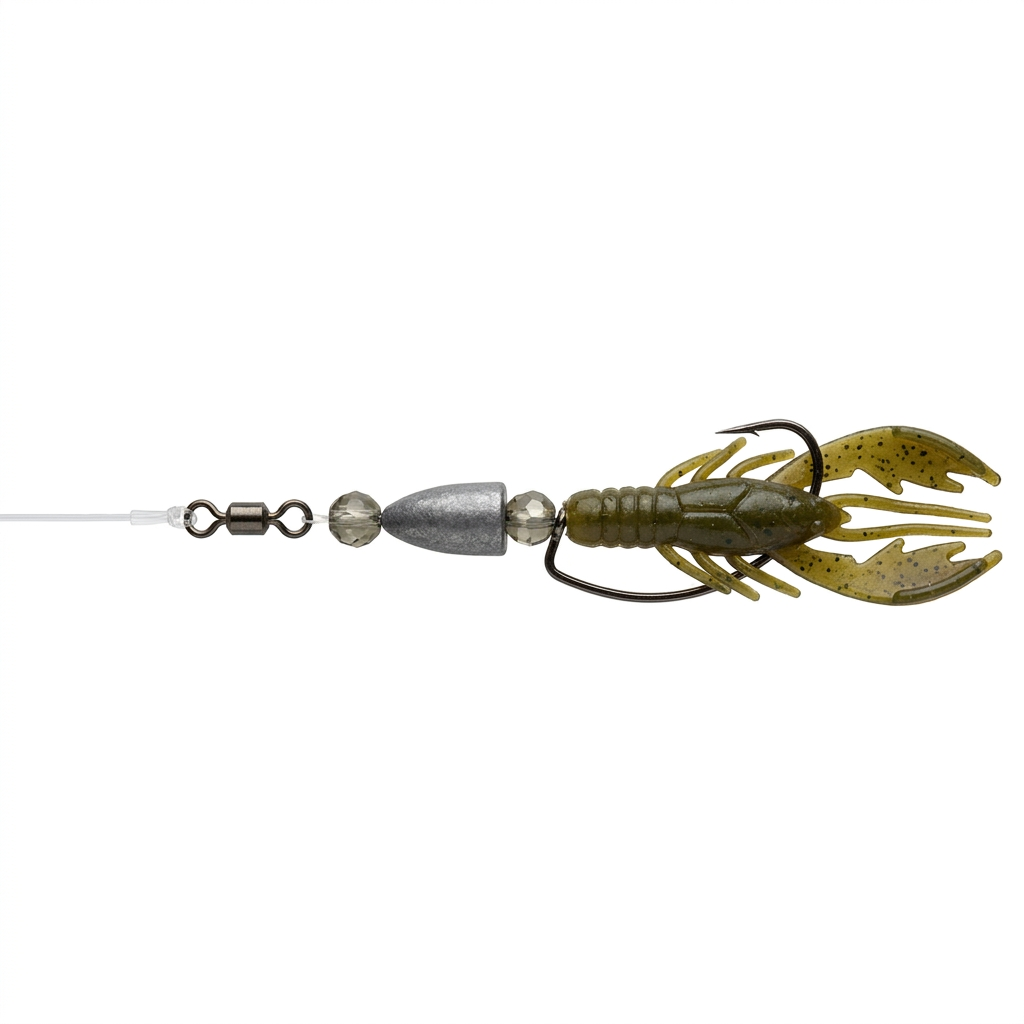
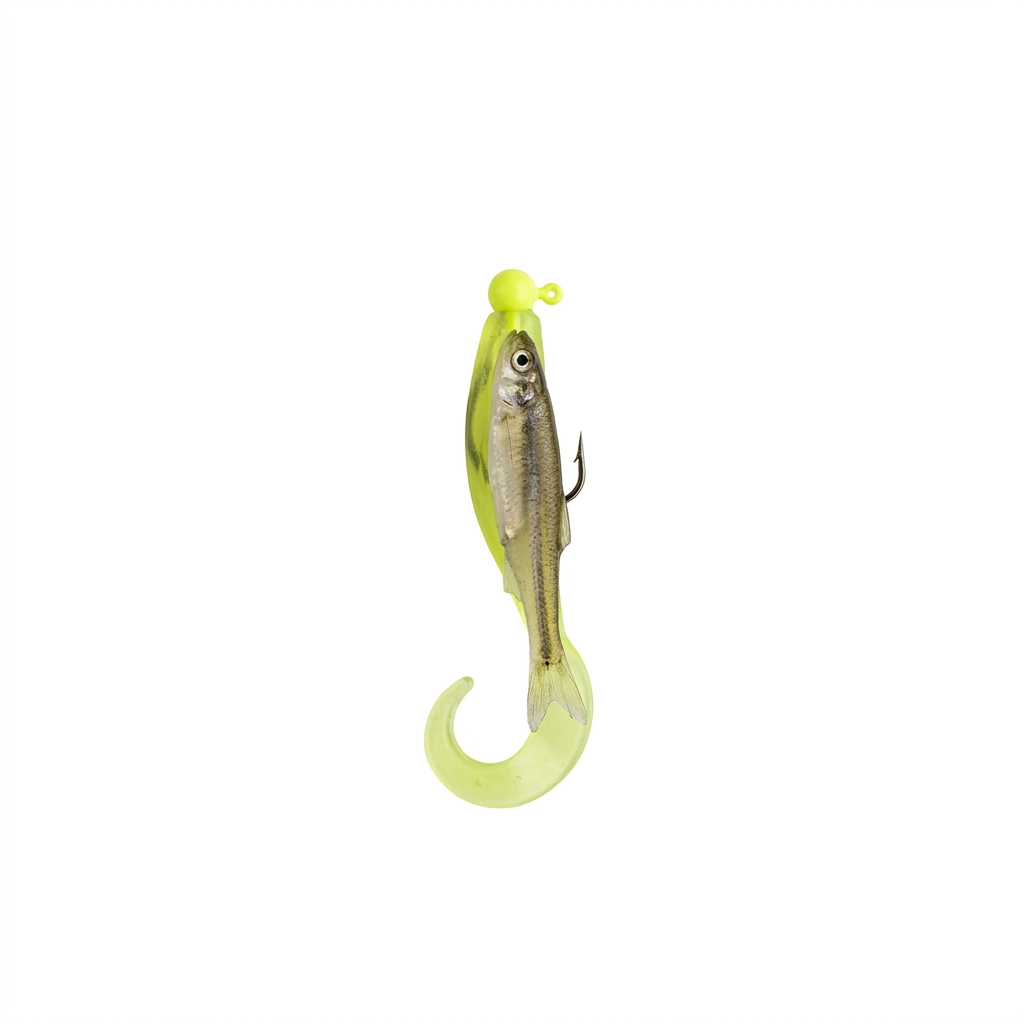
One thing I always check before a big trip is my main line. For most of the presentations that work here, you want braid. The sensitivity makes a real difference, especially when fish are finicky. I've been ordering from Reaction Tackle for a while now and haven't looked back.
About Norris Lake
The first TVA reservoir. Norris Lake holds a distinction that no other reservoir can claim: it was the very first lake created by the Tennessee Valley Authority. Norris Dam, completed in 1936 on the Clinch River, was the TVA's inaugural project and established the template for the entire system of dams that would follow. The town of Norris nearby was also built by the TVA as a planned community to house the workers. Today the lake covers approximately 34,000 acres across five counties and remains one of the clearest and most productive fisheries in the TVA system.
Smallmouth bass habitat. The deep rocky bluffs, boulder fields, and hard-bottom main-channel structure of Norris Lake create some of the best smallmouth bass habitat in Tennessee. The exceptionally clear water - a result of the Clinch and Powell Rivers' mountain headwaters - allows smallmouth to hunt visually at depth and supports a healthy shad population that fuels the entire fishery. Tube jigs and finesse presentations on the vertical bluff walls from 15 to 35 feet consistently produce quality fish throughout the year. TWRA manages Norris for quality bass fishing with a 12-inch minimum and 5-fish combined daily bag.
Walleye and multi-species depth. Norris Lake stands out in Tennessee for its walleye population - one of the few TVA reservoirs where walleye are consistently available. The cold clear water, rocky structure, and river-fed habitat of the Clinch and Powell arms create conditions that suit walleye. Low-light jigging in the main channel during winter and early spring produces some of the best walleye fishing available in Tennessee. The multi-species profile (smallmouth, largemouth, stripers, crappie, walleye, channel catfish) makes Norris a destination for anglers targeting multiple species on a single trip.
Lake size and access. Norris Lake covers approximately 34,000 acres at normal pool across Claiborne, Campbell, Union, Grainger, and Anderson counties, with the town of Norris located near the dam in Anderson County. The lake is approximately 25 miles north of Knoxville via US-441 and has multiple TVA and state-managed public boat ramps and access areas. Big Ridge State Park and Norris Dam State Park both provide public shoreline access and boat launching facilities.