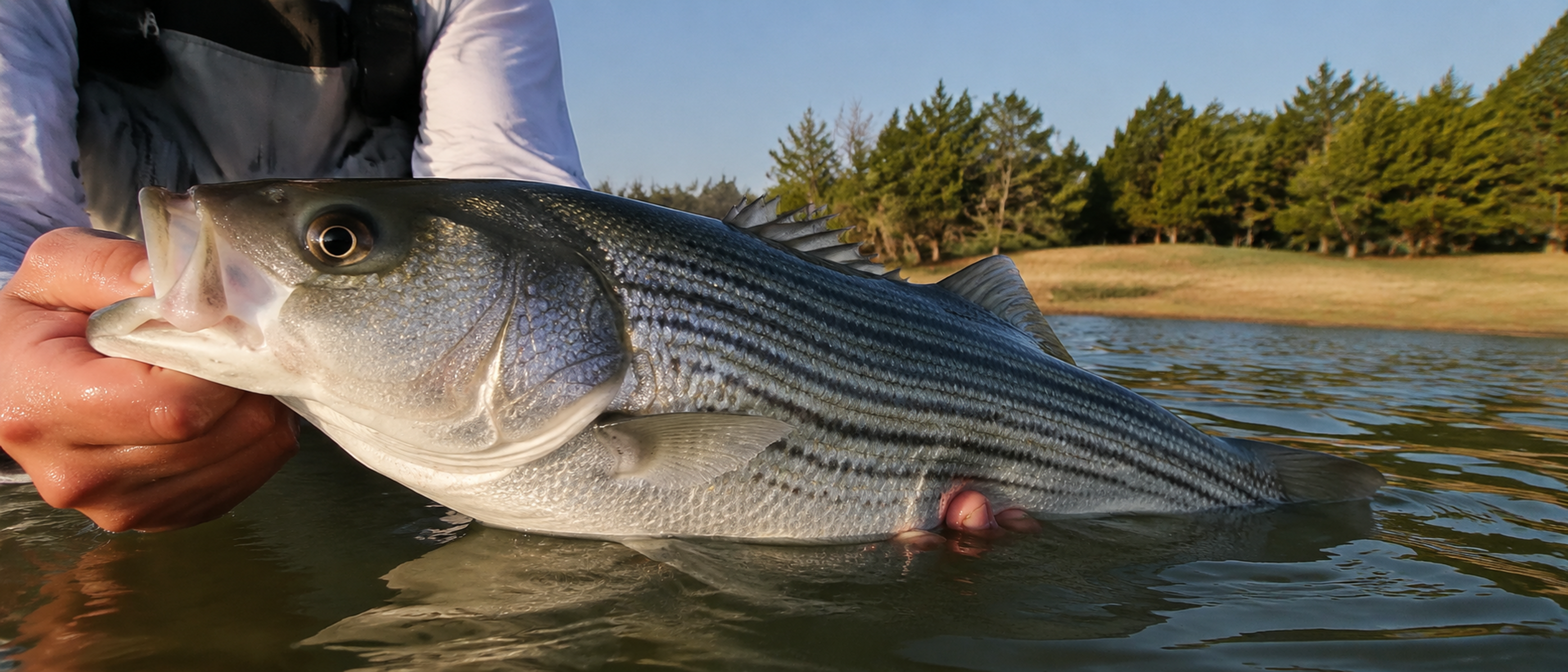
I've fished Lake Tawakoni and it's where I caught the biggest freshwater fish of my life: a blue catfish somewhere around 50 pounds. My buddy and I also limited out on stripers that same trip, which made it one of those rare days where everything goes right. Good eating too. I wasn't fully sure I believed Tawakoni's reputation before we launched the boat. I'm a believer now.
Today's Bite Score · October 8, 2026
Above average conditions worth planning a trip
🌘Waning Crescent
Lake Tawakoni Fishing Report
Updated October 2, 2026Synthesized from current fishing reports · Updated weekly
Lake Tawakoni is running lightly stained right now with water temperatures at 60 degrees and the lake sitting 1.34 feet below pool. Conditions this week are favorable for multiple species as guides are reporting solid activity across the fishery. The combination of current water clarity and temperature has fish positioned and feeding actively throughout the lake.
Anglers are finding the hybrid striper and white bass bite to be good this week, with guides reporting big schools of fish feeding on huge schools of threadfin shad across different parts of the lake. Swimbaits and slabs are working best in depths of 10 to 30 feet. The eating-size catfish bite has been very reliable right now with small pieces of cut bait producing best in shallow water. Trophy-sized catfish are also biting well this week, with guides reporting consistent catches of 40 pounds and up on most trips. Crappie are currently decent on the 2 mile bridge in 15 to 20 feet of water on jigs, and the largemouth bite has been better than average with good numbers of larger fish caught in shallow water on soft plastics.
Fresh cut bait is the ticket this week for trophy catfish in depths of 3 to 25 feet. For eating-size catfish, small pieces of cut bait in shallow water are producing the most reliable results. Key spots for largemouth right now include coves and small flats near deep water where anglers are having success on soft plastics. The combination of current conditions and active feeding patterns makes this an excellent week to target multiple species across Lake Tawakoni.
Get More Fishing Report Specifics
Tap a topic button below for a report on current conditions.
Tap a topic above to get a current report for Lake Tawakoni.
Answers are generated on demand and cached. No AI call fires until you tap a tab.
Lake Tawakoni Fishing Guides
Looking for a Lake Tawakoni fishing guide? The trophy stripers and hybrids suspend at different depths depending on the season, and the guides who work this lake every week know exactly where they're sitting. Go here → to check out our recommended fishing guides for Lake Tawakoni. Then scroll down on that page to see all of the Lake Tawakoni fishing guides.
Lake Tawakoni Fishing Strategies by Species
Seasonal patterns and techniques by target species · Verified against official sources
Striped bass, hybrid striped bass, white bass, and trophy blue catfish are the primary draws at Lake Tawakoni, with TPWD rating all three fisheries "Excellent." Spring and fall surface schooling near the Two Mile Bridge causeway and the main lake humps produces the most exciting striper and white bass action, while winter concentrates the largest blue catfish in 20 to 40 feet near the dam. The lake carries specific catfish regulations that differ from statewide standards: no minimum length, 25-fish daily bag, but only 5 fish at 20 inches or longer and only 1 at 30 inches or longer. Verify current TPWD regulations before fishing.
Lake Tawakoni Striped Bass Fishing Report
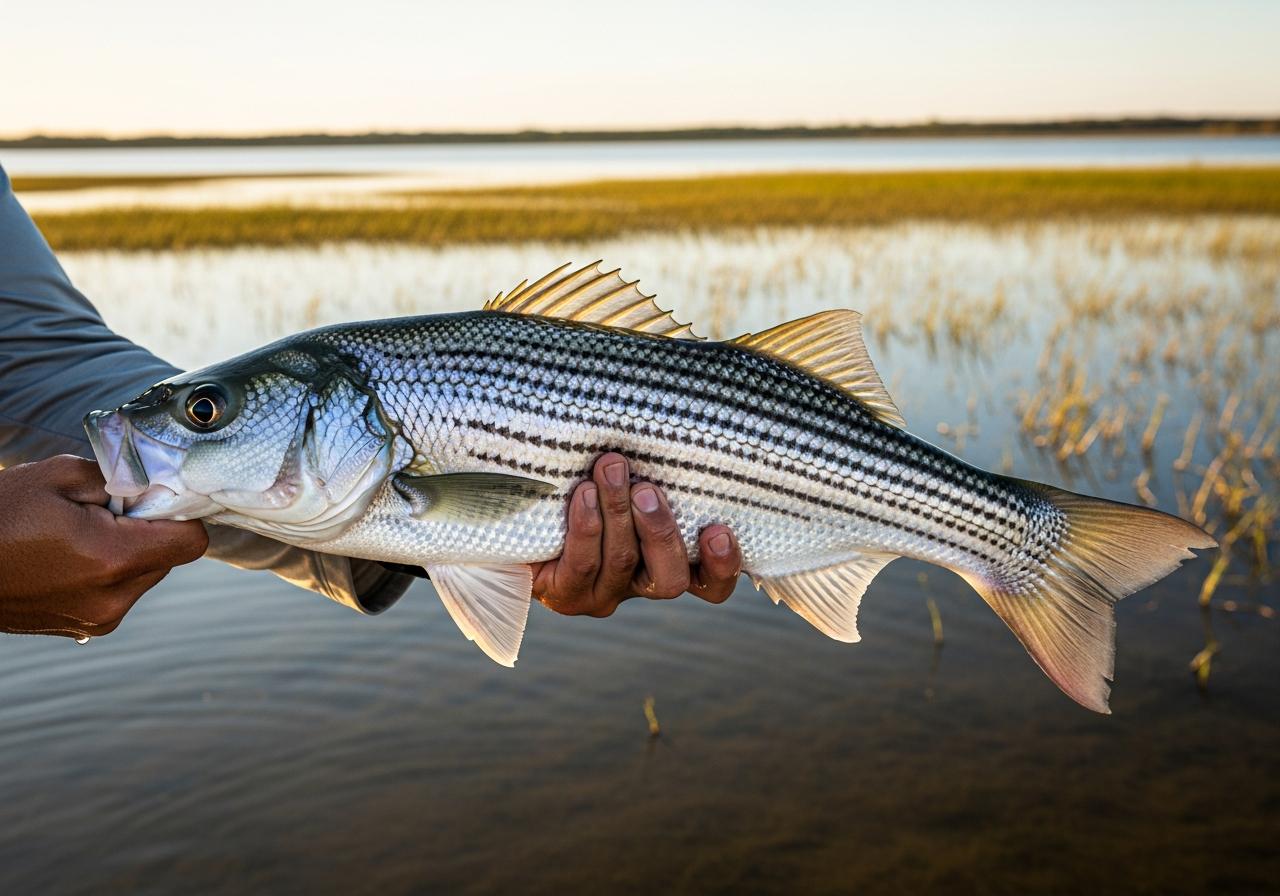
Striped and hybrid striped bass are Lake Tawakoni's signature species and are rated "Excellent" by TPWD. Annual TPWD stockings maintain the fishery, and the lake's open water and structure produce trophy-class fish. TPWD regulation: 18-inch minimum length, 5-fish daily bag limit (striped and hybrid striped combined). Verify current regulations at TPWD before fishing. Spring and fall are the peak seasons for surface-schooling striped and hybrid bass on Lake Tawakoni. Schools of fish push shad to the surface on the main lake points and along the Two Mile Bridge causeway area: topwater lures and white/chartreuse spoons on the schooling fish produce explosive action. Anglers position near bird activity and the edges of the main lake humps to intercept surfacing schools. Summer striper fishing requires deep-water presentations. Fish suspend near the thermocline at 20 to 40 feet in the main lake basin during the hottest months. Downrigger trolling with swimbaits and live shad, or jigging spoons vertically over the main lake structure, produces consistent fish when surface activity shuts down midday. Early morning and evening are the most productive windows for accessible fish near structure. Winter striper fishing near the dam and the deeper main lake humps produces the largest fish of the year. TPWD notes that trophy striped and hybrid bass are most accessible in the cooler months as fish concentrate on structure in 25 to 45 feet.
Lake Tawakoni White Bass Fishing Report
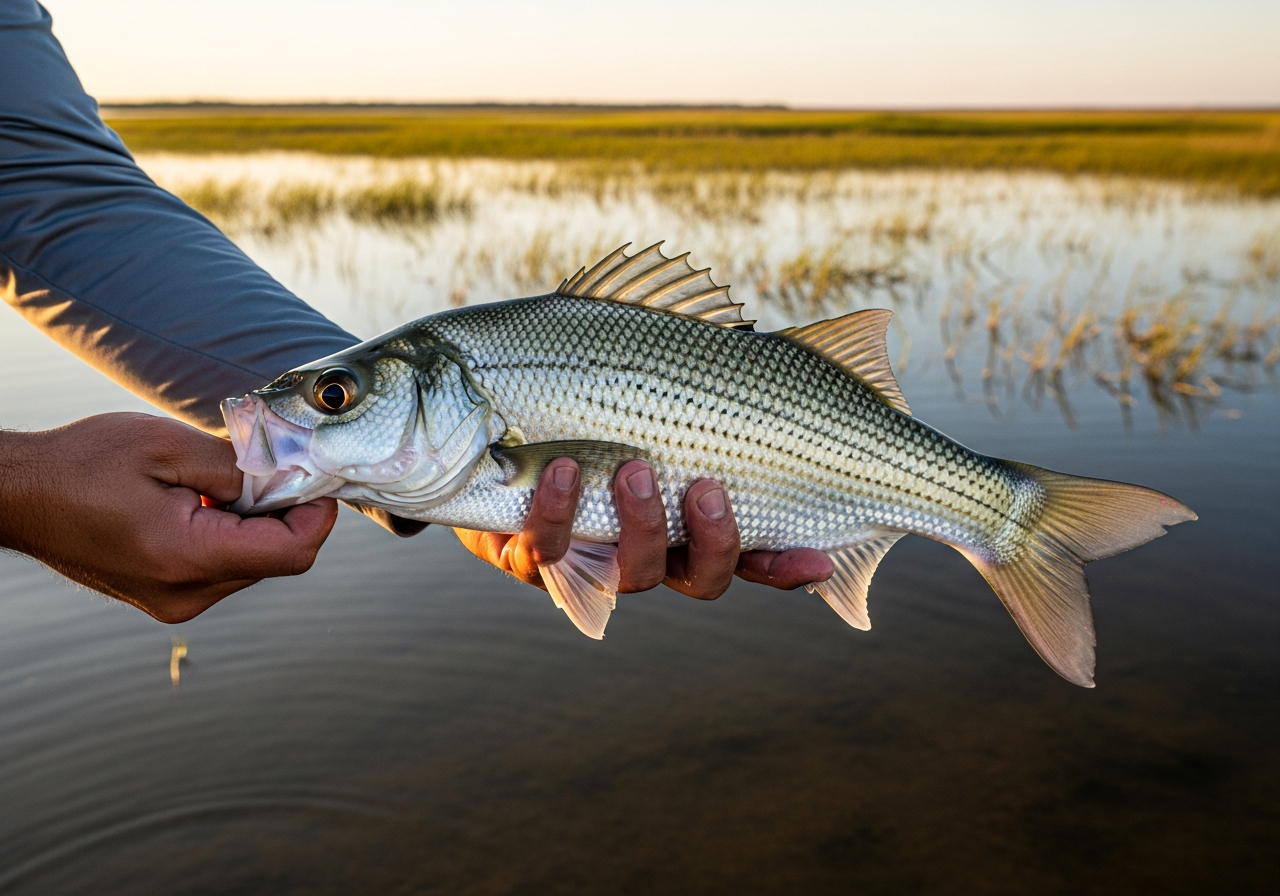
White bass fishing is rated "Excellent" by TPWD and is one of Lake Tawakoni's most accessible fisheries. TPWD regulation: 10-inch minimum length, 25-fish daily bag limit. The combination of abundant shad forage and the lake's open-water structure keeps white bass populations strong year-round. Spring white bass fishing is the most dramatic on Lake Tawakoni. Fish move into the upper Sabine River arm and tributary areas to spawn from February through April, and the run produces large concentrations of actively feeding fish in shallow water. Small jigs, spinners, and tiny crankbaits worked along the current areas and the stained water of the upper river arm produce fast action. The spring run is one of the most reliable events on the lake each year. Summer white bass on Tawakoni school with hybrid and striped bass on the main lake points and surface-chase shad schools in low-light conditions. The causeway at Two Mile Bridge and the main lake humps concentrate schooling fish. Fall brings another round of intense schooling activity as water temperatures cool and shad concentrate near the main lake structure.
Lake Tawakoni Blue Catfish Fishing Report
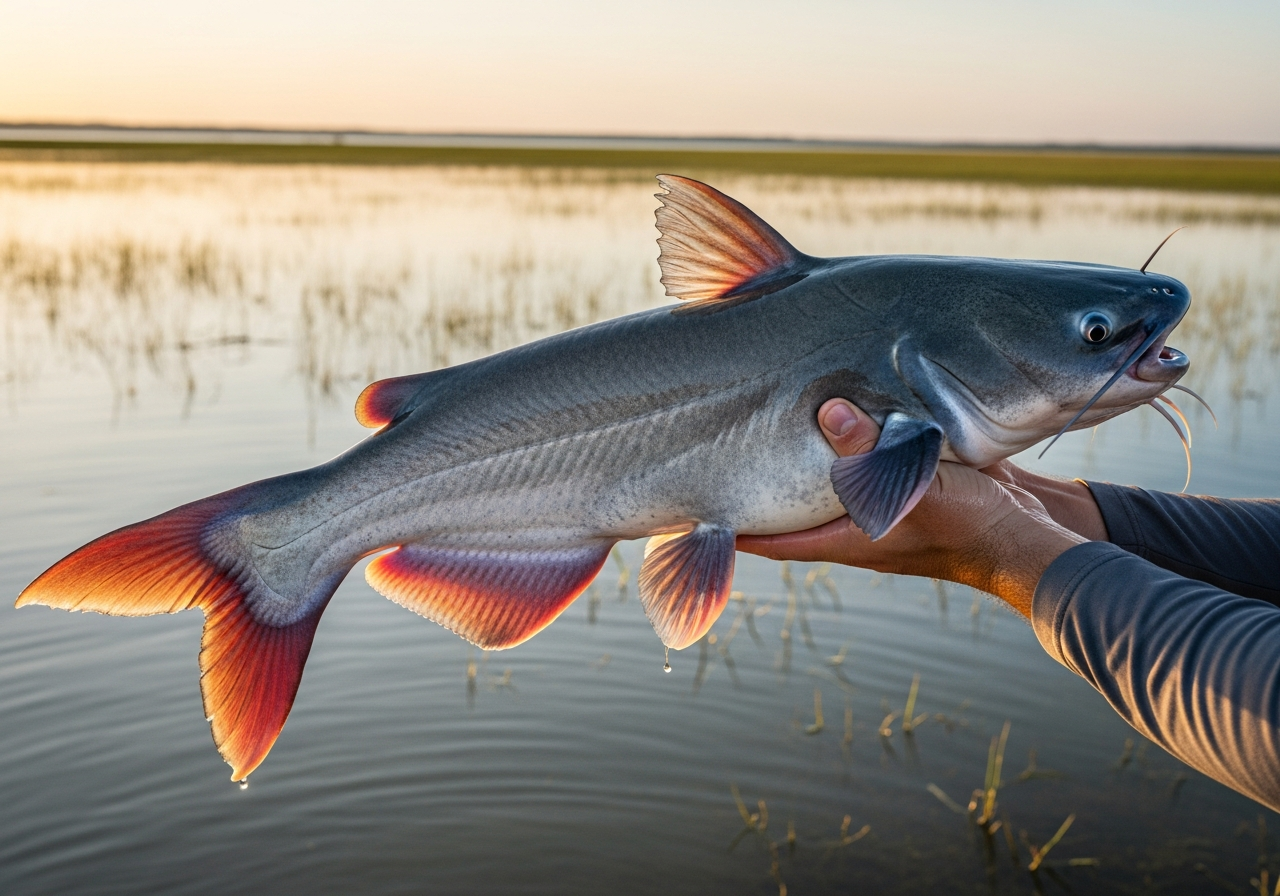
Blue catfish fishing is rated "Excellent" by TPWD and Tawakoni has a specific reputation for trophy-class blue catfish. TPWD notes that catches of trophy blue catfish: fish over 30 pounds: are fairly common, especially during the winter months. Lake-specific TPWD regulation: no minimum length, 25-fish daily bag limit, with a limit of 5 fish at or above 20 inches per day, and only 1 fish may be 30 inches or longer. Channel catfish are also present and share the bag limit. Verify current regulations at TPWD before fishing. Winter is the premier blue catfish season on Lake Tawakoni. Large fish concentrate on the deep channel bends and the structure near the dam in 20 to 40 feet, and cut shad, skipjack herring, and large cut bream fished on the bottom produce the biggest fish. TPWD specifically notes winter as the peak season for trophy-class blue cats on Tawakoni. Summer blue catfish fishing is productive at night. Fish move from deep daytime holding areas to shallower cove edges and main lake points after dark. Cut shad and prepared baits fished on the bottom from the Two Mile Bridge access and the main lake cove edges produce consistent fish through the night. The Sabine River arm and the tributary areas also concentrate catfish in the warmer months.
Lake Tawakoni Crappie Fishing Report
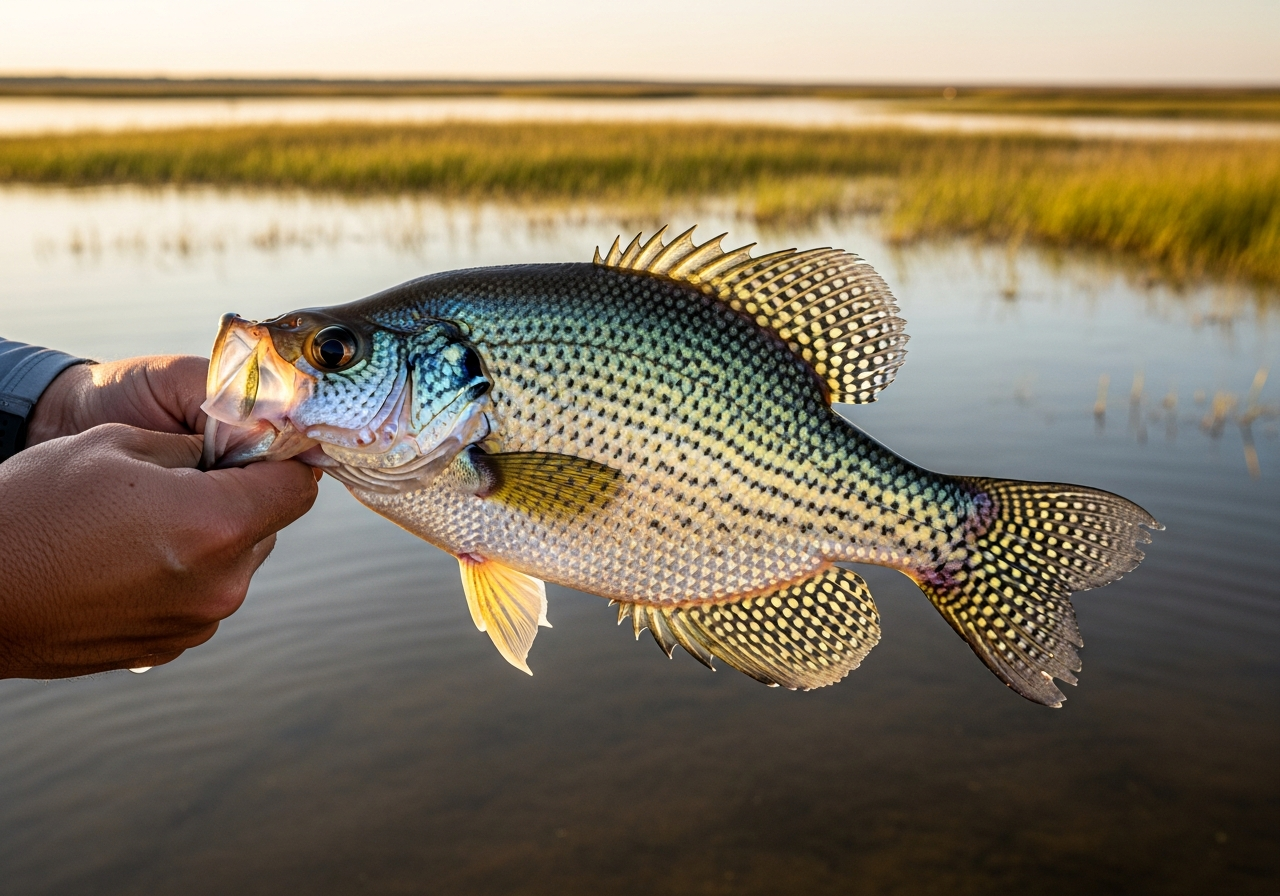
Crappie are present throughout Lake Tawakoni with fair ratings from TPWD. The bridge pilings along the Two Mile Bridge causeway and the dock structure throughout the lake hold crappie year-round. TPWD regulation: 10-inch minimum, 25-fish daily bag limit. Spring crappie fishing peaks in February and March as fish move from the deeper open water toward the bridge pilings and dock structure in 4 to 10 feet. Small tube jigs in chartreuse and white and live minnows worked vertically around the causeway pilings produce the best action. The Sabine River arm also concentrates crappie during the prespawn period. Fall crappie return to the structure in 12 to 18 feet and are accessible through November.
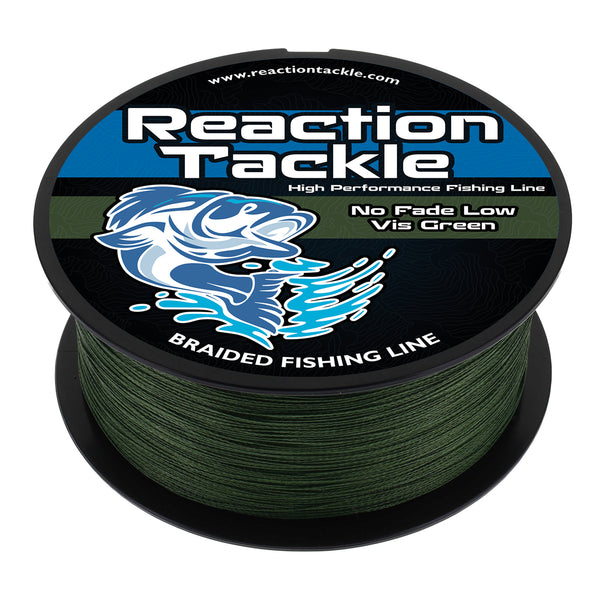
If you haven't replaced your braided line in a season or two, now's the time. Braid holds up better than mono, but abrasion from wood and rock adds up. Reaction Tackle is one of my favorite places to order from.
Top Fish to Target in Lake Tawakoni
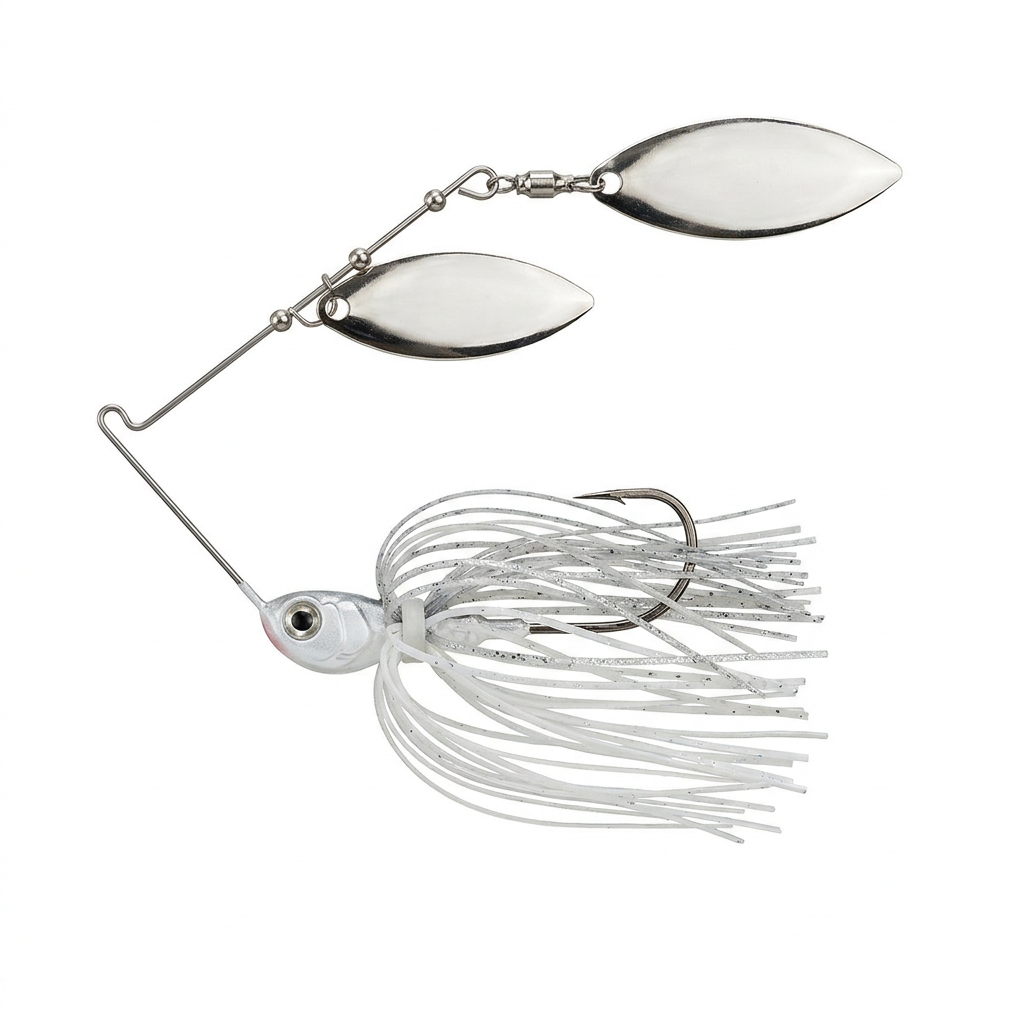
Lures for Lake Tawakoni
Tackle matched to this lake's species and structure.
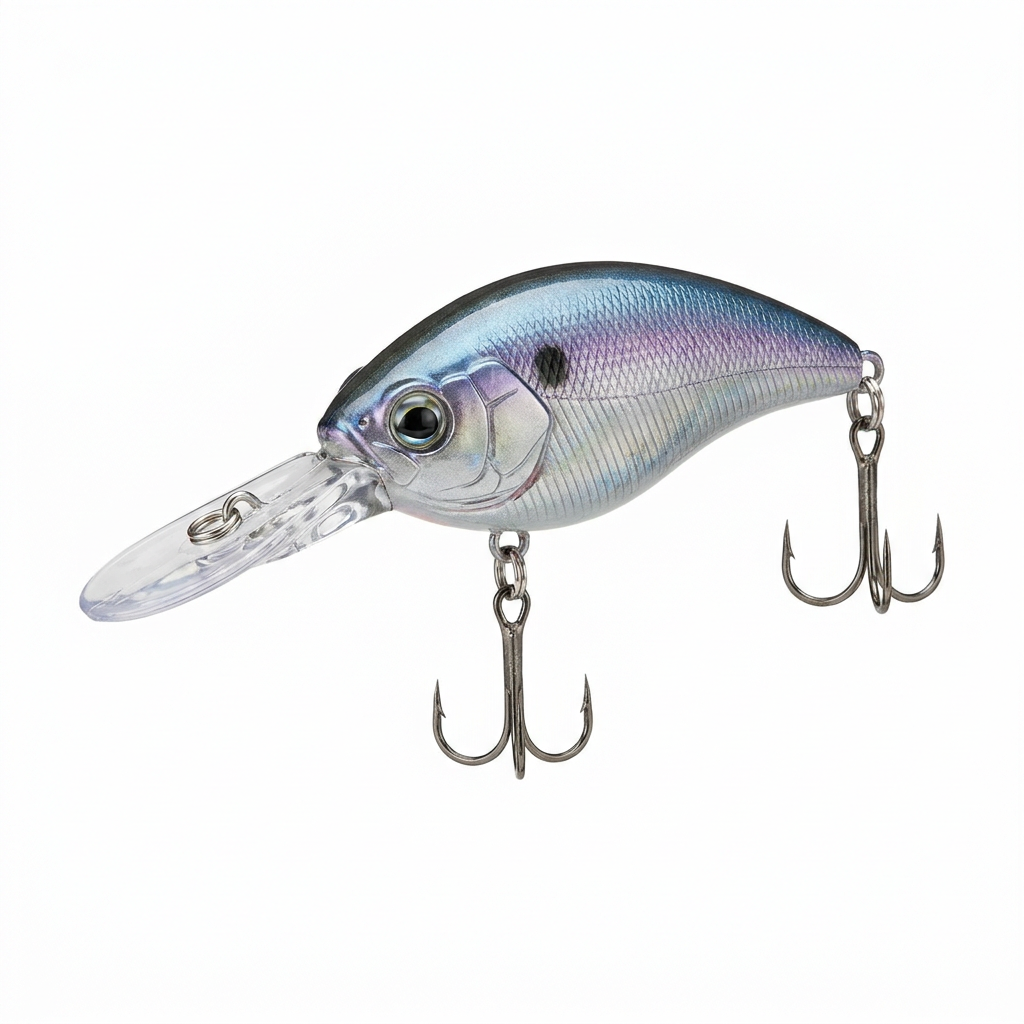
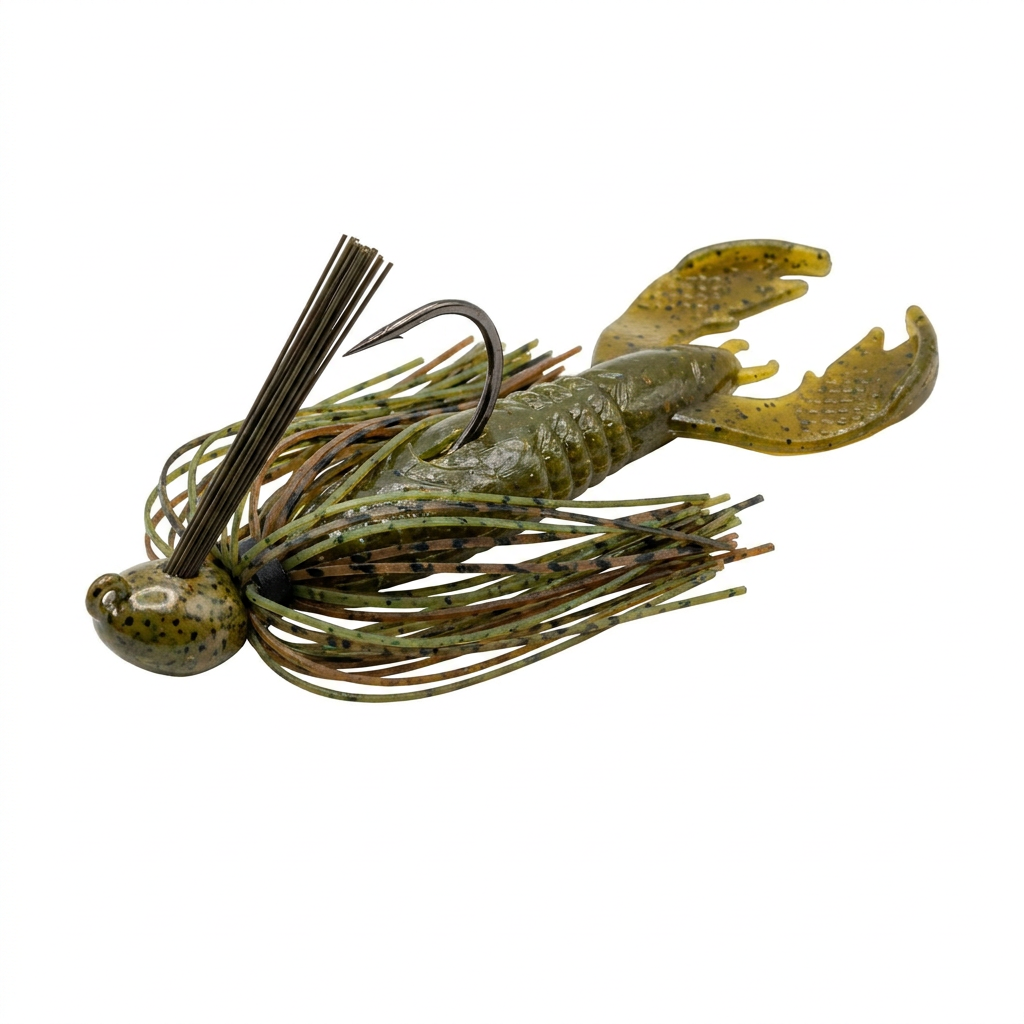
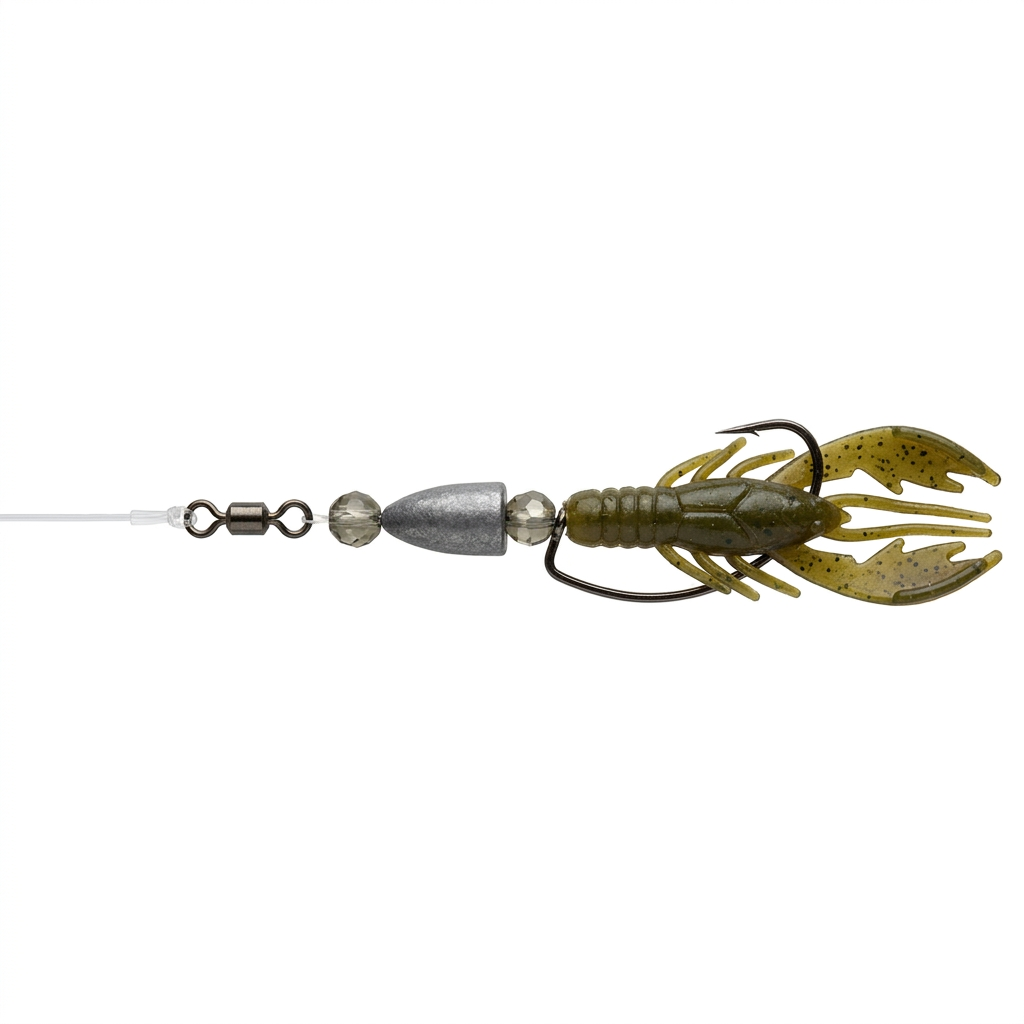
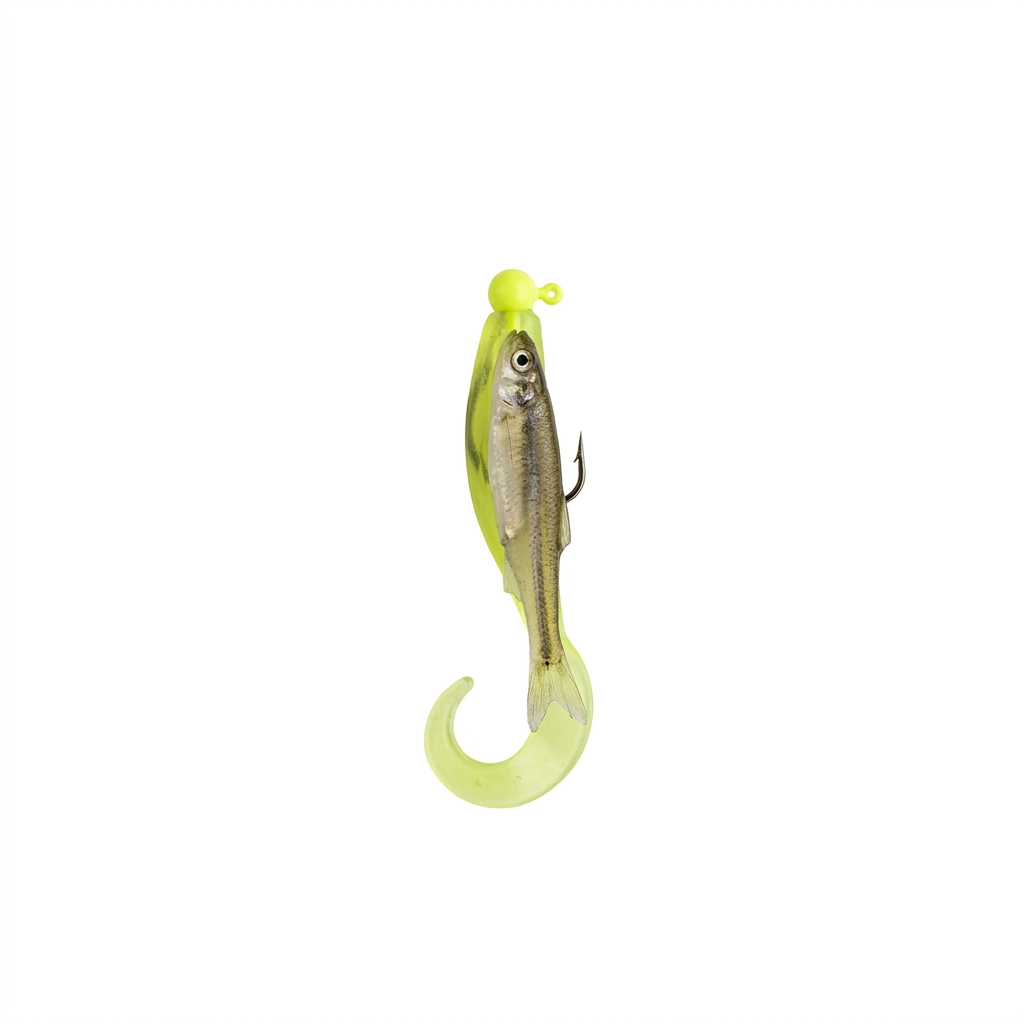
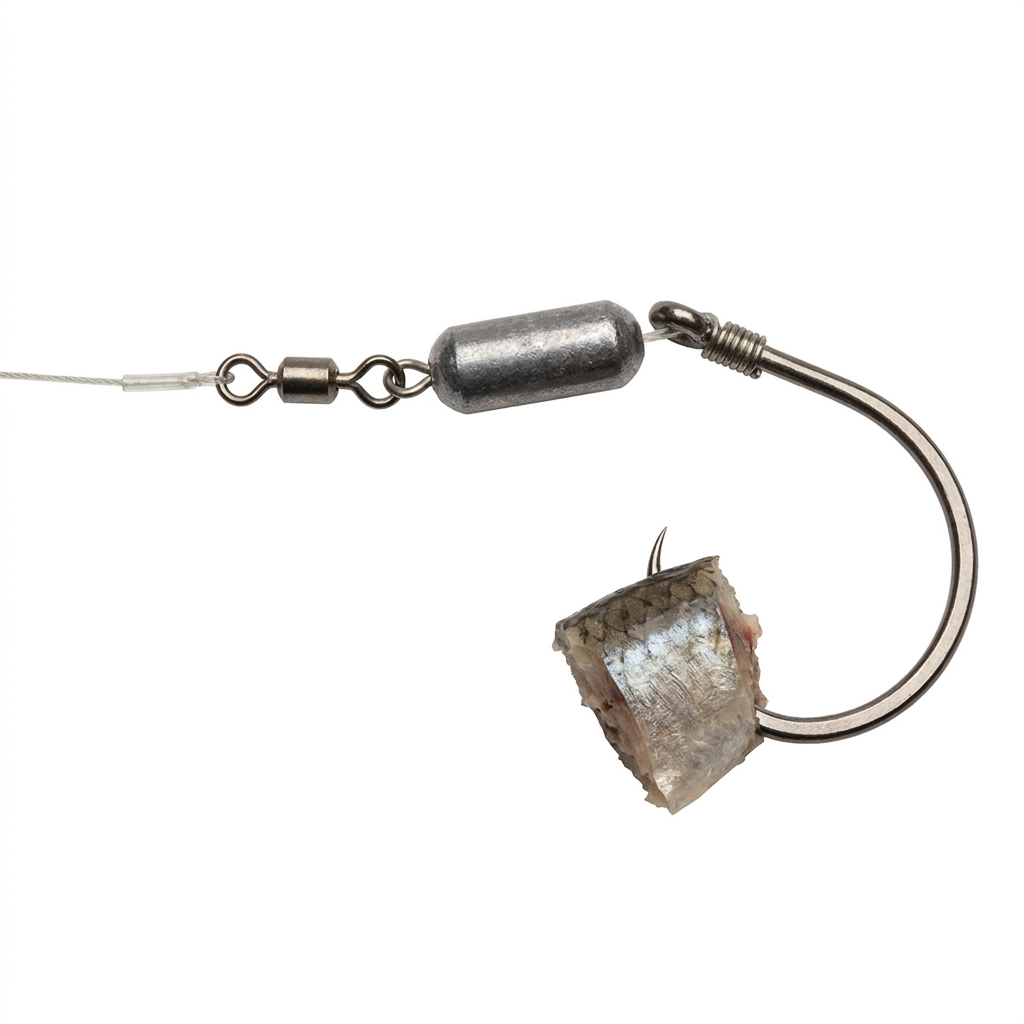
The right line matters as much as the lure. For the presentations that work on this lake, whether flipping timber, fishing main lake structure, or working deep brush, braid is the move. No stretch, more feel, and it lasts. Reaction Tackle is where I get mine.
About Lake Tawakoni
Lake Tawakoni is where I caught the biggest freshwater fish of my life: a blue catfish somewhere around 50 pounds. I'm not sure I fully believed Tawakoni's catfish reputation before that trip, but I'm a true believer now. If you're after a trophy blue cat, this lake belongs on your list. If it's your first time here, seriously consider hiring a local guide: the catfish structure and the striper patterns here reward local knowledge in a way that's hard to shortcut.
Lake size and location. Lake Tawakoni covers 37,879 acres approximately 45 miles east of Dallas in Hunt, Rains, and Van Zandt counties. The Iron Bridge Dam was completed in 1960 on the Sabine River and created the reservoir for municipal water supply. The lake reaches a maximum depth of 70 feet near the dam. Nearby communities include Wills Point (southwest of the dam), West Tawakoni, and East Tawakoni along the southern shore.
TPWD fishing quality ratings. Texas Parks & Wildlife rates the following species "Excellent" at Lake Tawakoni: striped and hybrid striped bass, white bass, and channel and blue catfish. TPWD stocks striped and hybrid striped bass annually to maintain the fishery. Largemouth bass and crappie are rated "Fair."
Key regulations (verify at TPWD). Striped/hybrid striped bass: 18-inch minimum, 5/day. White bass: 10-inch minimum, 25/day. Blue/channel catfish combined: no minimum length, 25/day: but only 5 of those 25 may be 20 inches or longer, and only 1 may be 30 inches or longer. Largemouth bass: 14-inch minimum, 5/day combined black bass. Crappie: 10-inch minimum, 25/day. Always verify at tpwd.texas.gov before fishing.
Access points. Two Mile Bridge provides public ramps at the east and west ends of the causeway: one of the most productive fishing areas on the lake for schooling striped bass and white bass. Cedar Cove Landing and West Tawakoni City Park also provide public access. The causeway bridge pilings concentrate crappie and catfish year-round.
Trophy blue catfish. Lake Tawakoni has a regional reputation for trophy-class blue catfish. TPWD notes that fish exceeding 30 pounds are fairly common, particularly in winter when large fish concentrate on the deep channel structure near the dam. The lake's specific catfish regulation (1 fish over 30 inches daily) reflects the trophy blue catfish resource.