Today's Bite Score · October 8, 2026
Very favorable conditions for catching fish
🌘Waning Crescent
Lake Anna Fishing Report
Updated October 2, 2026Synthesized from current fishing reports · Updated weekly
Water temperatures on Lake Anna's public side are holding at 76.8°F this week, with the private side running warmer at 86.4°F. An early-autumn weather pattern is actively reshaping fish positioning right now, with heavy cloud cover and an 8 mph WSW wind eliminating intense daytime glare and allowing bass and stripers to push out from deep cover. The lake remains 1.9 feet below normal pool, so anglers need to navigate with heightened vigilance around shallow flats and unbuoyed rock shoals.
Guides are reporting excellent activity this week in the 4 to 14 foot range, where windblown baitfish are stacking against secondary points and creek arms like Sturgeon Creek, The Splits, and State Park shoals. Largemouth bass are the best target right now, with peak feeding windows active from 5:02 AM to 7:02 AM. Low light penetration has predator fish actively roaming and intercepting forage instead of hunkering in deep timber. LiveScope anglers are marking roving schools of herring over 18 to 26 foot humps mid-lake, with stripers and schoolie bass pushing them toward the surface during wind gusts.
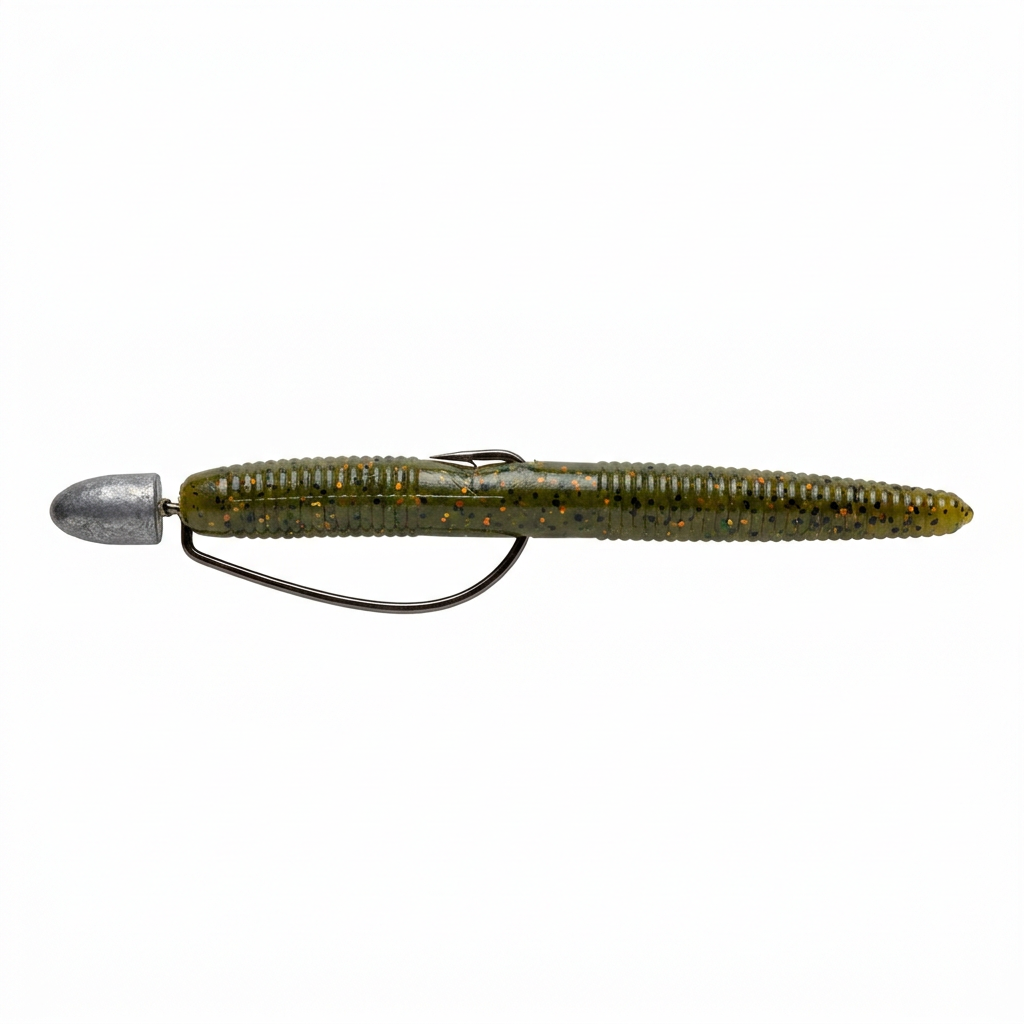
The bite has been strong on specific presentations this week. Slow-roll a 1/2 oz Double Willow Spinnerbait along windblown grass edges and shallow clay points, ripping hard when blades tick weeds to trigger reaction bites. Drop a 3/4 oz KT Slab Spoon directly through schooling marks in 20 to 28 feet near The Splits, popping the rod tip 2 feet and following slack on the fall. A 3.5-inch Paddle Tail Swimbait on a medium-slow retrieve through bait balls mimics injured threadfin shad perfectly in the stained or choppy water conditions anglers are finding this week.
Get More Fishing Report Specifics
Tap a topic button below for a report on current conditions.
Tap a topic above to get a current report for Lake Anna.
Answers are generated on demand and cached. No AI call fires until you tap a tab.
Lake Anna Fishing Guides
Looking for a Lake Anna fishing guide? The largemouth and striper fishing here is better than most people realize, and guides who understand Anna's unique warm-water discharge zones and seasonal patterns will get you dialed in fast. Here are 4 fishing guides for Lake Anna that are worth checking out.
Lake Anna Fishing Strategies by Species
Seasonal patterns and techniques by target species · Verified against official sources
Largemouth bass, striped bass, crappie, and catfish are the primary draws at Lake Anna, a 13,000-acre reservoir that consistently produces quality fishing near Richmond. The lake is divided into a "public side" and a "private side" (restricted area near the nuclear facility), with the public side providing the accessible fishing ground. Striped bass are stocked by Virginia DWR and thrive in the lake's deep water. A unique feature of Lake Anna is the warm-water discharge from the North Anna Power Station, which creates an area of warmer water that concentrates fish in winter and can extend productive seasons. Verify current DWR regulations before fishing.
Lake Anna Largemouth Bass Fishing Report
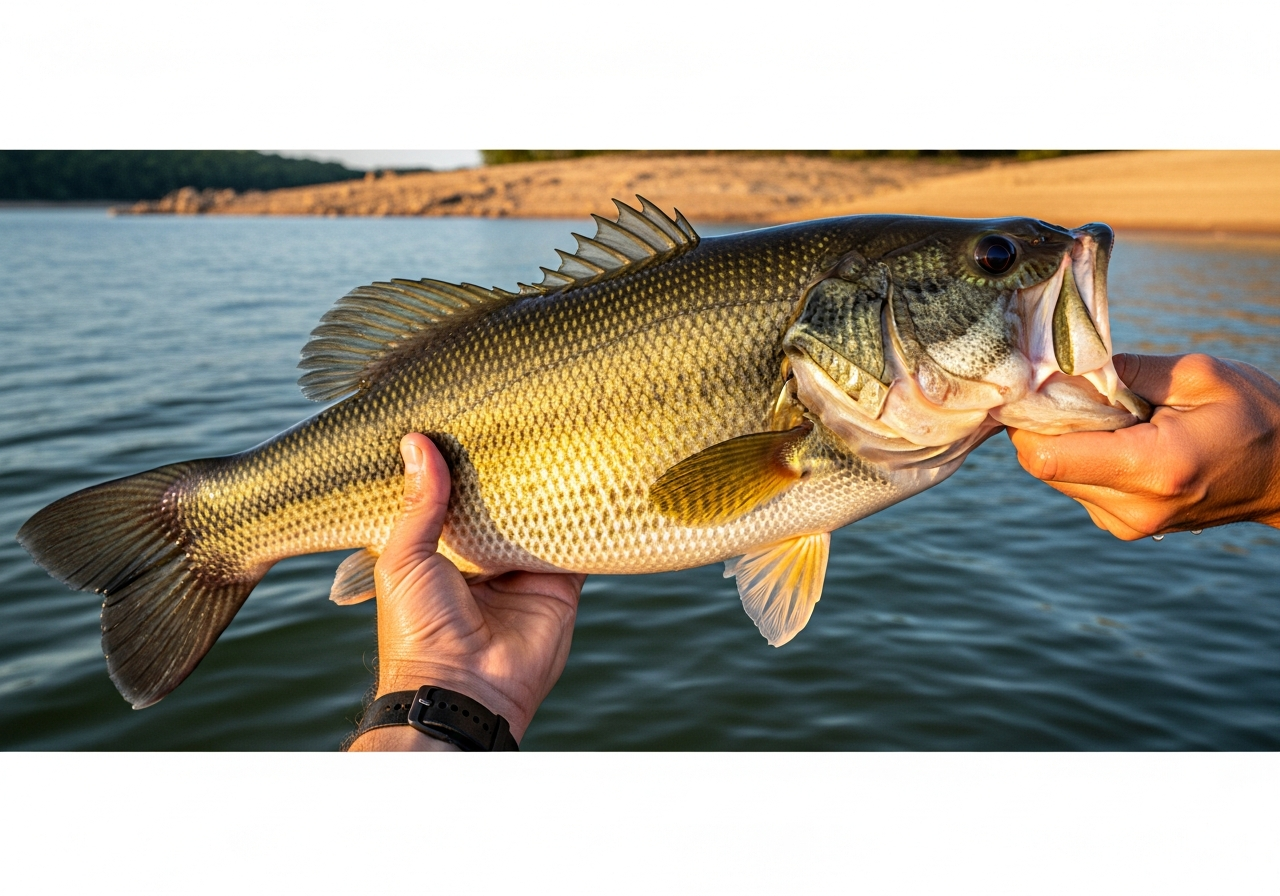
Largemouth bass fishing at Lake Anna is among the best in Virginia and has earned the lake a regional reputation as a quality bass fishery within a reasonable drive of Richmond and Northern Virginia. The lake's diverse shoreline structure includes rocky points, dock communities, cove timber, and grass beds in the upper arms that support strong bass populations year-round. Spring is the most productive season, with fish moving into the shallower cove areas from February through April. Pre-spawn bass stage on the rocky secondary points and the dock edges in 8 to 15 feet from late February into March before moving to the protected coves to spawn in 2 to 6 feet from late March through April. Spinnerbaits worked along the shoreline transitions and squarebill crankbaits bounced off rocky points are the most versatile spring presentations. The upper North Anna River arm and the protected coves off the main lake body are known spawning concentration areas. Summer bass at Lake Anna move to the deeper dock structure and main lake points in 12 to 20 feet as the lake heats up. Finesse presentations on the dock edges are productive during the day, while early morning topwater fishing on the main lake points and the grass bed pockets in the upper arms remains productive. The warm-water discharge area near the nuclear facility can concentrate bass in winter, making that zone productive even when the rest of the lake is frigid. VDWR regulation: 12-inch minimum length, 5-fish daily bag limit. Verify at dwr.virginia.gov.
Lake Anna Striped Bass Fishing Report
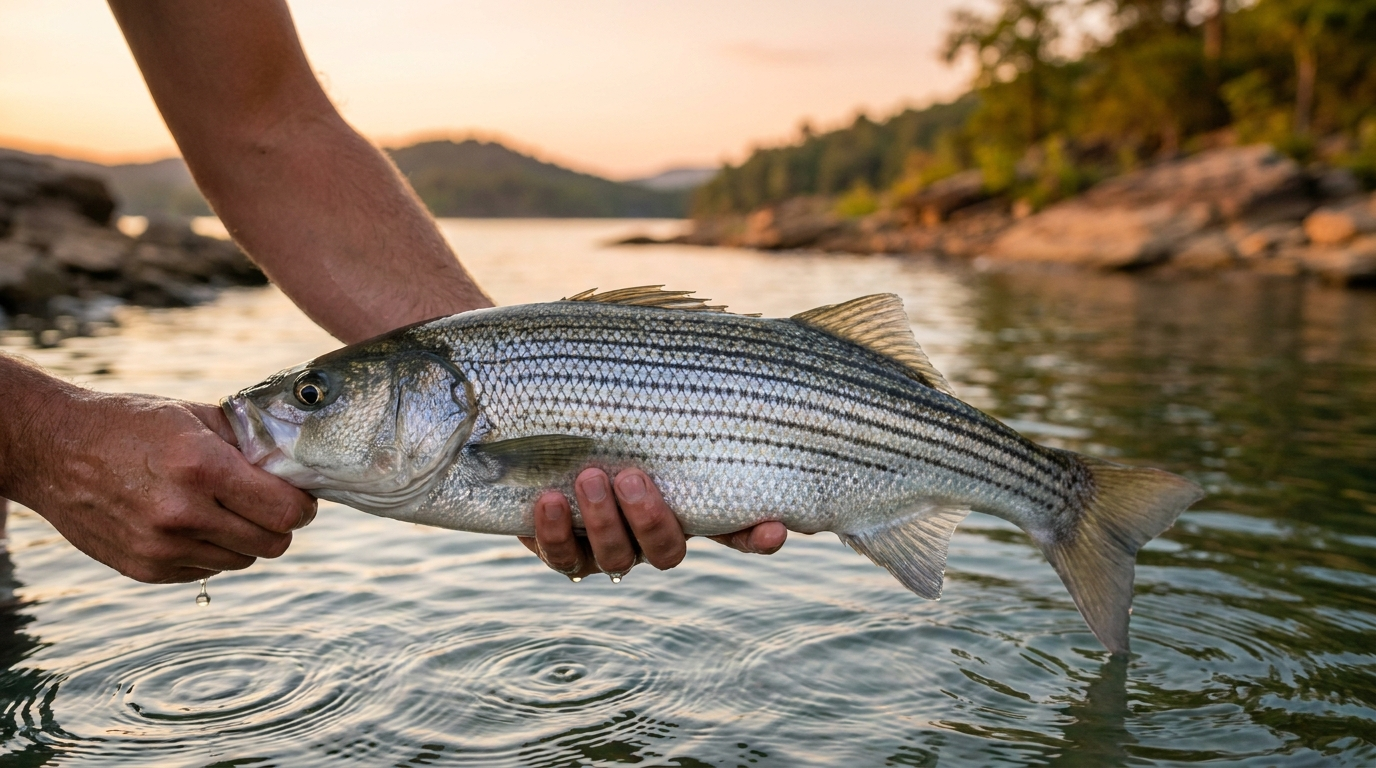
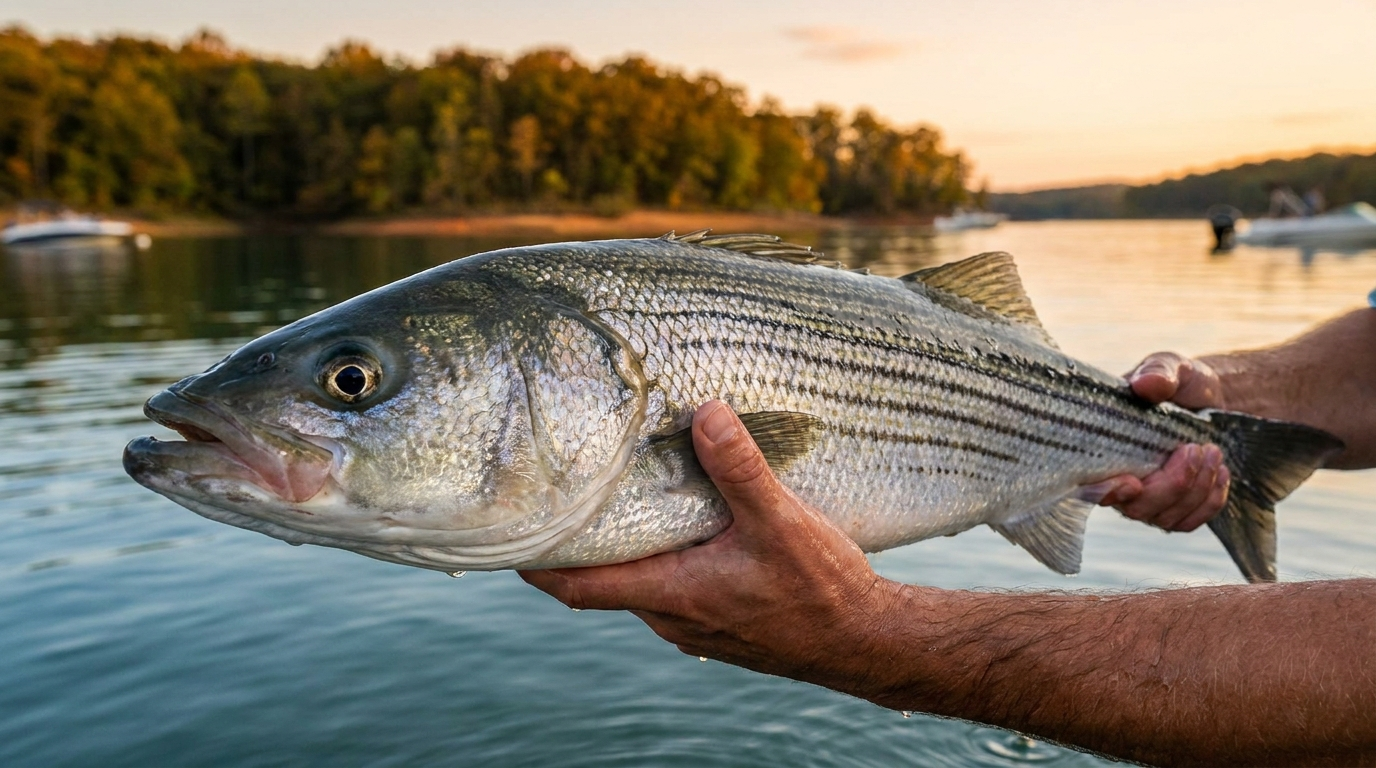
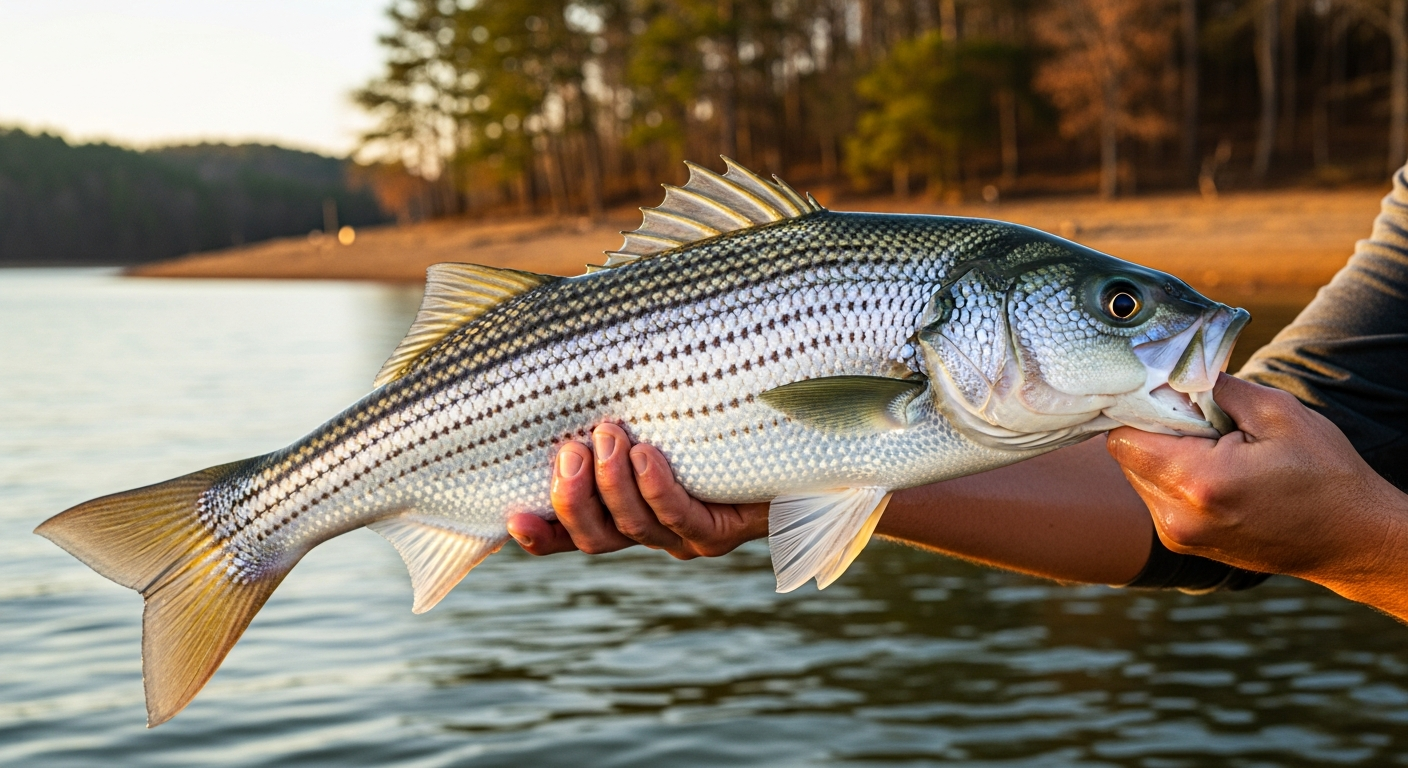
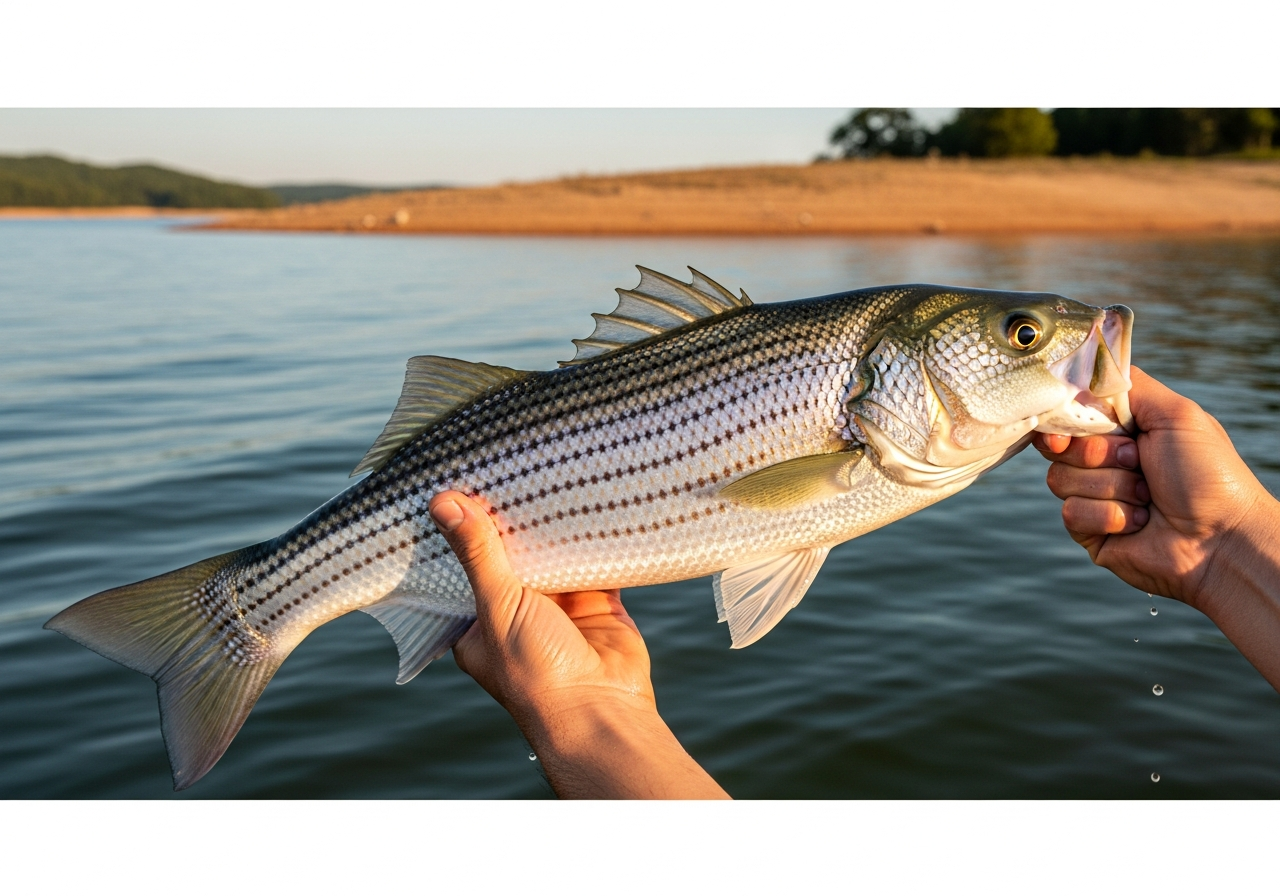
Striped bass are stocked by Virginia DWR at Lake Anna and provide an exciting bonus fishery alongside the lake's excellent largemouth bass. The deep water near the main lake basin and the dam area provides thermal refuge for stripers in summer, and VDWR stocking maintains the population in a lake that would otherwise be marginal striper habitat without the program. Fish have been documented up to 20 pounds at Lake Anna. VDWR regulation: verify current striper size and bag limits at dwr.virginia.gov. Fall is the prime striper season at Lake Anna. As water temperatures cool from the summer peak, striped bass become more active and spread from the deep main lake into the upper arms and main lake points. Surface schooling activity in September and October on the main lake brings some of the most exciting fishing on the lake, with stripers pushing shad schools against the surface and anglers casting topwater lures, spoons, and swimbaits into the boils. Summer striper fishing at Lake Anna requires finding fish on electronics near the thermocline in 20 to 40 feet. The main lake basin and the deeper dam area concentrate fish in summer, and live bait (shad or large shiners) fished at depth is the most consistent summer approach. Night fishing near the dam with live bait produces results when daytime fishing slows.
Lake Anna Crappie Fishing Report
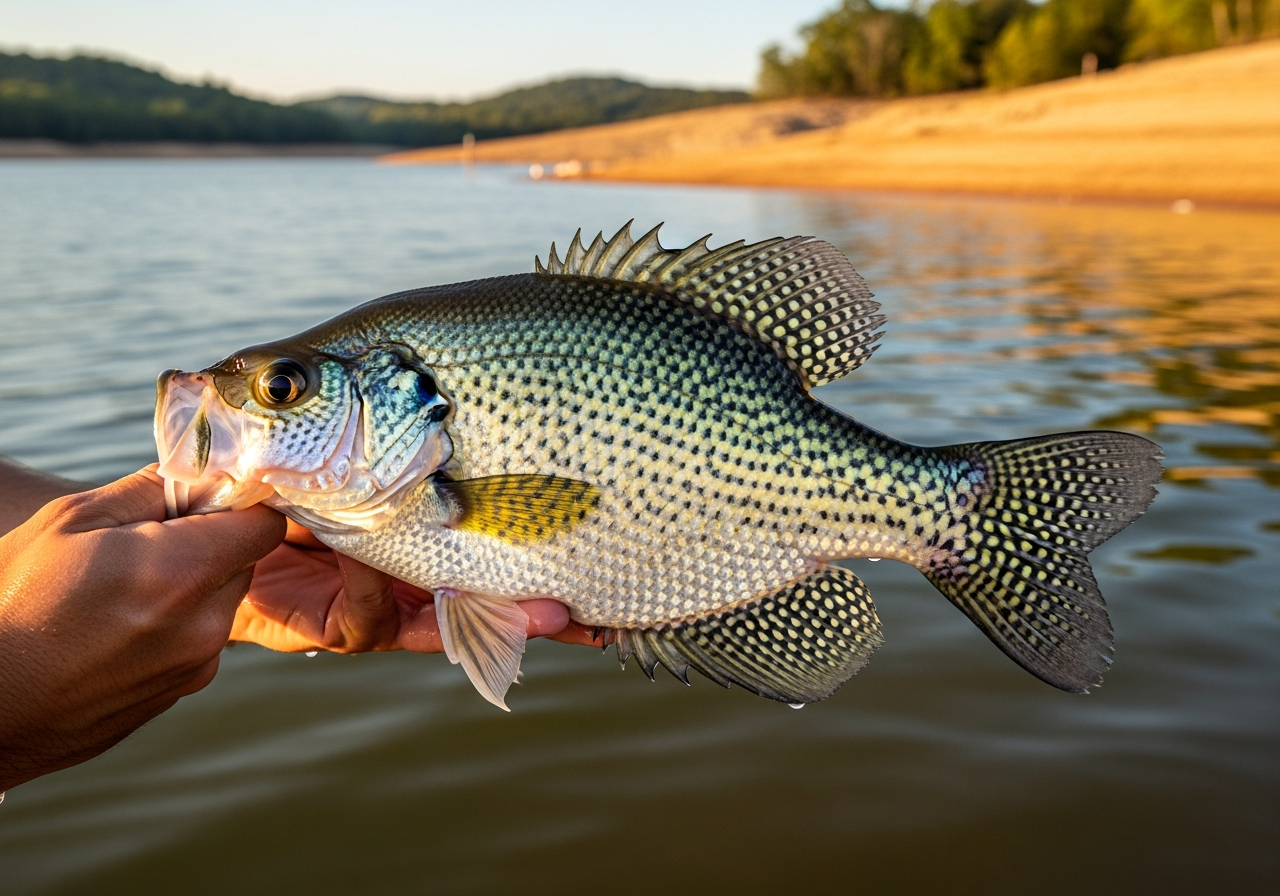
Crappie are one of Lake Anna's most consistent year-round fisheries and are particularly abundant around the lake's extensive dock communities and submerged timber in the upper arms. The lake holds primarily black crappie in the clearer main lake and white crappie in the more turbid upper river arm areas. Spring crappie fishing peaks from late February through April as fish move from the 15 to 20-foot winter holding areas into the dock pilings and shallow timber in 4 to 10 feet. The dock-heavy communities along the main lake's primary shoreline are the most reliable crappie producers year-round. Small tube jigs in white, chartreuse, and pink worked vertically around dock pilings at 6 to 12 feet produce consistent results. Crappie jig-minnow combinations suspended beneath a float are effective for anglers fishing from the bank or fishing the upper arm areas where dock density is lower. Summer crappie at Lake Anna suspend deeper under the dock shade in 12 to 18 feet during the hottest months and are best targeted with vertical presentations in the middle of the dock structure. Fall crappie return to shallower dock structure and bridge pilings as water cools and are accessible through November. VDWR regulation: 9-inch minimum length, 25-fish daily bag limit for crappie. Verify at dwr.virginia.gov.
Lake Anna Catfish Fishing Report
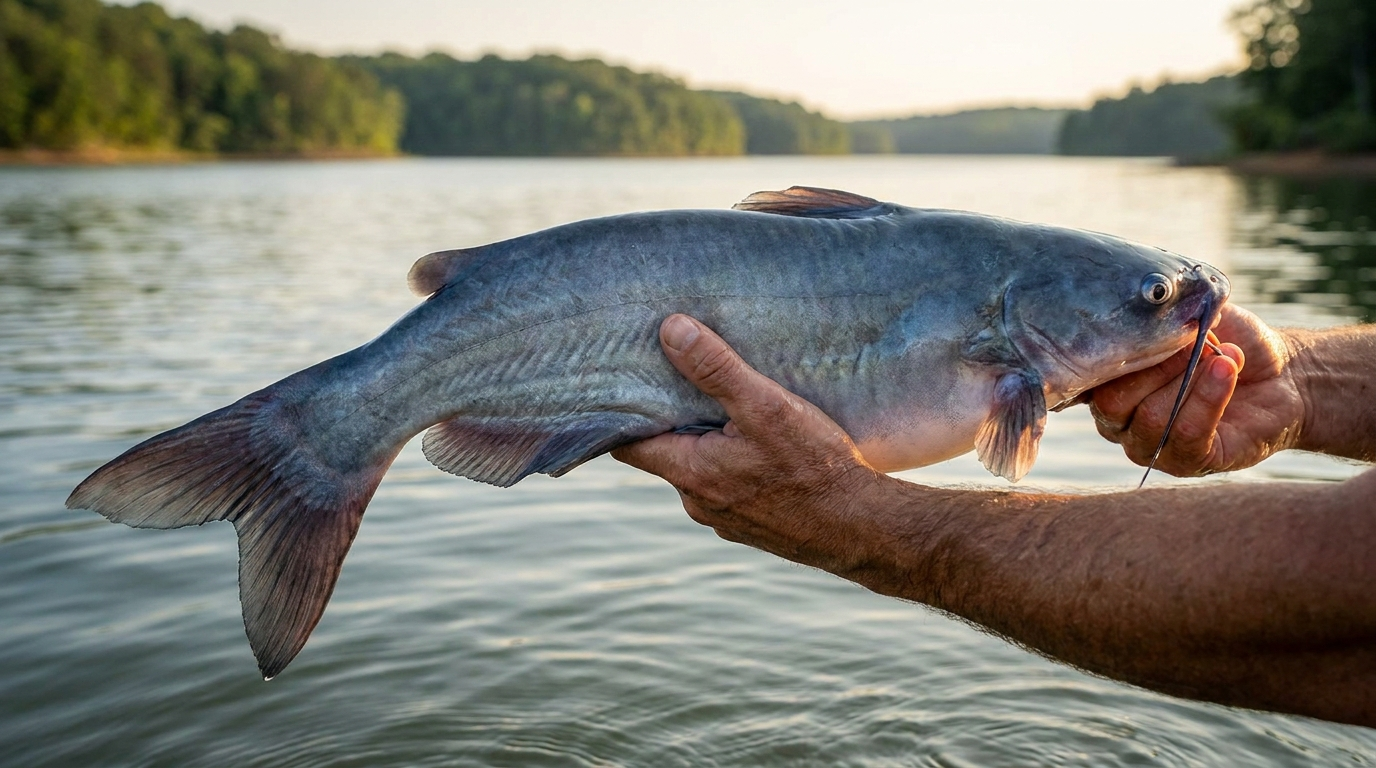
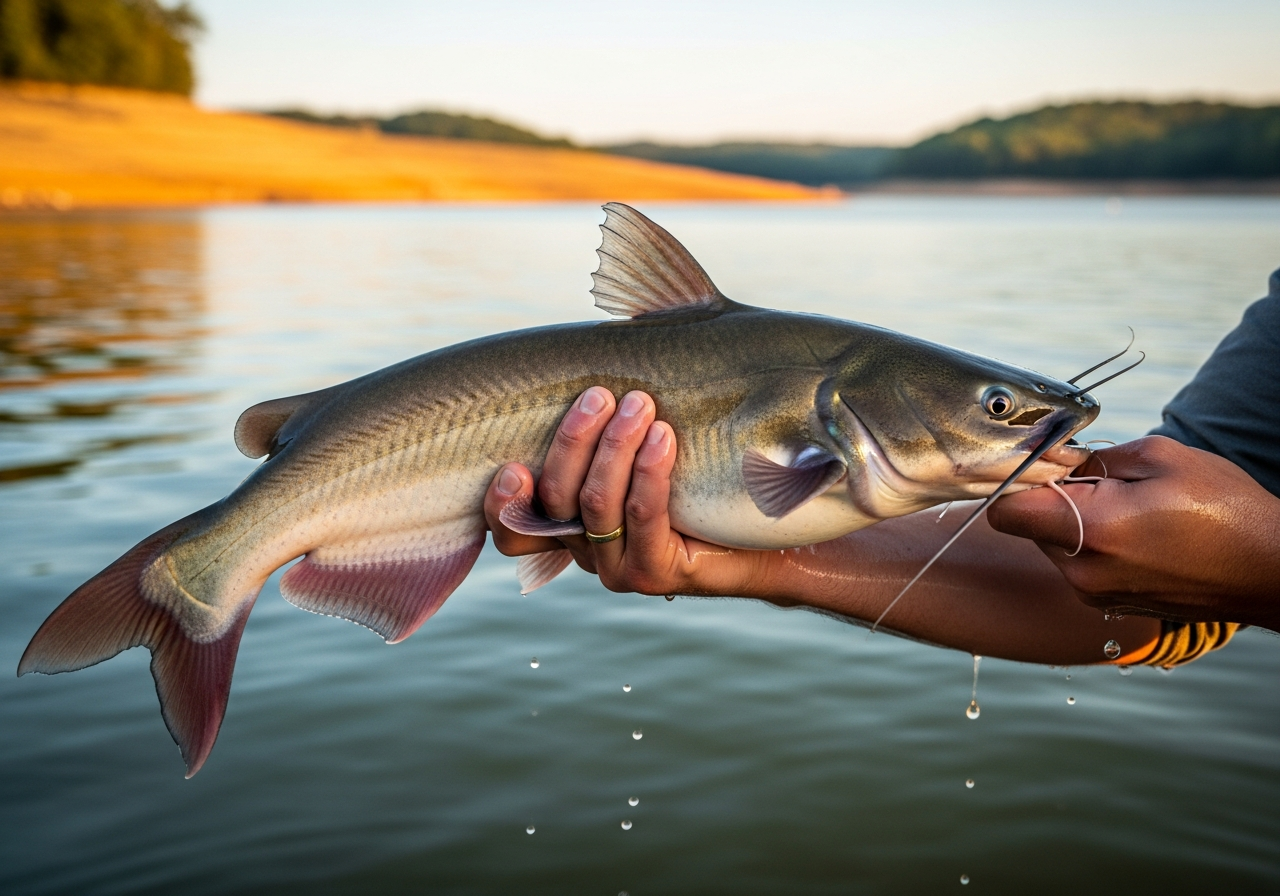
Channel catfish and blue catfish are both present at Lake Anna and provide consistent action from late spring through fall. The lake's channel transitions, rocky main lake points, and cove bottom areas concentrate catfish year-round, with the best fishing occurring at night during the warm-water months. Night catfishing from bank access points and by boat along the main channel transitions produces the most fish. Cut shad, chicken liver, and prepared stink baits are the most effective catfish presentations at Lake Anna. The upper North Anna River arm concentrates catfish during high-water periods, and the channel bends and deeper cove transitions in the main lake hold fish throughout the year. The warm-water discharge area near the nuclear facility on the private side of the lake can concentrate catfish in winter, keeping them more active than fish on the colder public side. Spring catfish fishing begins in earnest in April and May as water temperatures warm and fish begin moving from deep winter holding areas toward the shallower cove transitions. The best bank fishing access for catfish includes the public boat ramps and Lake Anna State Park shoreline. VDWR regulation: no minimum size, no daily bag limit for channel and blue catfish combined. Verify at dwr.virginia.gov.
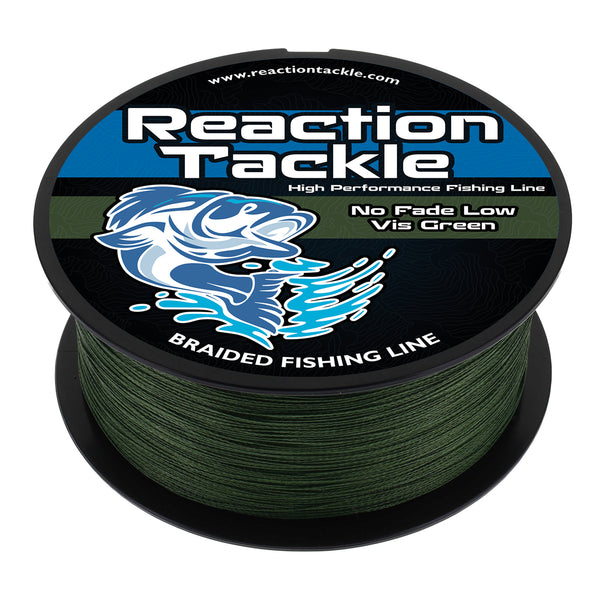
For fishing heavy cover after Largemouth Bass, I run 50-65lb braid. Zero stretch means you feel every bite and you can pull fish out of structure before they wrap you. Reaction Tackle is where I restock. Their low-vis green disappears in most water conditions.
Top Fish to Target in Lake Anna
Lures for Lake Anna
Tackle matched to this lake's species and structure.
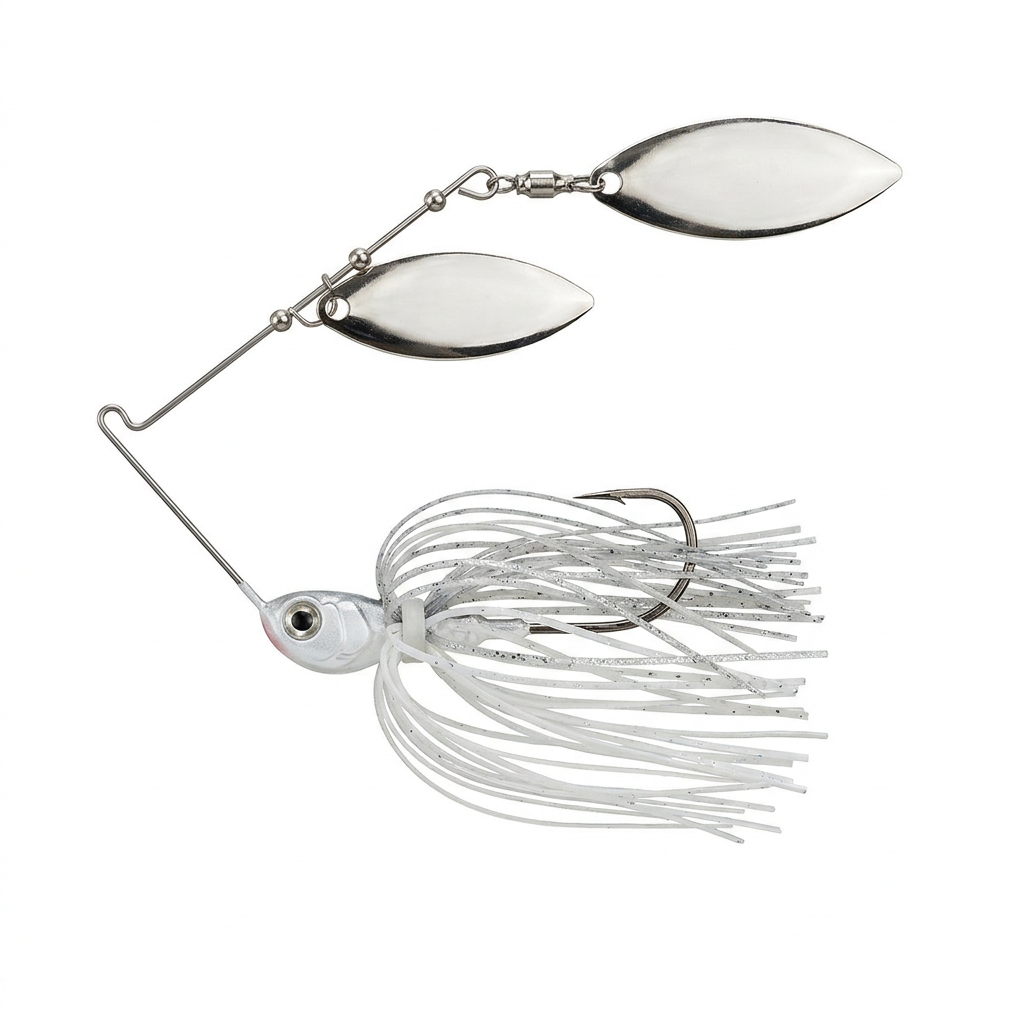
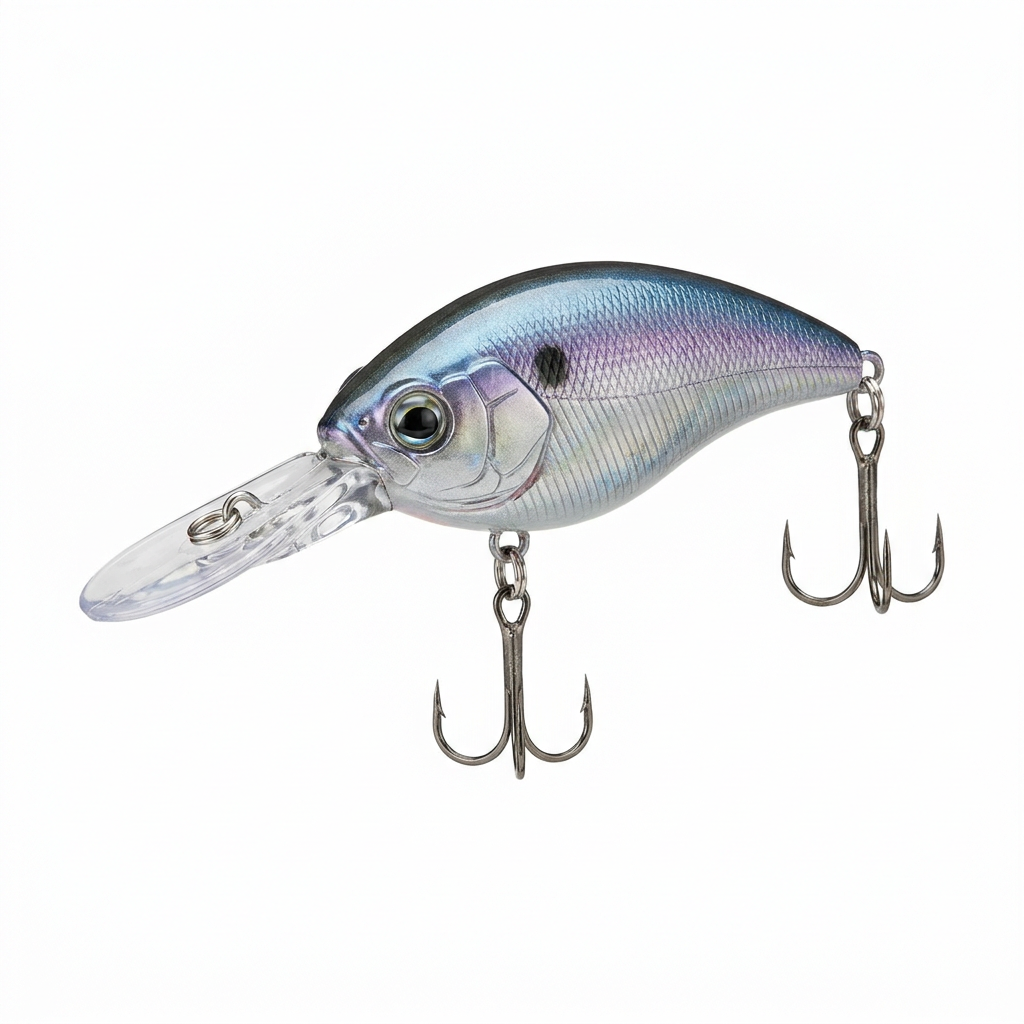
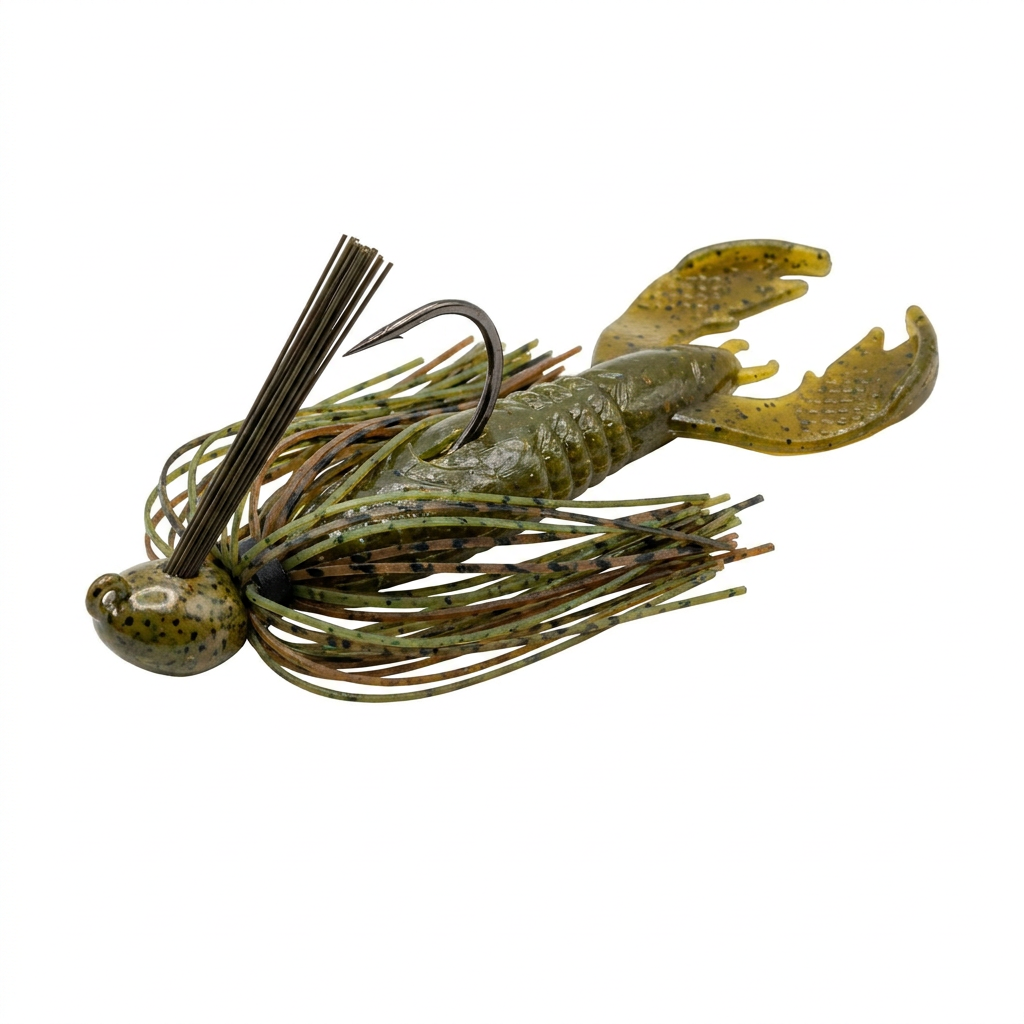
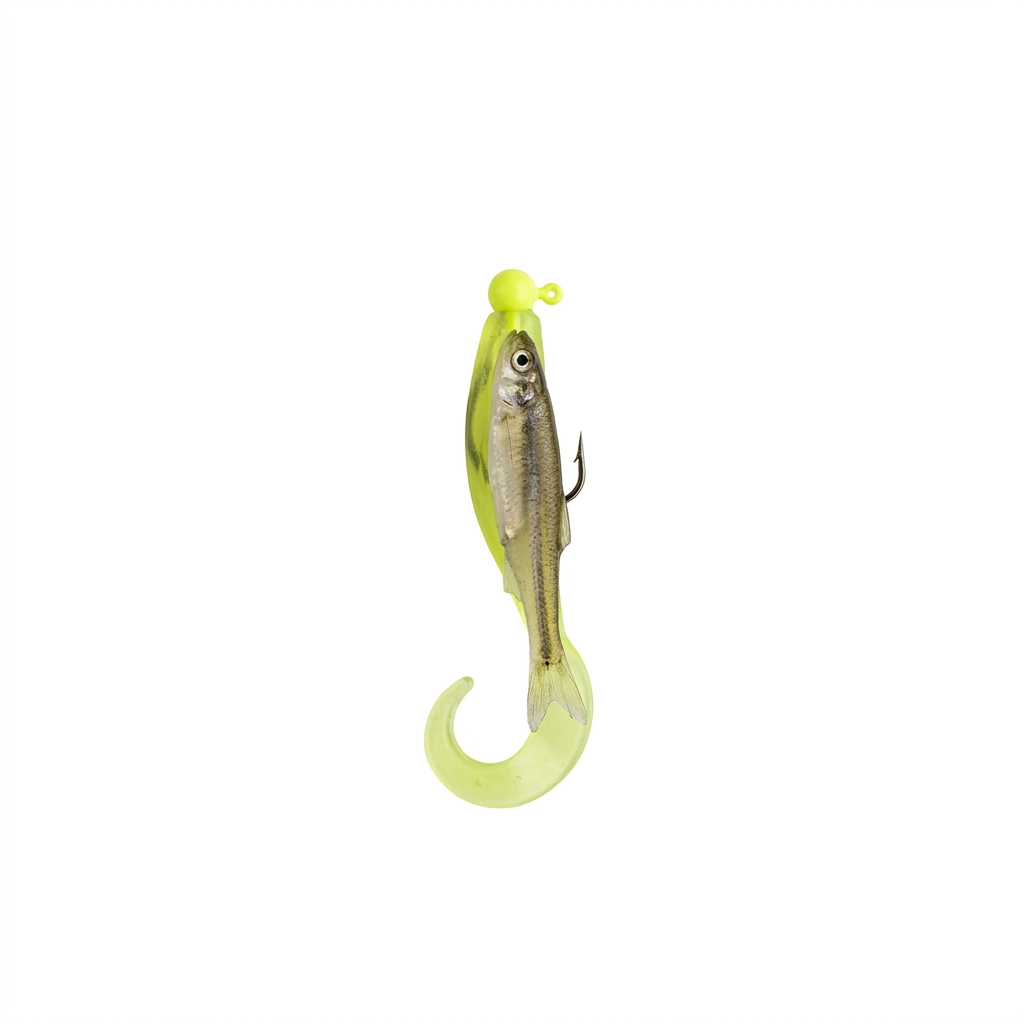
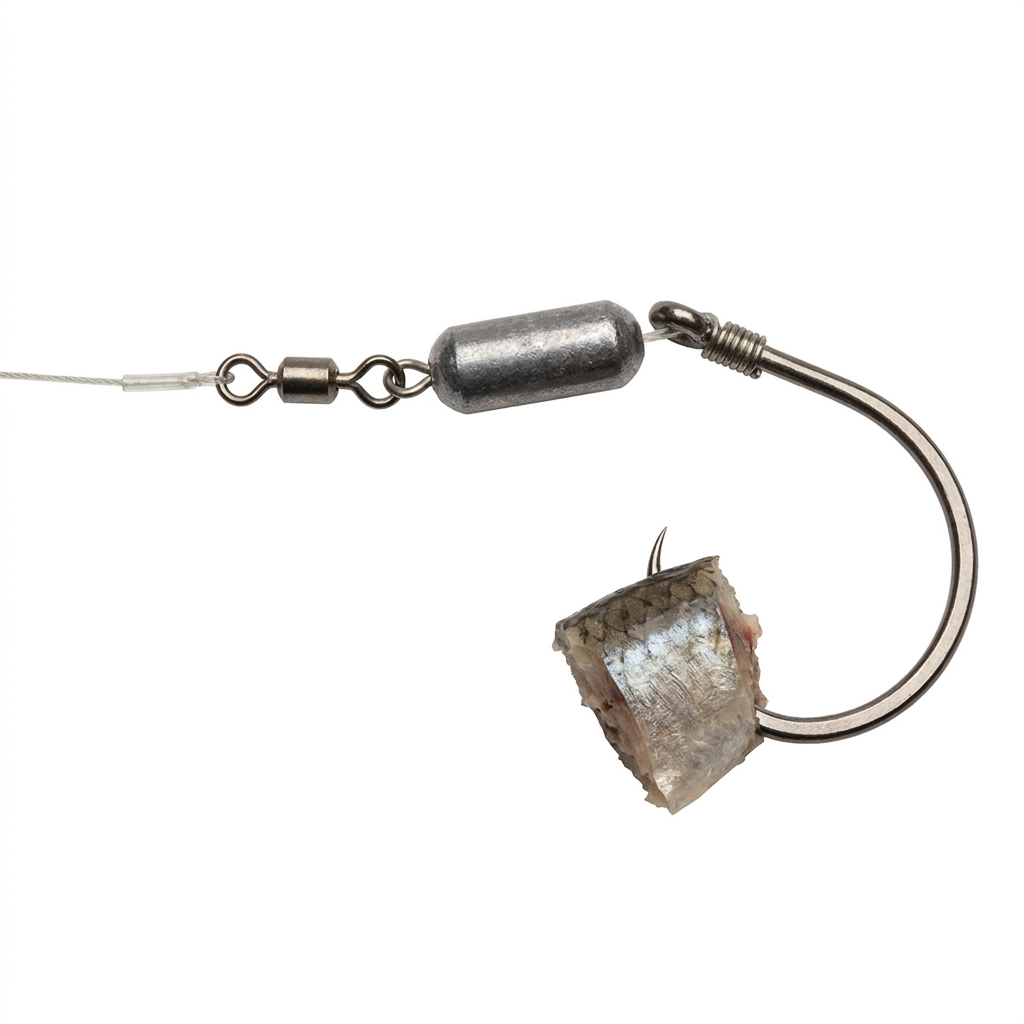
Worth checking before any trip: your line. Old braid gets brittle at the tag end and loses sensitivity over time. I rotate mine every season. Reaction Tackle is where I order from when it's time to restock.
About Lake Anna
Lake size and location. Lake Anna covers approximately 13,000 acres in Spotsylvania, Orange, and Louisa counties in central Virginia, about 70 miles southwest of Washington D.C. and 40 miles northwest of Richmond. The North Anna Dam was completed in 1972 on the North Anna River, a tributary of the Pamunkey River, to create the cooling reservoir for the North Anna Power Station. The lake reaches a maximum depth of approximately 60 feet. The nearest town is Mineral, the Louisa County seat.
Public side and private side. Lake Anna is divided into a public side and a restricted private side near the North Anna nuclear facility. Fishing is available throughout the public side of the lake, which is accessible by public boat ramps and Lake Anna State Park. The warm-water discharge canal from the power station creates a designated warm-water area that concentrates fish in winter, and this area is open to fishing under specific VDWR rules.
Warm-water discharge zone. The North Anna Power Station discharges heated cooling water into a section of the lake that stays significantly warmer than the main lake in winter, often 10 to 20 degrees warmer. This creates a unique cold-weather fishing opportunity: bass, catfish, and other species concentrate in the warm discharge zone during winter months that would otherwise be very slow on the main lake. Anglers willing to brave cold weather can find active fish near the warm discharge in January and February.
Regulations (verify at DWR). Largemouth bass: 12-inch minimum, 5/day. Striped bass: verify current regulations at dwr.virginia.gov. Crappie: 9-inch minimum, 25/day. Catfish: no minimum, no bag limit statewide standard. Always verify current regulations at dwr.virginia.gov before fishing.
Access points. Lake Anna State Park on the south shore provides boat ramp access, bank fishing, picnic areas, and camping. Multiple private marinas and campgrounds operate on the lake. The state park access is the primary public launch point on the main lake.