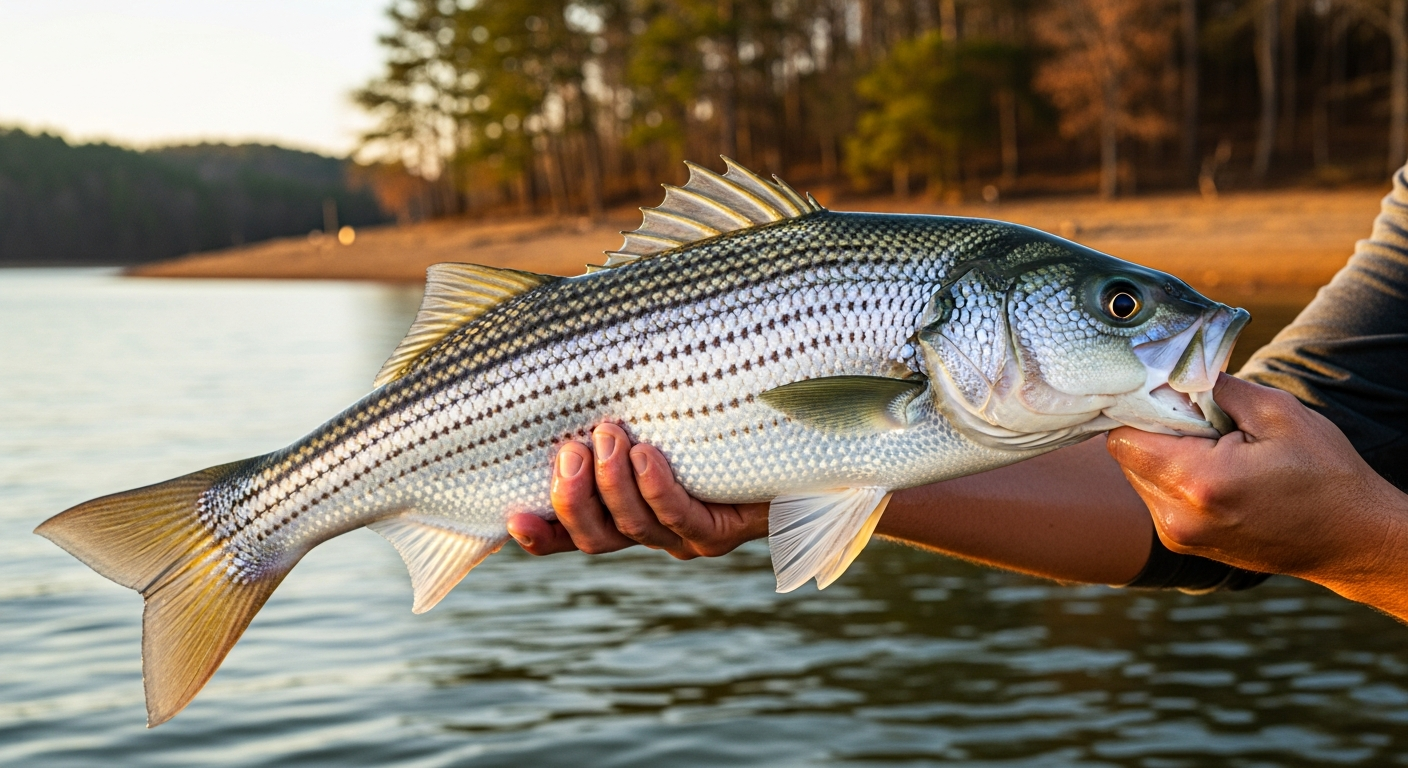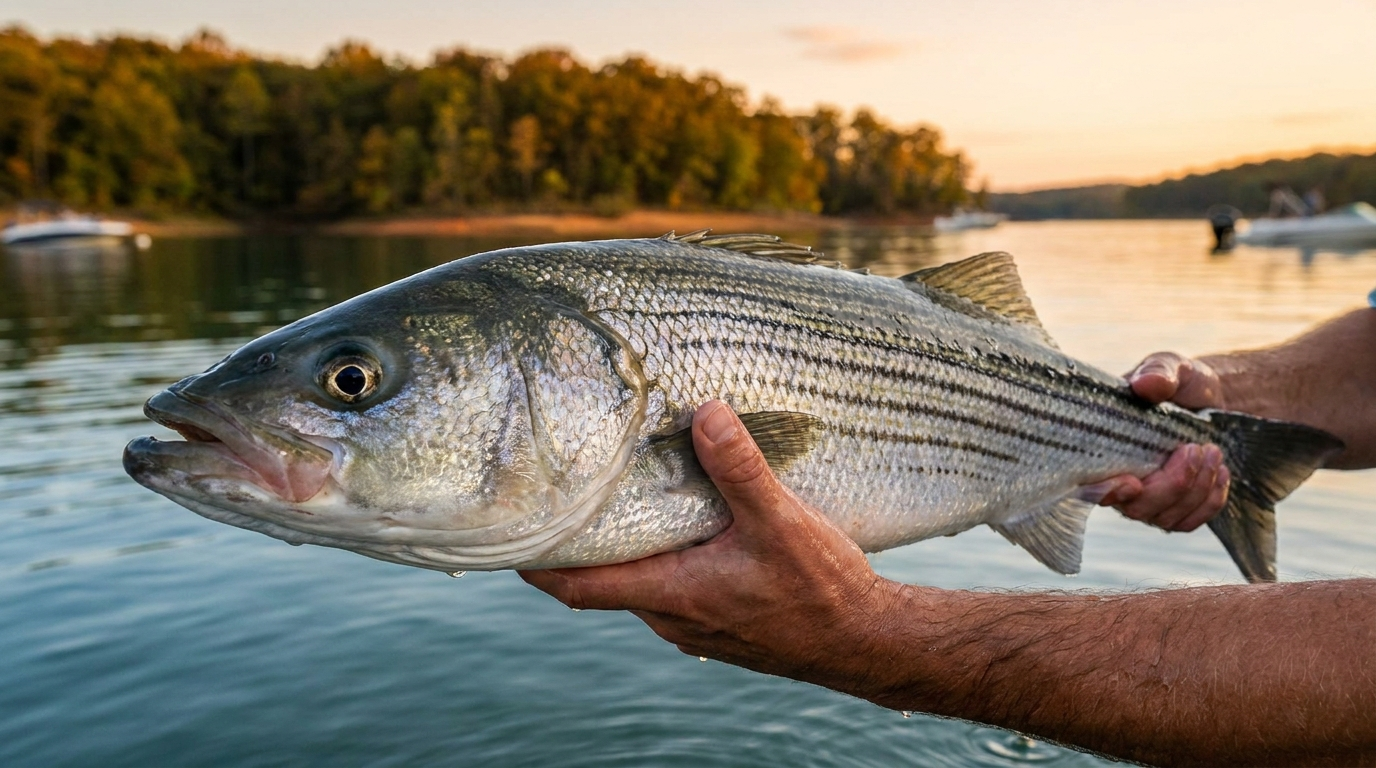
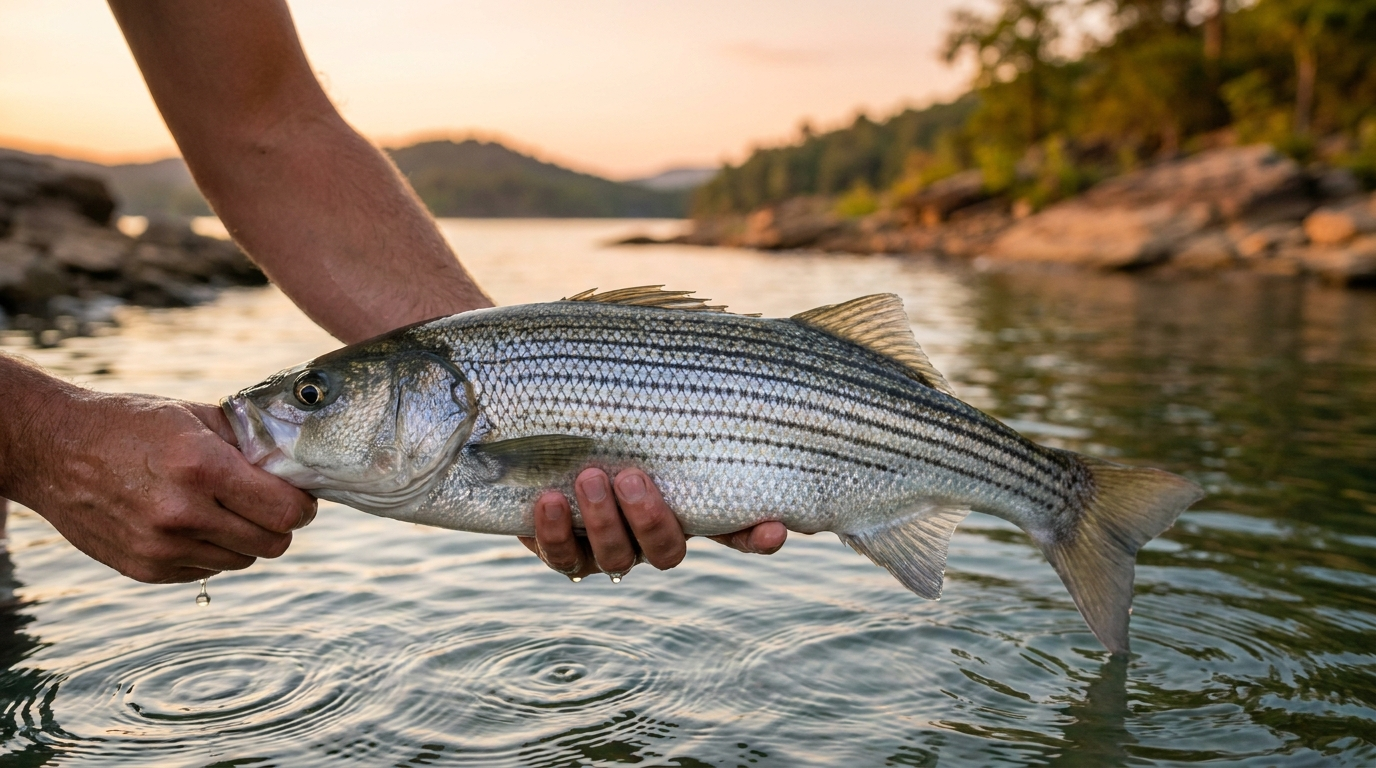
Smith Mountain Lake is one of the most well-rounded fisheries in Virginia. The striped bass program here has produced quality fish for decades, the smallmouth bass fishing in the rocky structure is excellent, and the lake sits in the Blue Ridge foothills with the kind of scenery that makes a fishing trip feel like something more. 20,600 acres, three counties, 500 miles of shoreline. It's the lake I'd recommend to someone who wants stripers in Virginia and doesn't want to make the drive to Kerr.
Today's Bite Score · October 8, 2026
Very favorable conditions for catching fish
🌘Waning Crescent
Smith Mountain Lake Fishing Report
October FishingMonthly fishing report · October patterns and techniques
In October, Smith Mountain Lake transitions into prime fishing conditions as water temperatures drop into the 60s and low 70s. This month brings cooler mornings and evenings that trigger increased feeding activity throughout the lake. Fish are more aggressive as they prepare for colder months ahead, and anglers find that action intensifies both early and late in the day. The lake's 500-mile shoreline and 20,600-acre surface area provide abundant structure that concentrates fish this month as they move toward deeper water.
Largemouth bass are most active in October at Smith Mountain Lake, holding near the numerous creek channels and points that define this reservoir's geography. Striped bass and hybrid stripers are also aggressive this month, positioning themselves in deeper holes and channels where baitfish congregate. Crappie fishing improves significantly in October as these panfish school up in preparation for winter, suspending around bridge pilings and submerged timber. Walleye fishing this month is productive around the lake's deeper basins and rocky areas. Fish are transitioning from shallow summer feeding zones to mid-depth structure where they can access food sources while staying in comfortable temperature ranges.
Anglers find success this month using a variety of presentations tailored to each species. For largemouth bass, crankbaits and jerkbaits work effectively around rocky points and creek channel ledges, while soft plastics fished on structure produce consistent results. Striped bass respond well to live shad presentations and deep-diving crankbaits in the 30 to 50-foot zones where they hold this month. Crappie fishing improves with vertical jigging presentations using small tubes and minnow imitations around docks and submerged brush. Walleye anglers find success with live shiners and crawfish presentations in deeper water, as these species are most active during low-light conditions this month. Topwater presentations remain effective early and late in the day when fish are actively feeding. The combination of comfortable water temperatures and increased baitfish activity makes October one of the most productive months at Smith Mountain Lake.
Get More Fishing Report Specifics
Tap a topic button below for a report on current conditions.
Tap a topic above to get a current report for Smith Mountain Lake.
Answers are generated on demand and cached. No AI call fires until you tap a tab.
Smith Mountain Lake Fishing Guides
Looking for a Smith Mountain Lake fishing guide? 500 miles of Appalachian shoreline with stripers, largemouth, and smallmouth all holding on different structure — a guide who knows Smith Mountain knows exactly which program to run. Go here → to check out our recommended fishing guides for Smith Mountain Lake. Then scroll down on that page to see all of the Smith Mountain Lake fishing guides.
Smith Mountain Lake Fishing Strategies by Species
Seasonal patterns and techniques by target species · Verified against official sources
Striped bass, largemouth bass, smallmouth bass, crappie, channel catfish, and walleye are the primary sport fish at Smith Mountain Lake, a 20,600-acre Appalachian Power pump storage reservoir on the Roanoke River in Franklin, Bedford, and Pittsylvania counties, Virginia. Smith Mountain Dam was completed in 1966. The lake has approximately 500 miles of shoreline in the Blue Ridge foothills. Virginia DWR stocks striped bass annually to maintain the landlocked striper population. Verify current Virginia DWR regulations at dwr.virginia.gov before fishing.
Smith Mountain Lake Striped Bass Fishing Report
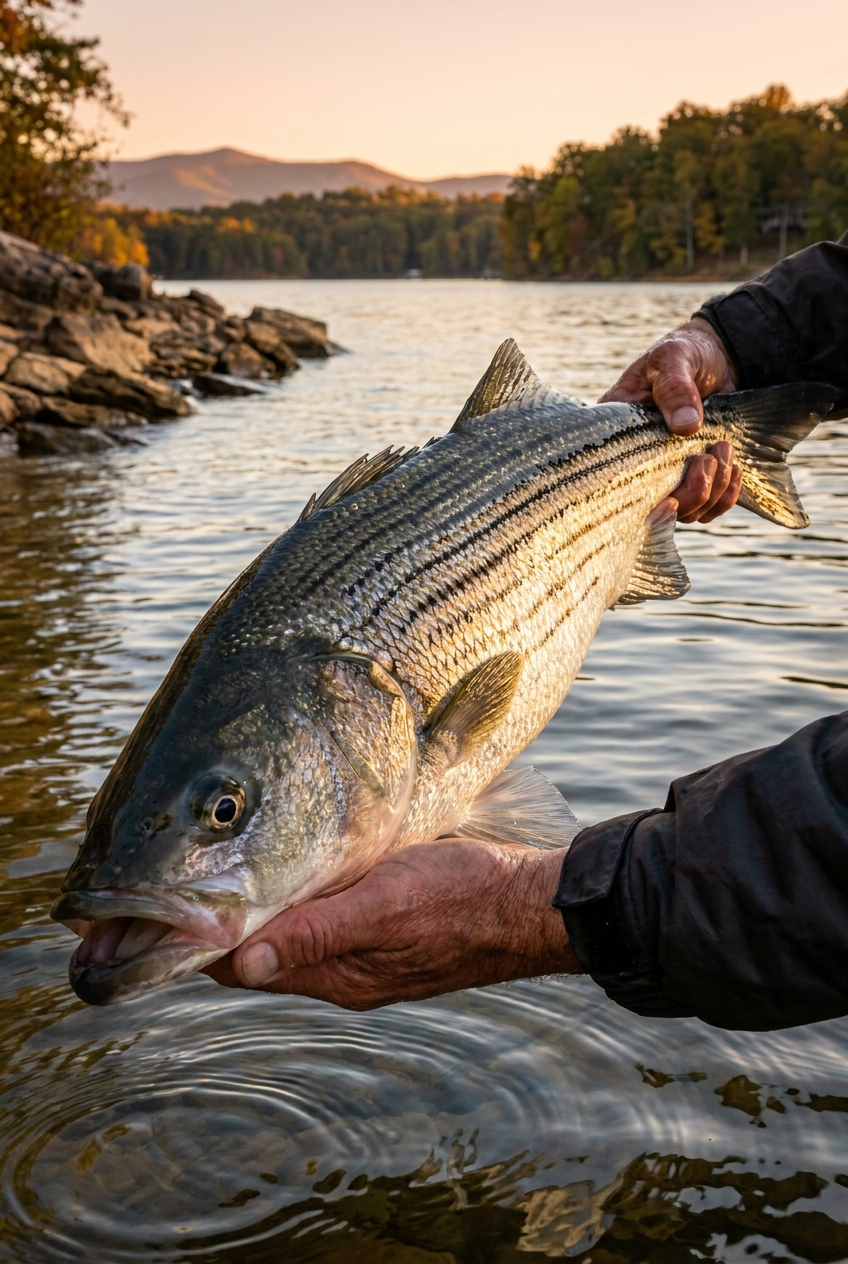
Striped bass at Smith Mountain Lake are stocked annually by Virginia DWR and have established a popular landlocked fishery in the clear, deep reservoir water. The deep, cold main basin of the lake provides excellent summer habitat for stripers as they seek cooler, more oxygenated water below the thermocline. Verify current Virginia striped bass regulations at dwr.virginia.gov before fishing. Summer stripers at Smith Mountain Lake concentrate in the deepest sections of the main basin in 30 to 60 feet as surface temperatures rise. Trolling umbrella rigs and deep-diving crankbaits along the main channel produces consistent fish during summer. Live shad and gizzard shad worked near the thermocline on downriggers is a proven technique. Spring and fall produce more accessible stripers in shallower water as fish chase shad schools along the rocky main-lake points. Night fishing with topwater lures during the spring striper run produces aggressive surface strikes.
Smith Mountain Lake Largemouth Bass Fishing Report
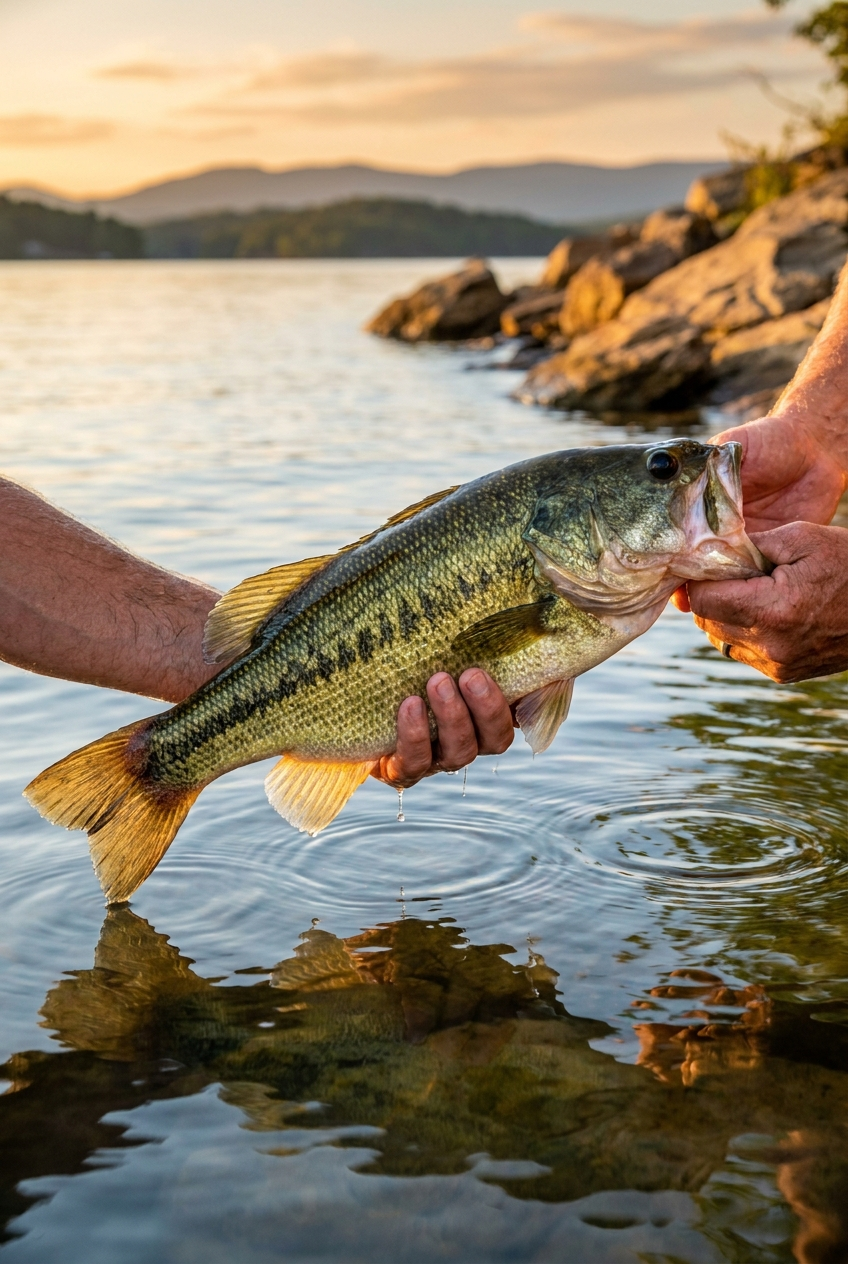
Largemouth bass at Smith Mountain Lake relate to the dock structure, cove pockets, and any available woody cover along the 500 miles of Blue Ridge foothill shoreline. The lake's clear water demands finesse presentations in most conditions. Verify current Virginia largemouth bass regulations at dwr.virginia.gov before fishing. Spring is the most productive largemouth season as fish stage on dock structure and main-lake points before moving into the protected coves to spawn in April and May. Spinnerbaits and crankbaits worked along the rocky shoreline transitions and cove entrances produce consistent spring fish. Summer largemouth relate to dock shade and any deeper structure adjacent to the cove pockets. Fall crankbait fishing along the main-lake points produces actively feeding fish through October.
Smith Mountain Lake Smallmouth Bass Fishing Report
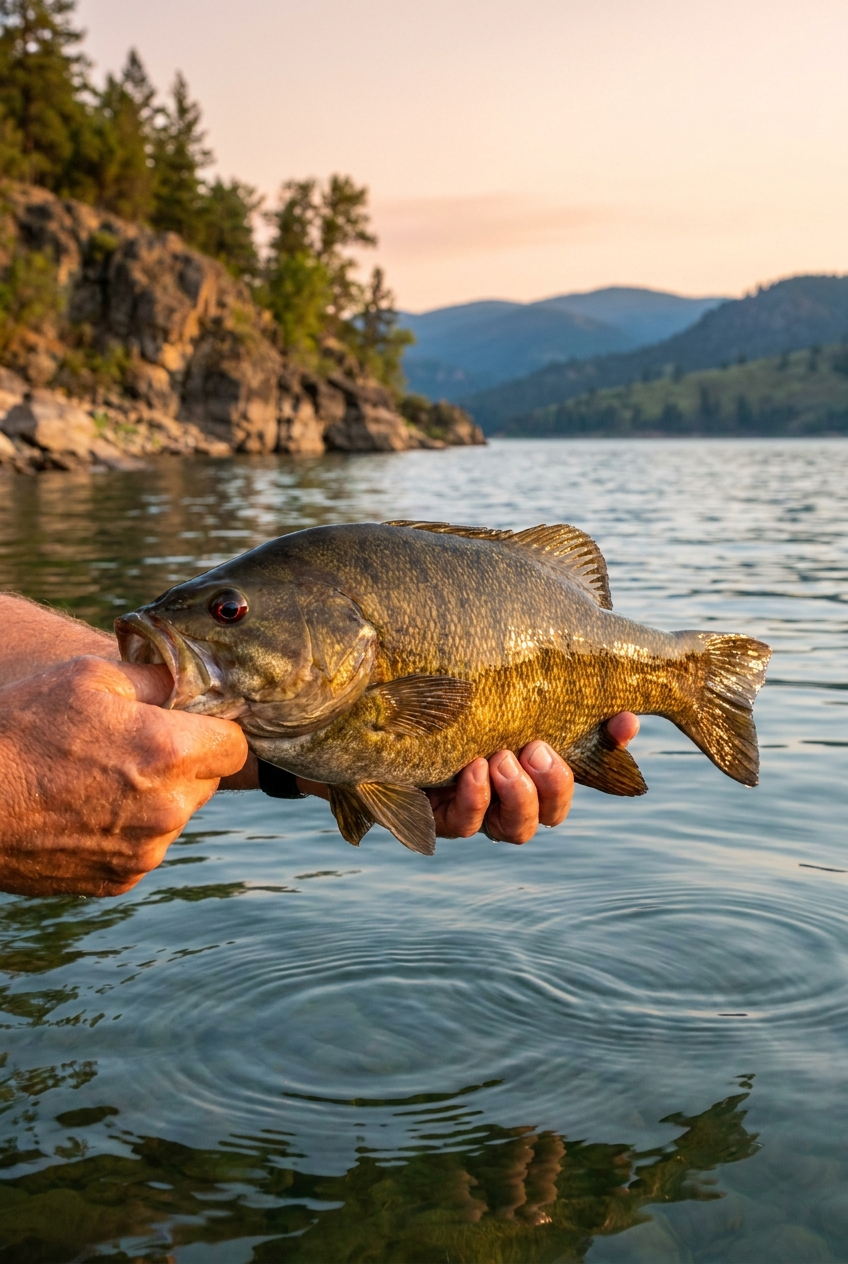
Smallmouth bass are well-suited to Smith Mountain Lake's rocky structure and clear water, particularly along the rocky points and the main channel shoreline in the upper portions of the Roanoke and Blackwater River arms. Verify current Virginia smallmouth bass regulations at dwr.virginia.gov before fishing. Tube jigs, drop shots, and small crankbaits worked along the rocky shoreline and main-lake points in 5 to 20 feet produce consistent smallmouth throughout the season. Spring smallmouth fishing peaks in April and May as fish move to gravel areas adjacent to rocky structure to spawn. Summer smallmouth hold on the deeper rocky transitions along the main channel. Fall smallmouth are aggressive feeders along the main-lake points through November.
Smith Mountain Lake Crappie Fishing Report
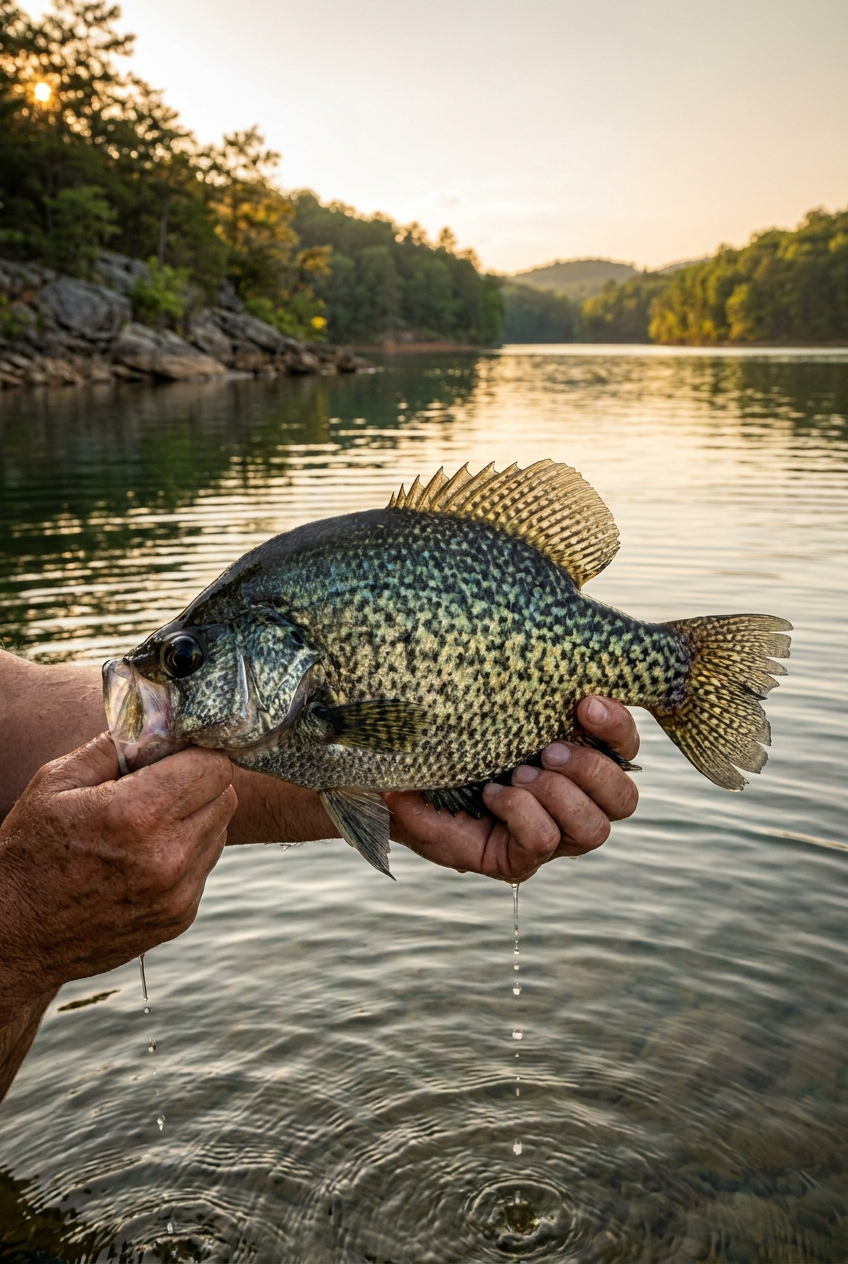
Crappie are present throughout Smith Mountain Lake around dock structure, cove brush, and submerged timber in the upper lake arms. Both black and white crappie are found in the reservoir. Verify current Virginia crappie regulations at dwr.virginia.gov before fishing. Spring crappie fishing peaks in March and April as fish move from deeper basin water into the dock pilings and cove timber at 5 to 10 feet. Small tube jigs and crappie jig-minnow combinations worked vertically around dock structures and any available submerged brush produce consistent catches. Fall crappie return to 12 to 20 feet and remain active through December. The upper portions of the Roanoke and Blackwater River arms hold the most accessible brush-related crappie habitat.
Smith Mountain Lake Channel Catfish Fishing Report
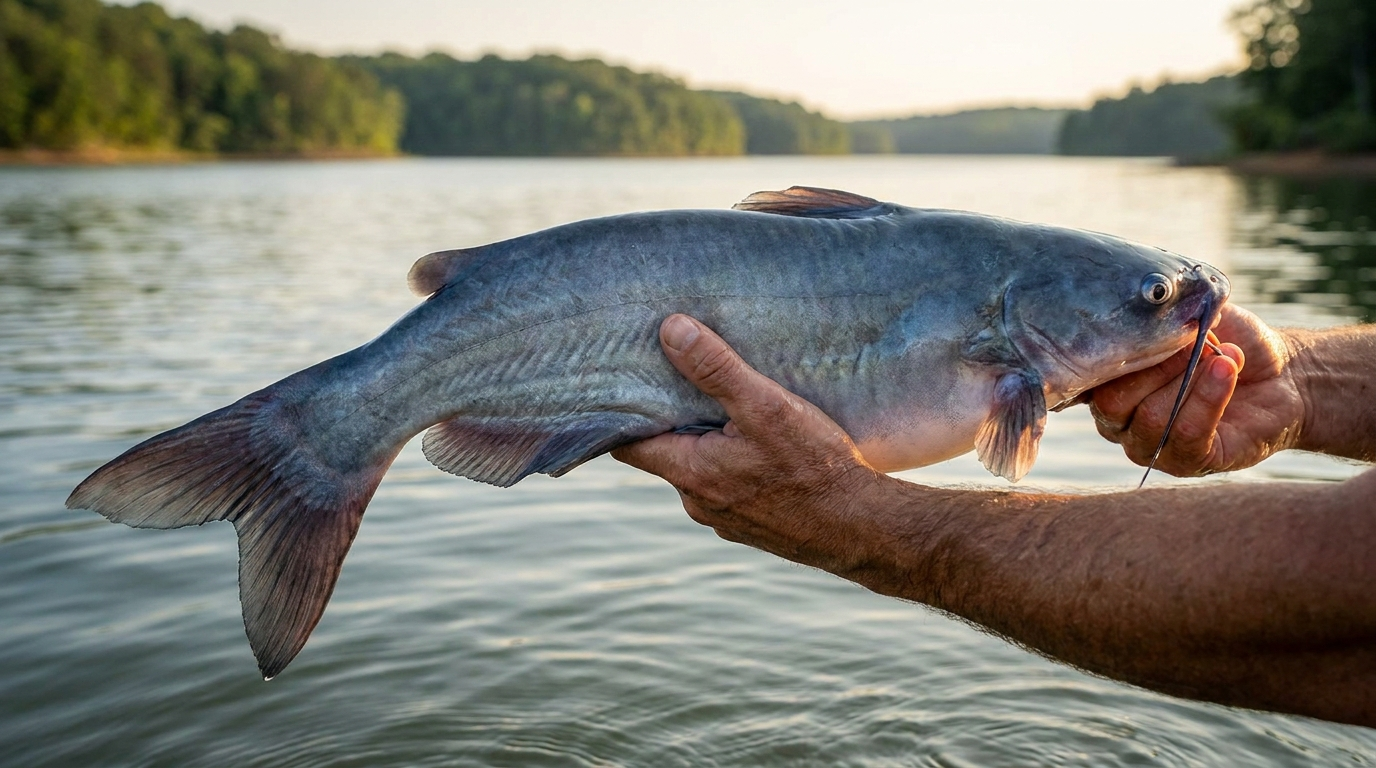
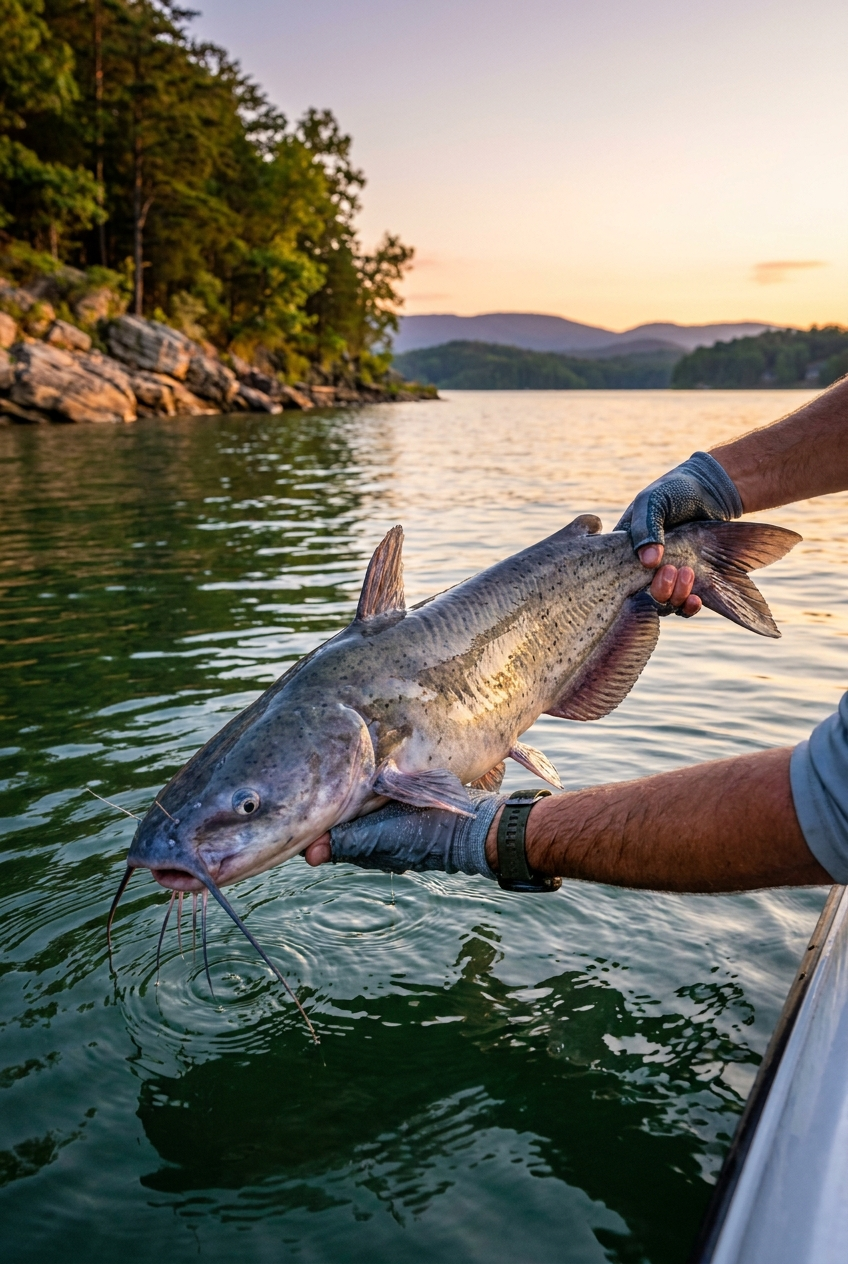
Channel catfish are distributed throughout Smith Mountain Lake in the deeper channel bends and near the tributary inflows. The productive Roanoke River system supports quality channel catfish across all size classes. Verify current Virginia catfish regulations at dwr.virginia.gov before fishing. Cut shad and prepared baits fished on the bottom near channel transitions and the Roanoke River inflow area produce consistent channel catfish. Summer night fishing from VDOT and public access points around the reservoir is the most accessible catfish approach. Spring catfish are active near the tributary mouths as water warms through May.
Smith Mountain Lake Walleye Fishing Report
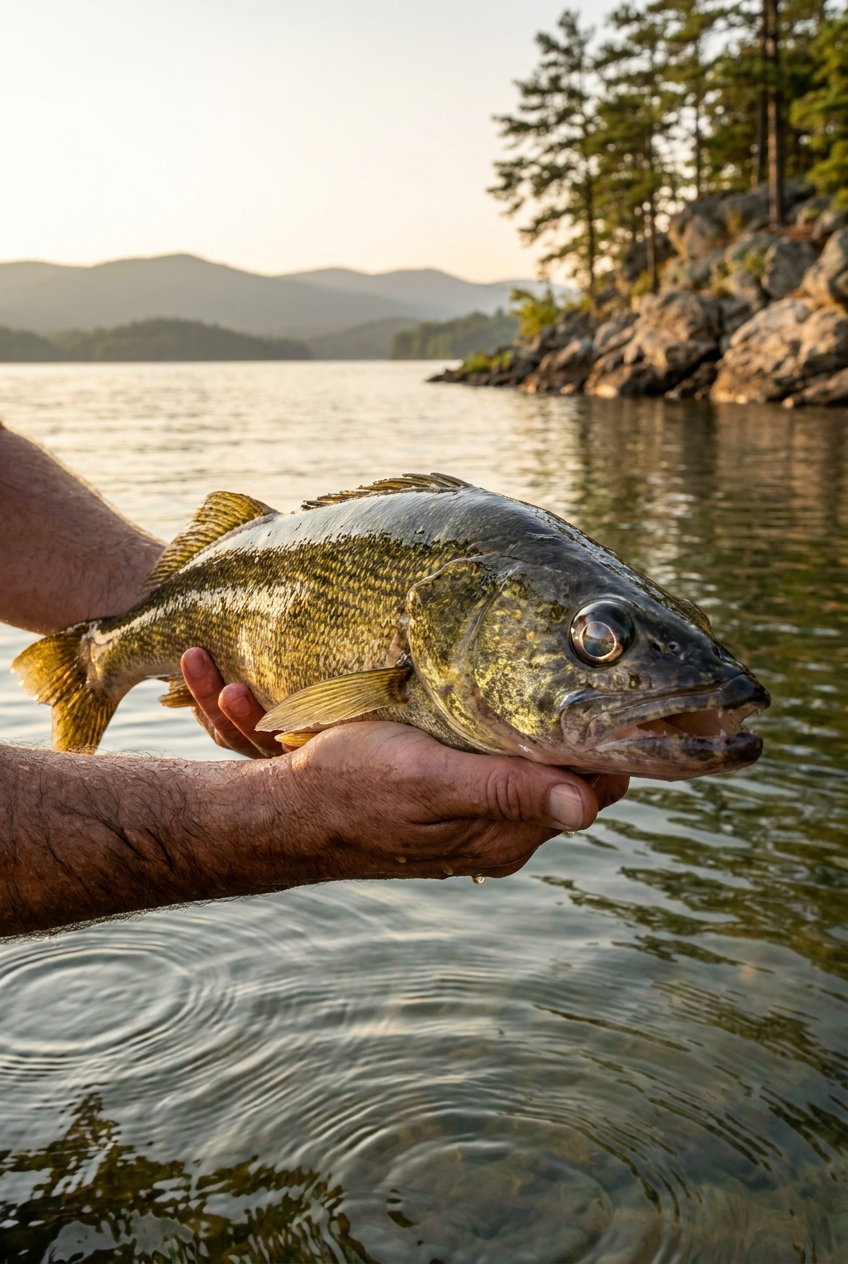
Walleye are present in Smith Mountain Lake and represent a growing secondary fishery in the reservoir. The clear, deep water and rocky structure provide suitable walleye habitat, particularly in the upper Roanoke River arm. Verify current Virginia walleye regulations at dwr.virginia.gov before fishing. Jigs tipped with minnows and spinner rigs worked along the main channel transitions in 15 to 30 feet produce walleye during the spring March through June peak season. Night fishing is most productive during warm months as walleye move from deeper daytime positions to feed in shallower water along the main-lake structure. The upper Roanoke River arm above the Hales Ford Bridge is the most consistent walleye location on Smith Mountain Lake.
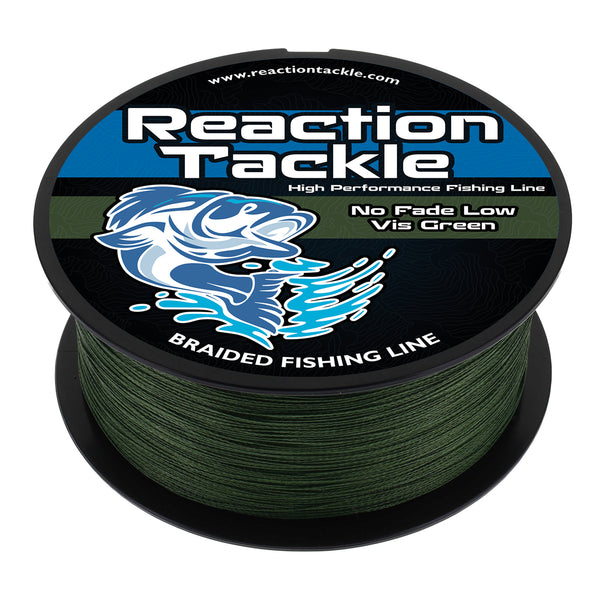
Before you head out, check your line. If it's been sitting on the reel all winter or has seen a lot of rocks and timber, it's worth replacing before a serious trip. I order most of my braid from Reaction Tackle and have been happy with it.
Top Fish to Target in Smith Mountain Lake
Lures for Smith Mountain Lake
Tackle matched to this lake's species and structure.
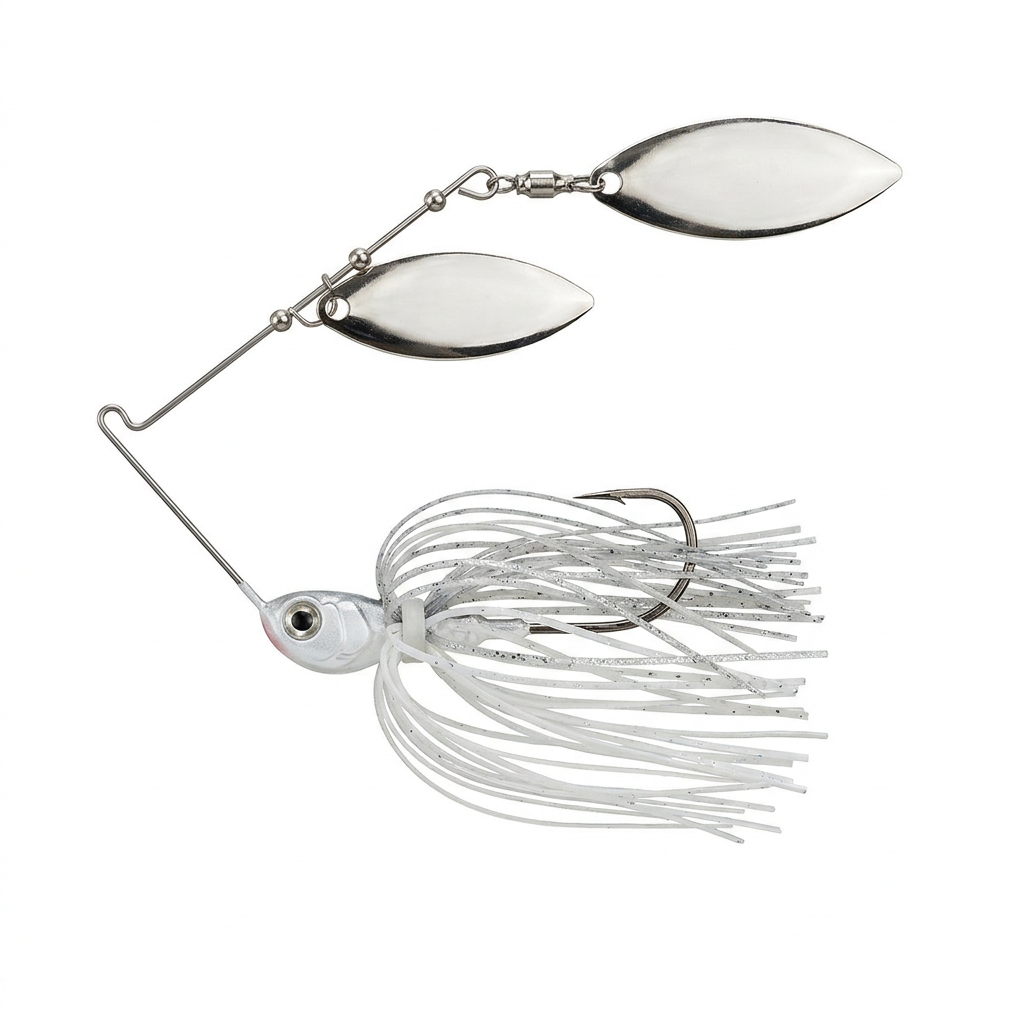
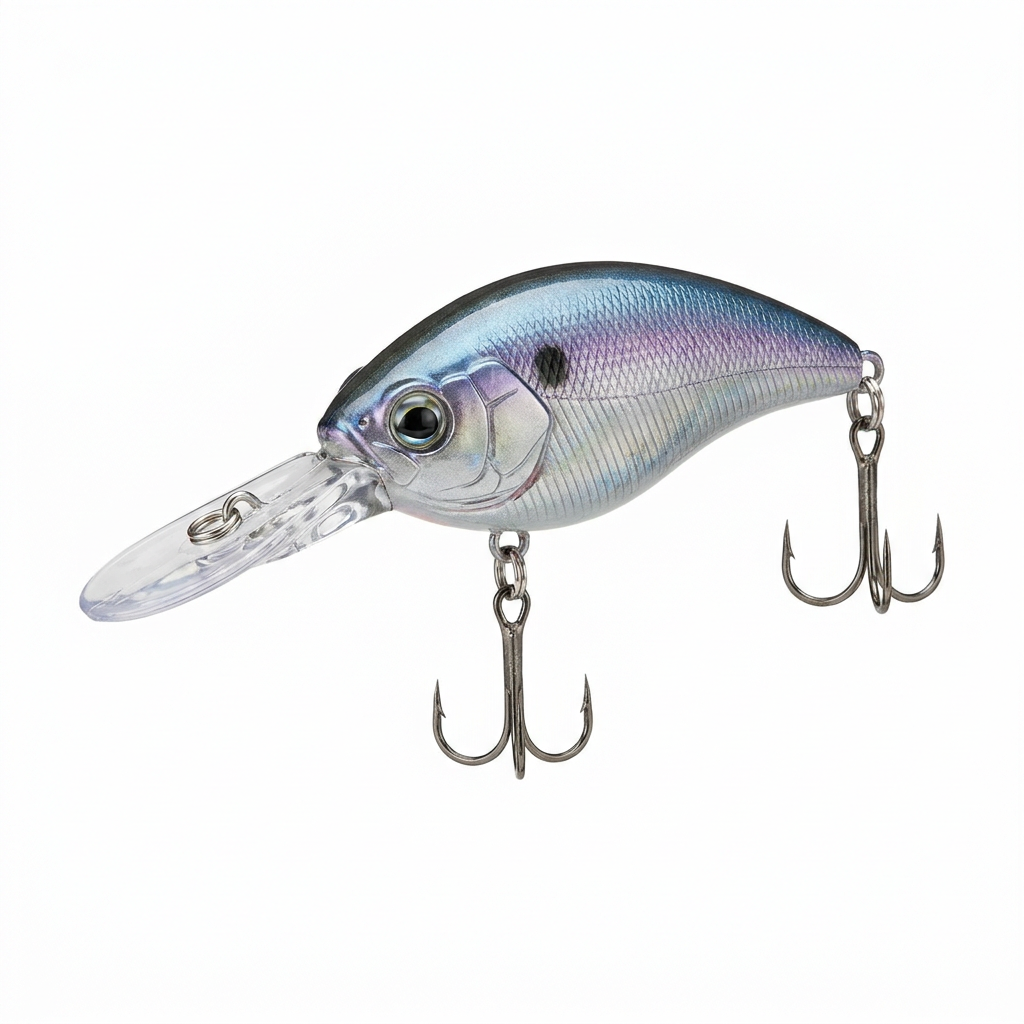
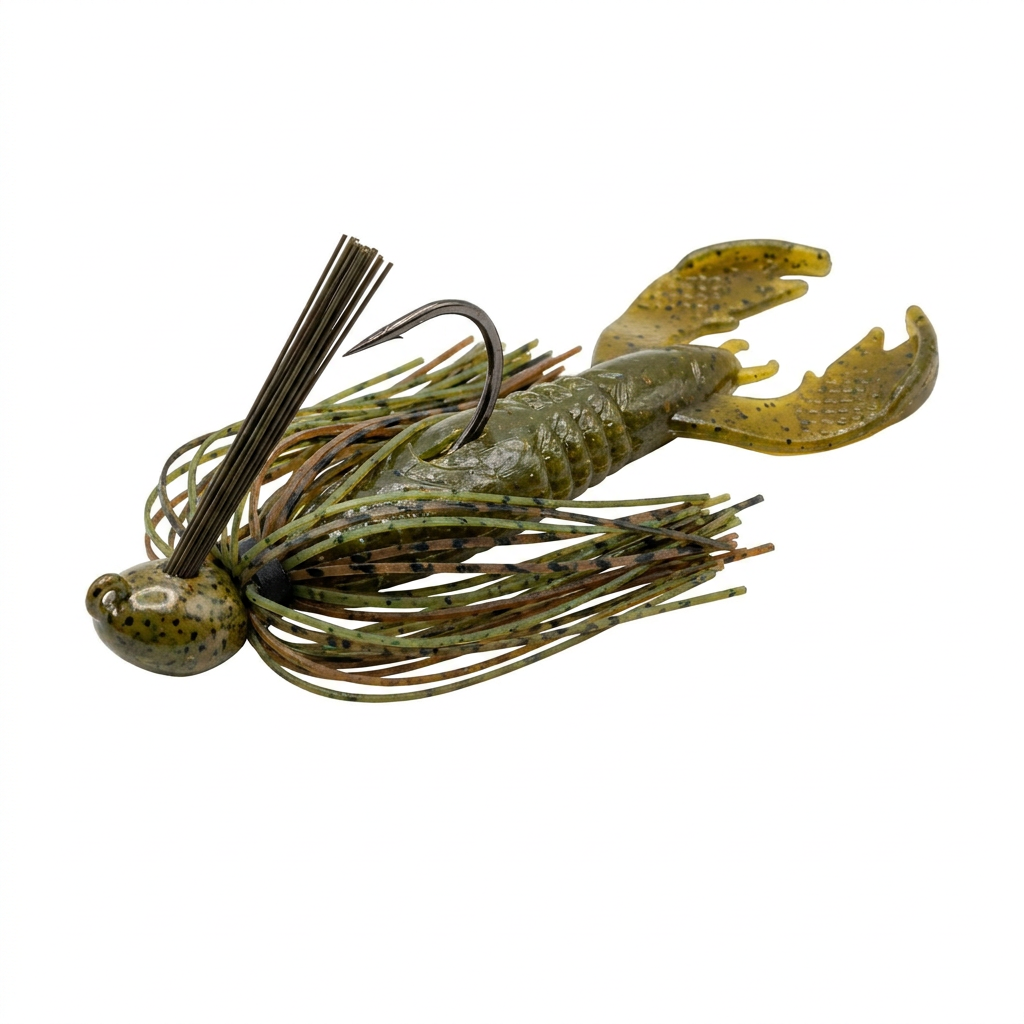
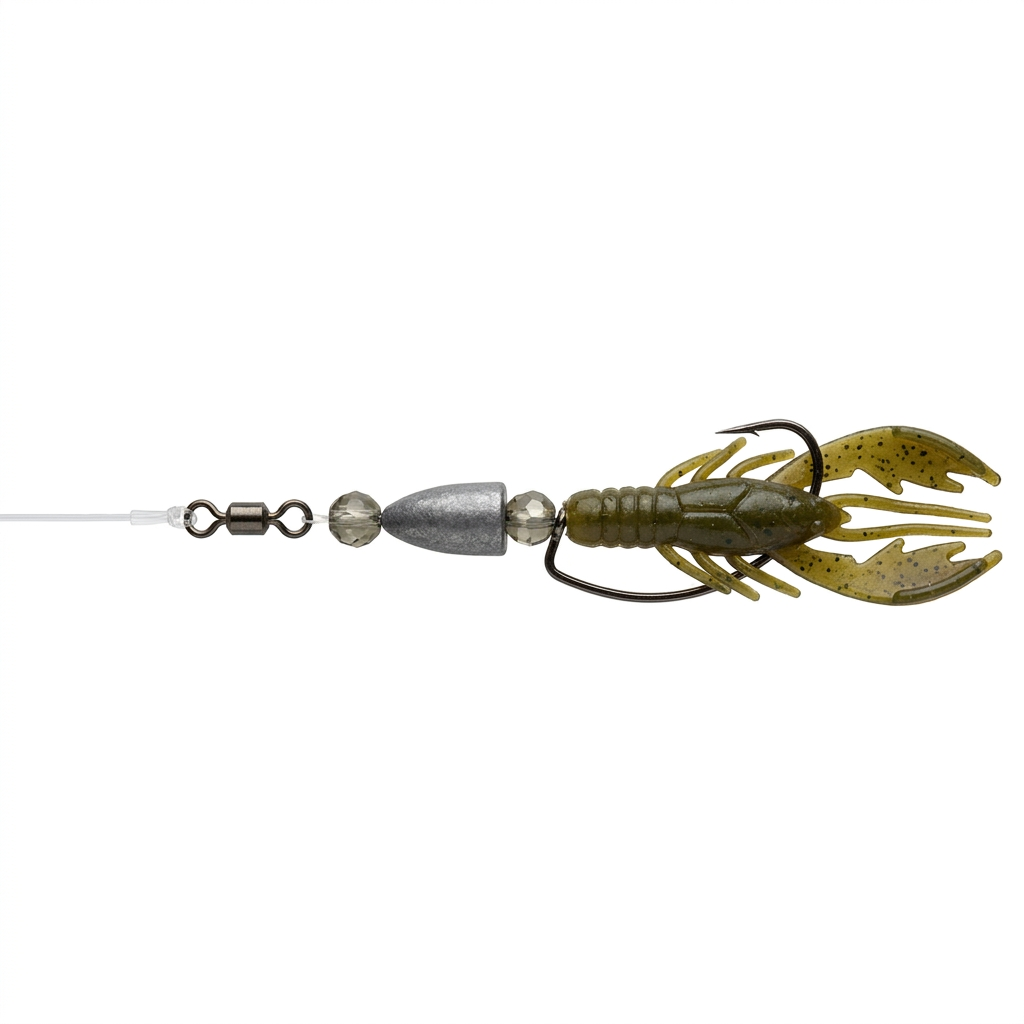
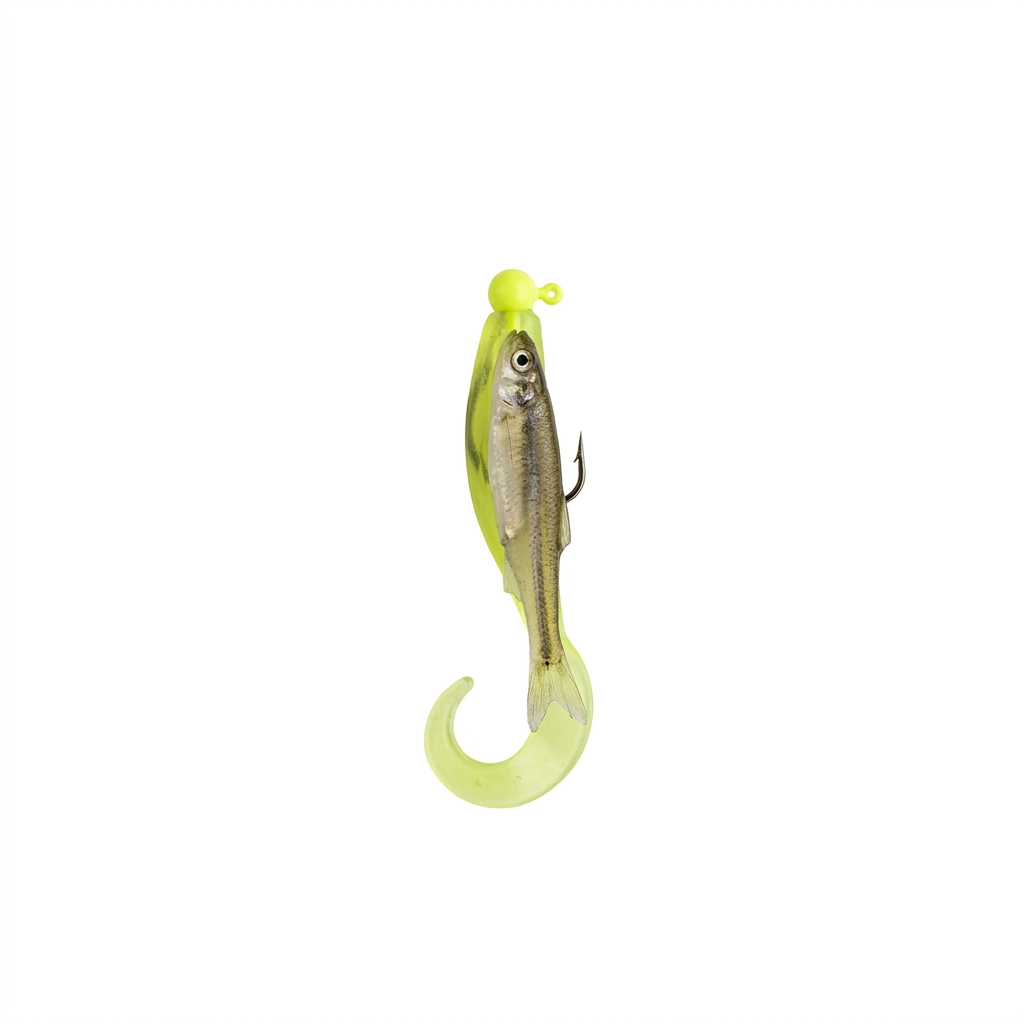
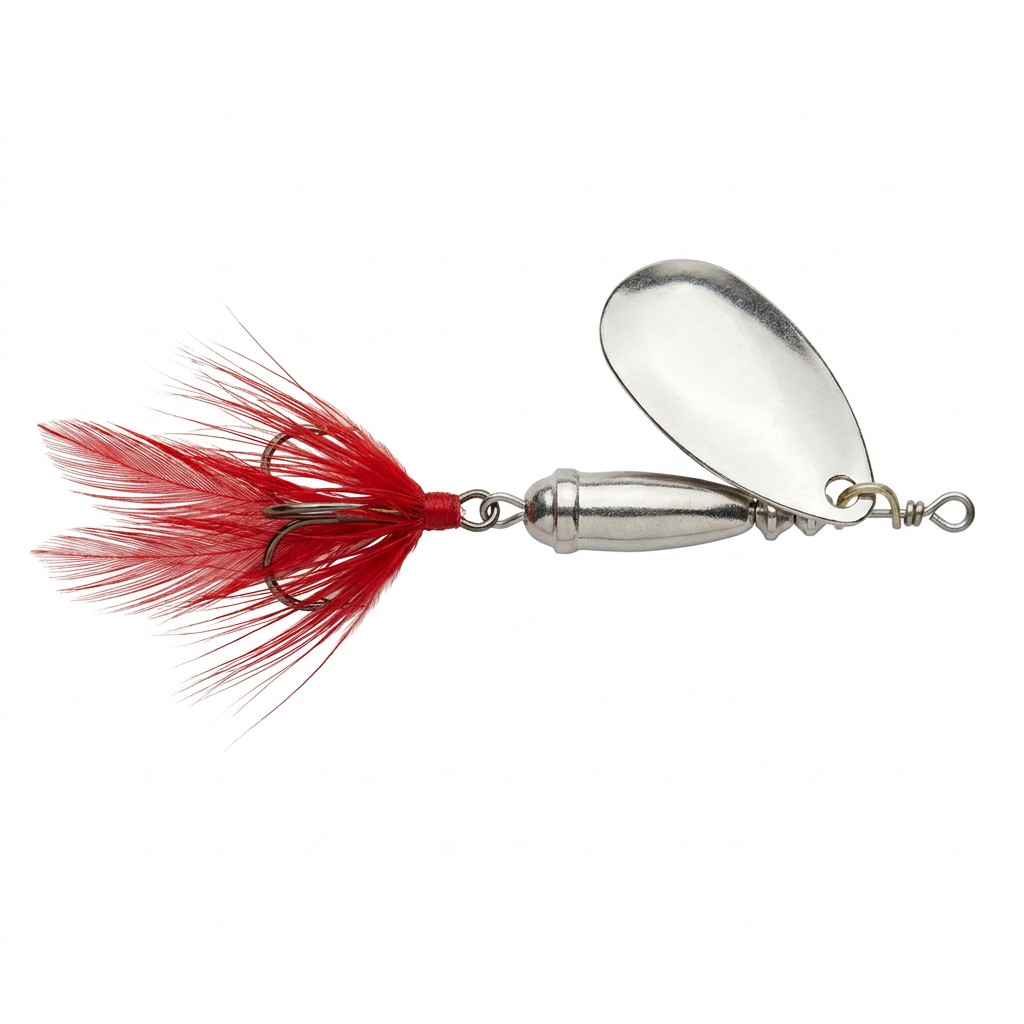
One thing I always check before a big trip is my main line. For most of the presentations that work here, you want braid. The sensitivity makes a real difference, especially when fish are finicky. I've been ordering from Reaction Tackle for a while now and haven't looked back.
About Smith Mountain Lake
Smith Mountain Lake is Appalachian Power's Roanoke River pump storage reservoir and one of the most popular multi-use lakes in Virginia. The Blue Ridge foothills setting, clear water, and 500 miles of shoreline across Franklin, Bedford, and Pittsylvania counties make this a compelling combination of scenery and fishing. The striped bass program is well-established and produces quality fish. The smallmouth bass fishing in the clear, rocky structure is among the best in the Virginia piedmont. 20,600 acres, dam completed 1966.
Pump storage operation. Smith Mountain Lake is a pump storage reservoir that works in conjunction with Leesville Lake downstream. Water is pumped between the two lakes to generate electricity during peak demand. The pumping cycle affects water levels in Smith Mountain Lake, which can fluctuate. Daily water level changes are modest but can affect shoreline access and spawning habitat. Check Appalachian Power's lake level information before planning access to specific bank areas.
Lake size and location. Smith Mountain Lake covers approximately 20,600 acres at full pool with a maximum depth of approximately 250 feet at Smith Mountain Dam. The lake has approximately 500 miles of shoreline spanning Franklin, Bedford, and Pittsylvania counties. Moneta, Virginia (Franklin County) is the primary gateway community on the lake. Roanoke is the nearest major city, approximately 30 miles northwest. The lake is approximately 200 miles southwest of Richmond.
Virginia DWR regulations. Smith Mountain Lake is managed by Virginia DWR. Verify current size limits and bag limits for all species at dwr.virginia.gov before fishing. Virginia DWR stocks striped bass annually and may adjust regulations as the population changes.